






Main Facts
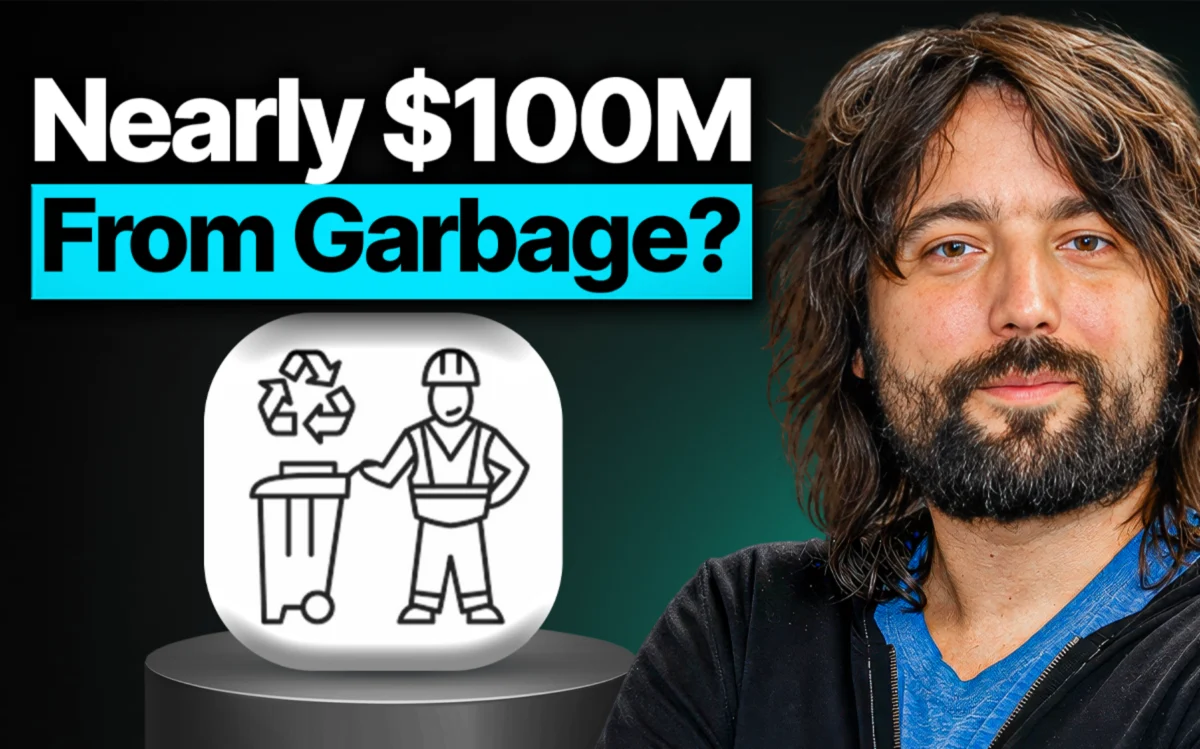
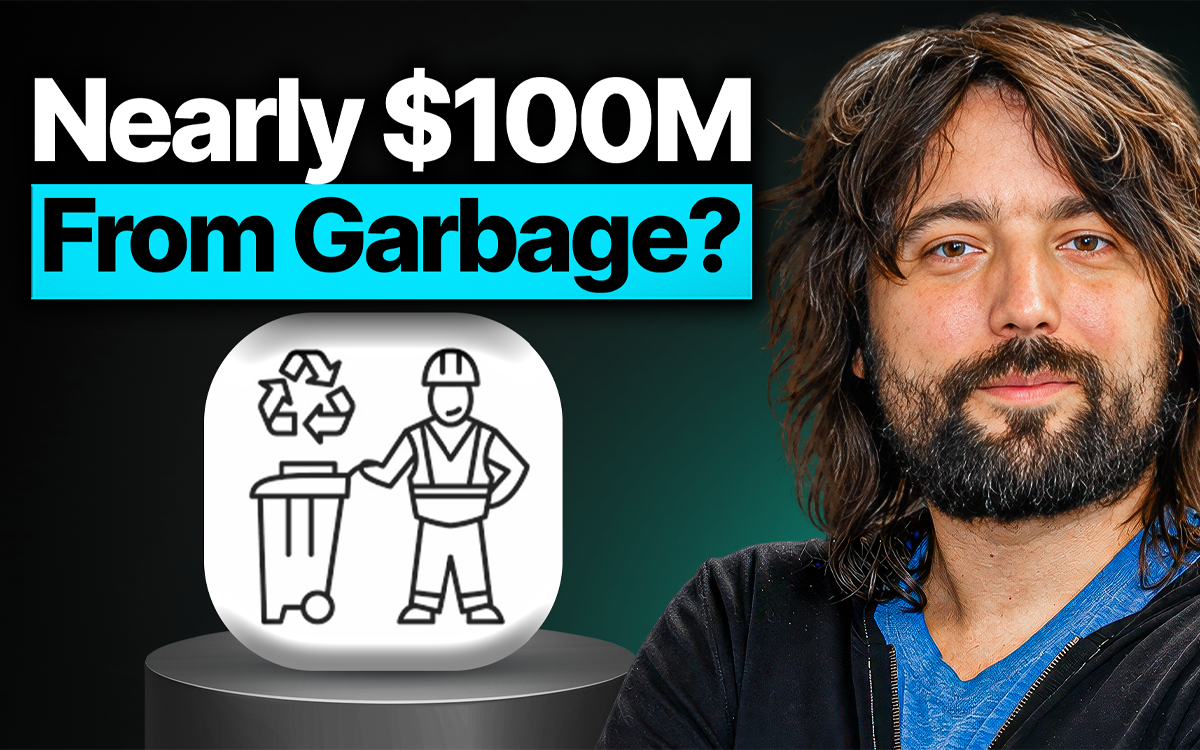
Tom Szaky, founder and CEO of TerraCycle, built a global environmental enterprise from a college dorm room idea into an international operation boasting nearly 500 employees and approaching $100 million in annual revenue. In a recent interview on the Niche Pursuits podcast, Szaky outlined how TerraCycle disrupted traditional waste management by treating discarded materials not as a disposal challenge, but as an economic opportunity.
Rather than relying on traditional municipal recycling streams—which are often economically unviable—TerraCycle developed a business model where corporate partners and stakeholders fund the collection and processing of hard-to-recycle items. These items range from cigarette butts and coffee capsules to cosmetic packaging and toothbrushes. Building on this foundation, Szaky expanded his business model upstream by launching Loop, a global reuse platform that replaces single-use packaging with durable, returnable alternatives backed by major consumer goods manufacturers.
Chronology of an Environmental Disrupter
The trajectory of TerraCycle spans nearly a quarter-century, marked by continuous adaptation, calculated risk-taking, and strategic market expansion:
- Age 14: Tom Szaky launches his first commercial venture, a website business featuring an employee and generating five-figure revenues, establishing an early entrepreneurial foundation.
- Freshman Year at Princeton University (Late 1990s / Early 2000s): Szaky observes that garbage is one of the few commodities people routinely pay others to take away. Inspired by friends experimenting with worm composting, he begins collecting organic waste, feeding it to worms, and selling the resulting worm castings as fertilizer packaged in discarded soda bottles. This marks the conceptual birth of TerraCycle.
- The First Decade: TerraCycle transitions from a localized fertilizer business into a broader recycling innovator. The company identifies that roughly 95% of consumer products are economically unviable to recycle through standard municipal channels and pivots its business model to charge brands and stakeholders for collection solutions.
- Scaling Earned Media: Instead of allocating massive budgets to traditional advertising, TerraCycle hones a "negative cost marketing" strategy. By making its operations inherently newsworthy and assisting journalists, the company achieves roughly 250,000 media mentions worldwide, generating immense brand visibility organically.
- Profitability and Venture Evolution: After operating within a traditional venture capital framework for its first decade, TerraCycle achieves sustained profitability, maintaining a profitable business model for over ten years while utilizing capital primarily for strategic acquisitions and growth.
- The Launch of Loop: Following years of relationship-building with Fortune 500 consumer brands, Szaky and his team launch Loop. Moving upstream from recycling to reuse, Loop introduces durable, deposit-backed packaging supported by more than 200 global brands and deployed internationally.
Supporting Data and Business Metrics
Szaky’s entrepreneurial journey is underpinned by distinct operational metrics that highlight the scale and reach of his ventures:
- Financial Scale: TerraCycle operates with nearly 500 employees globally and generates annual revenues approaching the $100 million milestone.
- Media Penetration: The company has accumulated approximately 250,000 media mentions worldwide over its operating history, including roughly 150,000 in the United States alone. On average, the organization commands about 50 media stories daily.
- Global Reach of Loop: More than 200 global consumer brands participate in the Loop reuse platform. In markets like France, shoppers have access to upwards of 400 reusable products through the initiative.
- The Economics of Waste: According to TerraCycle’s operational research, approximately 95% of all consumer goods cannot be profitably recycled through conventional municipal frameworks due to prohibitive collection and processing costs.
- Digital Dominance: Through decades of earned media accumulation, TerraCycle consistently ranks at the top of organic search engine results and AI-generated summaries for niche recycling terms (such as "cigarette recycling") without purchasing paid advertisements.
Official Insights and Strategic Philosophy
Throughout the podcast conversation, Szaky emphasized several foundational business tenets that guided TerraCycle’s ascent. Rather than attempting to force consumer intentions, Szaky advocates for aligning with corporate incentives.
"Companies are motivated by business outcomes. The environmental impact opens the conversation. The commercial value closes the deal."
Szaky explains that when pitching recycling or sustainability initiatives to massive corporations, environmental altruism alone rarely moves the needle. Instead, TerraCycle structures its programs to deliver tangible commercial value—such as enhanced customer acquisition, improved brand retention, and increased in-store traffic. By positioning sustainability as a tool to solve corporate economic problems, TerraCycle successfully secured partnerships with some of the world’s largest consumer goods manufacturers.
Furthermore, Szaky reflected on the lessons of capital allocation, noting that entrepreneurs should carefully weigh the timing of outside investment. Reflecting on his early startup days, Szaky observed that raising capital too early often requires founders to surrender larger ownership stakes when company valuations are low. Once TerraCycle matured and achieved sustained profitability, subsequent capital raises were deployed selectively to fuel strategic acquisitions—such as a Connecticut-based light bulb recycling company—rather than covering operational deficits.
Implications for Modern Entrepreneurs
The TerraCycle model offers profound strategic implications for business leaders, startup founders, and content creators navigating crowded modern markets:
- Monetize Overlooked Problems: While many entrepreneurs crowd into hyper-competitive sectors with incremental software or product updates, generational opportunities often lie in solving problems that mainstream industries have written off as economically or logistically impossible.
- Master Earned Media: High customer acquisition costs plague modern digital marketing. TerraCycle proves that building an intrinsically fascinating business model—and actively lowering the friction for journalists to report on it—can yield hundreds of thousands of organic media mentions, establishing unassailable brand authority.
- Disrupt Your Own Supply Chain: Just as Netflix transitioned from DVD rentals to streaming before competitors forced its hand, TerraCycle expanded into the reuse market via Loop before traditional recycling models reached their ultimate limits. Expanding into adjacent markets at the right moment secures long-term market relevance.
- Treat Failure as Tuition: Szaky views capital lost on failed projects not as deadweight, but as valuable educational tuition. Cultivating a corporate culture that embraces the lessons of failure prevents repeated strategic missteps and drives continuous organizational evolution.