










As the battle for the living room intensifies among tech giants, reports indicate that Google is already hard at work on the successor to its popular Google TV Streamer. Despite a recent price adjustment that saw the current-generation hardware increase by $50, internal leaks and supply chain rumors point to a heavily revamped follow-up device.
The anticipated next-generation streaming box promises to shake up how users interact with their home entertainment ecosystems. By introducing hands-free voice control via far-field microphones, advanced presence-sensing capabilities, upgraded internal processing power, and a redesigned remote control, Google appears poised to redefine the smart TV experience.
Main Facts: What to Expect from the Next-Gen Google TV Streamer
Industry leaks courtesy of 9to5Google have shed light on the feature set anticipated for Google’s upcoming flagship streaming hub. While the device is expected to preserve the sleek, low-profile aesthetic of its predecessor, it will feature a slightly narrower footprint. More importantly, the hardware upgrades run deep beneath the hood:
- Hands-Free Voice Interaction: Unlike current models that require users to press a button on the remote to summon Google Assistant or Gemini, the upcoming streamer reportedly integrates far-field microphones directly into the chassis. This allows for seamless "Hey Google" voice commands from across the room.
- Presence-Sensing Technology: Borrowing smart-display and high-end smart-TV functionalities—such as those seen on select TCL smart TVs—the new streamer will likely incorporate automated room detection. It can detect when a user enters a room, automatically waking the TV to display ambient widgets, weather updates, or personalized Google Photos screensavers.
- Performance and Storage Boosts: Anticipated hardware improvements include a faster internal processor to handle heavy multitasking, fluid user interfaces, and advanced AI-driven features. Furthermore, it is expected to pack even more onboard storage than the current generation’s generous 32GB baseline.
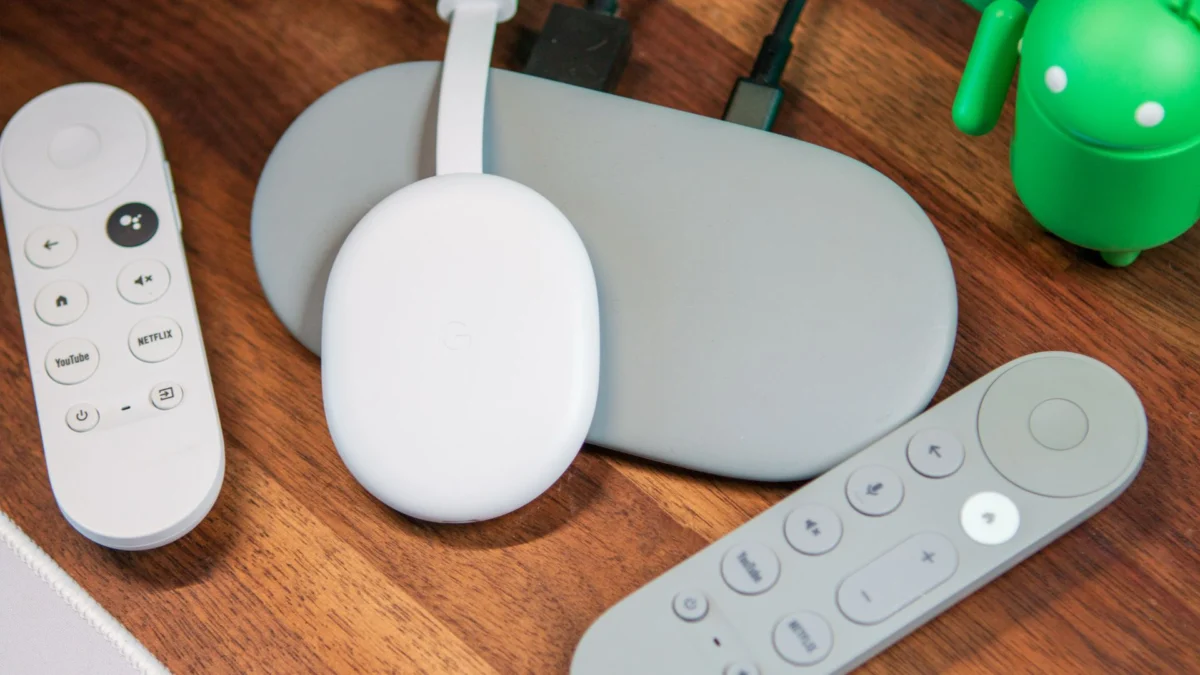
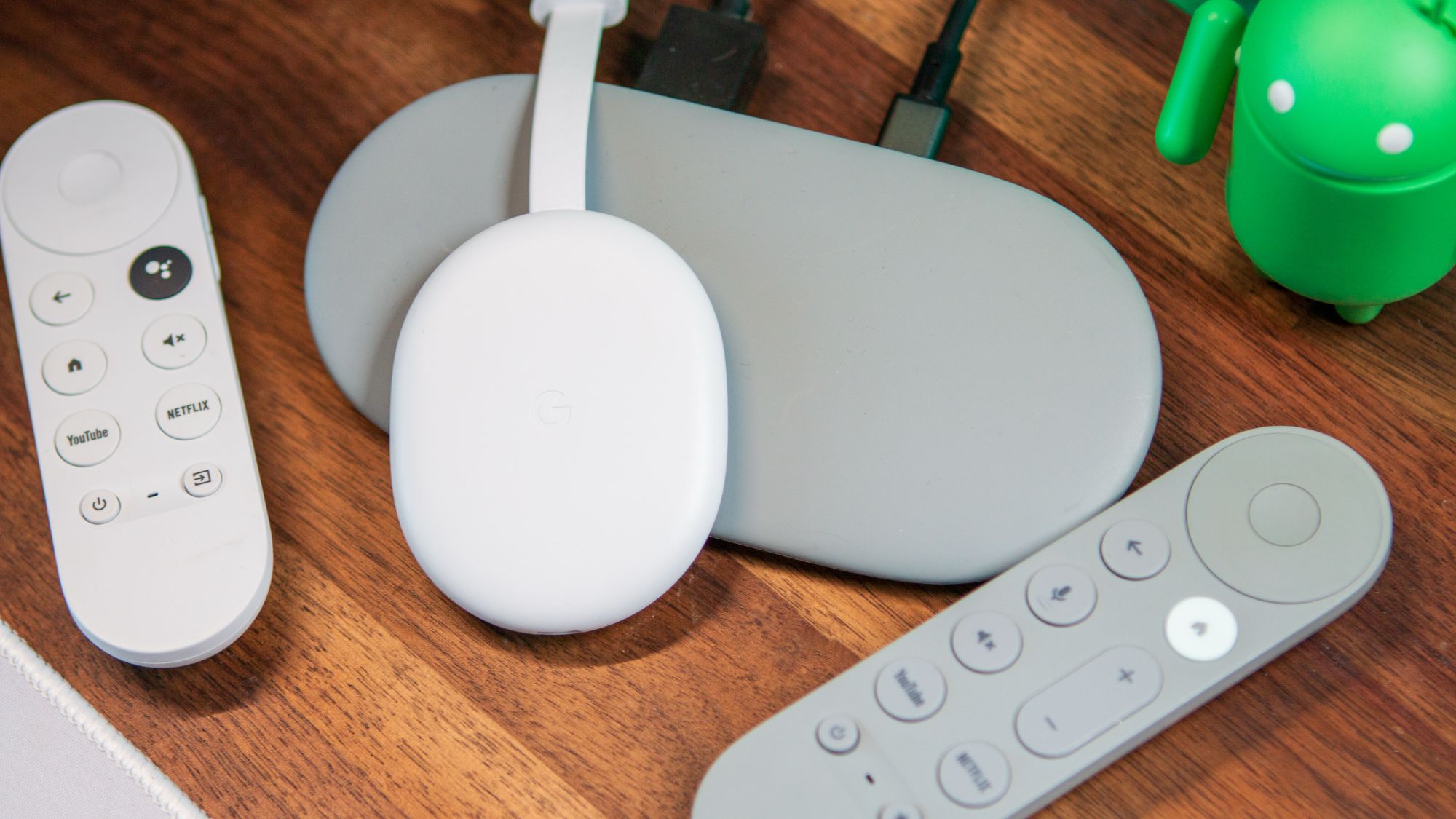
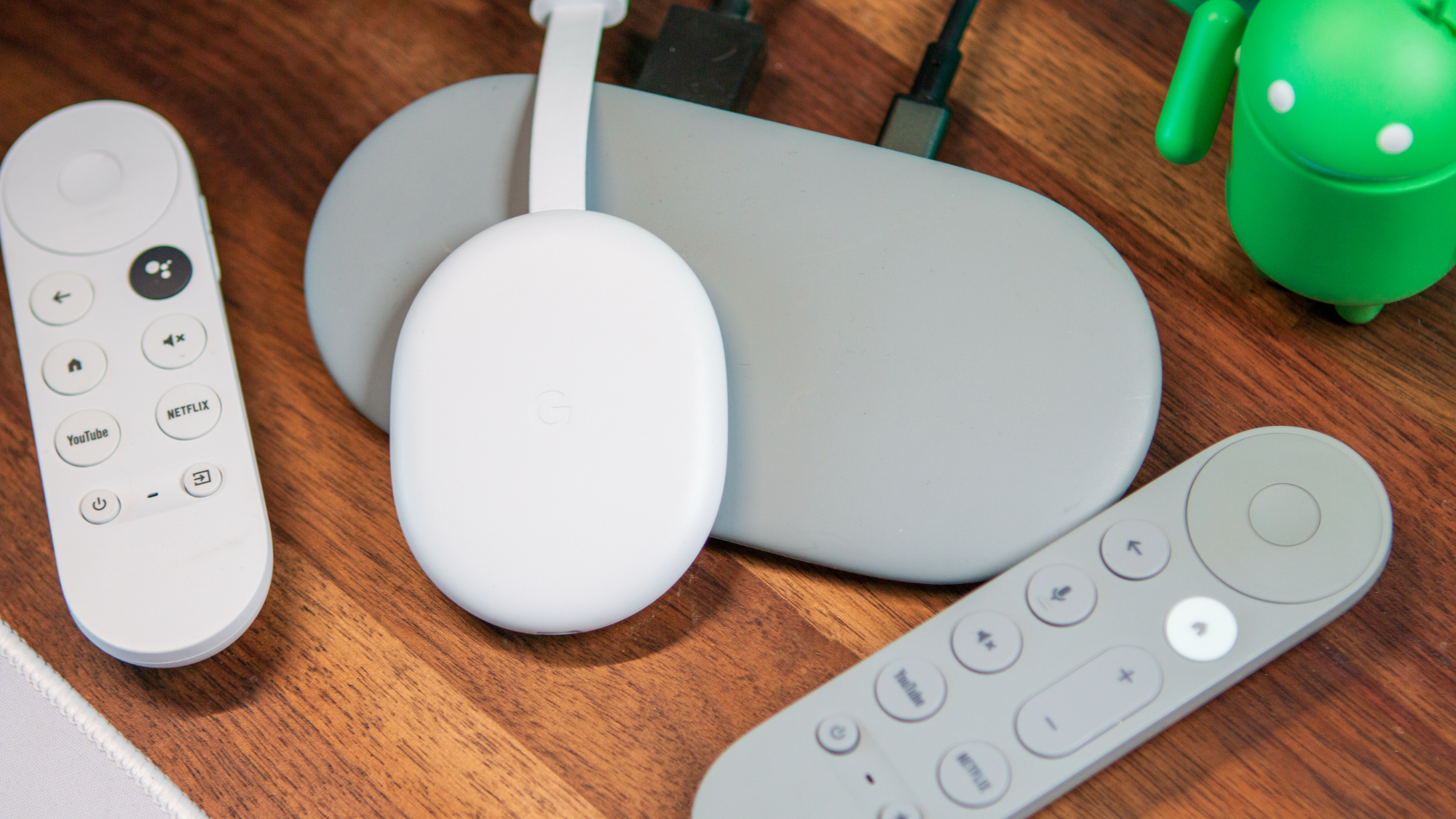
- A Redesigned Remote Control: Leaks suggest the physical remote is also getting a refresh. Google is reportedly adding dedicated shortcut buttons for streaming heavyweights YouTube and Netflix, alongside a convenient "Find My Remote" physical button located directly on the streaming hub itself to help users track down misplaced controllers.
Chronology of Google’s Streaming Evolution
To understand the significance of this upcoming release, it helps to examine the timeline of Google’s living room hardware strategy over the past several years:
- The Chromecast Era (2013–2020): Google dominated the budget streaming market for nearly a decade with its affordable, minimalist HDMI dongles. Devices like the original Chromecast and the later Chromecast Ultra relied entirely on casting content from a smartphone, tablet, or PC rather than offering an on-screen operating system.
- The Shift to On-Device Interfaces (September 2020): Google launched the Chromecast with Google TV (4K), marking a massive strategic shift. For the first time, a dedicated interface, physical remote control, and app store were integrated directly into a Google streaming stick, bridging the gap between simple casting and fully fledged smart TV operating systems.
- The Rebranding and Reimagining (August 2024): Google officially retired the "Chromecast" brand, introducing the premium Google TV Streamer. Moving away from the hidden behind-the-tv dongle design, this desktop-style set-top box featured a faster processor, enhanced smart home hub integrations (Matter and Thread support), and a redesigned remote control.
- Mid-Lifecycle Price Adjustments (Late 2024 – 2025): Amid fluctuating global supply chain costs and component shortages, Google adjusted its pricing structure, raising the retail cost of the current Google TV Streamer and select Nest smart home cameras by $50.
- The Horizon (Late 2026 and Beyond): Industry reporting indicates that development on the next-generation Google TV Streamer is actively underway, with hints of a potential late-year announcement to rival competing hardware refreshes from major competitors like Apple and Amazon.
Supporting Data & Ecosystem Integration
The rumored features of the next-generation Google TV Streamer do not exist in a vacuum; they reflect a broader industry push toward ambient computing and artificial intelligence integration.
The Gemini AI Integration
Earlier this year, Google confirmed that its advanced AI model, Gemini, is officially headed to the Google TV ecosystem. Current devices rely on the remote control’s microphone to parse complex natural language queries, such as summarizing movie plots, offering personalized recommendations based on niche moods, or generating watchlists.
By integrating far-field microphones directly into the physical housing of the upcoming streamer, Google eliminates friction. Users can converse with Gemini organically from their couch without needing to keep track of a remote control. This turns the TV into an ambient smart speaker akin to a Nest Hub, capable of managing smart home appliances, checking traffic, or playing music on command.
Presence Sensing and Ambient Computing
Smart home ecosystems are increasingly shifting toward proactive, rather than reactive, technology. The inclusion of presence-sensing technology allows the television to act as a dynamic canvas. Instead of a blank, powered-down screen, walking into the living room could automatically trigger a personalized ambient screen saver showcasing family photos, real-time weather forecasts, and morning calendar reminders.
Storage and Speed Benchmarks
The existing Google TV Streamer set a high bar for mid-tier streaming hardware with its 32GB of internal storage—quadrupling the 8GB standard found on older Chromecast models. Rumors that Google plans to push performance and storage even further suggest that the company intends to target cloud gaming enthusiasts, heavy app users, and users who store large local media libraries directly on the device.
Official Responses and Industry Context
Google has not yet officially acknowledged or confirmed the development timeline of the next-generation TV Streamer. Standard company policy dictates that consumer hardware divisions do not comment on unreleased products, leaks, or future product roadmaps.
However, market analysts note that the timing of these leaks aligns closely with macroeconomic and competitive pressures in the smart home sector. With rival tech titan Apple reportedly preparing to unveil an upgraded iteration of its Apple TV 4K, the living room streaming wars remain fiercely competitive. Hardware manufacturers are racing to see who can deliver the most tightly integrated, AI-assisted, and responsive entertainment hub.
Furthermore, Google’s recent price increases on its smart home accessories indicate that the company is repositioning its hardware line toward higher-end, premium tiers. If the next-gen streamer commands a higher price point upon launch, the inclusion of premium features like far-field microphones, enhanced processing power, and presence-sensing tech will likely be used to justify the cost to consumers.
Implications for Consumers and the Smart Home Market
The potential release of a feature-packed Google TV Streamer carries several notable implications for the broader tech landscape:
1. The Blurring Lines Between Smart Displays and TVs
For years, consumers had to choose between smart speakers (like the Nest Audio), smart displays with screens (like the Nest Hub Max), and dedicated streaming media players (like Roku or Apple TV). By incorporating far-field voice recognition and presence-sensing screensavers into a dedicated television streaming hub, Google is effectively merging the smart display experience directly into the primary home entertainment screen.
2. Privacy Considerations
While hands-free voice activation ("Hey Google") and automated presence detection offer undeniable convenience, they also raise valid privacy questions. Devices with always-listening far-field microphones and sensors that track room occupancy will require transparent user controls, physical hardware kill-switches (such as a microphone mute switch), and robust data encryption to reassure privacy-conscious consumers. Google has historically included hardware mute toggles on its Nest smart speakers, and users will expect similar physical safeguards on an ambient TV streaming device.
3. Upgrading Value Proposition
Current owners of the Google TV Streamer 4K may wonder whether a rumored successor warrants an immediate upgrade. Because the current model already features a capable processor and a robust version of Google TV, casual streamers may find little reason to jump to a new model unless they specifically desire hands-free voice commands or room-detection capabilities. However, for households heavily invested in the Google Home ecosystem, a centralized voice hub situated right beneath the television could serve as the ultimate smart home control center.
As We Await Official Word
As development continues behind closed doors, no official release date or retail pricing has been locked in. Tech enthusiasts and smart home hobbyists will be watching closely for regulatory filings, FCC leaks, or official teaser announcements from Google in the coming months. Stay tuned as we provide ongoing updates on the evolution of Google’s next-generation streaming hardware.



