








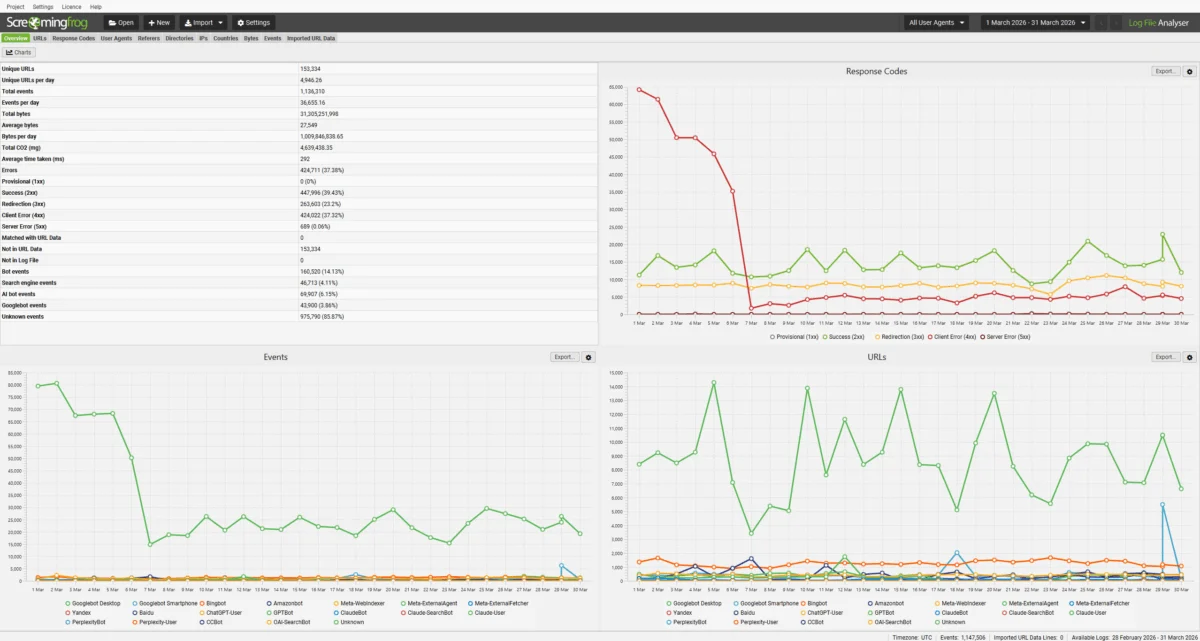
LONDON — In the rapidly evolving landscape of search engine optimization and website management, server log file analysis has long been the gold standard for uncovering how search engine crawlers actually interact with digital architecture. Today, Screaming Frog, a titan in the SEO software industry, has officially announced the rollout of Screaming Frog Log File Analyser 7.0, alongside a swift iterative update to Version 7.1.
This major milestone release introduces a comprehensive suite of powerful features tailored specifically to address the modern challenges of web management. Most notably, version 7.0 tackles the explosive rise of artificial intelligence scraping and crawling, introduces sophisticated user-agent grouping and custom verification protocols, and streamlines workflow efficiency with Google Sheets integration and native project sharing.
Main Facts: What’s New in Version 7.0 and 7.1
Screaming Frog Log File Analyser 7.0 is designed to bridge the gap between traditional search engine auditing and the burgeoning ecosystem of AI-driven web traffic. The principal updates engineered into this release include:
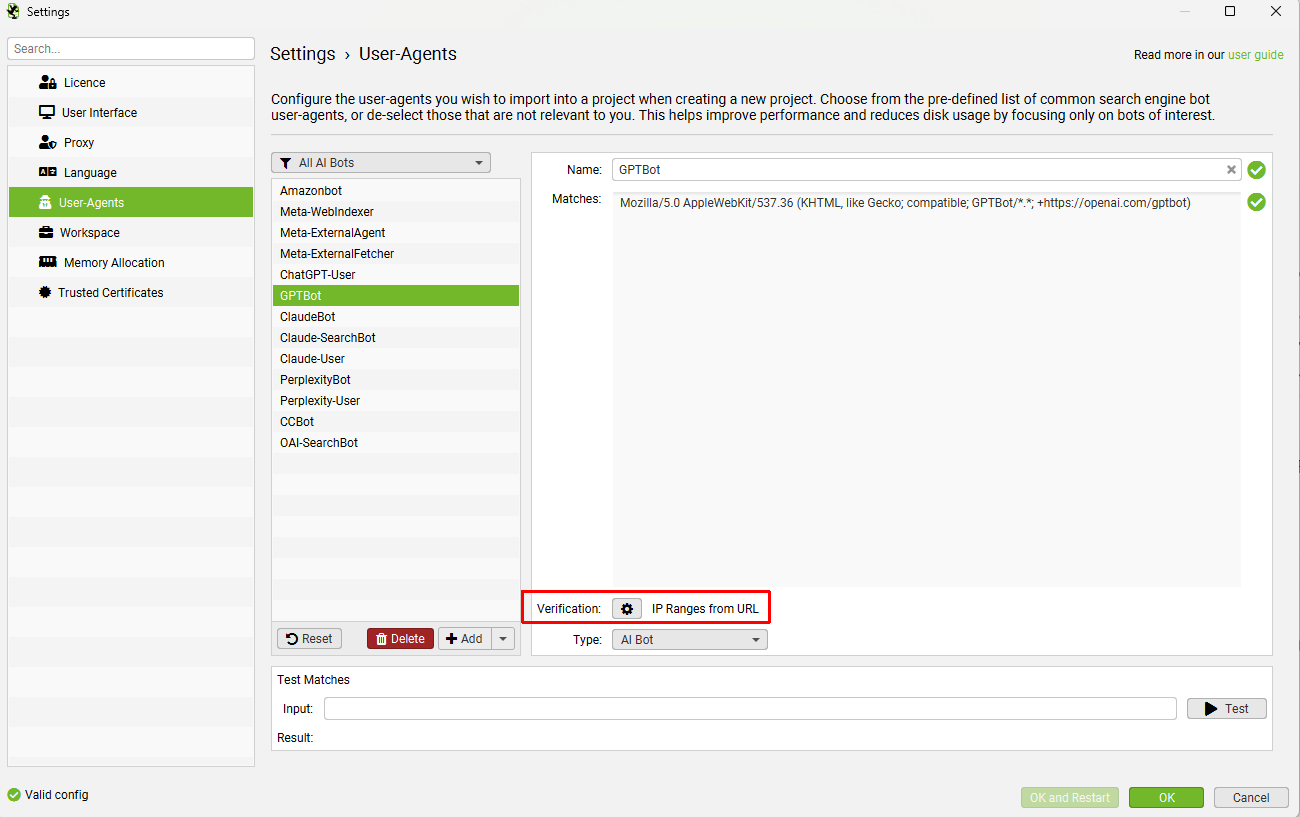
- AI Bot Verification: Automated confirmation protocols to distinguish genuine AI bots from spoofed user agents.
- User-Agent Groupings: Categorization frameworks that bundle similar user agents (such as "All Search Bots" or "All AI Bots") for cleaner, high-level project configuration and global filtering.
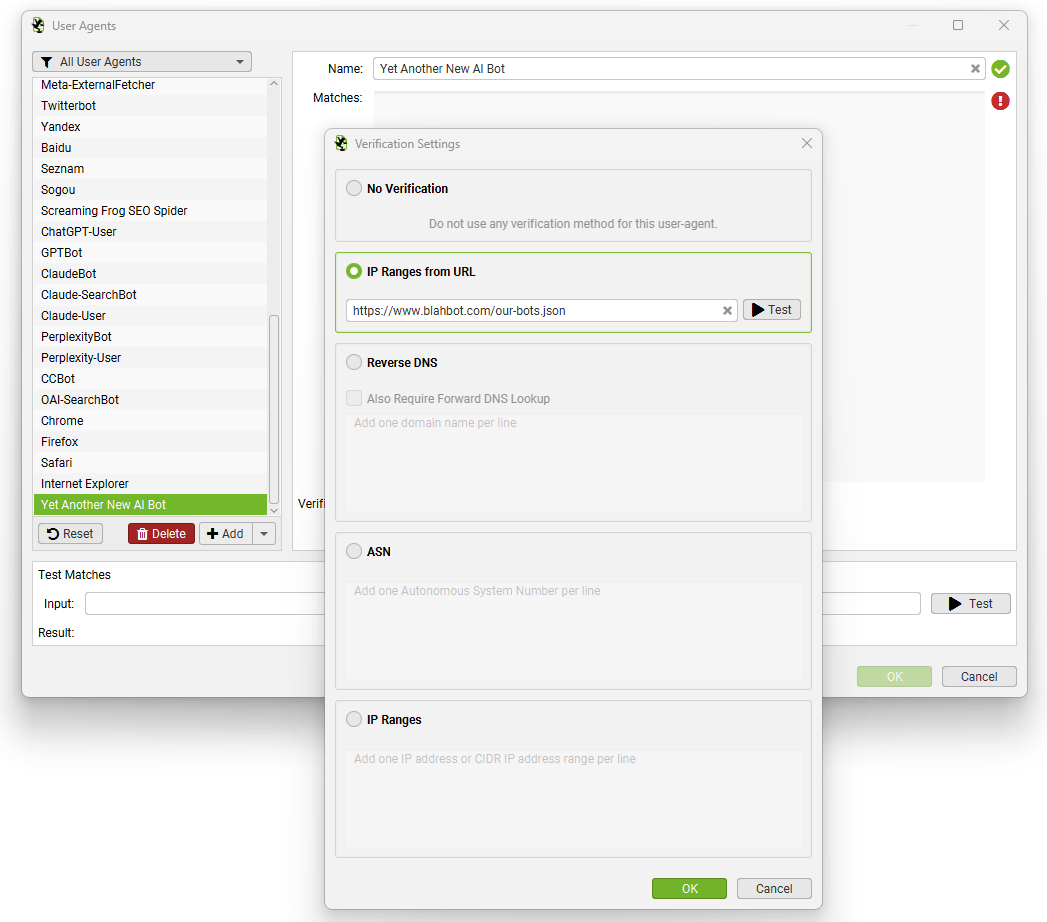
- Customisable Bot Verification: Dynamic rule-building via JSON URLs, reverse DNS, ASN, or static IP ranges, allowing users to update verification parameters independently of software updates.
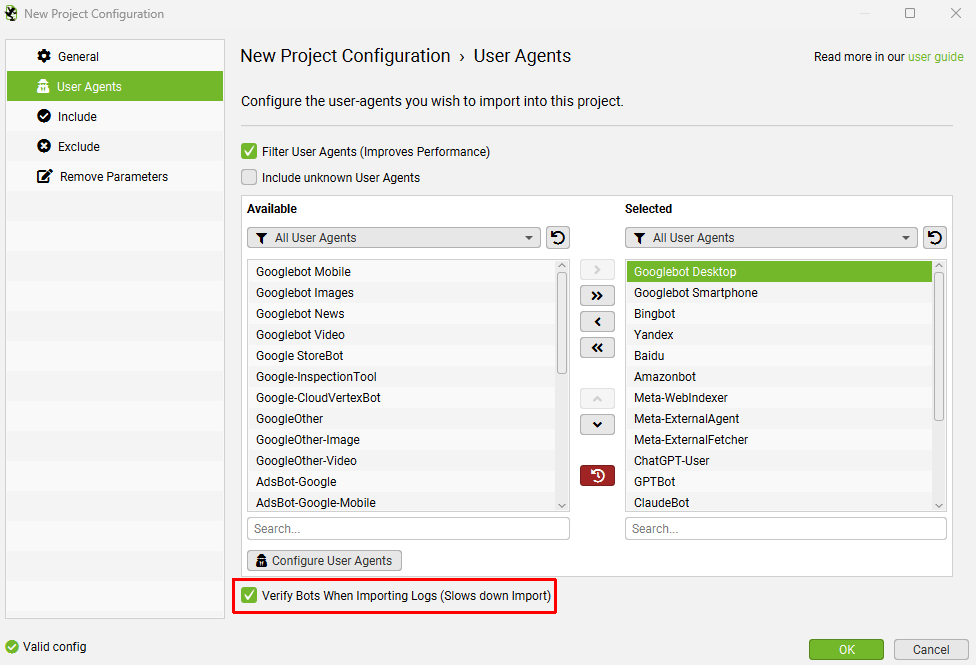
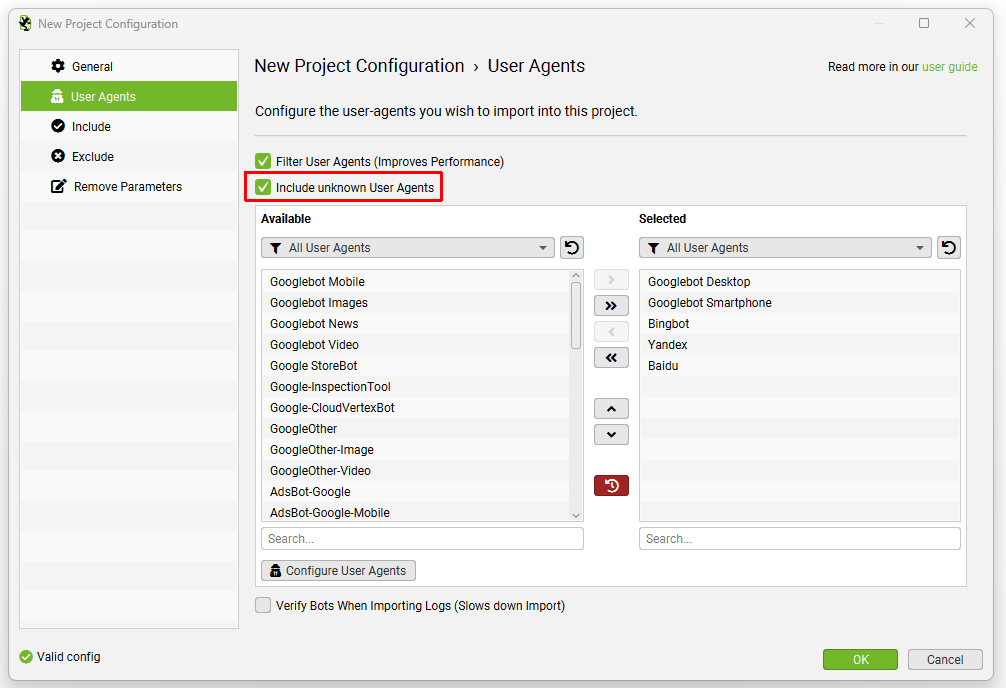
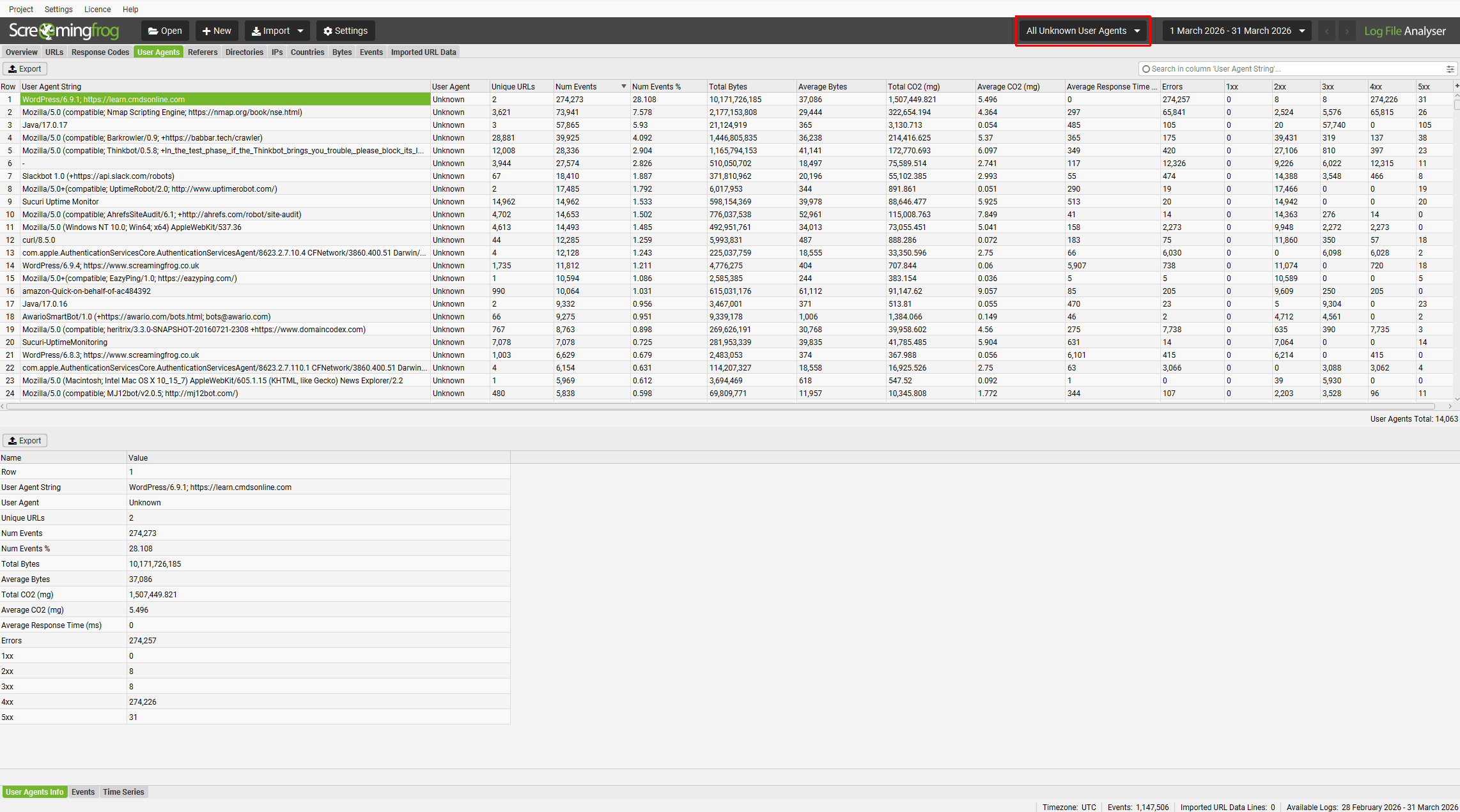
- Unknown User Agent Discovery: A dedicated toggle to capture and analyze uncatalogued traffic, unmasking anonymous bots, custom scripts, or scrapers.
- Project Import & Export: The ability to package, share, and archive entire log file projects without requiring a fresh re-analysis of raw server data.
- Direct Google Sheets Export: Seamless cloud-based data exporting alongside traditional CSV and Excel formats.
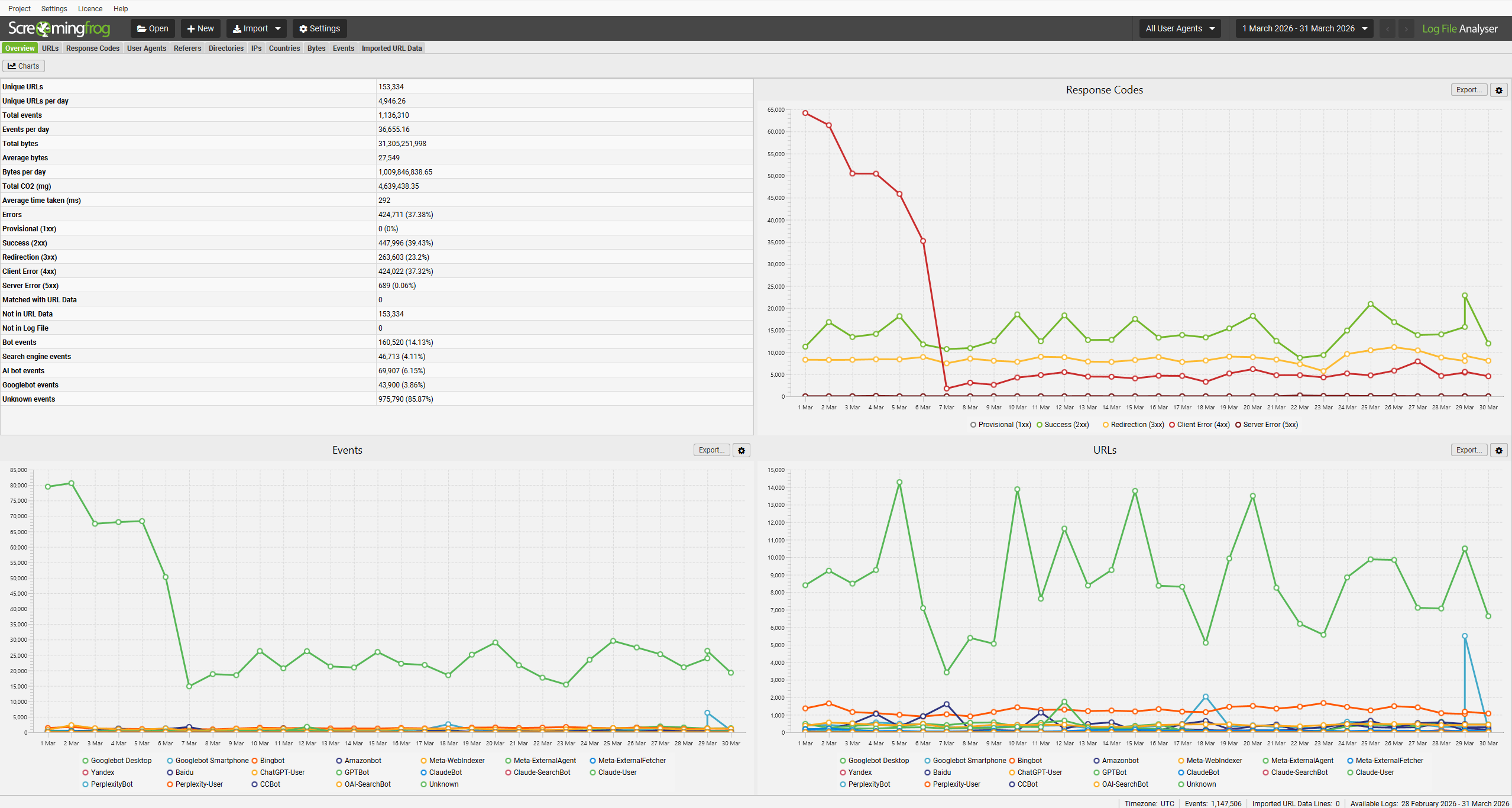
- Advanced Time Series Visualizations: A new interactive lower panel displaying granular time-series graphs for events, response codes, data bytes, and average response times.
- ARM Architecture Support: Native Ubuntu and Fedora packages optimized for ARM-based hardware users.
- Version 7.1 Follow-Up: Released on July 6, 2026, this minor patch introduced critical bug fixes and stability improvements to cement the 7.0 framework.
Chronology and Evolution: Keeping Pace with the Modern Web
The journey toward Log File Analyser 7.0 reflects the shifting priorities of technical SEO professionals over the past several years. Historically, log file analysis was utilized primarily to audit crawl budgets, discover orphaned pages, and verify that Googlebot, Bingbot, and other traditional search engines were rendering pages efficiently.
However, the digital ecosystem has transformed dramatically. The proliferation of Large Language Models (LLMs), generative AI crawlers, and automated scraping tools has flooded server logs with unprecedented volumes of non-human traffic. Webmasters can no longer rely on simple user-agent strings, which can easily be spoofed by malicious actors or unauthorized scrapers pretending to be legitimate entities like OpenAI or Anthropic.
Recognizing this paradigm shift, Screaming Frog’s development team conceptualized version 7.0 to address the opacity surrounding modern server traffic. By expanding verification frameworks to include AI crawlers and introducing unknown user agent tracking, the software evolves from a traditional search engine auditing utility into a comprehensive traffic verification and security intelligence tool. The release of version 7.1 shortly thereafter on July 6, 2026, underscored the company’s commitment to immediate stability, addressing early bug reports and polishing the user experience.
Supporting Data & Deep Dive into Key Features
To fully appreciate the scope of Log File Analyser 7.0, one must examine the specific mechanics of its headline features and how they integrate into daily technical SEO workflows.
1. The AI Bot Verification Era
With websites increasingly looking to control how their content is ingested for AI training, verifying the authenticity of crawlers is critical. Version 7.0 extends Screaming Frog’s robust bot verification mechanisms—previously reserved for major search engines—to AI bots.
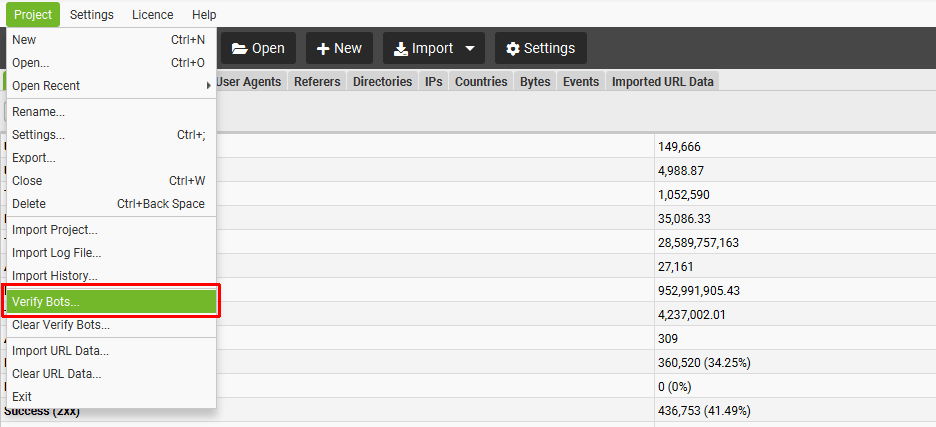
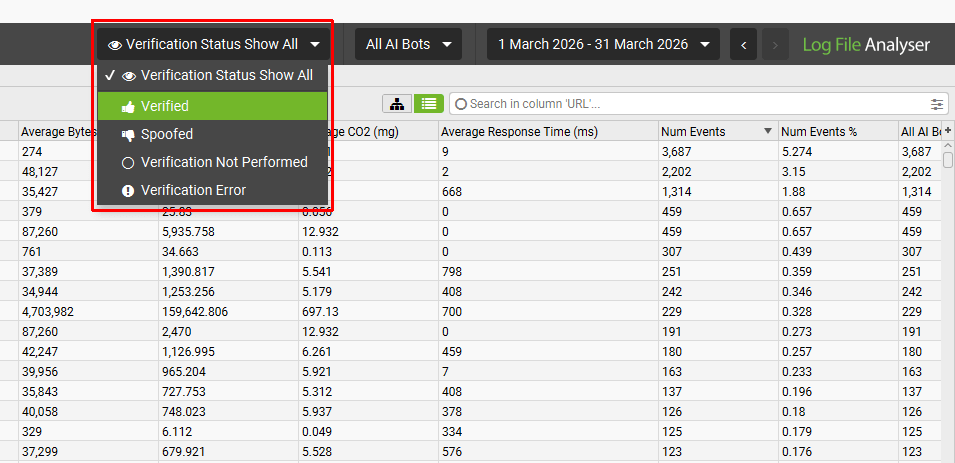
During the initial log file upload or via the Project > Verify Bots menu, users can cross-reference incoming IP addresses against known, trusted parameters. This unlocks a specialized verification status filter, allowing analysts to instantly isolate genuine AI crawlers from spoofed requests. This distinction is vital for accurate data hygiene, ensuring that traffic reports are not skewed by bad actors masking their identities.
2. Streamlining Analysis with User-Agent Groupings
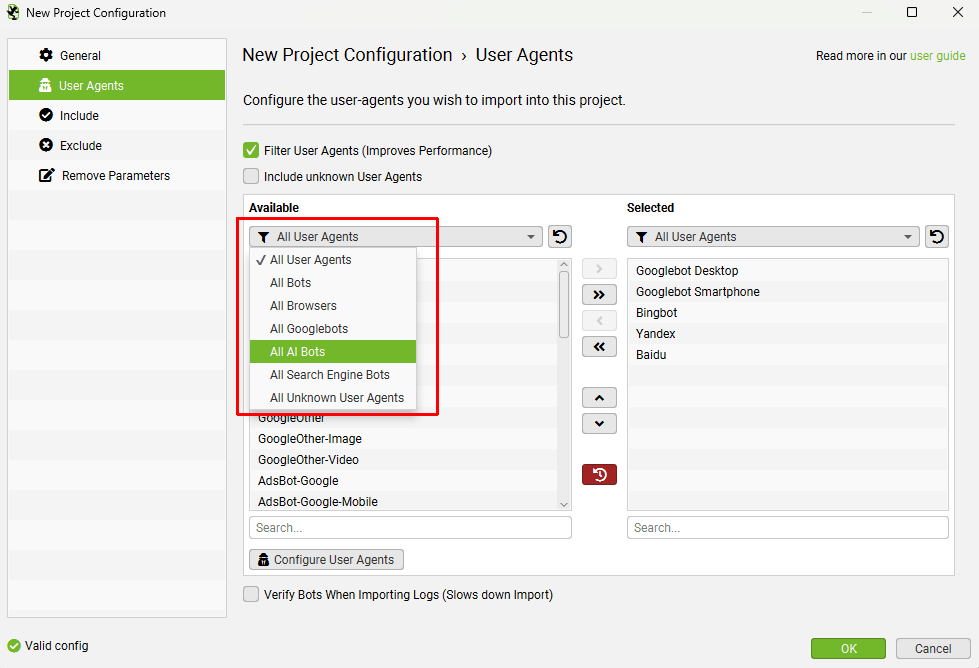
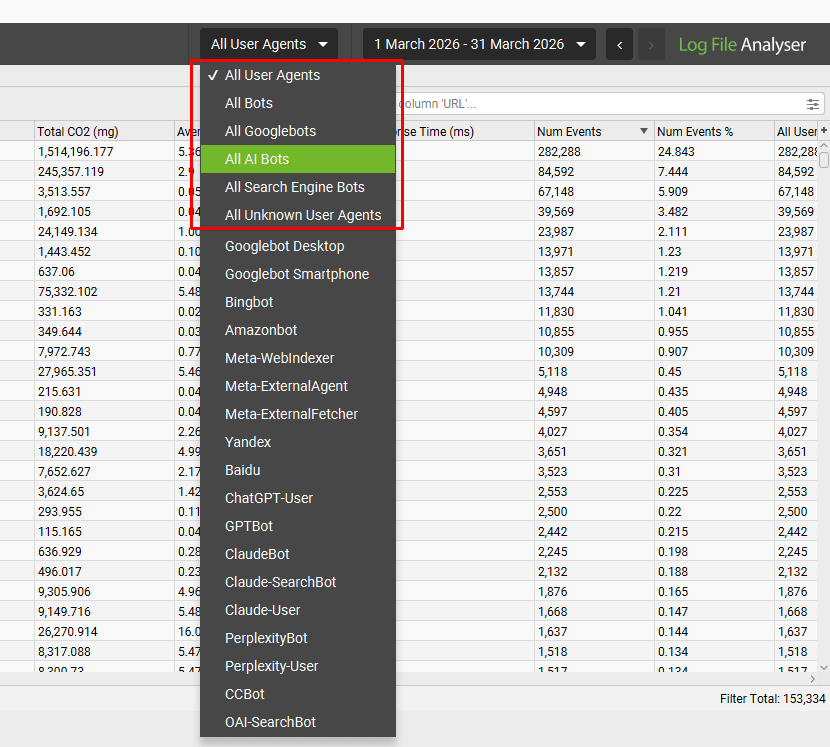
Managing dozens of individual search and AI bots can quickly clutter an analysis. Version 7.0 solves this by introducing pre-set user-agent groupings. SEOs can now filter and segment data by macro-categories such as "All Search Bots" or "All AI Bots." High-level statistics populate directly within the Overview tab, giving practitioners an immediate, macro-level perspective on how various bot ecosystems are distributing their attention across a digital property.
3. Agility Through Customisable Bot Verification
In past iterations, if a search engine or bot altered its IP ranges or verification structures, users were forced to wait for Screaming Frog to push a software update. Version 7.0 completely decentralizes this limitation. Practitioners can now build custom verification rules on the fly by feeding JSON URLs, reverse DNS configurations, Autonomous System Numbers (ASNs), or static IP ranges directly into the tool. This ensures real-time adaptability as web standards and bot infrastructures evolve.
4. Unmasking the Unknown: Discovery of Uncatalogued Traffic
Beyond known search engines and AI models, websites are constantly probed by unknown user agents—monitoring tools, security scanners, proprietary crawlers, and aggressive scrapers. By enabling the new "Include unknown User Agents" toggle within project settings, analysts can pull these anonymous entities into their core reports. This feature provides security and technical teams with the visibility needed to identify potential bandwidth drains, uncover emerging scraping threats, or spot beneficial third-party tools that warrant closer tracking.
5. Collaborative Workflows: Project Import/Export and Google Sheets
Log file analysis generates immense datasets that can be difficult to share across multidisciplinary teams. Version 7.0 introduces native project export and import functionality. Teams can package an entire project file—complete with historical parameters—and transfer it to colleagues or archive it for long-term storage without forcing a resource-intensive re-upload and re-analysis of raw log files.
Furthermore, acknowledging the industry’s reliance on cloud-based collaboration, Screaming Frog has bypassed local file limitations by adding direct Google Sheets exporting. By authenticating a Google account within the application, users can push massive datasets straight to the cloud in moments.
6. Granular Diagnostics: The New Time Series Charts
Data interpretation is as much about temporal patterns as it is about aggregate totals. Version 7.0 introduces a dedicated lower "Time Series" tab across various analytical screens. Users can toggle this interactive graph to view events, response codes, data volume (bytes), and average response times across custom timeframes.
Crucially, analysts can isolate a single URL or aggregate multiple URLs to monitor anomalous behavior. If response times suddenly spike or error codes (such as 5xx server errors) cluster around a specific hour, these time-series charts make the anomaly immediately visible.
Official Responses and Community Reception
The release of version 7.0 has generated substantial enthusiasm within the global digital marketing and technical SEO community. Known for listening closely to user feedback, Screaming Frog emphasized that this update was heavily shaped by direct requests from practitioners dealing with the complexities of modern web traffic.
In a lighthearted nod to their diverse user base, the release notes also highlighted the inclusion of native Ubuntu and Fedora packages optimized for ARM architecture, wryly noting that "at least three users will rejoice!" This attention to niche hardware configurations underscores the brand’s thoroughness.
Industry experts have praised the integration of AI bot verification as a timely and necessary adaptation. As publishers and enterprise e-commerce sites grapple with how to manage LLM access, having reliable, verifiable data on AI crawler behavior transitions from a luxury to a baseline necessity.
Implications for Technical SEOs and Web Operations
The deployment of Screaming Frog Log File Analyser 7.0 and its 7.1 patch carries profound implications for how organizations monitor and protect their web assets:
- Enhanced Infrastructure Security: By accurately separating spoofed requests from genuine crawlers, webmasters can implement more precise server-side blocking rules or firewall adjustments without inadvertently shutting out legitimate search or AI indexers.
- Optimized Crawl Budget Allocation: With clearer visibility into bot groupings and time-series performance anomalies, enterprise SEOs can diagnose server bottlenecks, reduce wasted server resources on bad bots, and direct search crawlers toward high-priority content.
- Streamlined Enterprise Reporting: The combination of Google Sheets integration and project-sharing capabilities reduces friction in reporting loops. Agencies and in-house teams can collaborate effortlessly, delivering richer insights to stakeholders faster than ever before.
As websites continue to navigate the dual pressures of search engine algorithm updates and the explosive growth of artificial intelligence, tools like the Screaming Frog Log File Analyser 7.0 provide the empirical clarity required to maintain a competitive, secure, and highly optimized web presence.