BRIGHTON, UK — Screaming Frog has officially released version 24.0 of its industry-standard SEO Spider, internally codenamed "bolus." This major update introduces a transformative suite of features designed to bridge the gap between technical data extraction and artificial intelligence workflows, streamline automated reporting, and uncover deeper architectural vulnerabilities.
Alongside the flagship version 24.0 rollout, the company has maintained its agile development cadence, pushing out subsequent iterative updates—versions 24.1, 24.2, and 24.3—throughout June 2026 to ensure optimal software stability and performance.

Main Facts: What’s New in Version 24.0
The latest iteration of the Screaming Frog SEO Spider focuses heavily on automation, AI interoperability, and reducing manual friction for enterprise technical SEOs and agency consultants. The core updates include:
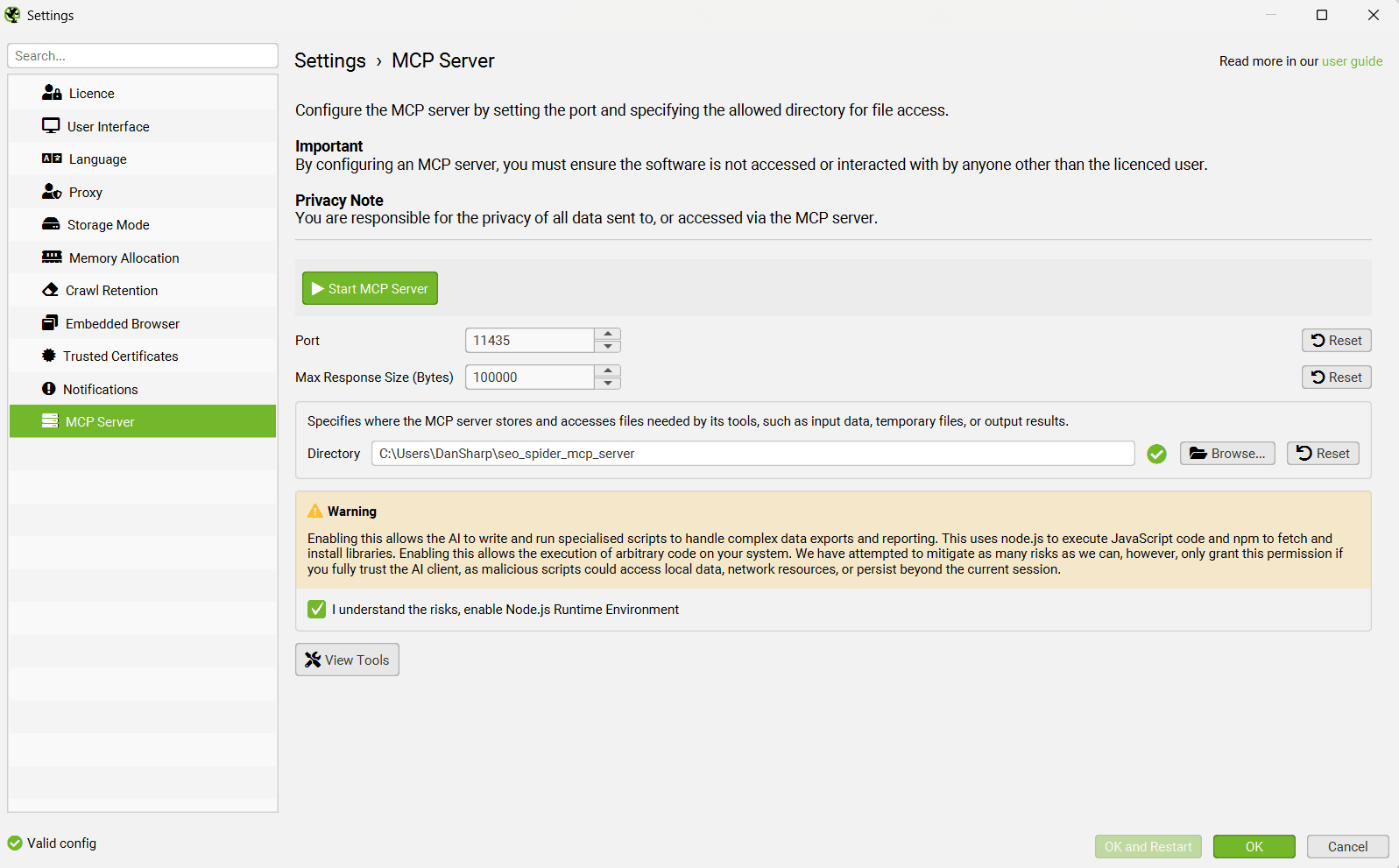
- Screaming Frog SEO Spider MCP (Model Context Protocol): A groundbreaking integration allowing users to connect the SEO Spider and Node.js directly into AI chat assistants such as Claude and LM Studio, enabling natural language crawl management, data querying, and visual manipulation.
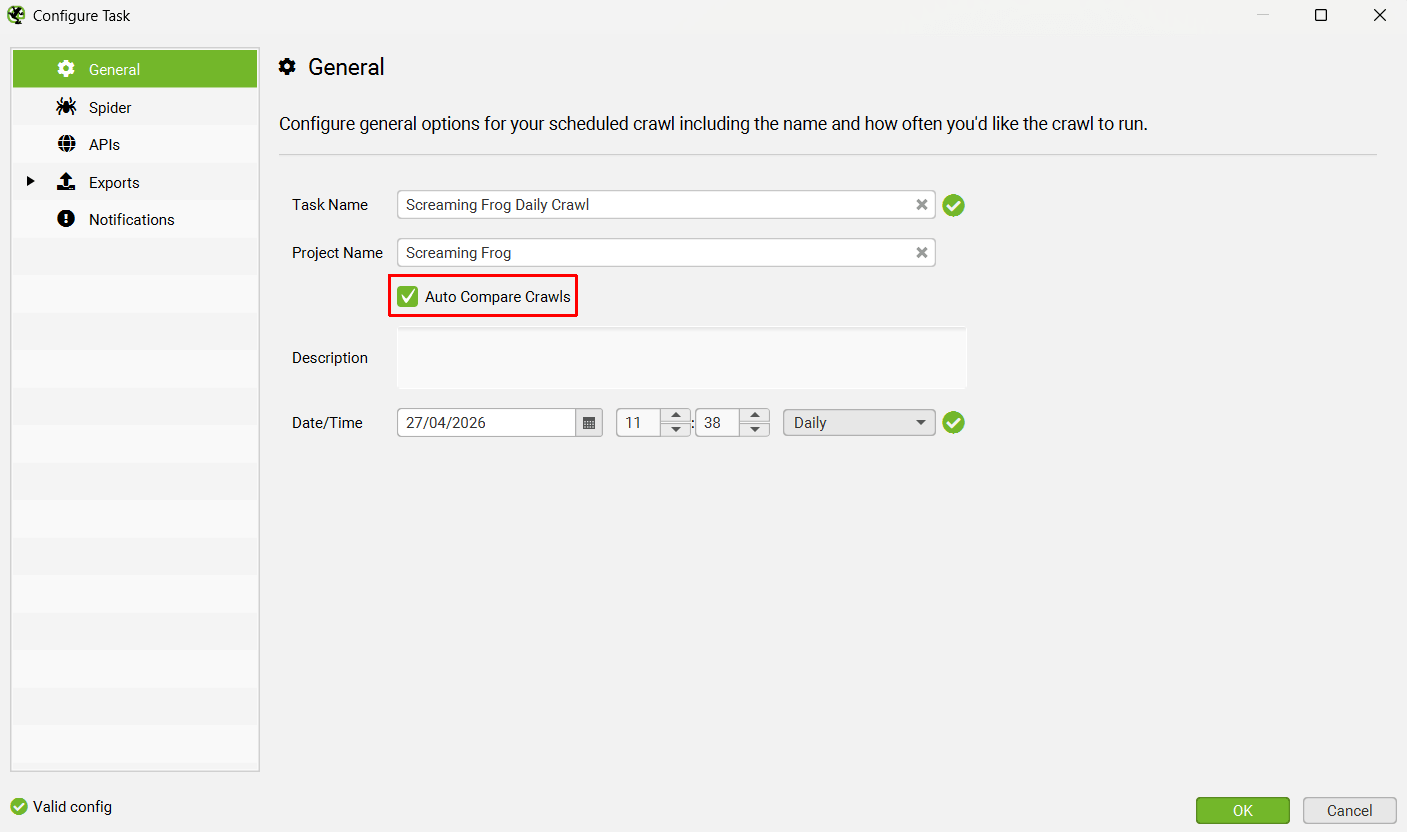
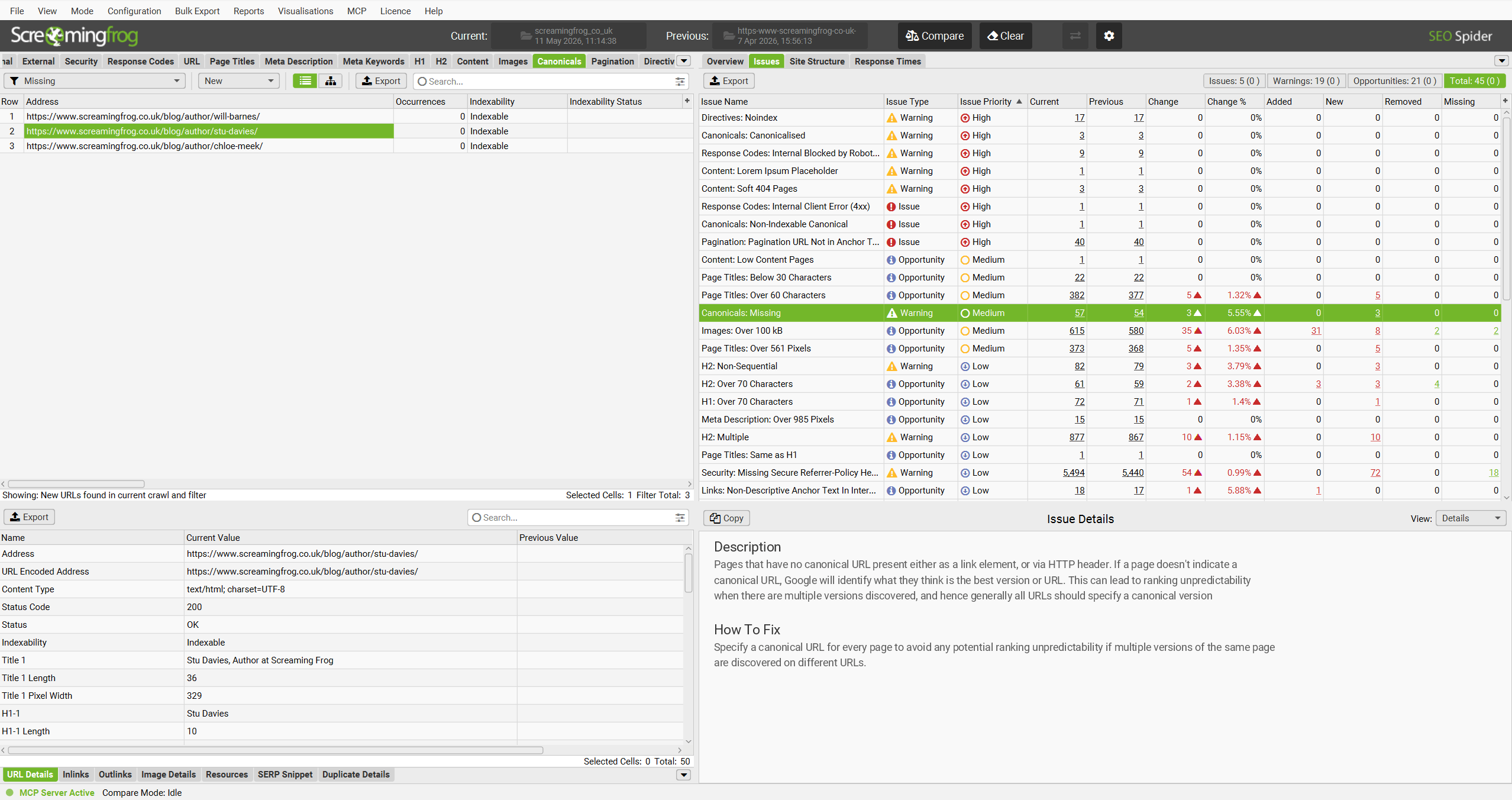
- Auto Compare Crawls: Scheduled and CLI-driven crawls can now automatically execute project-over-project comparative analyses, tracking variances without manual intervention.
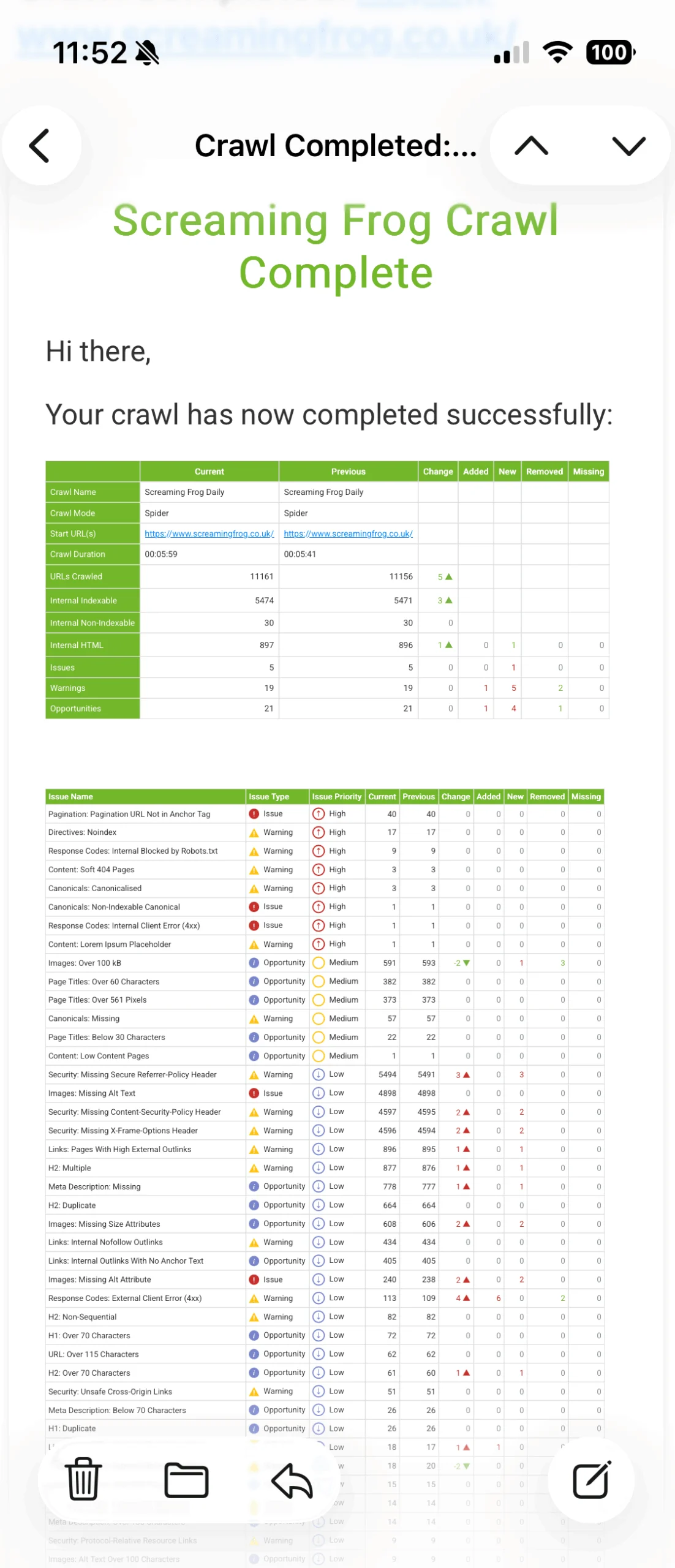
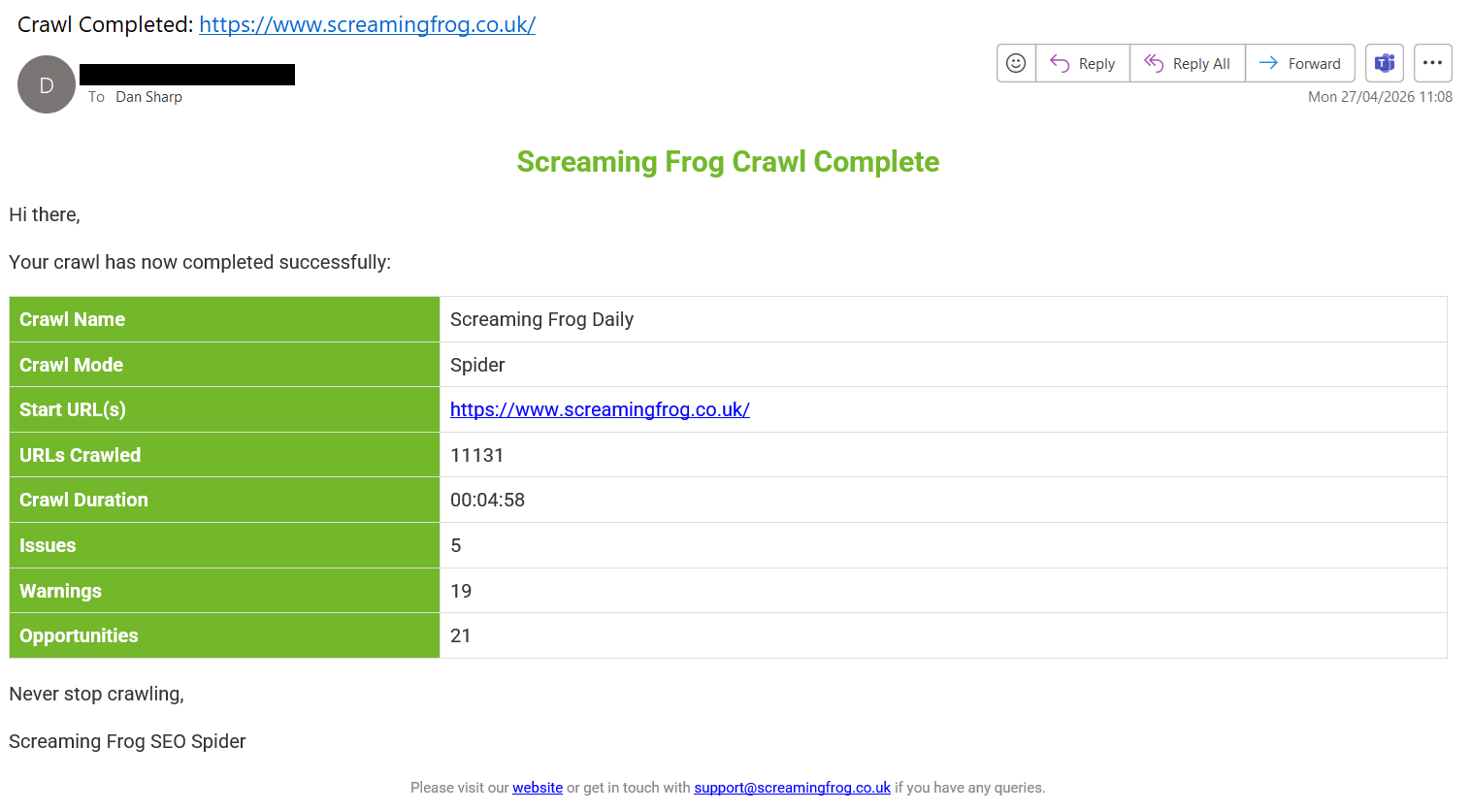
- Enhanced Email Notifications: Automated alerts now feature detailed breakdown tables of all crawl issues, alongside comparative diffs highlighting how metrics have shifted since the prior crawl.
- Export Attachments via Email: Scheduled tasks can now automatically zip and dispatch custom data reports (such as broken links or structural summaries) straight to stakeholders and developers.
- Uncrawlable Link Detection: A new dedicated filter and column isolate internal outlinks that violate standard hyperlink best practices (e.g., tags utilizing
<span>,<div>, orjavascript:functions). - Personal Usage Analytics: A localized telemetry tracker via the "Help" menu that logs historical crawl time and activity metrics.
Chronology of the Release Cycle
The rollout of the version 24 architecture reflects a systematic approach to software deployment, prioritized around a major feature drop followed by rapid bug-fixing sprints.
- May 2026 (Version 24.0): The primary release of "bolus" debuts globally, introducing the MCP server, automated comparisons, email export attachments, and uncrawlable link diagnostics.
- June 8, 2026 (Version 24.1): A minor patch deployment focused on resolving edge-case bugs and implementing incremental quality-of-life adjustments following early user feedback on the version 24.0 architecture.
- June 22, 2026 (Version 24.2): The second minor patch rollout addressing interface stability, command-line interface (CLI) execution improvements, and minor data export refinements.
- June 29, 2026 (Version 24.3): A third iterative release targeting fine-tuned parsing errors and ensuring seamless compatibility with newly updated Node.js environments required for the MCP server.
Supporting Data and Deep-Dive Technical Analysis
1. The SEO Spider MCP and AI Workflows
Perhaps the most forward-looking addition to version 24.0 is the implementation of the Model Context Protocol (MCP). By connecting the SEO Spider to local or cloud-based large language models via Node.js, technical SEO professionals can bypass traditional spreadsheet filtering for routine data interrogation.
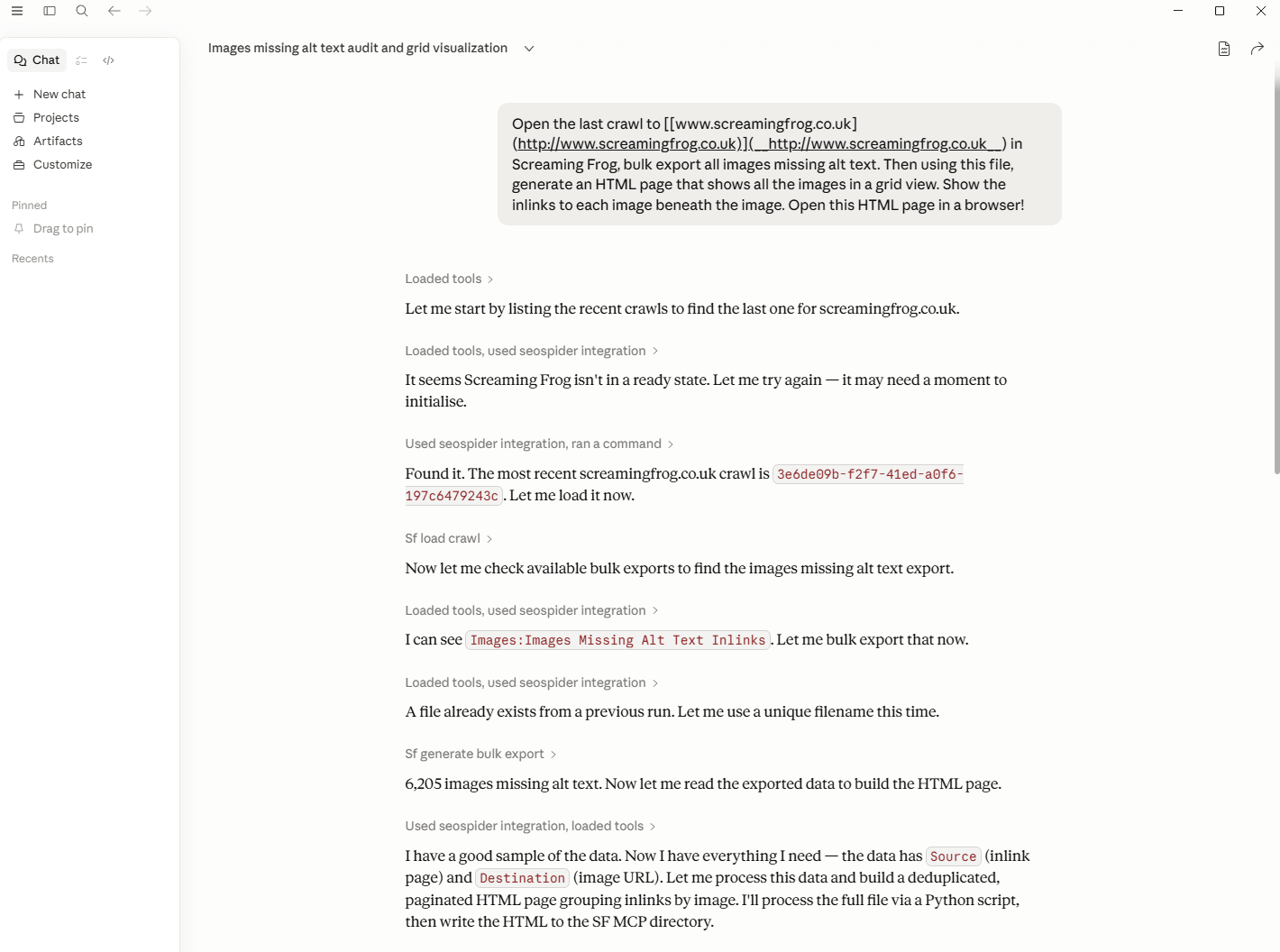
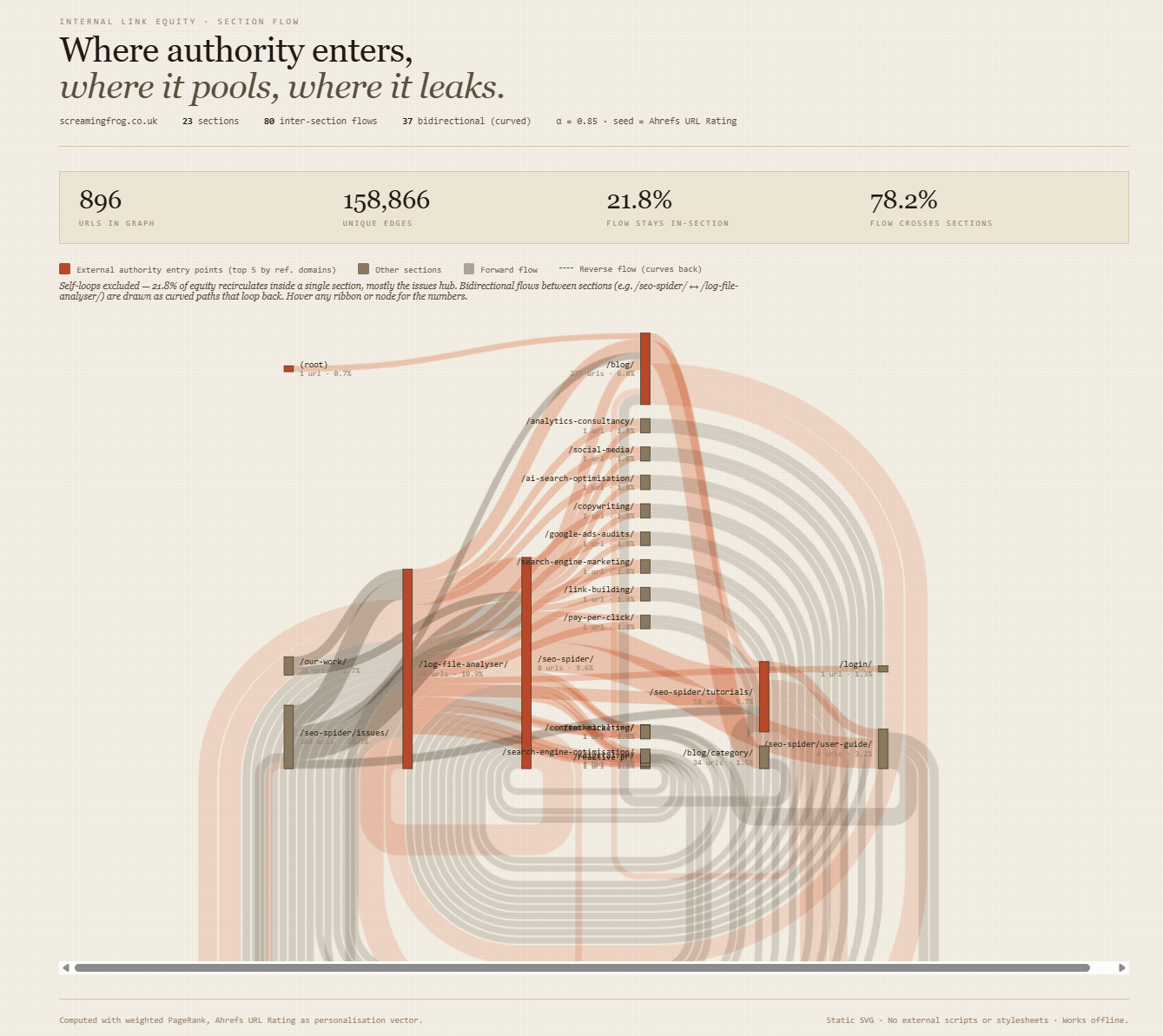
Rather than exporting large CSV datasets, pivoting tables, and generating charts manually, users can leverage natural language prompts within tools like Claude. For instance, an operator can command the chat assistant to execute a crawl, isolate specific cannibalization patterns, analyze internal link equity flow (such as integrations involving Ahrefs data), and construct interactive visual representation scripts automatically.
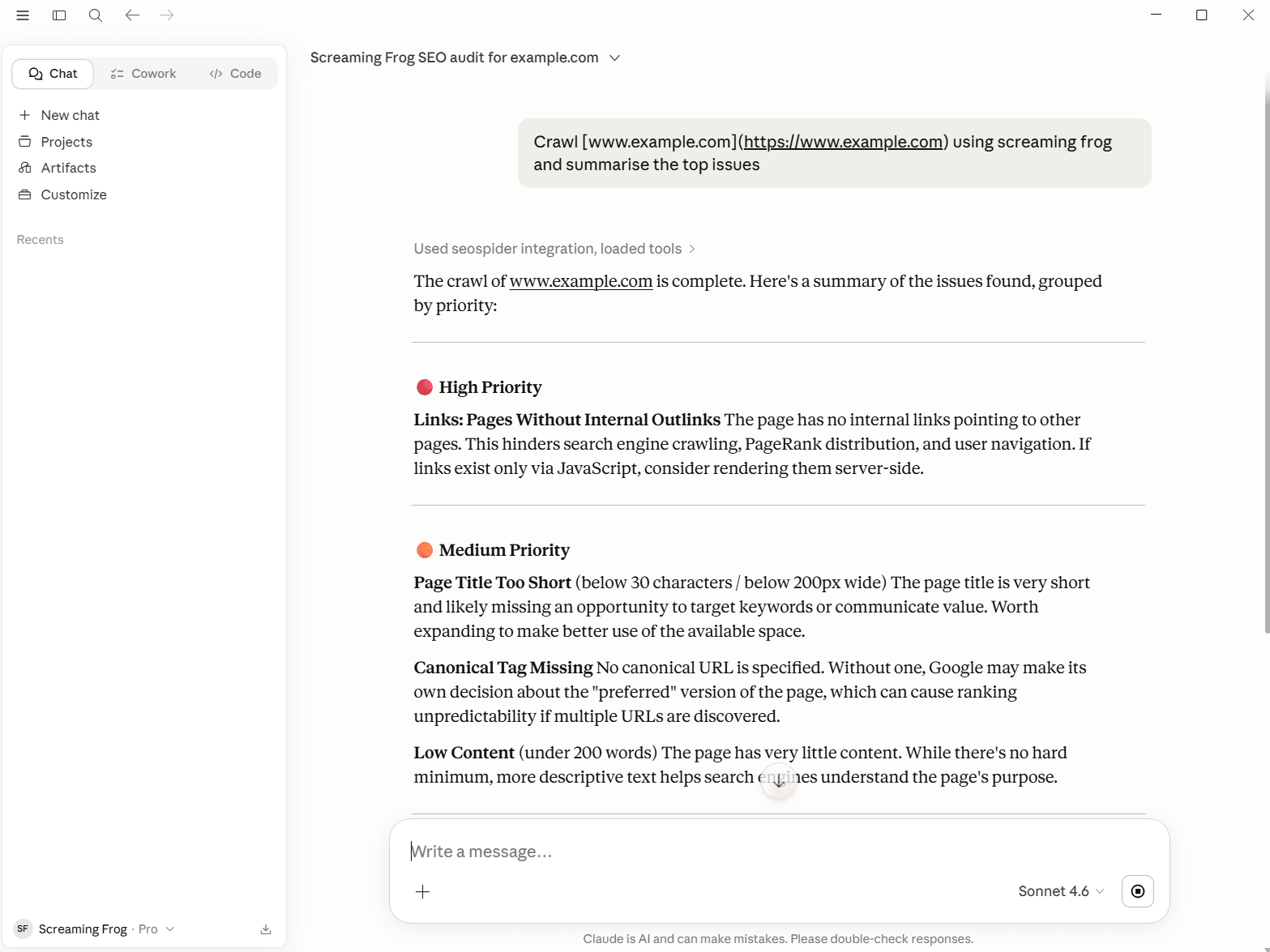
While Screaming Frog stresses that the MCP serves as an efficiency multiplier rather than a replacement for experienced human analysis, it drastically accelerates the initial data-crunching pipeline. Developers have noted that while not every granular feature of the SEO Spider is currently exposed via the MCP API, future expansions will be driven directly by community feedback.
2. Streamlining Continuous Monitoring: Auto Compare & Enhanced Notifications
For agencies managing large enterprise sites, regression testing and continuous monitoring are paramount. Previously, comparing crawls required manual selection of historical data sets. Version 24.0 automates this via the scheduled crawl task scheduler.
When "Auto Compare Crawls" is enabled, the SEO Spider automatically evaluates the dataset against the immediately preceding crawl. This data is pulled directly into the post-crawl email notification suite. Instead of receiving a static summary of total issues, SEOs and stakeholders now receive structured email notifications featuring a "diff" table.
This changelog-style alert system highlights immediate spikes in critical errors—such as a sudden surge in non-indexable URLs, disappearing title tags, or unexpected robots.txt blocking—long before anyone logs into the desktop application. Furthermore, the inclusion of zipped export attachments directly within these automated emails ensures that development teams receive targeted broken link reports or redirect audits right in their inboxes on a scheduled cadence.
3. Auditing Non-Standard Hyperlinks: Uncrawlable Internal Outlinks
With the introduction of the Pages With Uncrawlable Internal Outlinks filter under the Links tab, Screaming Frog has given auditors granular visibility into poorly coded site architectures.
Historically, SEOs relied on custom extractions to find instances where developers improperly nested hyperlinks inside non-anchor tags or executed navigation via JavaScript injections. The new tool flags elements that violate Google’s explicit link best practices, such as:
<span href="https://example.com"><div href="https://example.com"><a onclick="goto('https://example.com')"><a href="javascript:goTo('products')">
By enabling the "Store" parameter within the configuration menu (Config > Spider > Crawl), the SEO Spider maps these elements into a dedicated Link Crawlability column.
Nuance in Search Engine Parsing
Screaming Frog has issued a critical technical caveat regarding these findings: while these structural implementations are heavily discouraged and unreliable for passing PageRank and link equity efficiently, Googlebot will often still attempt to crawl them if they appear anywhere within the raw HTML.
Therefore, while these links may be technically "uncrawlable" from a standards compliance perspective, search engines may still attempt discovery. However, relying on these patterns risks indexation delays and erratic signal passing, making this new filter an invaluable tool for site cleanups.
4. Internal Telemetry: Usage Stats
Rounding out the major feature list is the new Usage Stats module (Help > Usage Stats). Stored locally for data privacy, this utility calculates historical crawl durations and operating metrics. While its practical application to core technical audits is negligible, it offers consultants and in-house teams empirical data on tool utilization, helping quantify software ROI across annual fiscal cycles.
Official Responses and Developer Insights
The development team at Screaming Frog has framed the version 24 release cycle as a direct response to the shifting paradigms of modern search engine optimization, where automation and rapid cross-departmental communication dictate technical success.
In official release documentation, the team emphasized that the integration of MCP architectures and automated email reporting was prioritized to alleviate administrative bottlenecks. "The goal of version 24 is to remove the friction between data collection and action," engineering notes indicate. "By pushing insights directly to stakeholders and allowing AI assistants to handle the data-wrangling phase, SEOs can focus on high-level strategy and remediation."
Regarding the iterative patches (versions 24.1 through 24.3), support staff confirmed that the swift deployment cadence was intentional to stabilize node integrations and refine memory allocation during heavy multi-threaded CLI crawls utilizing the new automated comparison algorithms.
Implications for the SEO Industry
The release of Screaming Frog SEO Spider version 24.0 marks a significant milestone in how desktop-based SEO software coexists with cloud AI ecosystems.
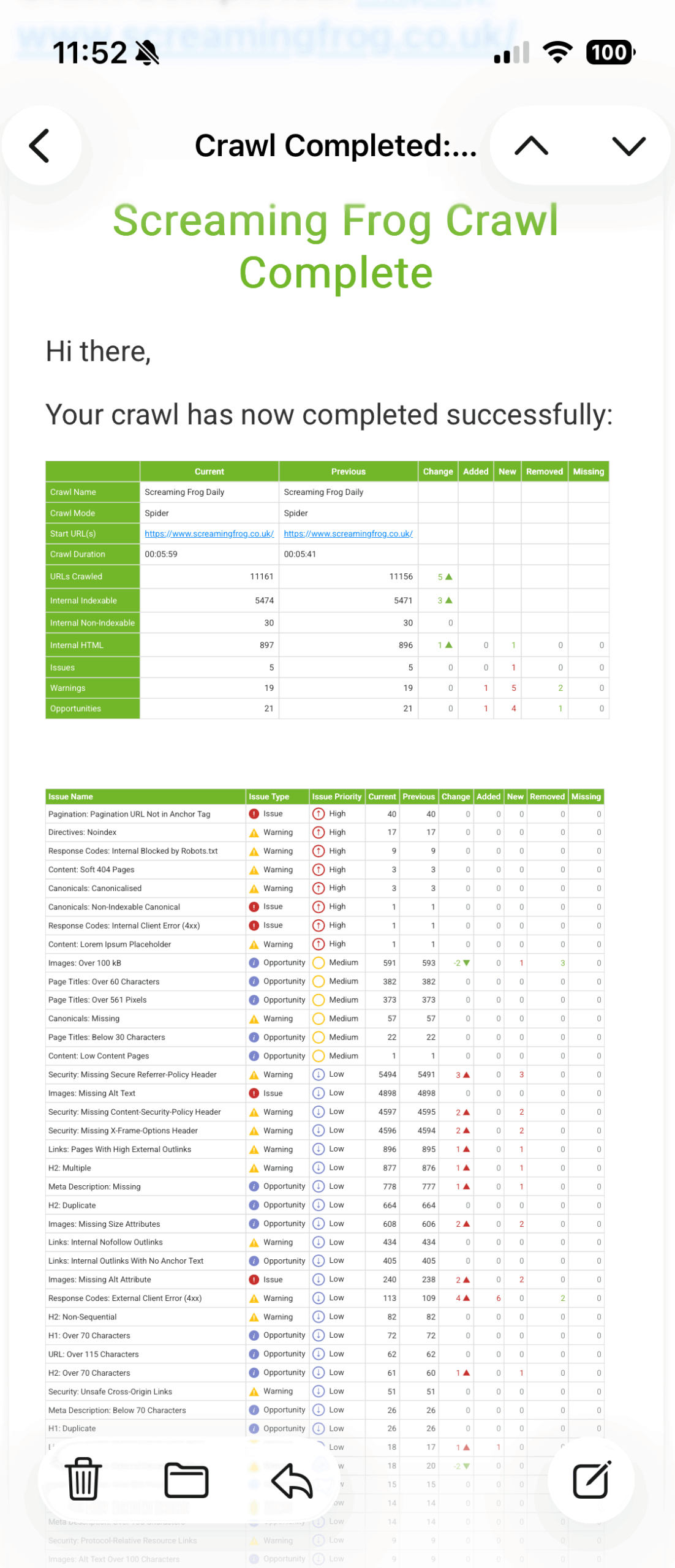
- Democratization of Technical Insights: By packaging complex crawl comparisons into automated, diff-based email notifications with direct file attachments, technical SEOs can better bridge the communication gap with non-technical stakeholders and front-end development squads. Issues are surfaced faster, reducing the window of vulnerability for site-breaking technical regressions.
- The Rise of Agentic SEO Auditing: The integration of the Model Context Protocol signals a broader shift toward conversational data analysis. Enterprise SEOs can now script, query, and visualize millions of crawled URLs using natural language interfaces, drastically reducing the time spent manipulating pivot tables and writing custom regex queries from scratch.
- Stricter Code Standards: The ability to natively flag non-standard HTML link wrappers forces a higher standard of frontend development. As search engines increasingly penalize messy architecture and unoptimized rendering paths, tools that isolate these anomalies at scale will become central to modern site migrations and core web health audits.
Existing users can update their software directly via the application interface or download the fresh installer packages via the official Screaming Frog website. Technical support and documentation for setting up the MCP server and automated email attachments are available through the platform’s official user guide portal.