





MOUNTAIN VIEW — Web development has long been characterized by a delicate balancing act: building cutting-edge user experiences while spending countless hours maintaining legacy codebases, writing custom polyfills, and engineering workarounds for cross-browser inconsistencies. While initiatives like Baseline have made immense strides in clarifying which web features are safely interoperable across all major browsers, friction remains.
To bridge these gaps, the industry relies heavily on Interop, a multi-vendor effort by browser makers and stakeholders to fix bugs and improve the implementation of web standards. With Interop 2027 proposals officially underway, developers have a rare window to influence browser vendors directly. However, identifying what features your specific codebase needs most can be a daunting, manual chore.
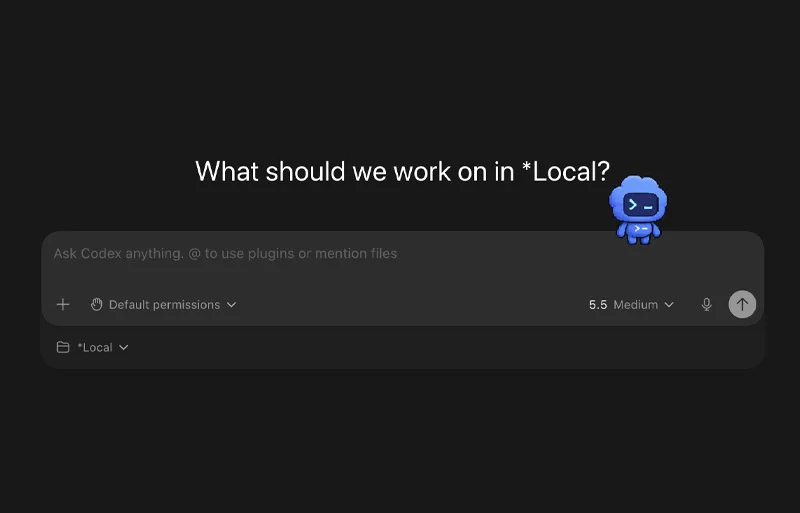
Enter the AI coding agent. By deploying specialized prompts directly within your terminal or integrated development environment (IDE), you can now audit your project’s technical debt, cross-reference it with open web platform proposals, and submit high-impact recommendations to the Interop 2027 initiative—all before the September 23 deadline.
Main Facts: The Interop 2027 Imperative and the AI Advantage
The core challenge facing the Interop 2027 cycle is scaling developer feedback. Historically, proposing or upvoting features for Interop required developers to manually comb through hundreds of GitHub issues in the web-platform-tests/interop repository, match them against their own project pain points, and manually format requests.
A new strategy proposed by web advocates—such as Jeremy Wagner in recent web.dev documentation published on September 18, 2026—suggests a paradigm shift: letting your AI coding agent do the heavy lifting.
What is Interop 2027?
Interop is a collaborative annual commitment by major browser engines (including Chromium, Gecko, and WebKit) to focus on a specific set of web platform features and test them rigorously. The goal is to eliminate cross-browser discrepancies so that developers can write code once and trust that it will run identically everywhere.
The AI-Assisted Audit Workflow
Instead of manually auditing your project for polyfills, wrapper libraries, and @supports CSS blocks, modern AI agents integrated with development toolchains can parse your codebase to pinpoint exactly where missing web platform features are forcing you to write redundant code.
By utilizing developer tools (such as DevTools Model Context Protocol (MCP) servers and GitHub CLI integrations), an AI agent can execute a precise three-step protocol:
- Project Scanning: Running Baseline feature audits and searching files for compatibility workarounds.
- Proposal Matching: Querying live GitHub repositories to find open focus-area proposals that align with your project’s technical debt.
- Gap Analysis: Identifying critical missing specifications that lack proposals yet, verifying their W3C/WHATWG maturity, and preparing structured submissions.
Chronology: The Roadmap to Interop 2027
Understanding the timeline of the Interop process is crucial for developers looking to make an impact. The journey from initial community brainstorming to browser engine implementation follows a strict seasonal cadence:
- Early September: The proposal period for the upcoming Interop year opens. Browser vendors and web developers begin submitting focus-area ideas on GitHub.
- September 18, 2026: Advanced workflows—such as using AI coding agents to automate the discovery of codebase-specific feature gaps—are formally introduced to help developers rapidly identify high-value proposals.
- September 23, 2026 (The Hard Deadline): The proposal submission window closes. Any feature requests or upvotes not registered by this date will not be considered for the initial drafting of the Interop 2027 focus areas.
- Late 2026: Committees review, debate, and filter proposals based on developer demand, implementation feasibility, and existing test coverage (WPT).
- January 2027: The final lineup of Interop 2027 focus areas is officially announced, setting the roadmap for browser engineering teams throughout the calendar year.
- Throughout 2027: Browser vendors execute updates, resolve bugs, and pass interoperability tests, moving features closer to universal Baseline status.
Supporting Data: The Cost of Incompatibility and the Efficiency of AI
Quantifying the impact of web platform gaps is essential for prioritizing which features deserve attention in Interop 2027. While legacy codebases vary wildly in size, industry data consistently highlights the hidden tax of browser fragmentation.
The Technical Debt Burden
- Polyfill Overhead: Studies on bundle sizes indicate that up to 12% of total JavaScript payloads in enterprise applications are dedicated to polyfills and compatibility wrappers that bridge features missing in specific browser engines.
- Maintenance Velocity: Development teams report spending an estimated 15% to 20% of their sprint cycles debugging browser-specific rendering bugs or writing CSS
@supportsfallbacks. - The Proposal Volume Challenge: Historically, the
web-platform-tests/interoprepository handles hundreds of proposals each cycle. Manually parsing these issues to find relevance for a specific e-commerce site, SaaS platform, or mobile web app can take tens of hours of engineering time—time that is largely saved by automating the review with an AI coding agent.
The AI Prompt Blueprint
To capture this data effectively from your own environment, developers are utilizing standardized prompt templates. Below is the reference prompt engineered for terminal-based coding agents:
Audit this codebase for Interop 2027 alignment:

1.  **Scan the Project**:
   -   Run a Lighthouse "Baseline Features" audit using DevTools MCP.
   -   Scan files for polyfills, wrapper libs, `@supports` blocks, and custom JS workarounds.

2.  **Match open proposals**:
    -   Fetch open proposals using `gh issue list -R web-platform-tests/interop -l focus-area-proposal -s open`.
    -   List proposals that directly match features used or would be using if not for compat issues.

3.  **Find Unproposed Gaps**:
    -   Identify platform features we need that lack an Interop 2027 proposal.
    -   Verify each candidate has a stable spec (W3C/WHATWG), ≥1 engine implementation, WPT tests, and no vendor blockers.
    -   Refer to https://github.com/web-platform-tests/interop/blob/main/proposal_guide.md for more information on what makes a good proposal.

**Output**: A summary table of **Proposals to Upvote** (with estimated code/libs eliminated) and **Vetted Features to Propose** (with spec/WPT links). Sort both tables by highest impact in descending order, with impact measured as estimated code/libs eliminated.
When executed, this prompt transforms an unstructured codebase review into actionable, mathematically prioritized insights, sorting recommendations by the sheer volume of redundant code they will allow teams to delete.
Official Responses: Industry Reception and Browser Vendor Perspectives
The integration of automated tooling into web standards advocacy has garnered widespread attention from both standards bodies and developer communities.
Browser vendors—including representatives from Google Chrome, Mozilla Firefox, Apple Safari, and Microsoft Edge—have long emphasized that community feedback is only as good as its specificity. Vague requests for "better CSS support" or "faster JavaScript" historically provided little guidance to engineering teams.
What Standards Bodies Say
Representatives involved in the Web Platform Tests (WPT) project have praised data-driven proposals. When developers submit feature requests backed by concrete codebase metrics—such as the exact number of polyfills rendered obsolete or the specific lines of wrapper code that can be deleted—browser vendors can far more accurately assess real-world utility.
Furthermore, standards organizations point out that proposals meeting the rigorous criteria outlined in the Interop proposal guide (stable specifications, existing test suites, and clear implementation paths) drastically shorten the runway required to turn a feature proposal into a shipping web standard.
Developer Advocacy and the Shift to AI
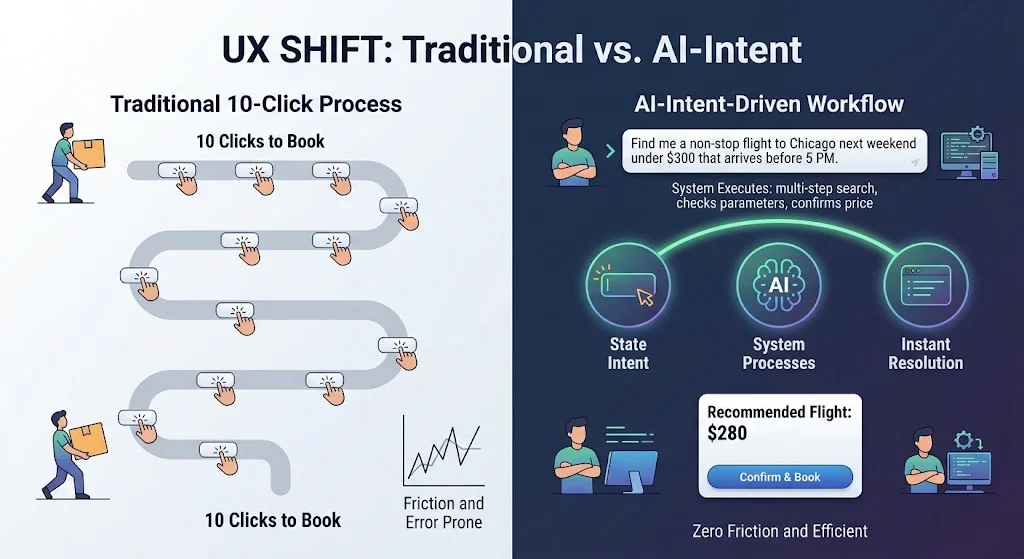
Industry analysts note that empowering coding agents to act as intermediaries between local project codebases and global web standards repositories represents a fundamental maturation of AI tooling. Rather than merely writing boilerplate code or debugging syntax errors, AI agents are now participating directly in the governance and evolution of the web platform ecosystem.
Implications: What Interop 2027 Means for the Future of Web Development
The convergence of AI-driven code auditing and collaborative multi-vendor standards efforts like Interop 2027 carries profound implications for the web development landscape over the next decade.
1. Accelerated Death of Polyfills
As coding agents make it frictionless for millions of developers to identify and upvote missing platform capabilities, browser vendors receive unprecedented signal clarity on which gaps hurt developers the most. This feedback loop accelerates the standardization and implementation of features, leading to a future where heavy polyfill libraries become entirely obsolete.
2. Democratization of Standards Contribution
Historically, participating in web standards discussions was the exclusive domain of senior architects, browser engineers, and large tech enterprises with dedicated developer advocacy teams. By utilizing AI agents to draft proposals, analyze specifications, and verify Web Platform Tests compliance, individual developers and smaller agencies can now easily contribute high-quality, data-backed proposals to the global web platform.
3. Cleaner, More Maintainable Codebases
The ultimate promise of Interop 2027—and the AI workflows supporting it—is the reduction of accidental complexity. By purging custom JS workarounds and CSS hacks in favor of fully interoperable native features, web applications will become lighter, faster to load, and significantly easier to maintain.
Conclusion
The deadline for Interop 2027 proposals is September 23. If your team is tired of maintaining legacy codebases filled with brittle workarounds, now is the time to act. By deploying an AI coding agent to audit your project, you can instantly translate your day-to-day development frustrations into precise, high-impact proposals that help shape the future of the open web.
Audit your code, review the open proposals, and make your voice heard before the window closes.