










Main Facts The web development landscape experienced a massive wave of standardization, developer experience improvements, and native platform capabilities throughout July 2026. Major browser vendors—including Google Chrome, Mozilla Firefox, and Apple Safari—rolled out a comprehensive suite of stable updates and beta previews. At the forefront of the July 2026 stable cycle are Chrome 151, Firefox […]
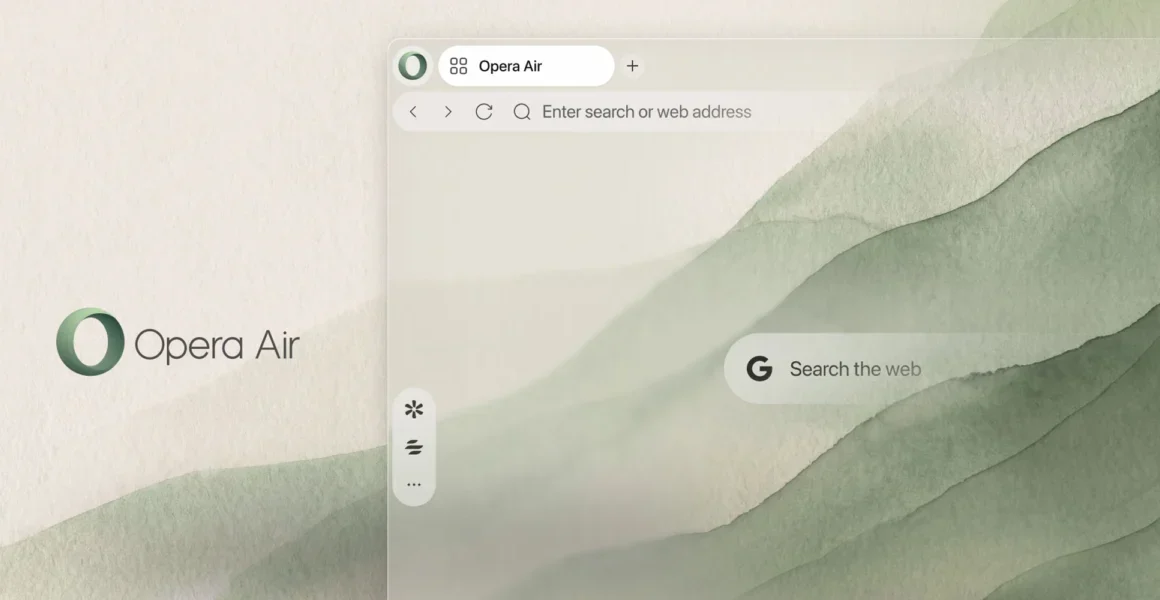
Finding Calm in the Chaos: Opera Relaunches ‘Opera Air,’ the Mindful Web Browser Designed to Combat Digital Burnout
In an era defined by endless notifications, infinite scrolls, and perpetual connectivity, the modern web browser has often felt less like a tool for productivity and more like a gateway to digital exhaustion. Recognizing this growing fatigue, Opera is officially relaunching Opera Air, a web browser conceptualized around a radically different premise: mindfulness. Originally announced […]
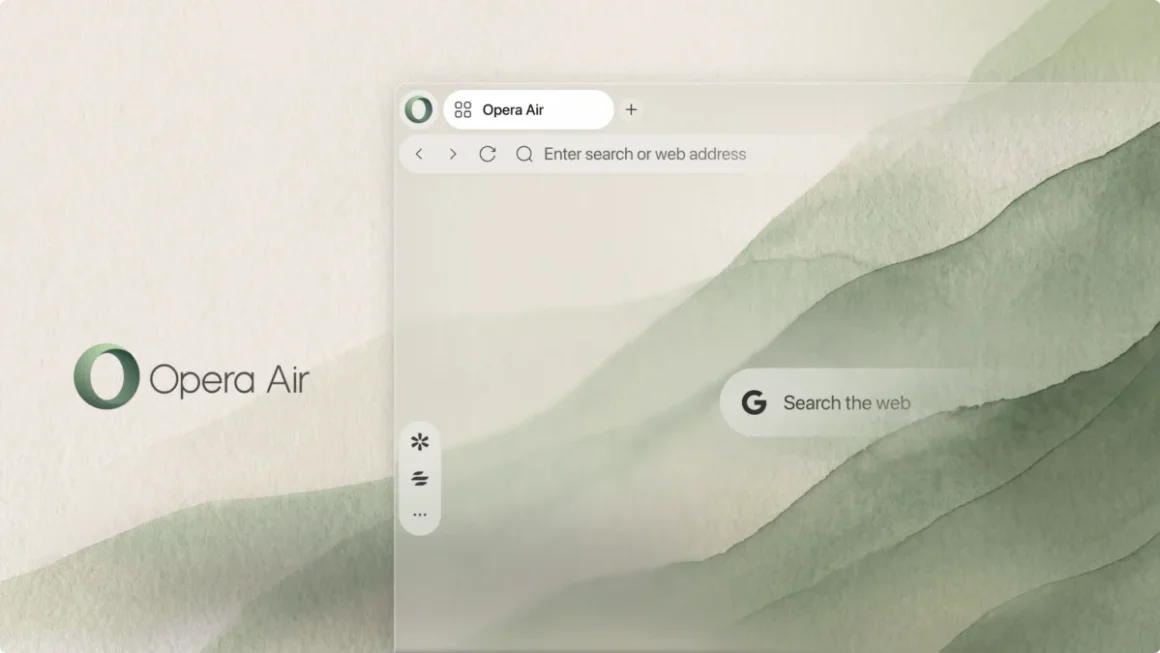
Opera Rereleases Its "Calm" Web Browser, Air: A Minimalist Antidote to Feature Fatigue
October 15, 2026 By Simon Batt (Enriched and Expanded Edition) In an era where modern web browsers increasingly resemble bloated operating systems, Opera is doubling down on its philosophy of digital minimalism. Following its initial debut in early 2025, the Norwegian software company has officially announced the re-release of Opera Air, a web browser engineered […]

The Web Platform in August 2026: Major Stable Releases, New Baseline Standards, and Browser Betas
As the summer of 2026 draws to a close, web developers have received a powerful array of new tools, APIs, and CSS features. August 2026 marked a significant milestone for cross-browser interoperability, driven by key stable releases in major browsers and an influx of capabilities achieving "Baseline Newly available" status. With stable deployments rolling out […]

The Sovereignty Shift: Mozilla Launches Firefox Enterprise to Reclaim the Browser as an IT Bastion
In an era where the web browser has evolved from a simple navigational tool into the primary operating environment for the modern workforce, the question of who truly controls that environment has become paramount. As enterprises pivot away from the consolidation of the past decade, Mozilla—the steward of the open-source Firefox project—has launched Firefox Enterprise. […]

The State of the Web: September 2026 Browser Releases and Baseline Milestones
Published: October 2, 2026 Author: Rachel Andrew Main Facts The web development landscape experienced a seismic shift throughout September 2026, driven heavily by the transition of major browser vendors into accelerated, bi-weekly release cadences. This new velocity means that developers are no longer waiting quarters for transformative web capabilities to hit stable channels; instead, features […]

Digital Deadlocks: Understanding the Difference Between Windows SSL State and Browser Cache
In the modern digital landscape, the "lock icon" in your browser’s address bar is the universal symbol of trust. It signifies that your connection is encrypted, private, and secure. However, what happens when that trust feels "stuck"? When a website updates its security credentials, or a page refuses to render the latest design updates, users […]
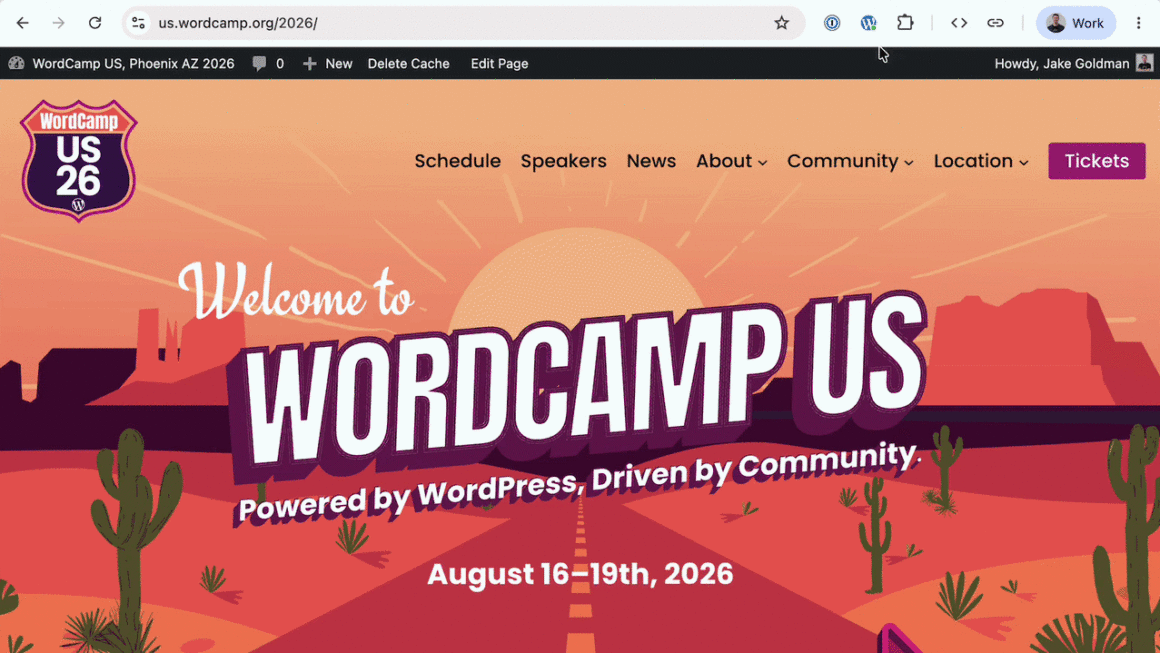
The WordPress Ecosystem Expands: Official Browser Extension Launches for Chrome and Safari
Main Facts: A New Tool for Creators and Developers The WordPress project has officially released the WordPress Browser Extension, a powerful, open-source utility designed to streamline the workflows of site administrators, content creators, and developers. Available immediately for Google Chrome and Chromium-based browsers via the Chrome Web Store, as well as for Apple’s Safari on […]
Interop 2026 Officially Announced: Major Browser Engines Unite to Solve Top Web Developer Pain Points
Published: February 12, 2026 Author: Rachel Andrew In a major collaborative milestone for the future of the internet, major stakeholders across the web ecosystem have officially announced Interop 2026. This landmark cross-industry initiative brings together key representatives from organizations driving the web forward—including Apple, Google, Igalia, Microsoft, and Mozilla—with a singular mandate: to dramatically increase […]
Embracing Controlled Chaos: The Rise of Native CSS Randomness and a New Cross-Browser Polyfill
In an era where web design often leans heavily toward strict alignment, predictable grids, and pixel-perfect automation, a fascinating counter-movement is taking shape: the introduction of controlled chaos. From generative user interfaces to probabilistic web design, developers are rediscovering the beauty of the unpredictable. This philosophy mirrors themes found far beyond computer science. In Michael […]