A decade ago, launching a professional-grade website was a formidable barrier to entry for most entrepreneurs. It required either a significant capital investment for professional developers or a steep, months-long learning curve in HTML, CSS, and JavaScript. Today, the landscape of the internet has undergone a seismic shift. The emergence of generative AI website builders has democratized web design, allowing users to go from a simple conversational prompt to a fully functional, aesthetic, and responsive website in a matter of minutes.
Main Facts: The New Era of No-Code Development
The core of this transformation lies in generative AI, a technology purpose-built to interpret human intent and translate it into complex technical structures. Unlike traditional website builders that force users to navigate complex, blank-canvas interfaces, AI website builders act as intelligent co-pilots.
An AI website builder is not merely an automation script for blog posts or site maintenance. It is a sophisticated engine that generates complete page layouts, proposes color palettes, suggests typography, and even drafts site copy based on the specific industry, target audience, and business goals provided by the user. By removing the "blank page syndrome," these tools empower users to focus on brand identity and strategy rather than the intricacies of syntax or server-side configurations.
Chronology: The Evolution of Web Creation
To understand the magnitude of this shift, one must look at the progression of web development:
- The Manual Era (Pre-2010s): Building a site required manual coding or expensive enterprise software.
- The CMS and Template Era (2010–2020): WordPress, Wix, and Squarespace introduced templates and drag-and-drop interfaces, significantly lowering the barrier but still requiring significant time to configure.
- The AI-Native Era (2025–Present): The current landscape, where the AI doesn’t just provide a template—it builds a bespoke site foundation based on user-provided context.
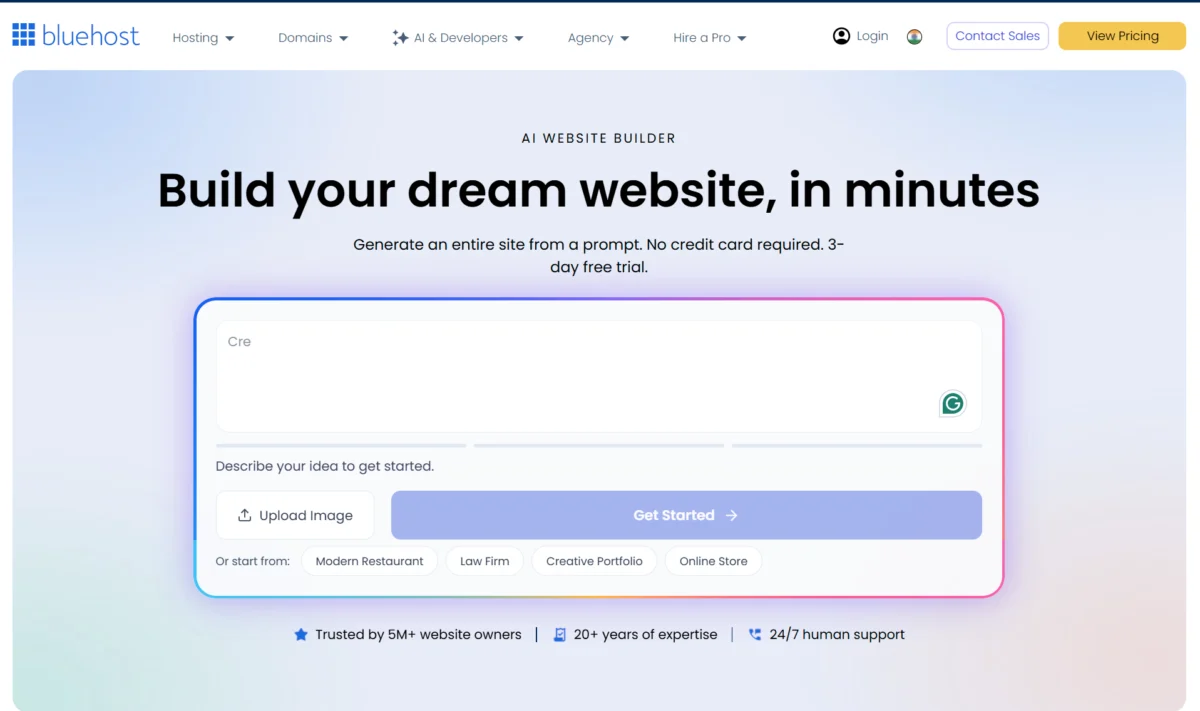
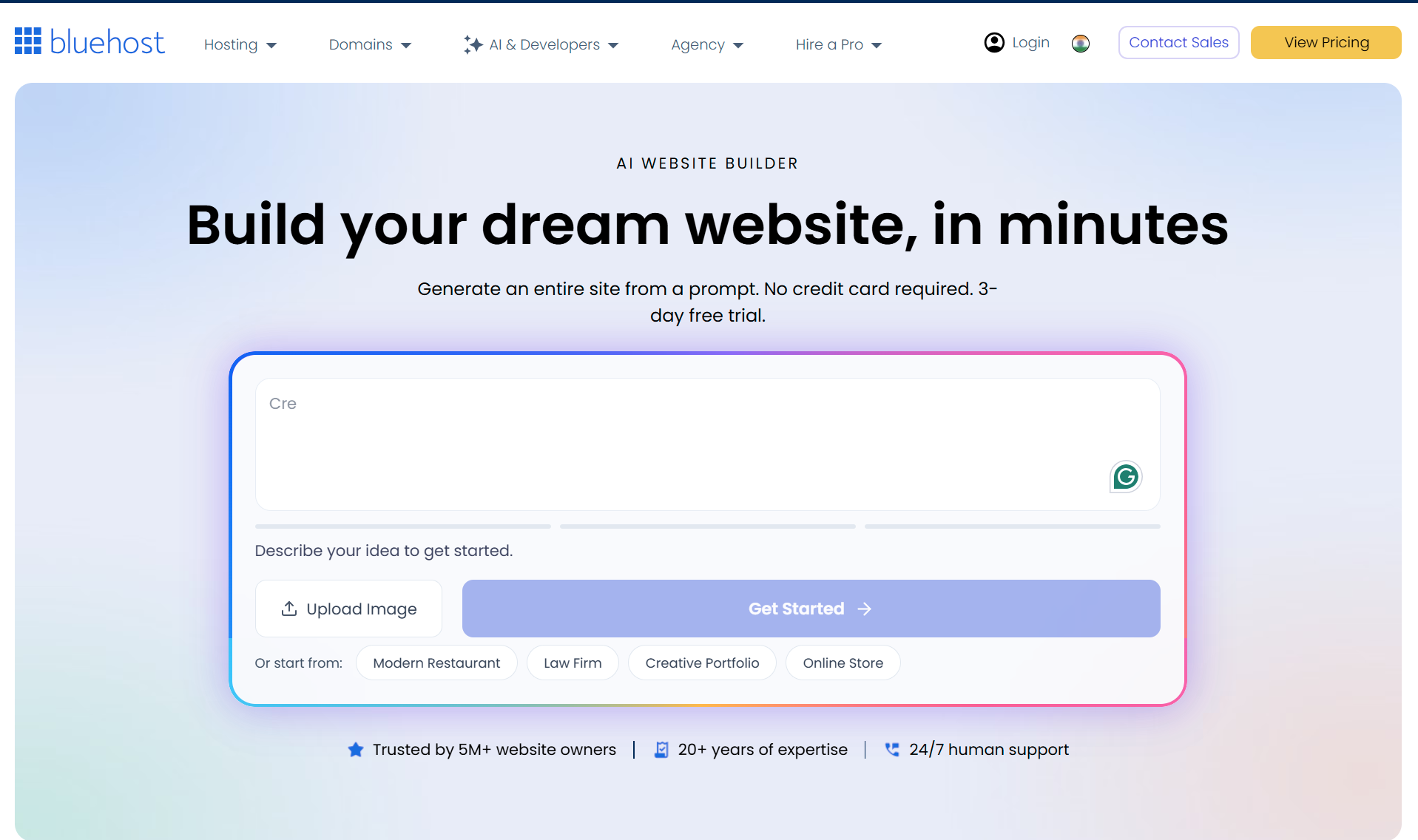
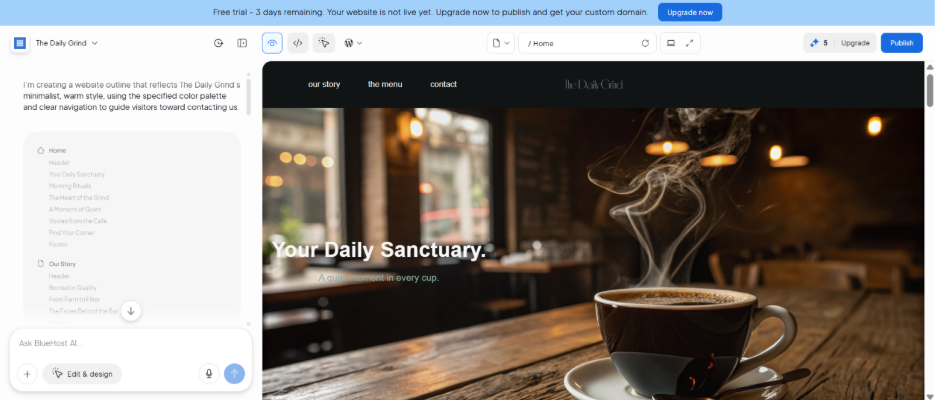
The process is now refined into a standard three-step workflow:
- Prompt and Response: The user provides context—industry, brand style, and core objectives.
- Automated Generation: The engine synthesizes this data into a cohesive structure, complete with draft copy and image suggestions.
- Visual Refinement: The user leverages a visual editor to polish the "first draft," ensuring the final output is uniquely theirs.
Supporting Data: Market Growth and Adoption
The transition toward AI-powered web creation is not a passing trend; it is a fundamental shift in the global digital economy. According to market research from Custom Market Insights, the global AI-powered website builder market is projected to skyrocket from approximately $3.41 billion in 2026 to $14.78 billion by 2035. Precedence Research offers an even more aggressive forecast, suggesting the valuation could reach $17.4 billion within the same timeframe.
This rapid expansion is driven by the urgent need for small-to-medium enterprises (SMEs) to digitize their operations without the high overhead costs of traditional web development agencies. Businesses are increasingly prioritizing speed-to-market, and AI offers a way to bypass weeks of development time while maintaining professional design standards.
Official Perspectives: The Philosophy of Simplicity
Industry leaders argue that this technology is about more than just convenience; it is about accessibility. Sachin Puri, CEO of Bluehost, has frequently highlighted that the true value of AI lies in "removing complexity for users." By stripping away the technical hurdles, AI allows creators to focus on their primary objective: scaling their business and engaging with their audience.
This sentiment is echoed by experts in the WordPress ecosystem, who emphasize that while AI handles the heavy lifting, the human element—strategic SEO, brand storytelling, and user experience—remains the differentiator between a generic site and a successful brand.
Implications: The "Vibe Coding" Paradigm
The rise of "vibe coding"—a term describing the ability to build sophisticated digital products by describing them in plain English—has profound implications for the future of the internet.
Faster Launches with Less Effort
The most immediate impact is the drastic reduction in time-to-market. A project that historically took weeks of coordination between designers and developers can now be drafted in a single afternoon. This allows for rapid prototyping, enabling business owners to pivot their strategies in real-time based on live data.
Smarter Context Awareness
Unlike legacy builders that offer "one-size-fits-all" templates, modern AI tools use context awareness. A restaurant’s digital presence requires high-quality imagery and reservation functionality, while a personal portfolio requires a clean, minimalist layout. By analyzing the industry, AI builders tailor the structural hierarchy to suit the specific needs of the niche.
SEO-First Architecture
Perhaps the most significant implication is the integration of SEO from the ground up. Platforms like Bluehost, which leverage WordPress, often integrate SEO tools like Yoast SEO directly into the builder. This ensures that the generated site isn’t just a static page, but an optimized digital asset ready to compete in search engine results pages (SERPs) from day one.
Strategic Best Practices for AI-Generated Sites
While AI facilitates the build, the long-term success of a website requires human oversight. Here are the essential pillars for managing an AI-built site:
1. The Human Touch in Content
AI is proficient at pattern recognition, which means it can occasionally generate generic or "robotic" copy. It is imperative to review all generated content to ensure it reflects your specific brand voice. Incorporate customer testimonials, personal anecdotes, and industry-specific expertise that the AI cannot replicate.
2. Rigorous Technical Verification
Before hitting "publish," perform a technical audit. Ensure your XML sitemap is active, metadata is customized, and that no important pages are blocked by accidental settings. Utilize tools to ensure your site is mobile-responsive and accessible to users with disabilities—a critical requirement for modern web standards.
3. Continuous Optimization
A website is a living entity. Once live, use analytics to track user behavior. Regularly update your content, fix broken links, and revisit older blog posts to keep information fresh. The advantage of using a robust CMS like WordPress is that you are not locked into a proprietary system; you have the freedom to scale your site as your audience grows.
4. Security as a Priority
Do not neglect the backend. Ensure your site utilizes SSL encryption, maintains regular backups, and employs a Content Delivery Network (CDN) to optimize performance. Relying on reputable hosting providers that offer managed WordPress support ensures that these security layers are maintained without constant manual intervention.
Conclusion: Building for the Future
The barrier to entry for building a world-class website has officially crumbled. Whether you are a small business owner, a freelancer, or an aspiring creator, the path from idea to live domain is now a matter of thoughtful prompting and intentional refinement.
By embracing AI as a foundation, you can bypass the tedious, technical drudgery of traditional development and dedicate your energy to what truly moves the needle: content, community, and commerce. The tools are here, the market is ready, and the digital landscape is waiting for your contribution. Start with a prompt, personalize the vision, and watch your business thrive in the AI-powered digital age.