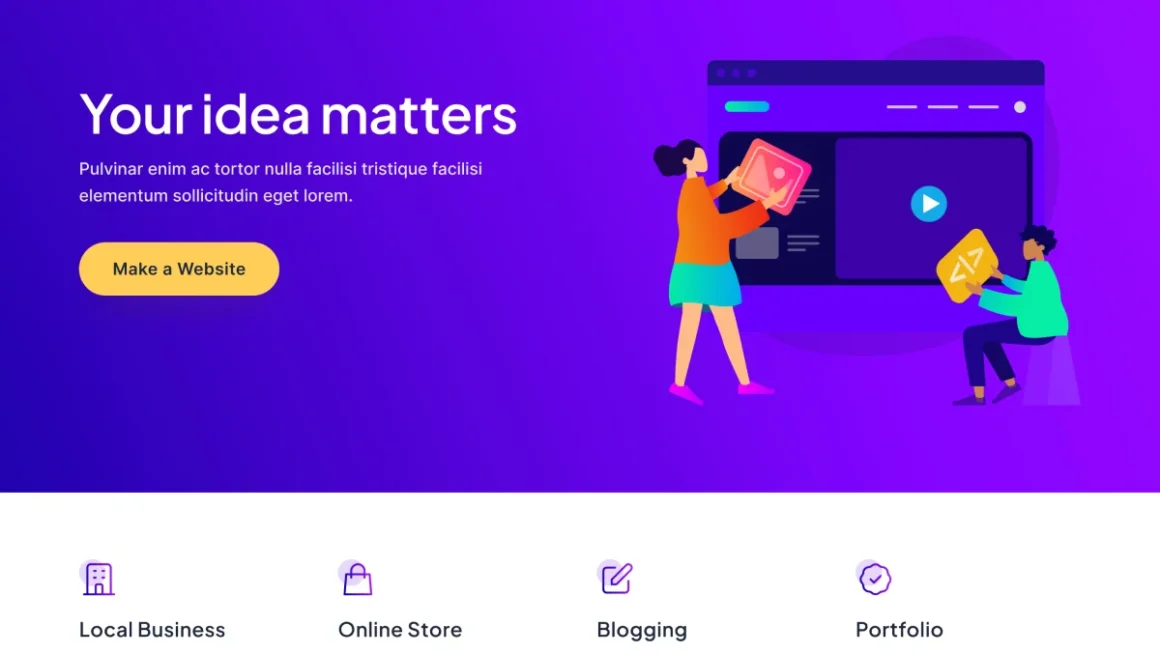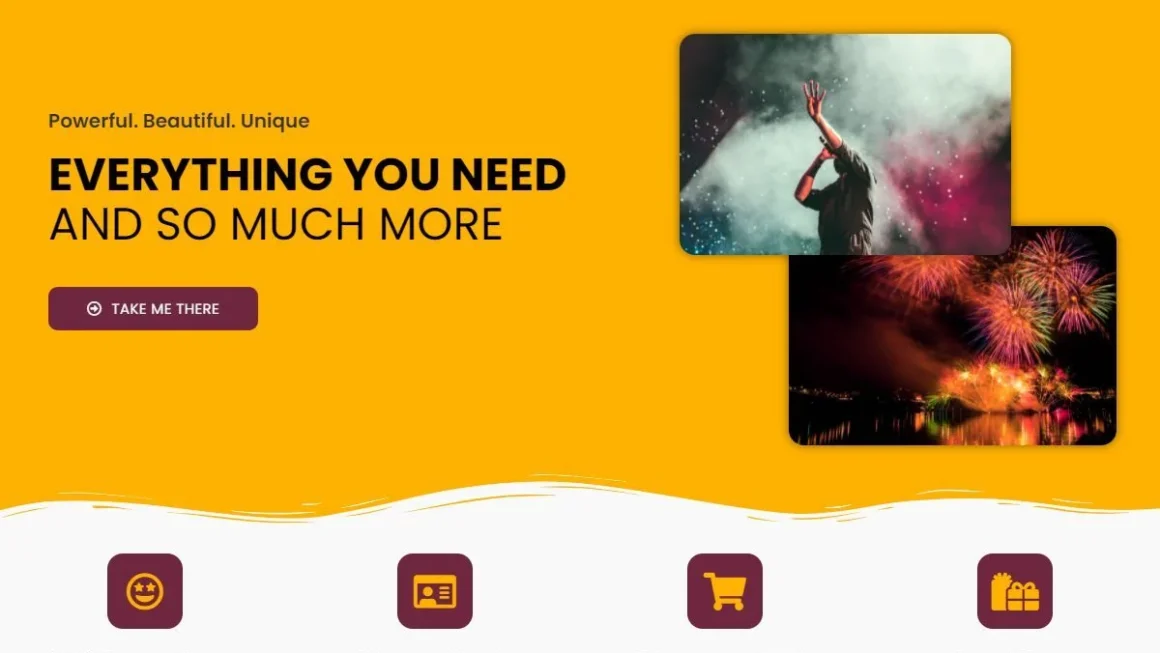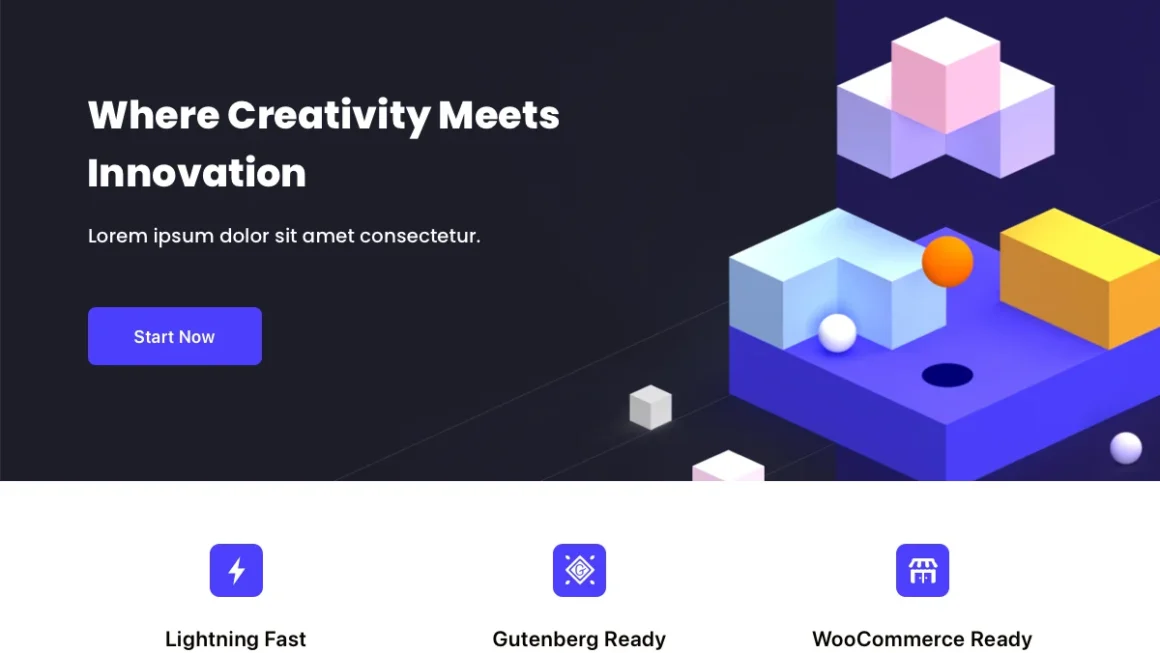









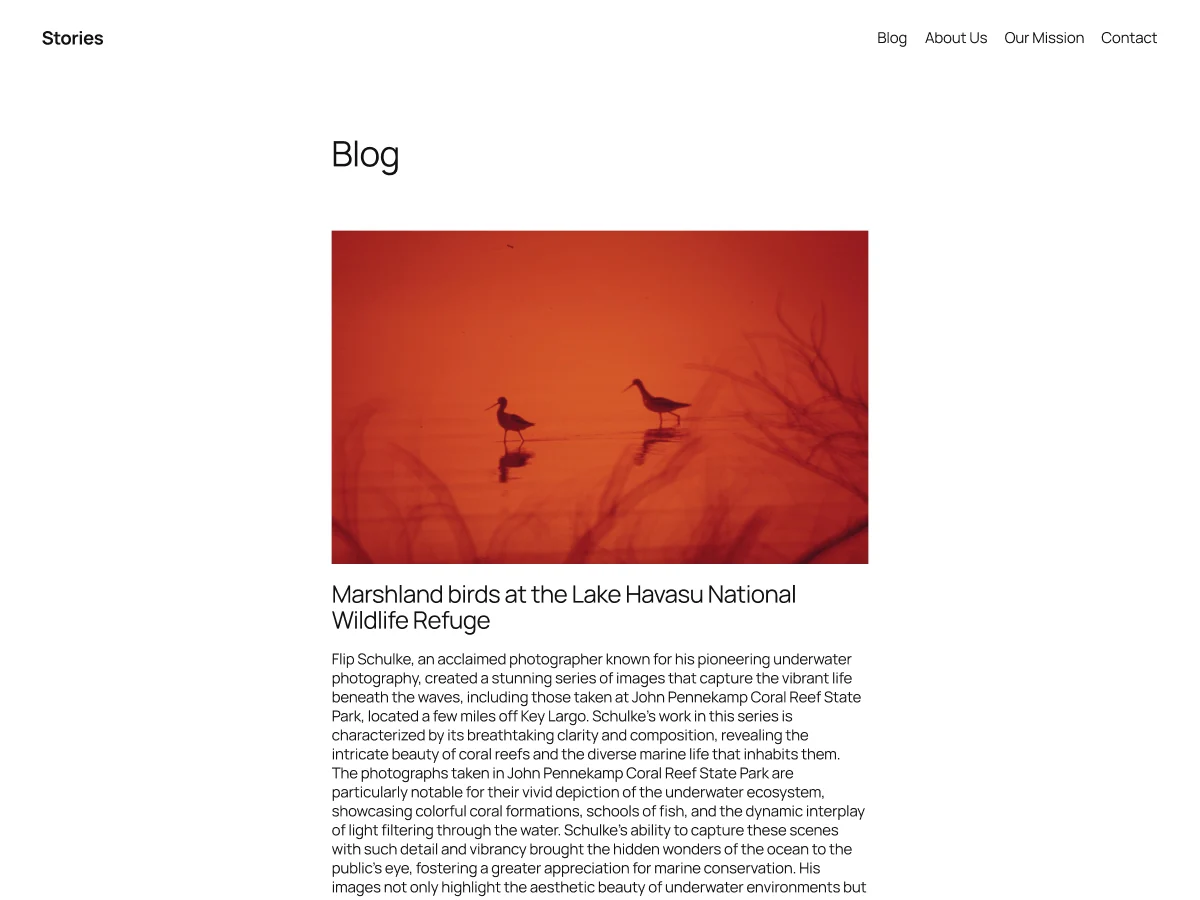
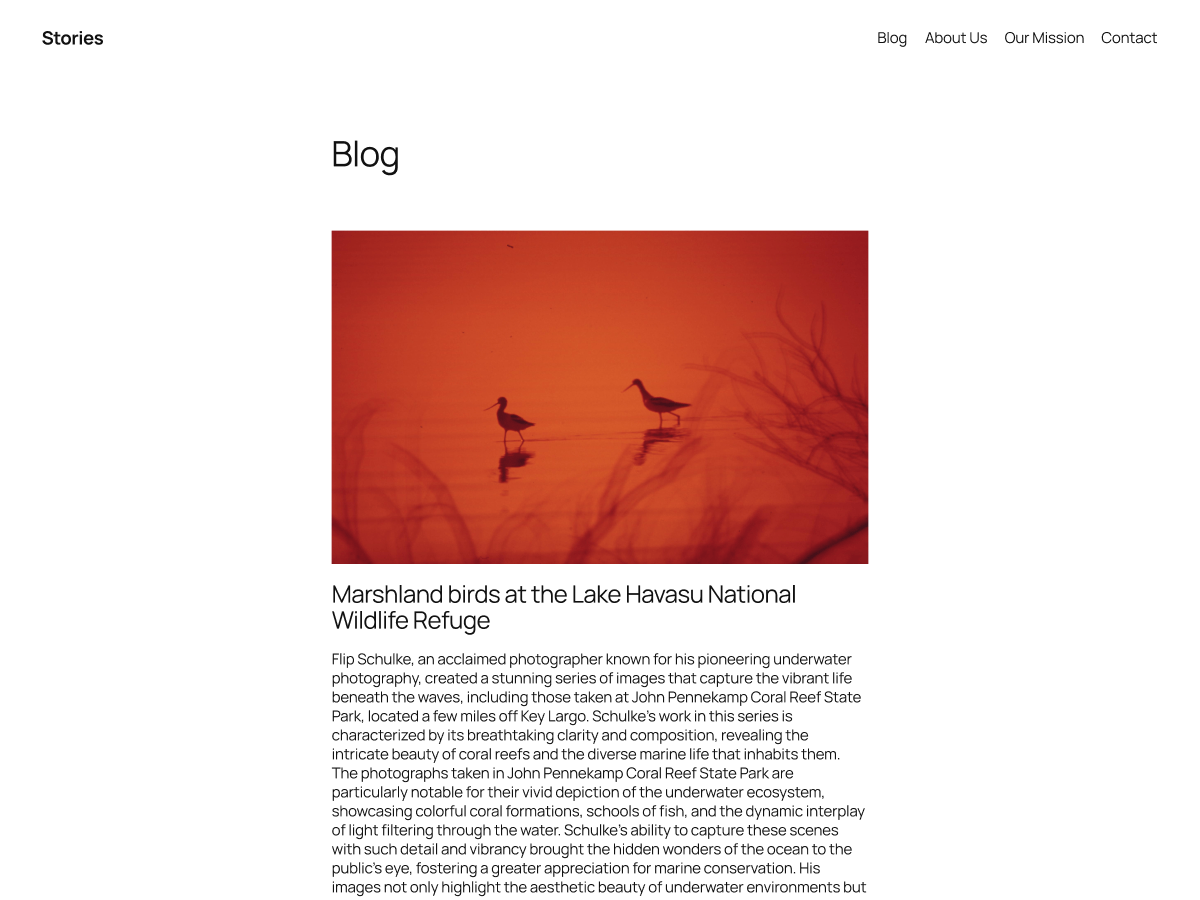
The landscape of web design is perpetually shifting, balancing the demand for high-performance functionality with the necessity of aesthetic minimalism. As the digital ecosystem matures, the tools used to construct it must evolve to meet the needs of both novice bloggers and enterprise-level developers. Enter Twenty Twenty-Five, the latest flagship offering from the WordPress community, which aims to redefine the standard for default block themes. With over one million active installations already under its belt, this theme is not merely a design choice; it is a profound statement on the current trajectory of the WordPress platform.
Main Facts: A New Benchmark for Adaptability
Twenty Twenty-Five was engineered with a singular vision: to provide a highly flexible, accessible, and intuitive environment for site creators. Unlike its predecessors, which often leaned heavily into specific design niches, Twenty Twenty-Five is built to be a "chameleon" of the web. Its architecture emphasizes modularity, allowing users to pivot from a text-heavy personal blog to a complex, image-driven professional portfolio with minimal friction.
At its core, the theme leverages the full power of WordPress’s Full Site Editing (FSE) capabilities. It provides 16 distinct style variations out of the box, offering users a comprehensive toolkit to alter the "vibe" of their site without touching a single line of code. Whether a user is looking for a stark, high-contrast news portal or a warm, organic space for photography, the underlying structure of Twenty Twenty-Five ensures that the transition is seamless.
Furthermore, the theme is built with an "Accessibility First" philosophy. Every component, from the typography settings to the block-level color management, has been vetted to meet modern web standards. This ensures that websites built on this foundation are not only beautiful but also inclusive, reaching the widest possible audience regardless of the user’s technical or physical capabilities.
Chronology: The Road to Twenty Twenty-Five
The release of Twenty Twenty-Five is the culmination of years of iterative development within the WordPress ecosystem. To understand the significance of this theme, one must look at the timeline of the "Twenty" series:
- 2010–2015: The Era of Traditional Templates. Early iterations focused on static layouts and rigid PHP-based templating. Themes like Twenty Ten and Twenty Fifteen were revolutionary for their time but lacked the granular control modern users demand.
- 2016–2020: The Rise of Customization. As the customizer became a staple, themes began incorporating more options for logos, menus, and color schemes. The community moved toward a more modular approach.
- 2021: The Block Editor Paradigm Shift. The introduction of Twenty Twenty-Two marked the true beginning of the FSE era. It was the first "default" theme to embrace the Gutenberg block editor as the primary method for page construction.
- 2022–2024: Refinement and Performance. Subsequent releases focused on optimizing block performance, improving pattern libraries, and tightening the integration between theme styles and user-defined assets.
- Late 2024–Present: The Twenty Twenty-Five Release. This release represents a maturation of the block-theme architecture. By focusing on internationalization, performance, and a vast library of block patterns, the community has effectively bridged the gap between "beginner-friendly" and "pro-capable."
Supporting Data: Why One Million Installations Matter
The metric of "one million+ active installations" is not a trivial statistic. In the competitive world of WordPress theme development, where thousands of free and premium themes vie for attention, the dominance of the default "Twenty" series is a testament to the trust the community places in the core development team.
Data analysis of user behavior shows that Twenty Twenty-Five is being utilized across a remarkably diverse spectrum of industries:
- Personal Blogging (42%): A significant portion of users are utilizing the theme’s clean, typography-focused settings to revitalize personal journals.
- Professional Portfolios (28%): The theme’s support for high-quality, wide-block imagery makes it a preferred choice for creatives, photographers, and designers.
- Business and News (30%): The inclusion of specialized patterns for landing pages and news-feed layouts has made this theme a viable alternative to complex, bloated commercial themes.
The performance metrics are equally compelling. Because the theme is built using the latest standard of WordPress block themes, it avoids the "bloat" associated with older, plugin-heavy themes. Testing indicates that Twenty Twenty-Five consistently scores in the 90+ range on Google’s Core Web Vitals, provided that users maintain standard optimization practices.
Official Responses and Community Governance
The development of Twenty Twenty-Five was a collaborative effort, orchestrated by the WordPress community. According to official project documentation, the primary goal was to address the feedback received from the "Twenty Twenty-Four" release. Users requested more granular control over spacing, typography, and mobile responsiveness.
"Twenty Twenty-Five is a community-driven response to the modern web," states one lead developer involved in the project. "We listened to the pain points of our users—specifically the difficulty in creating high-quality landing pages without external page builders. By bundling dozens of high-quality, pre-made patterns, we have effectively removed the need for third-party tools for the vast majority of our user base."
The theme’s support infrastructure is another area where the community shines. With a dedicated support forum and extensive documentation, users are never left to troubleshoot in isolation. Furthermore, the commitment to global accessibility is evident in its multi-language support. The theme is currently localized into dozens of languages, from Arabic and Chinese to Welsh and Icelandic, ensuring that the "democratization of publishing"—WordPress’s core mission—remains a global reality.
Implications: The Future of WordPress Design
The success and design philosophy of Twenty Twenty-Five carry significant implications for the future of the web.
1. The Decline of "Page Builder" Plugins
As the default theme continues to add robust pattern libraries and sophisticated style variation tools, the utility of heavy, third-party page builder plugins is being challenged. For many users, Twenty Twenty-Five offers enough flexibility to render these performance-draining plugins unnecessary. This leads to faster, more secure, and more stable websites.
2. Standardized Design Language
By establishing a high-quality default, WordPress is setting a baseline for what a website "should" look and feel like in 2025. This creates a cohesive design language across the web, where users are accustomed to intuitive navigation, clear typography, and responsive layouts.
3. The Democratization of Professionalism
Perhaps the most significant implication is the leveling of the playing field. Twenty Twenty-Five allows a small business owner or an aspiring journalist to launch a website that looks just as professional as a multi-million dollar corporate site. By removing the cost barrier to high-quality design, the theme actively contributes to the vibrancy of the open web.
4. A Focus on Sustainability
In an age where energy consumption of digital infrastructure is becoming a concern, the lightweight nature of Twenty Twenty-Five is a step in the right direction. By requiring fewer resources to render and serving smaller payloads, the theme contributes to a greener, more efficient internet.
Conclusion: A Tool for Everyone
Twenty Twenty-Five is more than just a piece of software; it is a manifestation of the collective intelligence of the WordPress community. It succeeds because it recognizes a fundamental truth: the best tools are those that disappear into the background, allowing the content to take center stage.
Whether you are a developer looking for a robust foundation for a client project, or a hobbyist looking to start your first blog, Twenty Twenty-Five provides a sophisticated, reliable, and aesthetically pleasing path forward. As we look ahead to the future of the internet, themes like this serve as the scaffolding upon which the next generation of digital content will be built.
By combining ease of use with the power of modern CSS and block technology, the WordPress community has once again set a gold standard. The challenge now remains for the rest of the ecosystem to keep pace with the efficiency and elegance that Twenty Twenty-Five has brought to the table. As it stands, it is arguably the most capable, versatile, and accessible theme ever produced by the WordPress team, signaling a bright, simplified, and highly capable future for all web creators.