






In the hyper-competitive ecosystem of WordPress theme development, standing out requires more than just a sleek design and a catchy name. With thousands of options competing for the attention of web developers, agency owners, and bloggers, only a select few manage to capture the zeitgeist of the platform. Among the modern contenders, Blocksy—developed by Creative Themes—has quietly emerged as a dominant force. Boasting over 300,000 active installations on the official WordPress repository, Blocksy has cemented its reputation as a fast, feature-rich, and deeply customizable tool built for the modern block editor era.
This in-depth report examines the core facts behind Blocksy’s success, its feature set, international footprint, and what its rapid adoption signifies for the broader WordPress ecosystem.
Main Facts: What Makes Blocksy Stand Out?
At its core, Blocksy is classified as a freemium commercial theme. This means the core framework is available to users entirely for free via the WordPress.org repository, while advanced features, premium extensions, and dedicated developer support are offered via paid commercial upgrades.
Despite operating in a freemium model, the free version of Blocksy punches well above its weight class. Engineered from the ground up to leverage the performance advantages of modern web standards, the theme is built around a few central pillars:
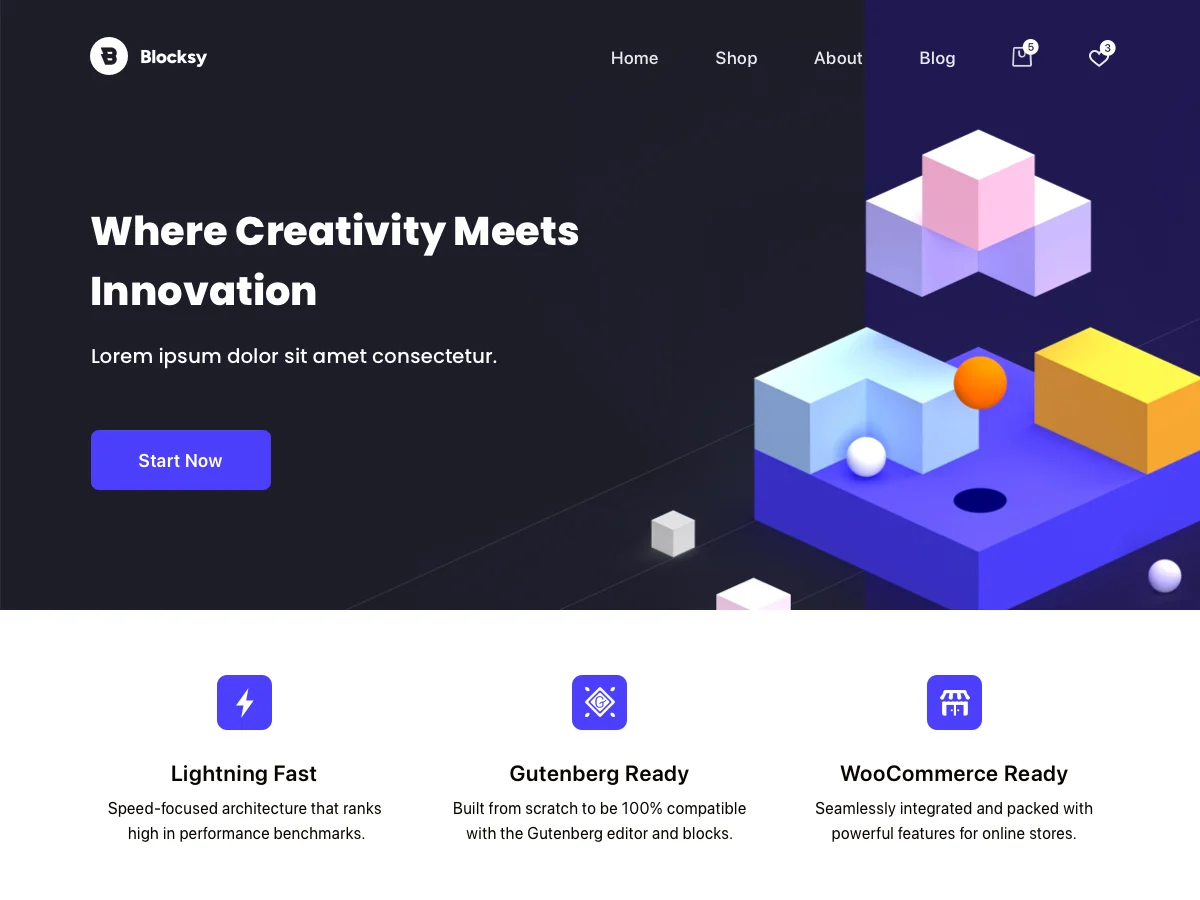
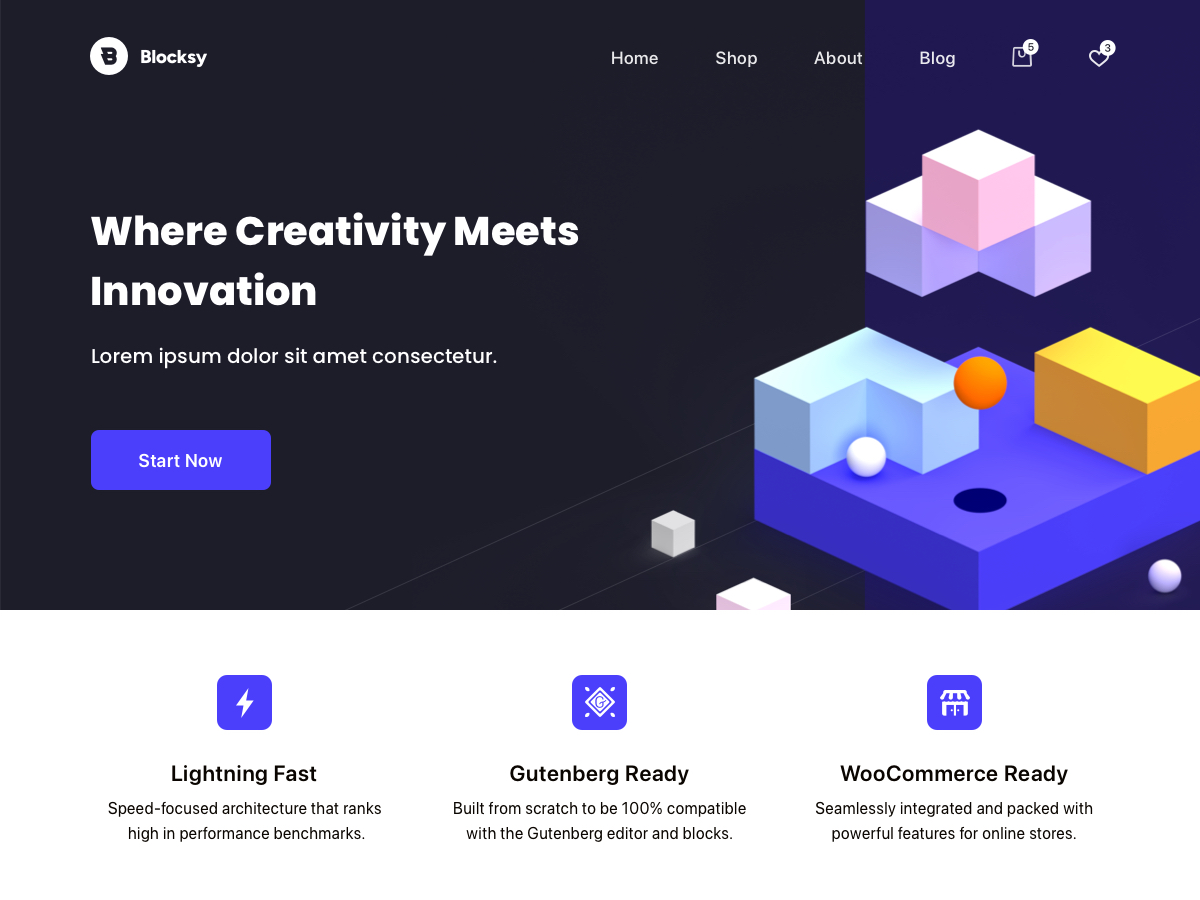
- Lightning-Fast Performance: Blocksy is engineered to be lightweight, avoiding the bloat traditionally associated with highly customizable themes. Its modular architecture ensures that scripts and styles are loaded only when necessary.
- Deep Block Editor Integration: Unlike older themes retrofitted for the Gutenberg block editor, Blocksy was built with native compatibility in mind. It supports block editor patterns, block styles, and wide blocks seamlessly.
- Advanced WooCommerce Integration: For e-commerce entrepreneurs, Blocksy offers robust tools tailored specifically for online stores, including custom shop layouts, quick view features, ajax cart updates, and optimized checkout experiences.
- Comprehensive Customization: The theme provides an extensive array of layout configurations—ranging from single and multi-column setups to advanced grid layouts, left or right sidebars, and full-width templates.
Furthermore, Blocksy is accessibility-ready, catering to site owners who prioritize inclusive web design. It features custom colors, menus, logos, footer widgets, threaded comments, and featured image management out of the box.
Chronology: The Evolution of a Modern WordPress Contender
While the exact founding date of Creative Themes and the conceptualization of Blocksy trace back to the shifting tides of the WordPress block editor transition, the timeline of Blocksy’s rise follows a trajectory of steady, deliberate iteration.
- The Transition Phase (Gutenberg Era): As WordPress introduced the block editor (Gutenberg), many legacy theme developers struggled to adapt. Creative Themes recognized the need for a framework designed specifically to work alongside the block editor rather than fighting against it.
- Repository Launch and Initial Traction: Blocksy was launched on the official WordPress.org theme directory, initially attracting early adopters looking for a lightweight alternative to heavy page-builder-dependent themes.
- Feature Expansion and WooCommerce Focus: Recognizing the booming demand for flexible e-commerce solutions, the developers rolled out deep WooCommerce integration, which dramatically accelerated its adoption among online store owners and digital agencies.
- Reaching the Milestone: Through continuous updates, bug fixes, and community-driven feature requests, Blocksy surpassed 300,000 active installations, placing it in an elite tier of WordPress themes globally.
- Current State (Version 2.x and Beyond): With recent updates such as version 2.1.60, Blocksy continues to refine its codebase, ensuring ongoing compatibility with the latest core WordPress releases, PHP versions, and performance benchmarks.
Supporting Data: By the Numbers
Quantitative metrics tell the true story of a digital product’s adoption. Blocksy’s data profile on WordPress.org highlights its massive global footprint:
- Active Installations: 300,000+ websites actively run Blocksy as their primary theme.
- Global Accessibility: The theme has broken through language barriers, boasting translation readiness across an impressive roster of localized versions. Users can deploy Blocksy in languages ranging from Spanish (Español), German (Deutsch), and French (Français) to Japanese (日本語), Korean (한국어), Arabic (العربية), and Russian (Русский).
- Layout and Design Flexibility: Users have access to a versatile grid layout system supporting up to four columns, adaptable sidebars, and specialized template variations like full-width layouts.
Official Support, Community Engagement, and Reporting
A major component of Blocksy’s ongoing success is the infrastructure built around its user base. Creative Themes provides multiple channels for assistance and governance:
- Support Channels: Free users can utilize the dedicated WordPress.org support forum to troubleshoot issues, while commercial license holders have access to premium support via the official Creative Themes website.
- Community Translation: True to the open-source spirit of WordPress, Blocksy’s localization is heavily community-driven. Contributors from around the world actively translate the theme into regional dialects—spanning from Colombian Spanish and Brazilian Portuguese to Catalan, Danish, and Vietnamese.
- Quality Assurance and Reporting: To maintain high standards within the WordPress ecosystem, the theme maintains a transparent reporting pipeline. Users who encounter major technical issues, security vulnerabilities, or guideline non-compliances are directed to the official WordPress Theme Review team’s reporting tool (
make.wordpress.org/themes/report-theme), ensuring accountability and swift remediation.
Implications: What Blocksy’s Success Means for the WordPress Ecosystem
The rapid ascent of Blocksy to over 300,000 active installations carries several broader implications for the WordPress design and development industry:
1. The Decline of Bloatware Themes
For years, the WordPress market was dominated by monolithic multi-purpose themes that packed hundreds of unoptimized features into a single package, often requiring heavy optimization plugins to achieve acceptable loading speeds. Blocksy’s success proves that modern users—especially web agencies and freelancers—prioritize lean, modular, and performance-driven codebases.
2. The Maturation of the Block Editor Ecosystem
When Gutenberg was first introduced, skepticism ran rampant among traditional theme developers. Blocksy’s seamless integration with block patterns, wide blocks, and block styles demonstrates that the future of WordPress development lies in embracing native core features rather than relying exclusively on third-party page builders.
3. The Power of the Freemium Business Model
Creative Themes has mastered the balance between a robust free tier and high-value commercial upgrades. By offering a genuinely usable product for free, they have cultivated a massive user base that naturally funnels into premium conversions for advanced WooCommerce features, white-labeling tools, and professional support.
Outlook
As WordPress continues to evolve with Full Site Editing (FSE) and advanced block-based workflows, themes like Blocksy are positioned at the vanguard of modern web publishing. By maintaining a balance between developer-friendly code, high-end design aesthetics, and robust e-commerce capabilities, Blocksy has proven that it is not just a temporary trend, but a foundational tool for the future of the web.