







The smartphone industry has reached a plateau of sorts regarding design, with most flagships opting for the glass-sandwich aesthetic. However, the battleground for dominance has shifted entirely to the camera module. With the OPPO Find X9 Ultra setting a gold standard in 2026—earning accolades for its exceptional versatility and high-fidelity imaging—the industry is now turning its eyes toward the horizon.
Fresh leaks from the reliable industry insider Digital Chat Station have provided a tantalizing glimpse into the OPPO Find X10 Ultra, a device that promises to push the boundaries of sensor size and computational photography. As we analyze these early reports, it becomes clear that OPPO is not merely iterating; it is aiming to redefine what a pocket-sized camera can achieve.
Main Facts: A Hardware Powerhouse in the Making
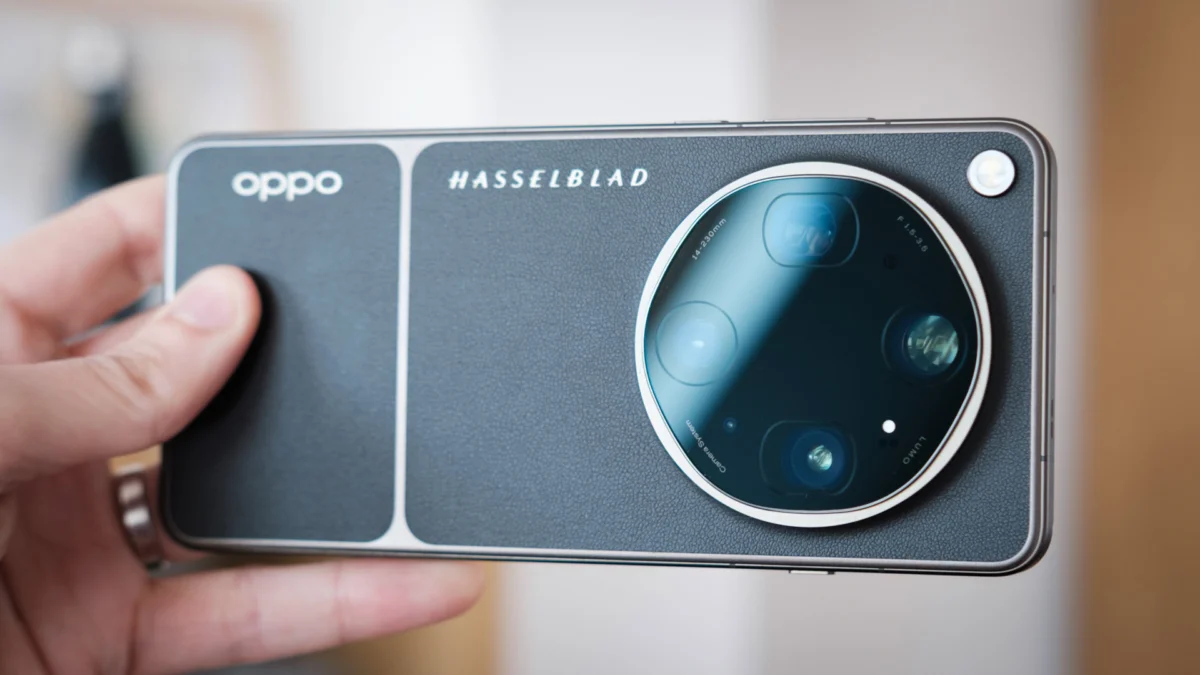
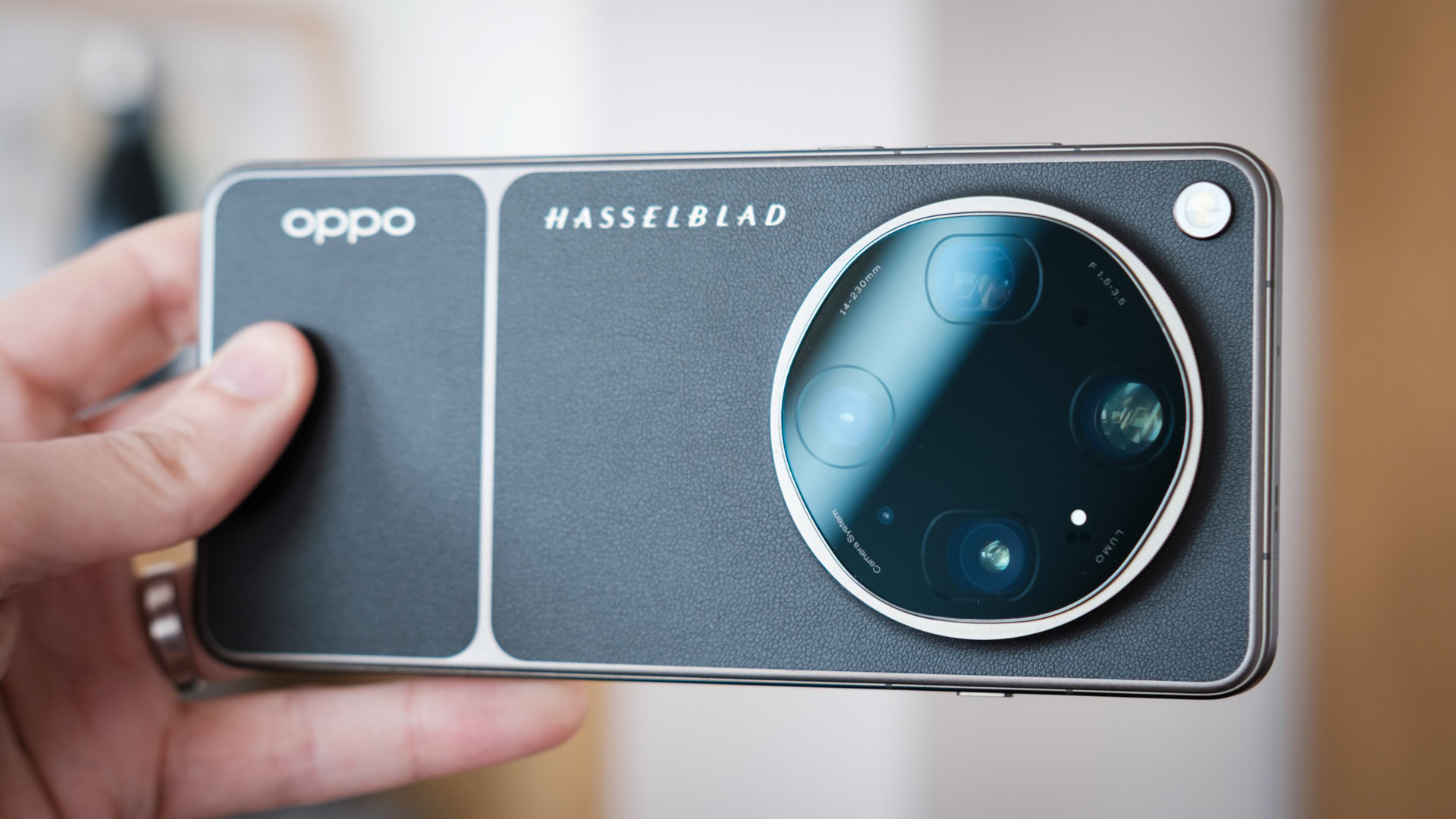
The core of the leak revolves around a triple-sensor array that prioritizes sheer pixel density and advanced light-gathering capabilities. According to the data surfacing from Weibo, the Find X10 Ultra is expected to feature:
- Primary Sensor: A massive 200MP 1/1.12-inch main camera featuring LOFIC (Lateral Overflow Integration Capacitor) technology.
- Periscope Telephoto: A 200MP 1/1.3-inch sensor designed for high-resolution mid-range zoom, ostensibly operating at a 3x focal length.
- Long-Range Telephoto: A 50MP 10x periscope lens with a significantly upgraded 1/1.95-inch sensor size.
- Front-Facing Innovation: A 100MP "square" selfie camera, mirroring experimental aspect-ratio technology to provide superior flexibility in post-processing.
The inclusion of LOFIC technology is the most significant leap forward. While the Find X9 Ultra was widely praised for its Sony LYT-901 sensor, it lacked the hardware-level dynamic range management that LOFIC provides. By preventing pixel saturation in high-contrast environments—such as direct sunlight or backlit urban scenes—this technology ensures that highlight detail is preserved, a perennial struggle for even the best mobile sensors.
Chronology: From X9 Excellence to X10 Anticipation
To understand the trajectory of the Find X10 Ultra, we must look at the lineage of the Find X series.
2025: Establishing the Foundation
OPPO’s strategy over the last two years has focused on "computational harmony." The transition from the Find X8 to the X9 saw a move toward massive, one-inch-class sensors, which established OPPO as a primary competitor to the Samsung Galaxy Ultra and the Google Pixel Pro series.
Q2 2026: The Find X9 Ultra Peak
When the Find X9 Ultra launched in the second quarter of 2026, it was lauded for its 10x optical zoom capability. Critics and users alike noted that while competitors were moving toward 5x focal lengths for better aperture performance, OPPO remained committed to the 10x reach. The X9 Ultra proved that with the right optics, one did not have to sacrifice image quality for zoom depth.
Late 2026: The Emergence of the X10 Prototypes
As of October 2026, leaks indicate that prototypes of the X10 Ultra have entered the final stages of hardware validation. The shift in focus from the X9 to the X10 marks a move away from simple megapixels toward "sensor intelligence." The industry chatter suggests that while the chassis might resemble its predecessor, the internal components have been entirely overhauled to accommodate the significantly larger telephoto hardware.
Supporting Data: The War of the Sensors
The technical specifications revealed by Digital Chat Station suggest a strategic response to the shifting landscape of mobile imaging.
The Sensor Size Dilemma
The 10x telephoto sensor is perhaps the most impressive inclusion. The X9 Ultra utilized a 1/2.75-inch sensor for its 10x zoom. The proposed 1/1.95-inch sensor for the X10 represents a surface area increase of nearly 50%. In the world of photography, this is a massive leap. A larger sensor allows for more light to be captured at longer distances, directly addressing the noise issues that often plague high-zoom mobile shots in low-light conditions.
Compared to the Google Pixel 11 Pro XL—which utilizes a 50MP 5x sensor—the OPPO Find X10 Ultra’s 10x module is aiming for a level of detail that could potentially outperform even the most sophisticated crop-zoom algorithms. Samsung’s Galaxy S26 Ultra has similarly relied on 5x high-resolution sensors, meaning OPPO is positioning itself as the "zoom specialist" in a market that has largely abandoned the 10x hardware-zoom form factor.
The Selfie Camera Revolution
The rumored 100MP square selfie sensor is a radical departure from traditional rectangular sensors. By capturing a 1:1 aspect ratio, the camera essentially records a larger circular image, allowing the software to crop into either a landscape or portrait frame without losing resolution. This effectively solves the "orientation mismatch" that occurs when users try to force a wide-angle horizontal shot into a vertical video format.
Official Responses and Industry Context
While OPPO has remained characteristically tight-lipped, only confirming that development on the next generation of "Find" devices is proceeding according to schedule, the supply chain tells a different story.
Industry analysts suggest that the delay in some components—particularly the high-end sensors required for the 10x zoom—could force OPPO to offer a tiered release or stick to the smaller 1/2.75-inch sensor if yield rates do not improve by early 2027. However, the company is clearly pushing for the larger hardware, as it is essential for marketing the phone as a true "Ultra" upgrade.
Furthermore, the integration of unannounced Samsung ISOCELL HPA or HPU sensors indicates a deepening partnership between the two tech giants. By moving away from the Sony LYT-901, OPPO is signalling a desire to gain more control over the signal processing pipeline, which is essential for maximizing the benefits of the LOFIC technology.
Implications: A New Era of High-End Pricing
The transition from the X9 to the X10 is not without its controversies. The most significant implication of these high-end specifications is the inevitable impact on retail pricing.
The RAM and Sensor Crisis
The global tech market is currently grappling with a significant RAM and semiconductor supply chain crisis. The cost of manufacturing high-density memory, paired with the immense cost of the custom-designed 200MP sensors, creates a perfect storm for price inflation.
Industry analysts are predicting that the Find X10 Ultra could see a price increase of 15-20% compared to its predecessor. This places the device in the "ultra-premium" bracket, potentially exceeding the $1,500 threshold in many markets. While the technology is undeniably impressive, it raises the question of whether the average consumer is willing to pay such a premium for marginal gains in zoom quality and dynamic range.
The Future of Computational Photography
The implications for the wider market are clear: the era of "good enough" mobile photography is over. With hardware like the LOFIC-enabled 200MP sensor, the gap between dedicated mirrorless cameras and smartphones is narrowing. If the Find X10 Ultra performs as expected, it will force competitors like Apple and Samsung to move away from their current reliance on software-heavy processing and return to the "sensor-first" philosophy.
Conclusion: The Path to the Find X10 Ultra Launch
As we look toward the expected Q2 2027 launch window, the OPPO Find X10 Ultra is shaping up to be a definitive piece of hardware. It represents a commitment to optical excellence at a time when many manufacturers are opting for cheaper, software-dependent solutions.
While the leaked specifications suggest a device that is objectively superior to the current market leaders, the success of the Find X10 Ultra will depend on more than just hardware. The company will need to ensure that the image processing software can keep pace with the sheer volume of data produced by these massive sensors.
For the photography enthusiast, the X10 Ultra represents the dream: a smartphone that does not just capture a moment, but renders it with the precision and depth of a professional tool. Whether or not the market can bear the cost of such innovation remains to be seen, but one thing is certain: OPPO is not playing for second place. They are aiming for the top of the podium, and if these leaks are accurate, they have the hardware to reach it.