










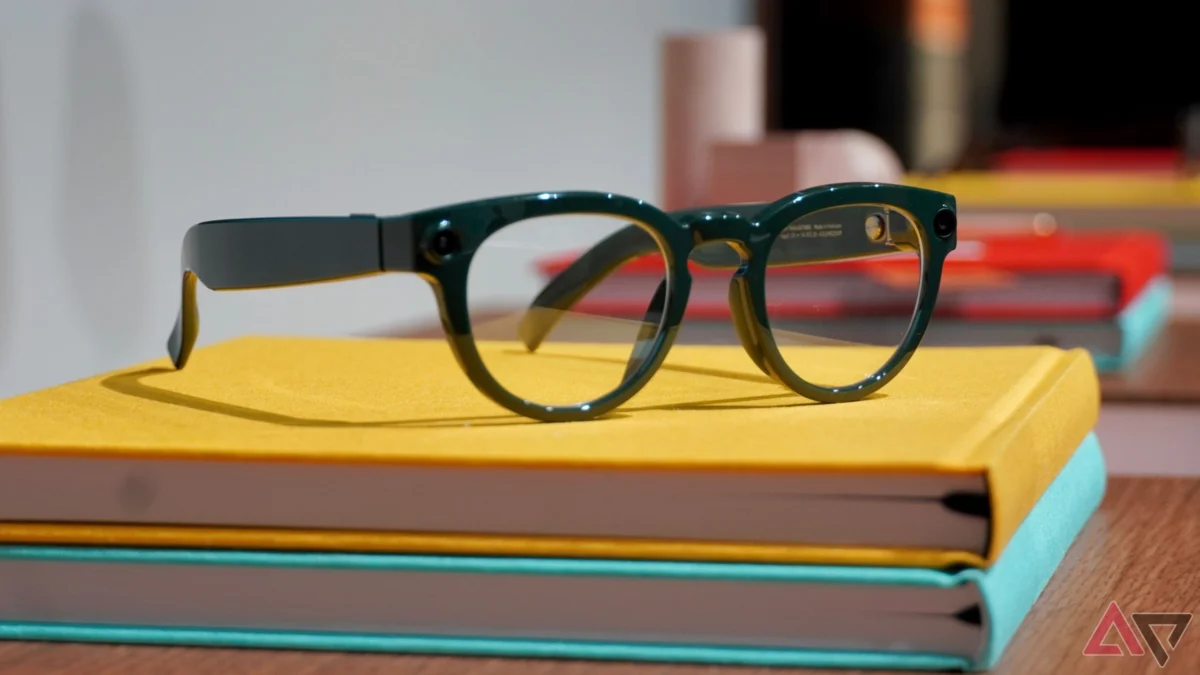
As the wearable technology market shifts from simple fitness tracking to immersive augmented reality (AR) experiences, Samsung is positioning itself to challenge the current hegemony of Meta. With the highly anticipated release of its Android XR-powered "Galaxy Glasses," Samsung is preparing to enter a space that bridges the gap between traditional eyewear and high-tech computing. Following an initial reveal at the Galaxy Z Fold 8 launch event in July 2026, fresh leaks have finally shed light on the design philosophy, technical specifications, and strategic partnerships that will define the product’s November 2026 launch.
Main Facts: A New Contender in the Smart Eyewear Arena
The upcoming Samsung Galaxy Glasses represent a significant pivot in the company’s mobile strategy. Unlike bulkier VR headsets that isolate the user from their environment, Samsung’s approach mirrors the form factor of premium prescription eyewear.
Key Technical Specifications
The device is engineered to prioritize comfort without compromising on performance. According to recent reports, the Galaxy Glasses will tip the scales at approximately 41 grams when equipped with standard lenses. This makes them significantly lighter than their primary competitor, the Meta Ray-Ban Gen 3, which weighs in at 51.5 grams.
Under the hood, the device is expected to leverage the Qualcomm Snapdragon AR1 Gen 1 chipset, a processor purpose-built for light-duty smart glasses that balances power efficiency with image processing capabilities. Users will have access to 2GB of RAM and 64GB of onboard storage, ensuring a snappy user experience for tasks ranging from music playback to on-the-go photography.
The optical suite includes a 12MP camera capable of recording 3K video at 30 frames per second, positioning the device as a potent tool for content creators. Audio is handled via integrated open-ear speakers and high-fidelity microphones, allowing for seamless voice calls and AI-driven interactions without blocking ambient environmental sounds. Perhaps most impressively, the device is rated for up to 72 hours of battery life when paired with its dedicated charging case, addressing the "battery anxiety" that often plagues wearable devices.
A Chronology of the Galaxy Glasses Journey
The path to the Galaxy Glasses has been a carefully orchestrated campaign by Samsung to gauge market interest while refining the hardware.
- Mid-2026 (The Tease): Samsung first introduced the concept during the Galaxy Z Fold 8 launch event in July 2026. While the company kept technical specifics under lock and key, the mere presence of the device alongside their flagship foldable signaled a new, multi-pronged ecosystem strategy.
- Late 2026 (Refinement & Leaks): Throughout the third quarter, rumors swirled regarding the OS integration. The confirmation that the device would run on Android XR (Extended Reality) was a pivotal moment, signaling that Samsung and Google were aligning their AR efforts to combat Meta’s proprietary OS.
- October 2026 (The Leak): A comprehensive leak from SammyGuru provided the most granular look at the device to date, detailing the specific collaborations with eyewear giants Gentle Monster and Warby Parker.
- November 2026 (Projected Launch): Industry analysts are currently coalescing around a November release date, with initial availability restricted to South Korean and U.S. markets.
Supporting Data: Design Collaborations and Customization
What separates the Galaxy Glasses from a standard piece of tech is the intentional focus on fashion-forward design. Samsung has recognized that for smart glasses to achieve mass-market adoption, they must be "wearable" in the literal sense—a fashion accessory rather than a gadget.
The Gentle Monster Collection
Samsung has tapped luxury eyewear house Gentle Monster to lead its design aesthetic. This partnership will reportedly manifest as six distinct frame styles with up to 16 variants. The lineup is diverse, ranging from classic, conservative square frames to bold, avant-garde cat-eye designs and slimmer oval options. The color palette includes sophisticated tones like black, burgundy, and cream, with interchangeable lens options such as clear, light blue, brown, and gray. This level of granular choice ensures that the technology can be tailored to individual facial structures and personal style preferences.
The Warby Parker Integration
For the North American market, the inclusion of Warby Parker is a masterstroke. The partnership will debut with three specific models: Alden, Reid, and Wren. These models cater to a more classic American aesthetic. The Alden and Wren will be available in "Pine" (a rich dark green) and "Saddle" (a warm, reddish-brown), while the Reid will focus on the timeless appeal of "Jet Black." By selling these through Warby Parker’s established retail channels and Samsung Experience Stores, the company is effectively lowering the barrier to entry for consumers who are accustomed to buying high-quality prescription glasses.
Official Responses and Strategic Positioning
While Samsung has not yet released a formal press kit detailing every internal component, their public stance at the July event was clear: the Galaxy Glasses are intended to be an extension of the Android ecosystem.

By integrating with the broader Galaxy ecosystem, the glasses are expected to offer "invisible" connectivity. Features such as instant pairing, cross-device handoffs (moving a call from your phone to your glasses), and integration with Samsung’s evolving AI suite are anticipated cornerstones of the launch.
Industry experts suggest that the choice of Android XR is a strategic counter to Meta’s closed ecosystem. By utilizing a platform that other Android manufacturers might eventually adopt, Samsung is positioning itself as the "hardware anchor" for the Android AR revolution, much like they did with the early days of the smartphone transition.
Implications: The Future of the "Invisible" Computer
The release of the Galaxy Glasses carries profound implications for the tech industry. We are witnessing the final stages of the shift from the "Screen Age"—where we are tethered to handheld rectangles—to the "Ambient Age."
1. The Death of the Dedicated Headset?
If the Galaxy Glasses can successfully record 3K video, provide navigation overlays, and handle voice-activated AI queries while weighing only 41 grams, the utility of bulky AR/VR headsets may be relegated to specialized gaming or industrial use cases. The average consumer is far more likely to adopt hardware that looks like standard eyewear.
2. The AI-Wearable Convergence
The integration of a high-quality camera and microphone suggests that the Galaxy Glasses will be the perfect vessel for Samsung’s AI assistants. Imagine walking down the street and having the glasses identify a landmark, translate a menu, or summarize a conversation in real-time. The processing power of the Snapdragon AR1 Gen 1, while limited compared to a PC, is likely sufficient to interface with cloud-based LLMs (Large Language Models), turning the glasses into a real-time information concierge.
3. The Fashion-Tech Nexus
By outsourcing the physical frame design to Gentle Monster and Warby Parker, Samsung is solving the "dork factor" that plagued early smart glasses like Google Glass. This partnership model—where tech companies provide the "brain" and fashion companies provide the "body"—is likely to become the blueprint for all future wearables.
4. Market Competition
The primary challenge for Samsung remains the Meta Ray-Ban. Meta has a significant head start in terms of community trust, third-party software support, and brand recognition. Samsung will need to prove that its software experience—likely bolstered by Google’s deep integration with Android XR—is not just equivalent to Meta’s, but superior in terms of ecosystem continuity.
Conclusion
As we approach the November launch, the excitement surrounding the Galaxy Glasses is palpable. Samsung is not just releasing a new gadget; it is attempting to change the way we interact with the digital world. By focusing on lightweight design, meaningful partnerships with established eyewear brands, and a commitment to the Android XR platform, the company is betting that the future of computing is something you wear, not something you hold.
For the average consumer, the choice in late 2026 will no longer be between "smart" and "stylish"—it will be about choosing which brand of "smart-stylish" best fits their lifestyle. If the leaked specs hold true, Samsung’s latest venture might just be the catalyst that finally brings augmented reality into the mainstream.



