







The landscape of digital media is undergoing a seismic shift. As generative artificial intelligence transitions from experimental research to a foundational layer of the modern web, platforms are racing to bridge the gap between complex machine learning models and user-friendly creative tools. LimeWire, a brand historically synonymous with the digital distribution revolution, is once again positioning itself at the vanguard of this change. With the recent launch of its official Developer API, the company is shifting its focus from a consumer-facing creative platform to a robust infrastructure provider for the next generation of AI-driven applications.
Main Facts: The API Infrastructure
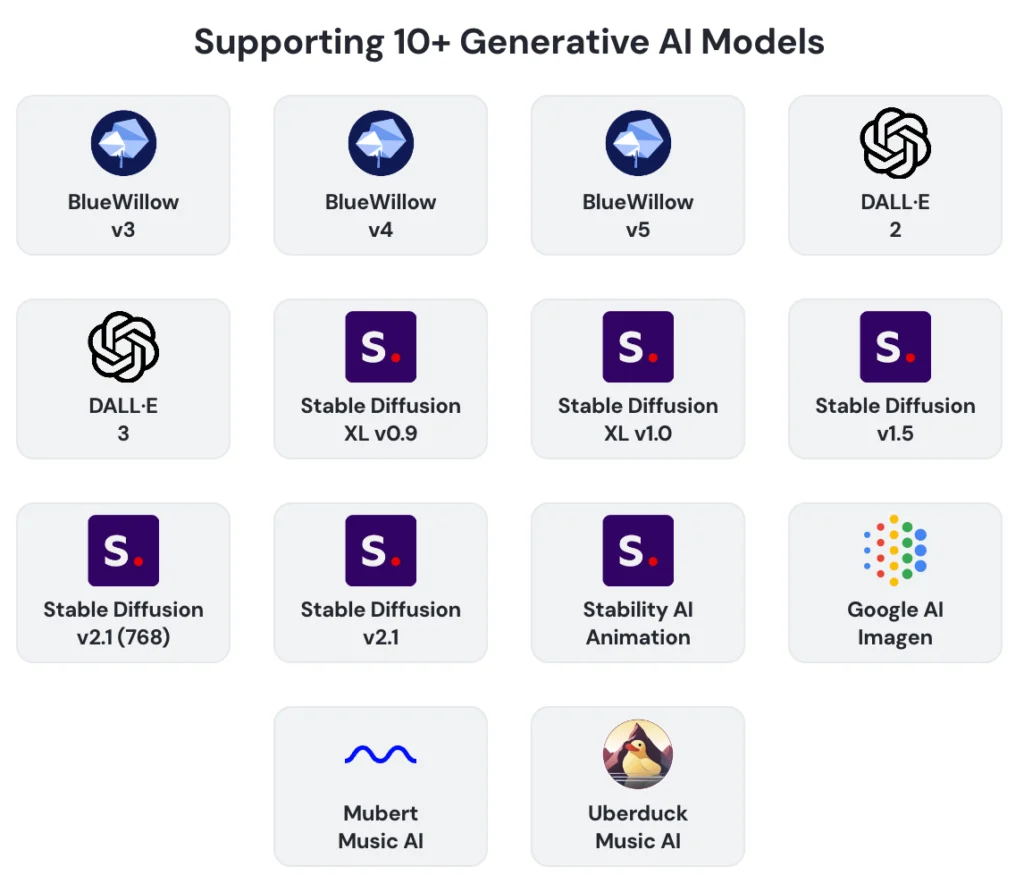
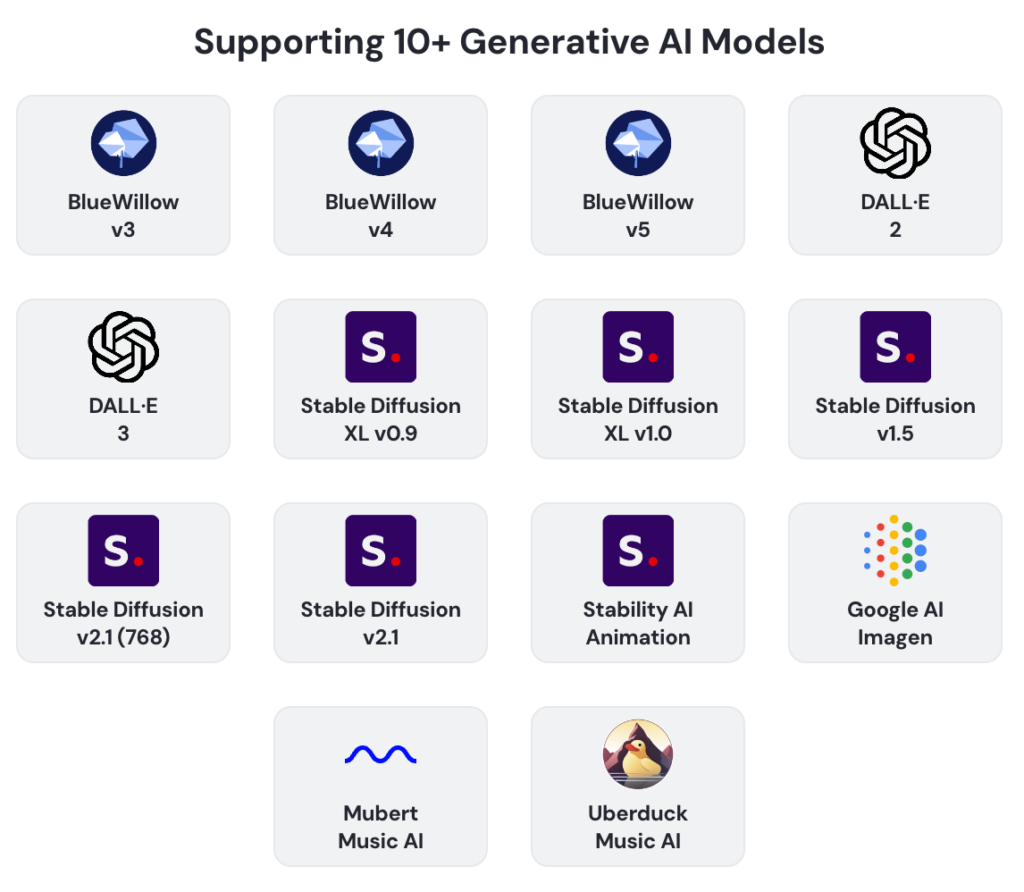
At its core, the newly released LimeWire Developer API provides engineers, developers, and creative technologists with programmatic access to a suite of generative AI tools. By abstracting the complexities of model orchestration, GPU provisioning, and prompt engineering, LimeWire allows developers to integrate high-fidelity image generation and manipulation directly into their own applications.
The API is built for scalability and ease of use, leveraging standard RESTful architecture. Developers can initiate image generation tasks by sending a straightforward POST request to the LimeWire endpoint. The system supports complex parameters, allowing for precise control over aspect ratios, artistic styles, and compositional elements. Furthermore, the API extends beyond initial creation, offering native support for image upscaling—a critical feature for developers looking to produce print-ready or high-definition digital assets without manually processing files through third-party tools.
A Chronology of Transformation
To understand the significance of this release, one must contextualize LimeWire’s recent pivot. Once the titan of peer-to-peer file sharing in the early 2000s, the brand underwent a strategic acquisition and rebranding process that culminated in its emergence as a creative AI hub.
- 2022: LimeWire officially re-launched as a marketplace for digital collectibles, signaling a departure from its original file-sharing roots toward a focus on creator economy tools.
- 2023: The platform pivoted toward generative AI, integrating text-to-image and text-to-video models into its user interface, successfully positioning itself as an accessible playground for "AI artists."
- March 2024: The company expanded its ecosystem by opening its backend capabilities to the public via the Developer API, effectively transitioning from a closed platform to an open-ended infrastructure service.
This chronology highlights a clear trajectory: LimeWire is evolving from a single destination into a fundamental building block of the AI-integrated web.
Supporting Data: Technical Capabilities and Integration
The technical implementation of the LimeWire API is designed to minimize friction for developers. By utilizing a standard bearer-token authentication scheme, developers can begin generating content within minutes of obtaining their API credentials.

The Mechanics of Creation
The image generation endpoint acts as the primary gateway. For instance, an engineer building a blog automation tool can programmatically fetch relevant header imagery by passing a string of keywords derived from the article’s text directly to the LimeWire API.
Example Workflow:
- Request: A JSON object containing the
prompt(e.g., "A beautiful princess in front of her kingdom") andaspect_ratiois transmitted via acurlrequest. - Processing: The API interfaces with LimeWire’s internal model architecture to render the visual representation.
- Delivery: The response returns the image asset, ready for immediate deployment on the user’s website or application.
High-Fidelity Upscaling
Beyond generation, the API addresses the common pain point of low-resolution outputs. Through the image_upscaling endpoint, developers can increase the pixel density and clarity of existing assets by a factor of up to 4x. This is particularly valuable for platforms that require consistent visual standards across diverse device resolutions, from mobile viewports to desktop high-DPI displays.
Official Responses and Strategic Intent
LimeWire leadership has framed this release as a response to the growing demand for "Dynamic AI Art." In official communications, the development team emphasized that the API is not merely a utility but a creative catalyst.
By exposing these endpoints, LimeWire is effectively outsourcing the creative direction of their model to the developer community. "The value in creating AI art dynamically is hard to stress the enormity of for engineers and authors alike," a representative noted during the rollout. The company’s philosophy centers on the idea that AI should be a background process—seamlessly integrated into the workflows of bloggers, storytellers, and platform developers, rather than an isolated activity performed in a separate tab.
Implications: The Future of the AI-Integrated Web
The release of the LimeWire Developer API carries profound implications for the future of digital content creation. We are moving toward a paradigm where content is generated in real-time, tailored specifically to the context of the consumer.
The Death of Stock Photography
For years, digital creators have relied on scouring repositories like Google Images or Unsplash to find visuals that "almost" match their content. With the integration of AI APIs, this process becomes obsolete. Websites will soon be capable of generating unique, bespoke illustrations that match the exact thematic and emotional tone of an article or blog post, essentially creating a "bespoke internet."
Democratization for Smaller Platforms
Historically, the ability to integrate advanced AI was reserved for tech giants with the resources to train and host proprietary models. LimeWire’s API levels the playing field. A small startup, an independent developer, or a niche content platform can now provide their users with top-tier AI creative tools without the overhead of building the underlying infrastructure. This creates a "multiplicative" effect, where the innovation of a single API provider empowers thousands of small-scale applications.
Ethical and Creative Considerations
As with any generative technology, the ease of access provided by APIs like LimeWire’s necessitates a discussion on ethics. With the power to generate imagery at scale, developers have a responsibility to implement robust content filtering and usage policies. LimeWire has structured its API to handle these requests securely, but the ultimate burden of how this technology is applied rests with the developers who integrate it.
Conclusion: A New Frontier for Digital Craft
LimeWire’s expansion into the developer space is a calculated move that mirrors the broader trends in the AI industry. By providing the tools to turn text into vision, they are effectively turning every developer into a potential digital artist.
Whether you are a software engineer looking to automate asset generation for a CMS, or a creative writer seeking to illustrate your narratives with real-time imagery, the barrier to entry has never been lower. As the API ecosystem matures, we can expect to see an explosion of AI-augmented applications that feel more alive, more responsive, and more visually distinct than anything we have seen before. LimeWire is no longer just a brand; it is a creative engine, and the code to ignite that engine is now in the hands of the public.