







In a seismic shift for the American healthcare landscape, CVS Health has announced a definitive plan to separate its sprawling retail pharmacy chain from its integrated healthcare services business. This strategic pivot marks the reversal of nearly two decades of aggressive corporate expansion, effectively dismantling the "all-in-one" model that defined the company’s evolution throughout the 21st century.
The move, aimed at creating two distinct, agile entities, reflects the broader turbulence currently facing brick-and-mortar pharmacies, which are grappling with shifting consumer behaviors, rising operational costs, and intensifying competition from digital-first healthcare disruptors.
The Anatomy of the Split: Two Paths Forward
The separation will result in two independent, publicly traded companies: the legacy retail arm, to be branded as CVS Pharmacy, and the healthcare services powerhouse, which will retain the CVS Health name.
Under the proposed structure, the "new" CVS Health will house the company’s primary engines of growth: Aetna, the insurance giant acquired in 2018; CVS Caremark, the pharmacy benefit manager (PBM) acquired in 2007; and its various specialty, value-based care, and in-home health business units. This entity will position itself as a comprehensive healthcare solutions provider, focused on clinical outcomes, insurance administration, and complex patient management.
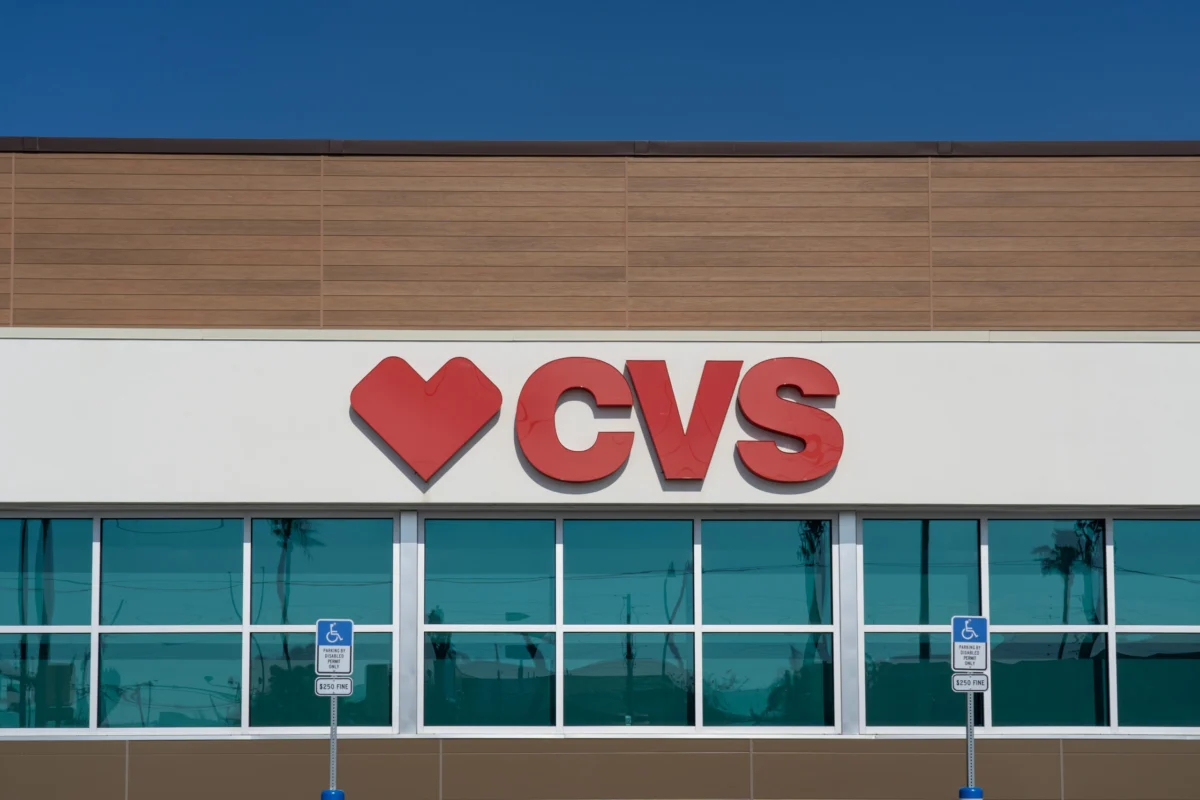
Conversely, CVS Pharmacy will emerge as a standalone retail entity. It will continue to operate the vast network of physical storefronts that serve as the "front door" to healthcare for millions of Americans, providing prescription fulfillment, over-the-counter medications, and essential wellness services.
Leadership Transitions
The restructuring brings significant changes to the executive suite. David Joyner, who assumed the role of CEO at CVS Health in 2024, is slated to lead the newly defined CVS Health as Chairman and CEO. Prem Shah, currently serving as group president at CVS Health, is designated to take the helm as the CEO of the standalone CVS Pharmacy.
A Chronology of Expansion and Retrenchment
To understand the weight of this decision, one must look at the company’s trajectory over the last 20 years—a period characterized by "vertical integration," where the goal was to own every stage of the patient journey.
- 2007: The Caremark Merger: CVS Corporation merged with Caremark Rx, a move that fundamentally transformed the company into a Pharmacy Benefit Manager (PBM). This gave CVS control over the prescription drug supply chain, from the insurance reimbursement side to the retail counter.
- 2018: The Aetna Acquisition: In a deal valued at approximately $69 billion, CVS Health acquired the insurance giant Aetna. This was the pinnacle of the company’s "integrated care" strategy, allowing CVS to combine pharmacy data with medical insurance data to lower costs and manage chronic conditions more effectively.
- 2021-2023: The Retail Footprint Shift: As digital commerce grew and the post-pandemic reality set in, CVS began to struggle with the overhead of its physical stores. The company initiated a series of store closures, signaling that the "one-stop-shop" model for retail was facing margin compression.
- 2024: The Strategic Pivot: Facing pressure from investors and a challenging retail environment, the company named David Joyner CEO, signaling a shift in priorities toward streamlining operations and improving shareholder return.
- 2028: The Expected Completion: The company has set a target for the first half of 2028 to finalize the separation, pending final approval from the Board of Directors.
Supporting Data and Digital Commerce Standing
CVS Health remains a titan in the digital and physical retail space, though its e-commerce footprint faces unique challenges. According to the Digital Commerce 360 Top 1000 Database, which ranks North America’s largest online retailers by annual sales, CVS Health currently holds the No. 101 position.
Furthermore, as the industry leans heavily into automation and predictive analytics, CVS Health has maintained a strong technological posture. It is ranked No. 201 in the Digital Commerce 360 and ReFiBuy AI Commerce Rankings, which highlights retailers successfully integrating artificial intelligence into their supply chain, customer service, and personalization strategies. The transition to two separate companies will require a massive technological decoupling, as both entities will need to build or adapt existing digital infrastructure to support their independent business models.
Official Perspectives: The Rationale for Separation
The decision to split is being framed by management not as a retreat, but as a proactive evolution.
"Our history is defined by proactively evolving to stay ahead of what’s next in healthcare, and in today’s environment, that means delivering more affordability, greater access, and a simpler experience," said David Joyner in the company’s formal announcement.
Joyner’s commentary emphasizes that the current "one-size-fits-all" model may have reached its limit in terms of efficiency. By separating the retail and services arms, the company aims to sharpen its focus. For the services arm (CVS Health), the goal is to leverage the synergy between Aetna’s insurance data and Caremark’s pharmacy management to drive "differentiated, comprehensive benefits."
For CVS Pharmacy, the mission is to reclaim its status as the most accessible consumer health touchpoint in the United States. "CVS Pharmacy will build on its position as America’s leading retail pharmacy, serving as the front door to health and care," Joyner stated.
Implications: What This Means for Consumers and Investors
The implications of this split are vast, affecting everything from prescription pricing to the future of the local neighborhood pharmacy.
1. Market Agility
By decoupling, both entities will be able to make capital allocation decisions without the friction of the other’s priorities. The healthcare services side can invest heavily in clinical technology and value-based care software, while the retail side can focus on optimizing inventory, retail technology, and the in-store consumer experience.
2. Operational Efficiency
For years, analysts have debated whether the "synergies" of the Aetna and Caremark acquisitions were truly being realized. By separating, the companies may find it easier to identify and cut operational redundancies that had become "bloat" within the massive combined enterprise.
3. The Future of the "Front Door"
The retail pharmacy sector is currently under siege from e-commerce giants and direct-to-consumer prescription delivery services. As a standalone company, CVS Pharmacy will have to prove that its physical footprint is an asset rather than a liability. It will likely need to accelerate its digital transformation—an area where its high ranking in the Digital Commerce 360 database suggests it has a solid foundation to build upon.
4. Regulatory and Competitive Landscape
The PBM industry (CVS Caremark) has been under intense scrutiny from regulators and lawmakers regarding drug pricing transparency. By separating the PBM from the retail pharmacy, the company may be attempting to mitigate conflicts of interest that have become a focal point for federal investigations.
A Look Ahead: The Road to 2028
While the transition is expected to take several years, the immediate impact will be felt in the company’s internal reorganization. The CVS Health Board of Directors remains the primary gatekeeper for the process, and investors will be watching closely for details on how the debt—much of which was accumulated during the Aetna acquisition—will be allocated between the two new entities.
As the industry watches, the "new" CVS entities will be forced to compete in a rapidly changing healthcare ecosystem. One side will battle to modernize the pharmacy experience in an era of digital convenience; the other will fight to maintain market share in the high-stakes world of insurance and clinical care.
For now, CVS Health continues to operate as a combined entity, delivering on its mission to simplify healthcare. However, the clock is ticking toward 2028, a year that will define the legacy of a company that once sought to be everything to everyone, and now seeks to be a specialist in two distinct arenas.
Stay informed on the shifting landscape of retail and health services. Sign up for a complimentary subscription to Digital Commerce 360 Retail News to receive updates as this historic transition unfolds. Follow us on LinkedIn, X, Facebook, and YouTube to stay ahead of the latest developments in global e-commerce and retail strategy.