





The professional social landscape is undergoing a subtle but profound shift. For years, the conventional wisdom for LinkedIn success was tethered to the nine-to-five workday—a rigid belief that if you weren’t hitting the "publish" button while your audience was at their desks, your content would be swallowed by the algorithm.
However, data from the last two years suggests that the "working hours" orthodoxy is dead. After a comprehensive analysis of over 4.8 million posts processed through Buffer, our resident data scientist, Julian Winternheimer, has uncovered a surprising trend: the modern professional is increasingly engaging with LinkedIn content long after they have closed their laptops.
The Shifting Landscape: From Office Hours to "After-Hours"
In 2025, peak engagement on LinkedIn was almost exclusively confined to traditional working hours, with a sharp decline occurring promptly at 5 p.m. In 2026, the data tells a different story. We are seeing a distinct migration of high-engagement windows into the late afternoon and early evening, a pattern that mirrors the behavioral trends long established on more casual platforms like Instagram and TikTok.
This shift suggests that LinkedIn has transitioned from being a tool used solely for "work-time" networking to a platform for personal development, industry observation, and professional reflection during commute times or evening downtime. Professionals are still showing up for high-value content; they are simply doing so on their own terms, often after the formal workday has concluded.
The Mechanics of Engagement: Why Timing Still Matters
While the LinkedIn algorithm is notoriously complex—relying on a blend of relevance, connection depth, and content quality—engagement remains the primary currency of reach. When a post garners immediate reactions, comments, and shares, the platform’s algorithm flags that content as "high value," thereby extending its reach to a broader audience.
Because engagement acts as the catalyst for broader distribution, the "best time to post" is not a vanity metric. It is a strategic lever. By aligning your publication schedule with the moments your audience is most likely to be active and receptive, you maximize the probability of that initial engagement "spark," which can turn a simple update into a high-performing piece of content.
Data Breakdown: The 2026 Posting Heatmap
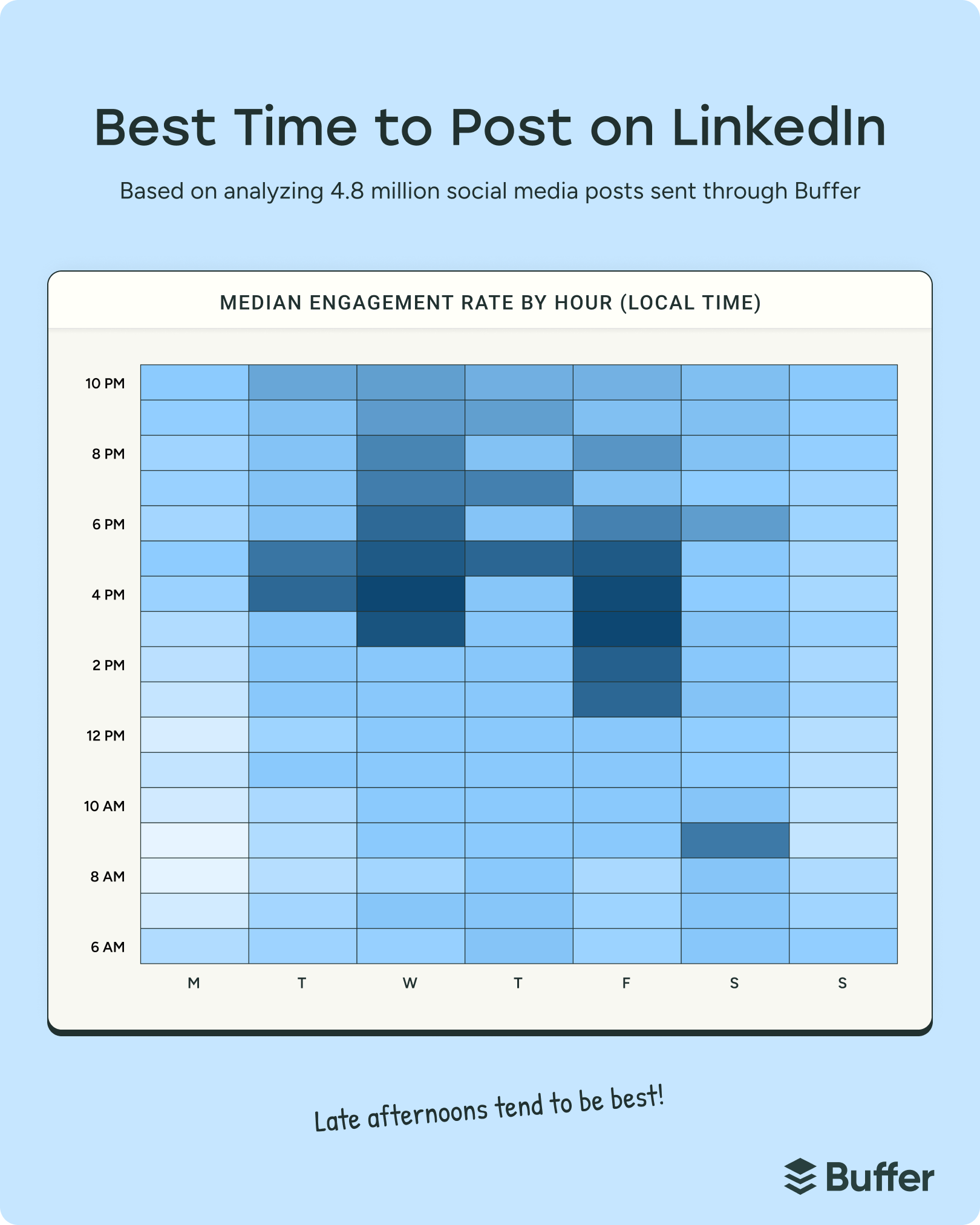
Our analysis reveals that the most reliable window for high-engagement posting is now between 3 p.m. and 8 p.m. on weekdays. Specifically, Wednesday at 4 p.m. and Friday at 3 p.m. and 4 p.m. stand out as the "golden windows" for the current year.
The Weekly Schedule at a Glance
To optimize your workflow, we have compiled the optimal posting times by day, normalized to the local time zone of your target audience.
| Day | Peak Engagement Windows |
|---|---|
| Monday | 5 p.m., 9 p.m., 10 p.m. |
| Tuesday | 4 p.m., 5 p.m., 10 p.m. |
| Wednesday | 3 p.m., 4 p.m., 5 p.m. |
| Thursday | 5 p.m., 7 p.m., 9 p.m. |
| Friday | 3 p.m., 4 p.m., 5 p.m. |
| Saturday | 9 a.m., 6 p.m., 10 p.m. |
| Sunday | 6 a.m., 9 p.m., 10 p.m. |
The Midweek Dominance
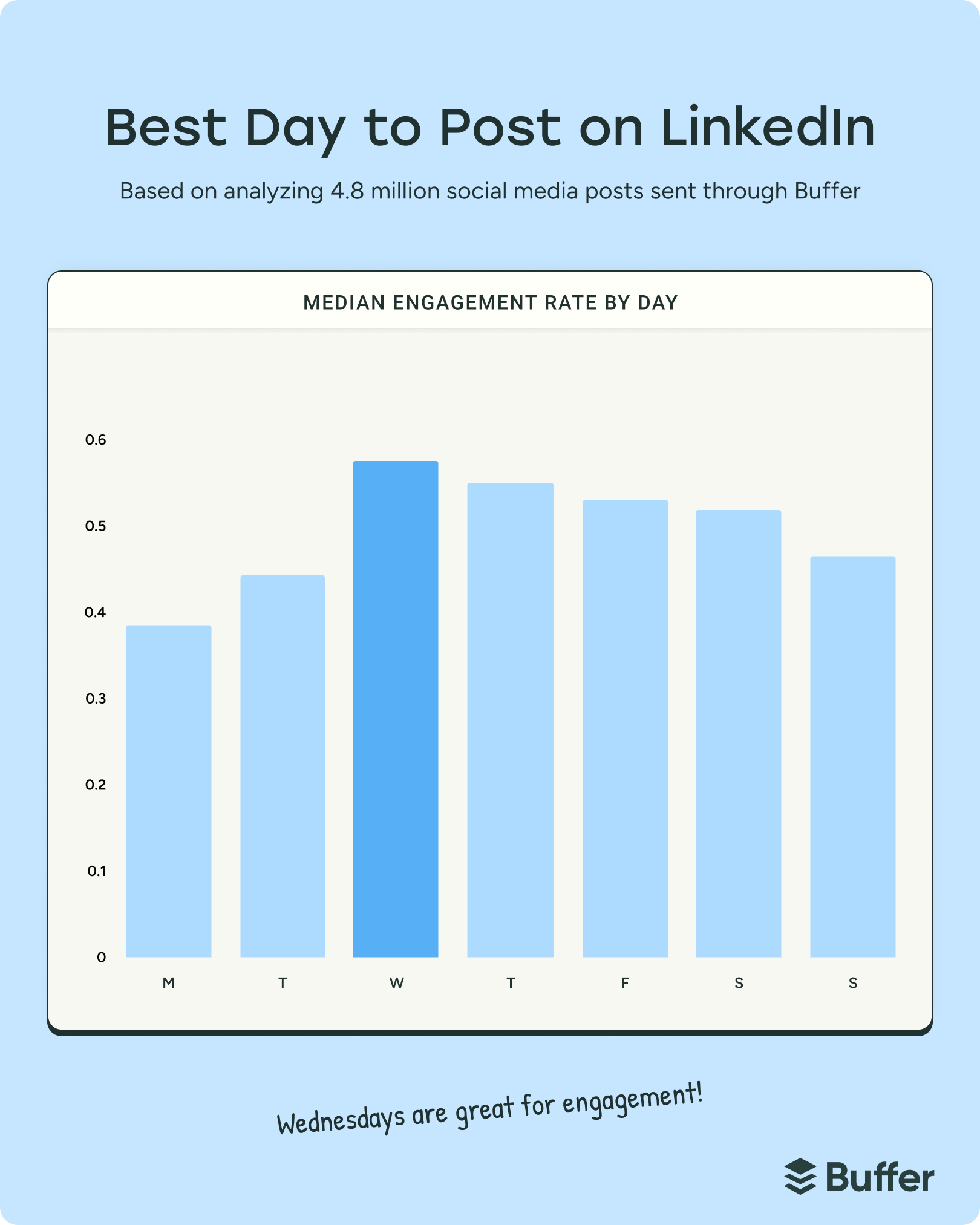
Wednesday emerges as the undisputed champion of the week. By midweek, professionals are fully immersed in their projects, seeking insights to bolster their work, yet they have not yet succumbed to the pre-weekend mental checkout. Our data indicates that Wednesday consistently outperforms all other days, making it the ideal slot for your most important announcements, thought leadership pieces, or high-value case studies.
The "Off-Peak" Caution
Conversely, Monday and Tuesday continue to show lower engagement figures. While it might be tempting to start the week with a flurry of activity, our data suggests that audiences are often in "heads-down" mode early in the week, clearing inboxes and managing immediate deadlines. If you are operating under tight content production constraints, prioritize your resources for the latter half of the week.
Expert Implications: What This Means for Your Strategy
The shift toward evening engagement is more than a data point; it is an invitation to reframe your content strategy. If your audience is engaging in the evening, they may be in a different mindset—perhaps more open to long-form storytelling, personal reflections, or professional development advice rather than urgent, deadline-driven updates.
The "Golden Hour" Myth
While the "golden hour"—the period immediately after posting when you should ideally see a spike in interaction—is not an official LinkedIn metric, it is a practical reality of algorithmic distribution. By publishing when your audience is already present, you increase the likelihood of that initial momentum. However, do not mistake timing for a cure-all. A perfectly timed post with low-value content will still fail. Timing is a multiplier for quality, not a substitute for it.
The Importance of Frequency
While we have established the when, the how often remains a critical pillar of your success. Our research into posting frequency indicates that the sweet spot for sustained growth is 2 to 5 times per week. Consistent activity signals to the algorithm that you are a reliable contributor. For those who can scale, moving to 6 to 10 posts per week offers significant compounding returns in impressions, and those hitting 11+ posts weekly see exponential growth in reach.
Format Matters: The Rise of the Carousel
Beyond timing, content format is the other side of the engagement coin. Currently, carousel (document) posts are generating up to 596% more engagement than text-only updates. This suggests that the audience is craving visual, digestible, and skimmable professional knowledge. Combining a carousel format with a 4 p.m. Wednesday posting time creates a powerful recipe for maximum visibility.
Navigating the Future: How to Test Your Own Audience
While these aggregate data points provide a robust baseline, they are not a substitute for your own unique audience data. Every industry has its own rhythm—the schedule for a group of software engineers in Silicon Valley will differ from the habits of healthcare professionals or freelance consultants.
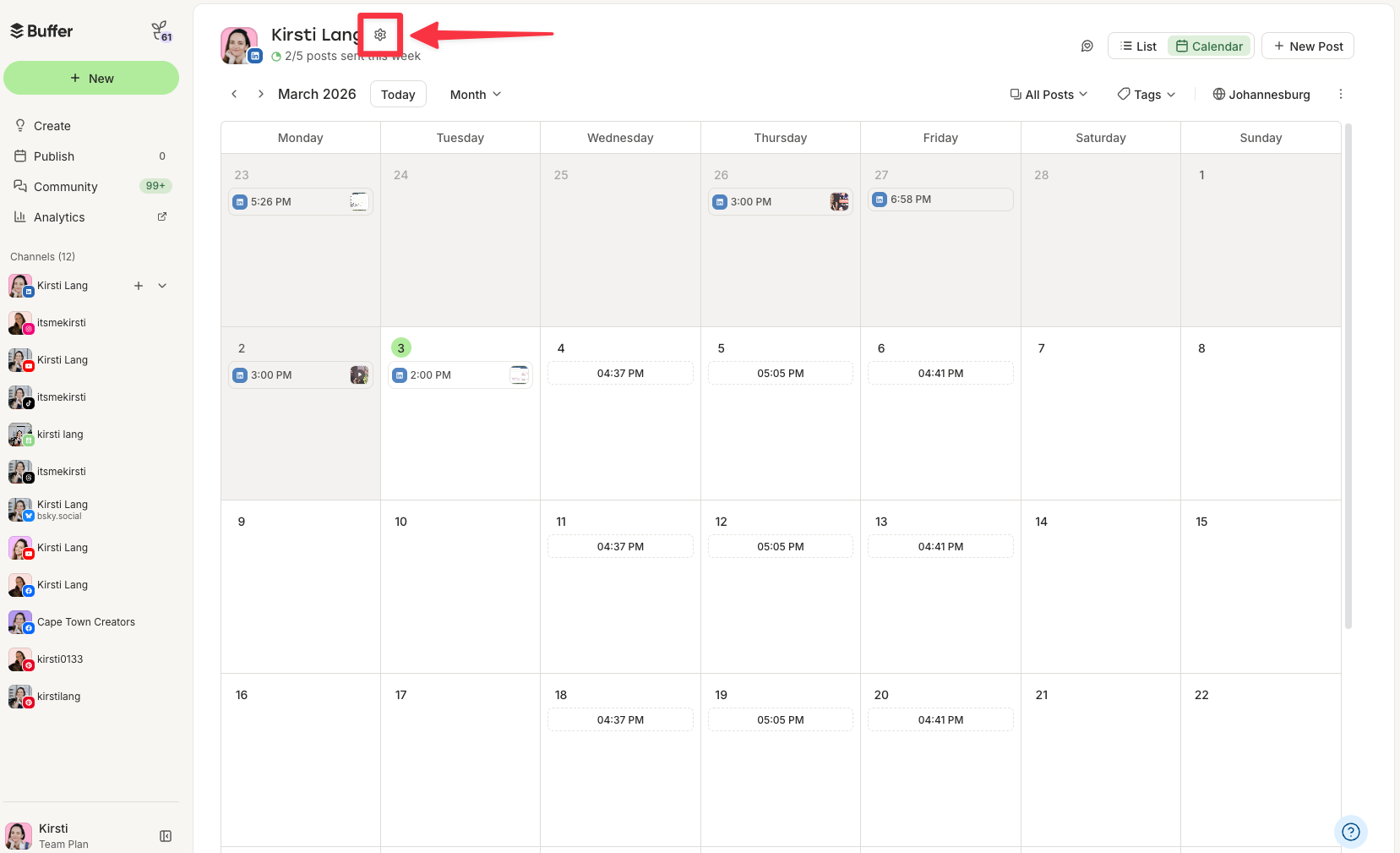
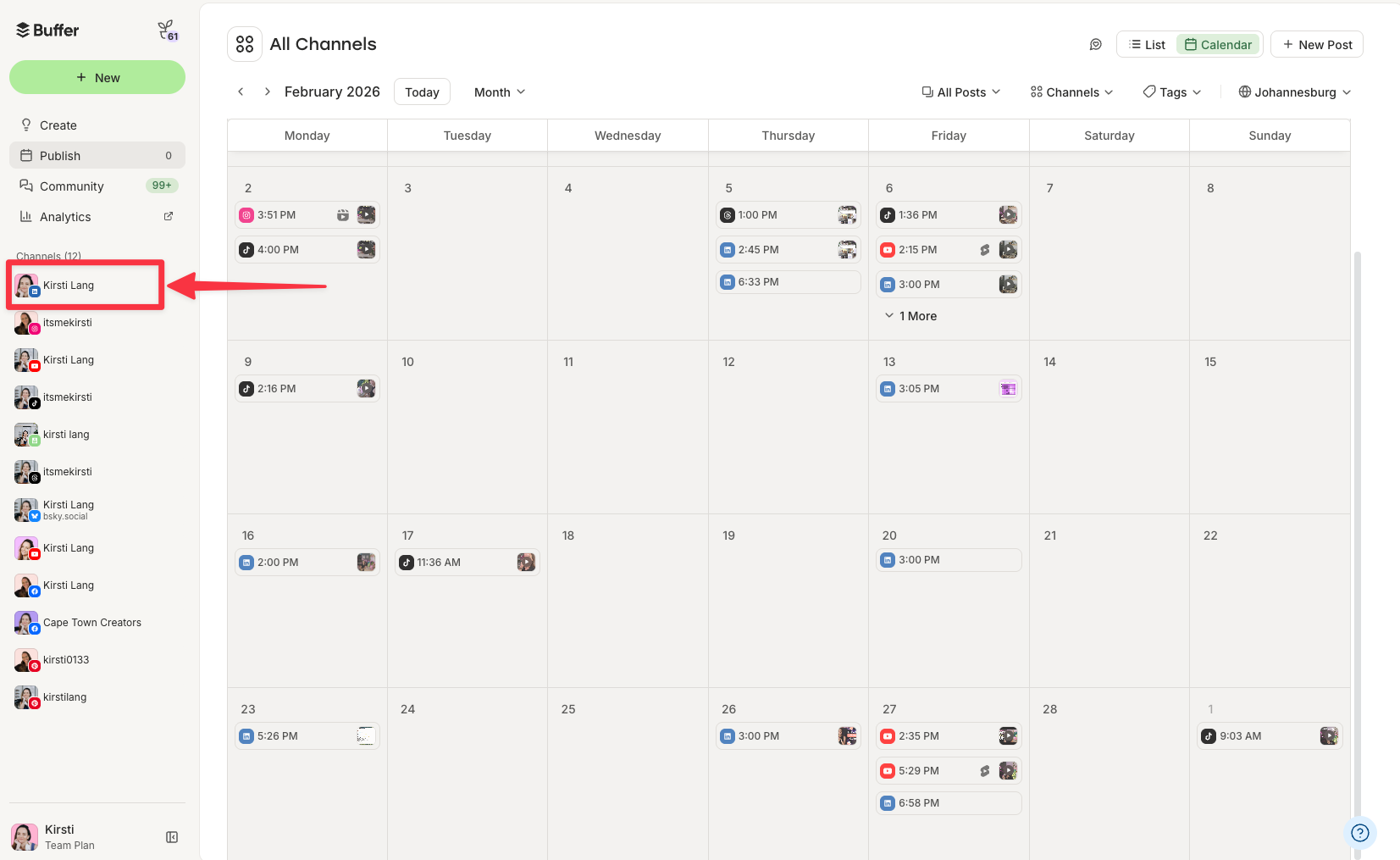
- Leverage Native Analytics: Use LinkedIn’s internal dashboard to identify which of your past posts performed best. Map these against your own posting history to see if you can spot a personal pattern.
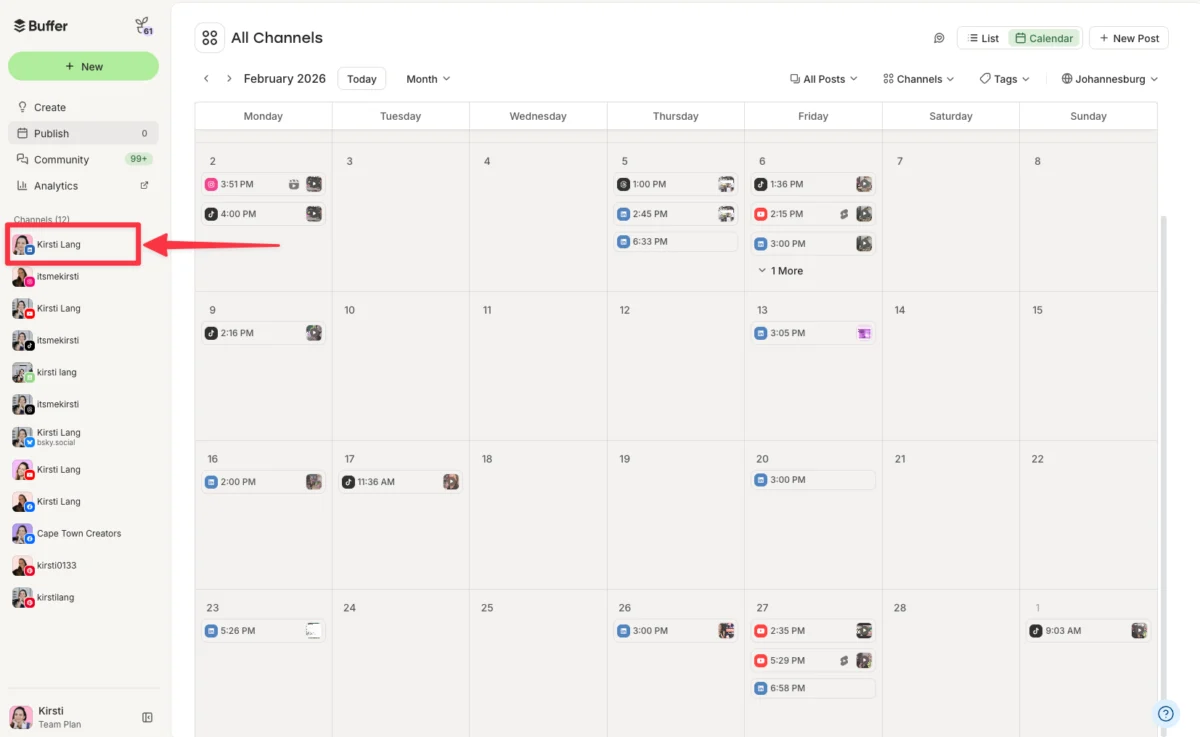
- Experiment with Buffers: Use scheduling tools to automate your posts at these recommended times. Once a month, review which "window" (e.g., the 4 p.m. slot vs. the 9 p.m. slot) generated more meaningful comments.
- Normalize Your Strategy: Remember that all recommendations provided here are based on local time. If you are a global brand, segment your posting strategy by the primary time zones of your key demographics rather than attempting a "one size fits all" global release.
Final Reflections
The move toward evening engagement on LinkedIn signals that the barrier between professional and personal digital life is becoming increasingly porous. Professionals are no longer viewing LinkedIn as a "work-only" obligation but as a resource for ongoing career growth that fits into their lifestyle.
As you plan your 2026 content calendar, use these findings as your starting point. Test the 3 p.m. to 8 p.m. window, lean into the mid-to-late week surge, and don’t be afraid to experiment with the new, quieter hours of the evening. By aligning your presence with the actual behavioral patterns of your audience, you don’t just post content—you become a part of their daily professional evolution.