






With 2026 looming just over the horizon, the publishing industry finds itself at a pivotal crossroads. For many independent creators, 2025 was a year of trial, error, and unexpected turbulence. Whether you are looking to refine your existing publishing strategy or considering a complete pivot, the path forward requires more than just enthusiasm—it demands a deliberate, data-backed approach to growth and sustainability.
As we look toward the new year, we have synthesized insights from industry experts, including Dan Oshinsky of Inbox Collective, Chenell Basilio of Growth in Reverse, and solopreneur strategist Justin Welsh. Their collective wisdom suggests that the most effective strategy for 2026 isn’t necessarily to do more, but to do better.
Main Facts: The State of Independent Publishing
The independent newsletter landscape has shifted. The days of "growth at all costs" are being replaced by a focus on "sustainability and intimacy." The primary challenge facing creators in the final quarter of 2025 is not a lack of tools, but an excess of noise.
Industry leaders agree on a fundamental truth: your first year of publishing is rarely a linear trajectory to success. It is a messy, iterative process. If you feel as though you have been drowning in a sea of "best practices," you are not alone. The goal for 2026 is to strip away the non-essential, leverage the assets already in your possession, and focus on high-impact activities that foster genuine community.
Chronology: The Evolution of the 2025 Creator
To understand where we are going, we must look at how we arrived here.
- Q1-Q2 2025 (The Launch Phase): Creators entered the year with high hopes, often over-investing in complex tech stacks, automated welcome sequences, and aggressive acquisition tactics. Many fell into the trap of prioritizing "viral" growth over relationship building.
- Q3 2025 (The Burnout Threshold): By mid-year, the reality of constant content creation hit home. Creators began to report fatigue caused by trying to maintain a presence across too many social platforms, managing excessive analytics, and chasing monetization methods that hadn’t yet been earned.
- Q4 2025 (The Reflection & Pivot): As the year concludes, the industry is witnessing a "correction." Successful newsletters are pivoting toward simplicity. The focus has shifted toward list hygiene, organic growth, and "leveraging" existing content—the hallmark of the current strategic reset.
Supporting Data: What Actually Moves the Needle
Data from top-tier newsletters suggests that simplicity often yields higher conversion rates than complexity. According to recent industry analysis, the most successful newsletters in the current climate share four common traits:

- Value-Driven Content: The newsletters that survived the "noisy" 2025 period were those that provided consistent, high-utility value to a specific niche.
- Niche Focus: Broad, generic content is struggling to cut through. Conversely, newsletters that cater to a hyper-specific audience are seeing higher open rates and deeper engagement.
- Community-First Models: Newsletters that treat subscribers as part of a community—rather than just a list of metrics—are experiencing higher retention rates.
- Process-Oriented Growth: Successful operators treat their newsletter as a long-term build, not a get-rich-quick scheme. They view every issue as a step in a larger, compounding process.
Official Insights: What to Skip in 2026
In a recent deep dive, Chenell Basilio identified six "traps" that new and mid-stage publishers should avoid to prevent burnout and increase their effectiveness.
1. Over-Automated Welcome Sequences
While welcome emails are essential for setting expectations, a massive, multi-part automated sequence can be a barrier to genuine connection. For smaller lists, a simple, human-written welcome that invites a reply is far more effective.
2. Premature Investment in Landing Pages
If you haven’t reached your first 50 subscribers, a high-converting, "fancy" landing page is a distraction. Your first subscribers should come from your immediate network—colleagues, friends, and family. Validate your premise before you build the infrastructure.
3. Early-Stage List Cleaning
Do not obsess over "list hygiene" or aggressive deletion of inactive subscribers when your list is under a few hundred people. Instead, reach out to inactive readers individually. The goal is to build relationships, not just clean databases.
4. Paid Ads as a Growth Crutch
Monetization through paid ads requires an established, high-traffic audience. If you cannot attract subscribers organically, paid ads will not solve your fundamental problem. Master your content resonance first.
5. Analytics Obsession
Numbers are important, but in the beginning, obsessing over conversion rates and complex funnel analytics is a "time suck." Focus on the quality of your content. If the content is compelling, the growth will follow.

6. The "Viral" Trap
Viral growth can be detrimental to an "un-cooked" publication. Growing slowly allows you to build a foundation of trust. Viral spikes often bring in subscribers who are not aligned with your mission, leading to high churn rates later.
The "Leverage" Strategy: How to Scale Without Burnout
Justin Welsh offers a powerful counter-narrative to the "grind" culture. His strategy is built on the concept of leverage—using your existing assets to achieve more with less effort.
The 5-12-3 Rule
This framework is designed to prevent creative burnout:
- 5 Seconds: Every piece of content must capture attention within five seconds.
- 12 Months: Ensure your content remains relevant for at least a year.
- 3 Platforms: Distribute one idea across three different platforms to maximize reach without reinventing the wheel.
Investing in Human Capital
If a task takes you multiple days but could be solved by a professional in a few hours, pay for the help. Investing in others isn’t an expense; it is a way to reclaim your time for higher-level creative work.
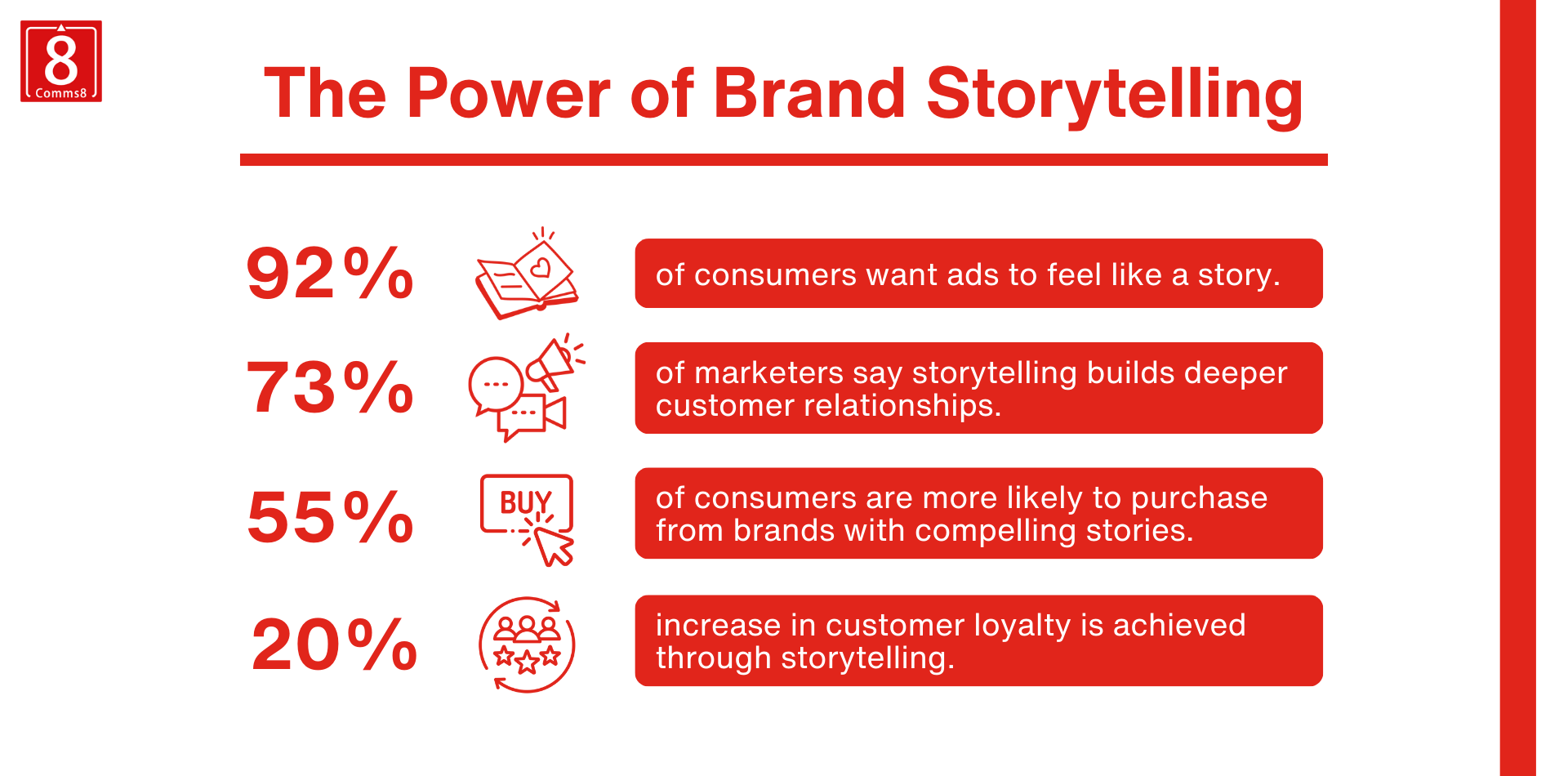
Storytelling as Currency
Content is a commodity; stories are the premium. When a piece of content underperforms, it is often a failure of presentation, not substance. Infuse your work with personal narrative. People invest in creators they believe in, not just the information they provide.
The Power of "No"
You do not have to say yes to every opportunity. In fact, saying no to projects that do not excite you is a strategic advantage. Happiness is a key performance indicator. When you are genuinely excited about your work, it shows, and your audience responds accordingly.

Implications: Building a Resilient Future
The implication for 2026 is clear: the most successful creators will be those who embrace simplicity, prioritize personal storytelling, and focus on the "human" element of the medium.
As we move into the new year, take a moment to audit your current publication. Are you chasing metrics that don’t matter? Are you spreading yourself too thin? Are you creating content that you are proud of, or content that you feel "obligated" to produce?
The market is shifting away from the complex and the perfect, moving toward the fast, the simple, and the authentic. When you find a format or a topic that resonates, lean into it. Hammer it home. Find the intersection of what you do easily and what provides the most value to your readers.
In the end, your newsletter should be an extension of your life and your expertise. By stripping away the bloat and focusing on high-leverage activities, you can build a business that not only succeeds in 2026 but uplifts you in the process.
Let’s make 2026 the year of intentional, sustainable growth.