






Somewhere deep within your current email database lies a goldmine of untapped revenue. It consists of customers who have purchased from you multiple times, left glowing reviews, and—perhaps most importantly—already possess the social capital to advocate for your brand. They are your superfans, and while they would likely recommend your products to their inner circles without a second thought, the vast majority of business owners fail to provide them with the necessary framework to do so.
In today’s hyper-competitive digital landscape, relying solely on paid advertising algorithms is a losing battle. To truly scale, brands must shift their perspective: stop viewing referrals as a "set-it-and-forget-it" link in the website footer and start building a high-functioning referral engine.
The Power of Peer-to-Peer Advocacy
When a friend recommends a product, they aren’t just passing along a link; they are transferring a degree of trust built over years of relationship-building. This is the "trust transfer" phenomenon. When a consumer receives a recommendation from a friend, they skip the arduous process of reading reviews, comparing alternatives, and scouring Reddit for feedback. The vetting is already complete.
Data consistently shows that referred customers boast higher conversion rates, lower customer acquisition costs (CAC), and significantly higher lifetime value (LTV) than customers acquired through traditional paid channels. Unlike cold leads generated via Facebook or Google ads, referred customers arrive pre-qualified. Your existing customers act as an organic, hyper-efficient targeting algorithm because they intuitively understand who in their network would benefit from your offering.
Anatomy of a Failed Program vs. A Referral Engine
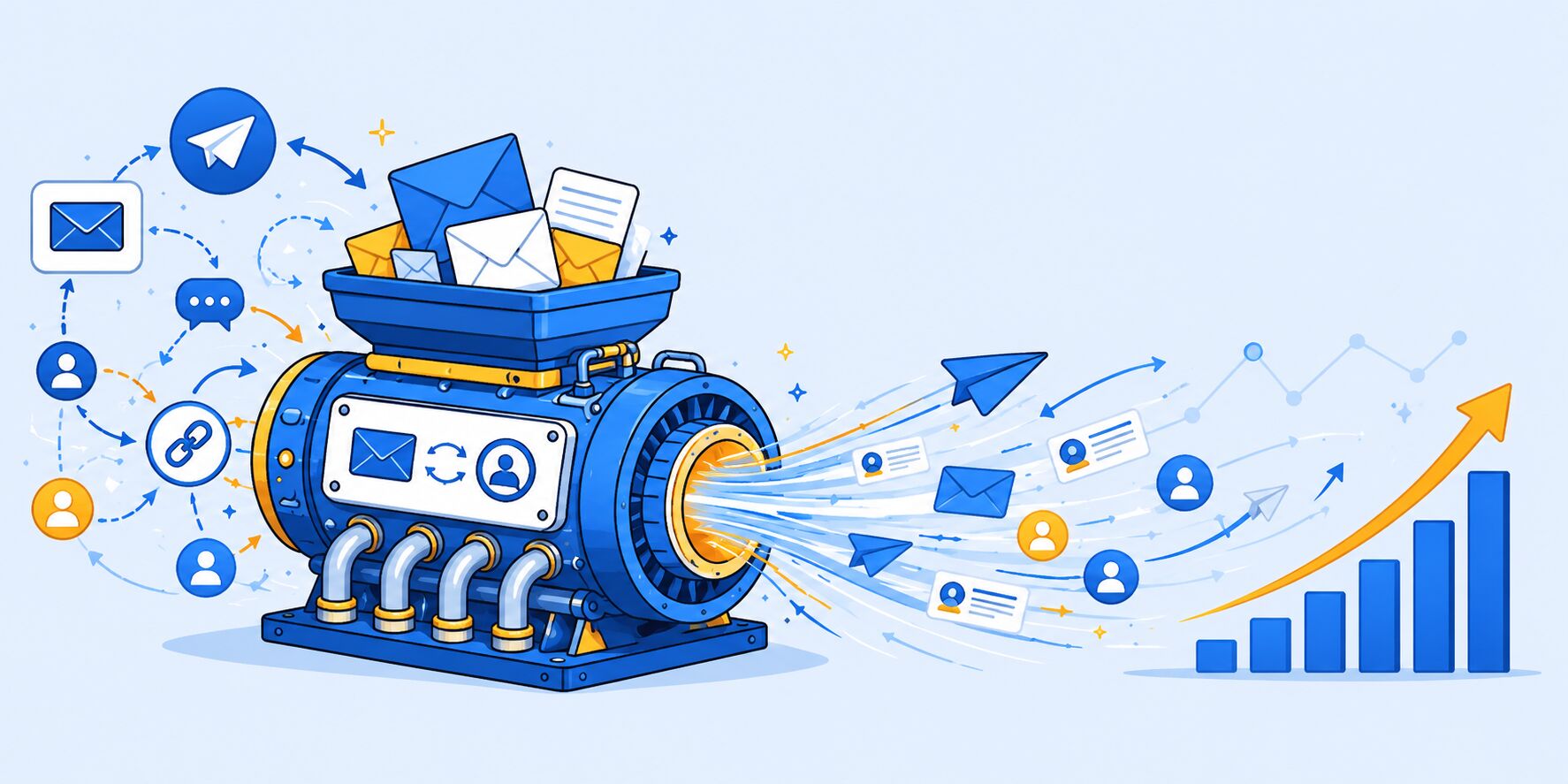
Most founders treat referral programs like a gym membership they purchased in January: it exists on paper, but it is rarely utilized. A "referral page" is a passive destination that relies on the customer to seek it out. A "referral engine," by contrast, is a proactive infrastructure that integrates into the customer journey.
The difference lies in intentionality. An engine uses specific triggers, scheduled touchpoints, and segmented messaging. It doesn’t wait for the customer to remember the program exists; it serves the invitation at the precise moment that goodwill is at its peak.
Timing is Everything: Mastering the "Moment of Delight"
The most common mistake in referral marketing is the lack of context. Sending a generic "Refer a Friend" blast to an entire email list on a random Tuesday is effectively "wallpaper"—it blends into the background noise of a crowded inbox.
To maximize engagement, you must ask for a referral at the "Moment of Delight." These are the windows where the customer’s satisfaction is highest:
- Post-Purchase High: A few days after a repeat purchase, when the excitement of the new product is fresh.
- The Review Cycle: Immediately after a customer submits a five-star review or provides positive feedback via a support ticket.
- Engagement Milestones: When a user replies to a newsletter with a question or a compliment, signaling a deeper connection to your brand.
By automating these triggers, you remove the guesswork. You aren’t "extracting" value; you are facilitating a natural conversation at the exact moment the customer is most likely to be an evangelist.
The Economic Mandate: Why Double-Sided Rewards Matter
One-sided referral rewards—where only the referrer gets a kickback—often feel transactional and "grubby," essentially turning friendships into a monetization strategy. Conversely, if only the new customer gets a discount, the existing customer has no incentive to exert the effort required to share.
The "Double-Sided Reward" is the gold standard of referral economics. A "Give $10, Get $10" model turns the interaction into a mutual favor. The referrer provides value to their friend in the form of a discount, and the referrer receives a thank-you for their loyalty. This alignment of incentives ensures that both parties feel like winners.
The reward itself does not need to be extravagant to be effective. Whether it is a flat discount, free shipping, or exclusive early access to a new product drop, the value lies in the social gesture, not just the financial gain.
Friction: The Silent Killer of Growth
Even with the perfect offer, your program will fail if the user experience is clunky. Friction is where referral programs go to die. If a customer has to navigate to a new page, find their unique link, and draft a message from scratch, the referral rate will plummet.
The 15-Second Rule: If a customer cannot complete the referral process within fifteen seconds of opening your email, you have lost them.
- Unique Attribution: Every customer must have a unique, trackable link that functions automatically.
- Pre-written Copy: Provide a short, human-centric message that they can send as-is or lightly edit.
- Platform Integration: Ensure the "Share" buttons function where the customer lives—WhatsApp, iMessage, and email.
Remember that while your "superfans" (the top 2% of your list) might be willing to jump through hoops, the remaining 98%—the "quietly satisfied majority"—require absolute ease to participate.
Strategic Segmentation: Don’t Ask Everyone
A common pitfall is treating your entire email list as a monolith. Sending a referral request to a customer who hasn’t engaged with your brand in eight months is not just ineffective; it is a distraction that trains your audience to ignore your calls to action.
Instead, build a "Referral Segment." This group should consist of repeat buyers, frequent reviewers, and active community members. This is where modern marketing automation tools like Omnisend become indispensable. By integrating with loyalty platforms like Smile or Yotpo, you can automate the entire backend:
- Identification: Segmenting high-intent, high-satisfaction customers.
- Automation: Triggering the referral email based on specific behavioral data.
- Attribution: Tracking the reward fulfillment the moment a referred friend converts.
Implications for Future Growth
The reality for modern entrepreneurs is that word-of-mouth marketing is already happening. Your customers are discussing your brand in group chats, at dinner tables, and on social media, regardless of whether you have a formal program in place.
Building a referral engine is simply the act of professionalizing that existing generosity. It is about providing the infrastructure that allows your customers to advocate for you more effectively and more often. When you combine precise segmentation with frictionless technology, you transform your customer base from a passive audience into a scalable acquisition channel.
For those looking to build this infrastructure, tools like Omnisend offer a streamlined path, handling the complex logic of rewards and flows so that the founder can focus on what matters: crafting a brand experience so good that customers can’t help but share it.
Foundr readers can leverage this infrastructure today with a 50% discount on their first three months of Omnisend using code FOUNDR50. With free migration services and industry-leading SMS pricing, the barrier to entry for building a world-class referral engine has never been lower.