In an era where the television has evolved from a passive display into a sophisticated, internet-connected computer, the way we perceive "durability" has undergone a radical shift. For decades, a television was considered a generational purchase—a piece of hardware that would reliably serve a household for fifteen or twenty years. Today, while the panel itself might remain physically functional, the software ecosystem powering it often hits a "hard wall" of obsolescence long before the pixels begin to fade.
As consumers invest thousands of dollars into cutting-edge 4K and 8K displays, the question of software longevity has become as critical as contrast ratios and refresh rates. When a smart TV stops receiving updates, it doesn’t just lose access to new features; it becomes a security liability and a repository for broken, unsupported applications. Understanding which manufacturers offer the most robust long-term support is no longer a luxury—it is an essential component of informed consumerism.
The Landscape of Support: Why Policies Matter
The modern smart TV is essentially a specialized computing device running an operating system—be it Tizen, webOS, Google TV, or a proprietary platform. Much like a smartphone or a laptop, these systems require regular security patches, performance optimizations, and app compatibility updates to function in an evolving digital landscape.
However, unlike the smartphone market, where industry leaders like Apple and Google have established clear, multi-year update guarantees, the TV industry remains fragmented. There is no universal standard for "end-of-life" (EOL) support. Some manufacturers have begun to adopt transparent, long-term commitments, while others offer vague, model-specific windows that leave consumers guessing.
The Shift Toward Transparency
In recent years, the industry has seen a pivot toward longer support cycles, largely driven by environmental regulations and consumer pressure. Manufacturers are beginning to recognize that premature software obsolescence contributes to the growing global e-waste crisis. Consequently, the "set it and forget it" mentality of the past is being replaced by structured support programs.
A Comparative Chronology: Who Commits to What?
To understand the current state of software longevity, one must look at the varying commitments made by the major players in the industry.
The Samsung "Seven-Year" Gold Standard
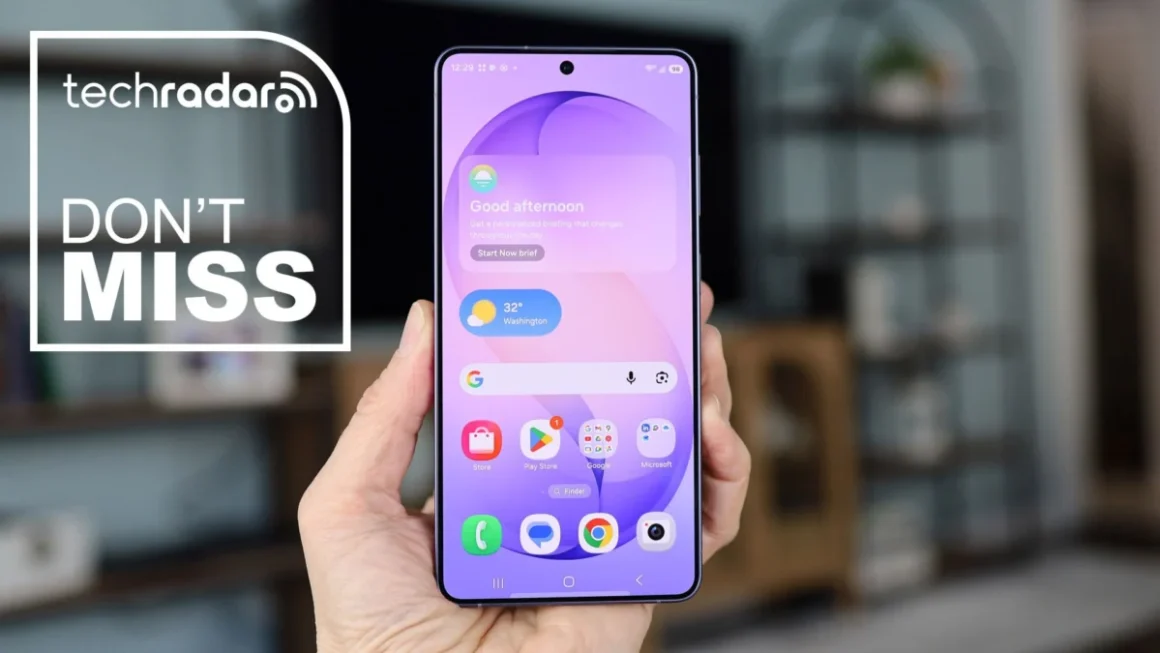
Samsung has recently set a high bar for the industry. For its 2024 television lineup and select 2023 models, the company has committed to seven years of software updates for its Linux-based Tizen OS. This is a monumental shift; a consumer purchasing a 2024 model can reasonably expect their television to remain fully functional, secure, and app-compatible until at least 2031.
It is important to note, however, that this "seven-year" promise does not necessarily mean seven years of major OS upgrades. Older models may see a transition from full-feature updates to periodic maintenance and critical security patching. Nevertheless, the commitment provides a level of financial predictability that is rare in the current market.
LG and the webOS Re:New Program
LG, a primary competitor to Samsung, introduced its "webOS Re:New" program in early 2024. This initiative guarantees four years of webOS upgrades for TV models released from 2022 onwards.
The strategy here is unique: updates are delivered with a one-year delay compared to the latest iteration of the OS found on brand-new hardware. For instance, the software that debuts on a 2026 TV will make its way to a 2025 model a year later. While this cycle is shorter than Samsung’s, it offers a concrete, predictable roadmap that ensures users aren’t left behind immediately after their purchase.
Sony: The Model-Specific Approach
Sony occupies a different niche. Rather than offering a blanket, company-wide policy, Sony manages support on a model-by-model basis. Sony’s transition to the Google TV platform (and previously Android TV) means that the software experience is largely dictated by Google’s development cycle rather than Sony’s proprietary engineering.
By visiting Sony’s support documentation, users can often find explicit "end-of-life" dates for their specific units. For example, some 2025 Bravia models have clearly defined support windows extending into 2029 or 2030. This transparency is commendable, even if it lacks the broad, sweeping guarantees seen with Tizen or webOS.
TCL, Vizio, and the "Best Effort" Strategy
TCL and Vizio represent the more budget-conscious end of the spectrum. TCL, in its documentation, refers to a "typical" two-year window for security updates following the first shipment of a device. However, this is often vague, and because these TVs run on third-party platforms like Roku or Google TV, the support lifespan is often tied to those underlying operating systems.
Vizio, similarly, relies on frequent automatic firmware updates but stops short of guaranteeing a fixed duration of support. For these brands, the user is often at the mercy of the platform provider (such as Google or Amazon) rather than the hardware manufacturer itself.
The Geographic Variable: Why Your Location Affects Your TV
It would be a mistake to assume these policies are global. Software support is often dictated by regional market conditions and local legal requirements.
A prime example is Hisense. In Europe, Hisense has made a bold pledge to support its proprietary VIDAA OS for up to eight years on newer models. However, in the North American market, many Hisense TVs run on entirely different platforms, such as Android TV, Fire TV, or Roku. In these cases, the "eight-year" promise is irrelevant because the software stack is provided by a third party. When you purchase a TV with an integrated OS like Fire TV, your support cycle is tethered to Amazon’s policies, which generally guarantee security updates for at least four years.
Implications for the Consumer
The Security Risk
The most significant implication of limited support is security. A "smart" TV is an IoT (Internet of Things) device. If it is no longer receiving security patches, it becomes a vulnerable node on your home network. Cybercriminals can exploit unpatched firmware to gain access to your network, steal data, or even hijack the device to participate in botnets. Consumers should treat an unsupported smart TV with the same caution they would a Windows 7 computer connected to the internet.
The Financial Strategy
If you are currently shopping for a TV, the "support lifespan" should be a top-three factor in your decision-making process. If you intend to keep a television for nearly a decade, the initial cost difference between a brand with a seven-year support policy and one with an ambiguous "best effort" policy is negligible when amortized over the life of the product.
The "Streaming Box" Solution
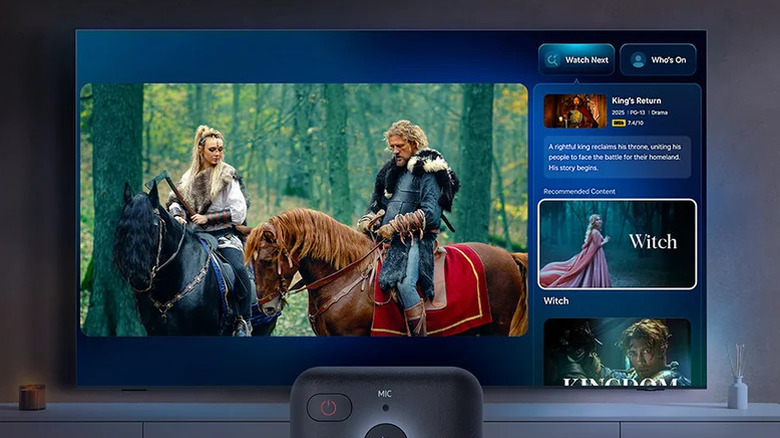
What happens when your TV reaches its end-of-life? You do not need to discard a perfectly good display. The industry has reached a point where the panel and the computer are effectively decoupled. If your smart TV’s native interface becomes sluggish or stops receiving app updates, purchasing an external streaming device—such as an Apple TV 4K, a Roku Streaming Stick, or a Chromecast with Google TV—is an inexpensive way to "resurrect" the television.
These devices are generally updated more frequently than the average TV’s onboard software. By shifting the "smart" functionality to a $50–$150 external box, you can bypass the manufacturer’s software limitations entirely, allowing you to focus your TV purchase budget purely on picture quality, brightness, and build quality.
Final Thoughts: Looking Ahead
The television industry is clearly moving toward a model where software is as important as hardware. As consumers become more tech-literate, manufacturers are being forced to justify their prices not just with panel technology, but with long-term software commitments.
While the "seven-year" pledges from industry giants are a major step forward, the lack of a standardized, legally mandated support window remains a gap in the market. Until such a standard exists, consumers must remain vigilant, checking the specific support policies of manufacturers before finalizing their purchase, and remaining prepared to utilize external hardware to extend the utility of their displays. The future of the living room is not just about the screen you watch—it is about the software that keeps that screen relevant in an ever-changing digital world.