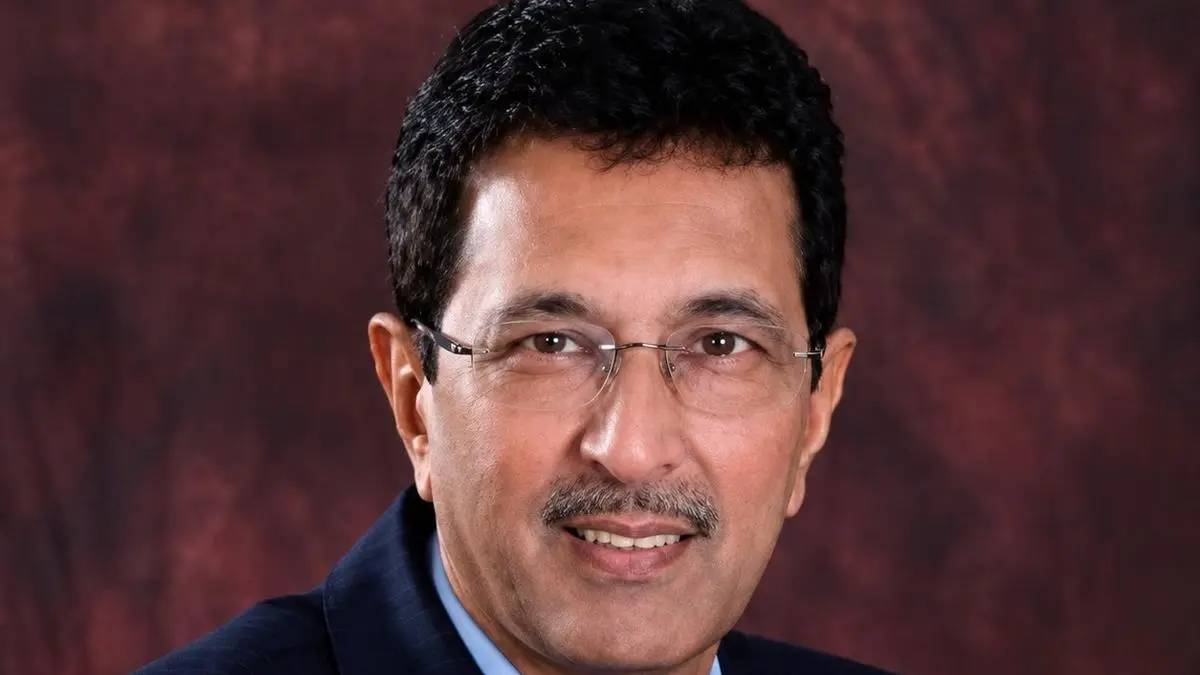
In a bold strategic pivot that marks the most significant inflection point in its half-century history, GP Petroleums Ltd (GPPL) is undergoing a sweeping corporate metamorphosis. Steering this transformation is Dilip Vaswani, a veteran of the global energy sector with over three decades of experience, whose appointment as Non-Executive Director has signaled a shift from being a domestic industrial lubricant player to becoming a diversified, international energy platform.
As of October 2026, the company is poised for a dramatic scale-up. Through the integration of strategic overseas assets and a aggressive domestic expansion plan, GPPL is targeting a turnover of approximately ₹3,000 crore—a nearly five-fold increase from its FY26 standalone revenue of ₹643 crore. This ambitious roadmap is not merely a collection of acquisitions; it is a meticulously crafted strategy designed to capture the high-margin automotive sector while leveraging emerging markets in Africa and Southeast Asia.
The Genesis of Strategy: A Veteran’s Vision
Dilip Vaswani’s career is defined by his ability to build energy operations from the ground up. As the first employee of ELF in India, Vaswani was instrumental in establishing the brand’s footprint before scaling operations across the Asia-Pacific, the Middle East, and the Philippines under the Total umbrella.
Vaswani views the current landscape at GPPL through the lens of a builder. "When you are starting from virtually zero, the only way is up," he notes, drawing parallels between his tenure at Total and the current opportunity at GPPL. His leadership philosophy centers on the conviction that operational excellence, combined with a clear geographical and sectoral expansion, can turn a mid-sized entity into a global competitor.
Chronology of Transformation: From Industrial Niche to Global Player
The restructuring of GPPL follows a logical, phased progression of corporate evolution:

- The Foundation (Pre-2025): GPPL operated primarily as a robust industrial lubricants company with its legacy iPOL brand, holding a strong grip on industrial applications and rubber process oils.
- The Strategic Inflection (June 2026): Incubit, a new strategic investor, secured a 14% stake in GPPL, providing the capital and the mandate for the company’s international integration project.
- Asset Consolidation (2026): The company began the integration of a multi-asset portfolio, including lubricant manufacturing facilities in Nigeria and Tanzania, fuel retail networks in Kenya and Uganda, the Pipavav terminal asset, and the Dubai-based MagLube entity.
- The Future Horizon (2027-2030): The company plans to aggressively scale its automotive lubricant volumes and extend its retail footprint, with a roadmap to enter broader Southeast Asian markets once the initial consolidation is stabilized.
Supporting Data: Mapping the ₹3,000 Crore Ambition
The financial transformation of GPPL rests on the successful integration of its new, high-growth assets. Currently, GPPL operates with a standalone turnover of ₹643 crore. The injection of the Incubit-backed portfolio fundamentally alters the company’s revenue profile.
Comparative Metrics
| Metric | FY26 (Standalone) | Projected Post-Integration |
|---|---|---|
| Annual Turnover | ~₹643 Crore | ~₹3,000 Crore |
| Automotive Volume | ~4,500 Tonnes | ~20,000 Tonnes (Target) |
| Fuel Stations | Baseline | 100+ (Targeted in Africa) |
The pivot to automotive lubricants is the engine of this growth. With the automotive segment representing 55% of the total Indian lubricant market, GPPL is moving to capture a larger share of a market that yields significantly higher margins than the traditional industrial oil business. The strategy involves a two-pronged branding approach: utilizing the Repsol licensing arrangement to challenge premium global incumbents like Castrol and Valvoline, while keeping iPOL as the workhorse for the mass-market segment.
Official Responses and Strategic Pillars
The Automotive Pivot
"The main focus is now on growing the automotive business," says Vaswani. To achieve the target of moving from 4,500 tonnes to 20,000 tonnes in annual volumes, GPPL is executing a comprehensive revamping of its distribution channels. The company recognizes that the mechanic is the primary influencer in the Indian lubricant market; therefore, the strategy involves deepening grassroots engagement, incentivizing the trade channel, and professionalizing the supply chain.
Africa and Southeast Asia: The Growth Engines
Vaswani’s intimate knowledge of emerging markets is being put to the test in Africa. By expanding the fuel retail network in Kenya and Uganda from roughly 40 to 100 stations, GPPL is not just selling lubricants; it is building a physical presence in the energy retail space. This provides a captive market for its lubricant products and offers a blueprint for expansion into other high-growth African economies.
The AI-Driven Operational Model
One of the most modern aspects of the GPPL transformation is its approach to scalability. Recognizing the pitfalls of bloated operational costs, the company has appointed an AI leader to oversee the integration of digital tools.

Vaswani explains that this is not about workforce displacement, but about efficiency. "With the existing headcount, we can probably support a business twice the current size," he asserts. By automating supply chain logistics, inventory management, and demand forecasting, GPPL aims to ensure that its bottom line grows in lockstep with its revenue, avoiding the "diseconomies of scale" that often plague aggressive expansion projects.
Implications for the Market and Stakeholders
The transformation of GPPL carries significant implications for the Indian lubricants market and the broader energy sector:
- Competitive Landscape: The entry of a strengthened GPPL, armed with the Repsol brand and a significantly expanded distribution network, introduces a new dynamic into a market long dominated by a few global players. The shift will likely force a reassessment of pricing and promotional strategies among competitors.
- Investor Confidence: The recent fundraising activities, such as the ₹130 crore infusion from the Revx fund, indicate a strong appetite among investors for companies that show a clear transition from domestic industrial niche players to broader energy platforms. This provides the company with the financial headroom necessary to avoid over-reliance on internal cash flows.
- The "India Growth" Thesis: For Vaswani, the ultimate success of this project is tied to the strength of the Indian economy. By positioning GPPL to serve both the industrial and automotive sectors, the company is creating a hedge against market volatility.
- Operational Maturity: By integrating international assets early in the growth cycle, GPPL is moving away from a single-country dependency. This diversification into Africa and the potential for future expansion into Southeast Asia positions the company as a regional energy player rather than a localized firm.
Conclusion: A New Era for GPPL
As the company moves toward the end of 2026 and into 2027, the eyes of the energy sector will be fixed on the integration of its African and Middle Eastern assets. The combination of Vaswani’s seasoned leadership, the strategic infusion of capital from Incubit, and a disciplined approach to AI-backed scalability suggests that GPPL is not merely aiming for growth, but for a fundamental shift in its organizational DNA.
Whether the company can successfully bridge the gap between its legacy industrial roots and its high-octane automotive ambitions remains the central question. However, with a clear roadmap, a multi-brand strategy, and a focused effort to capture the burgeoning demand in emerging markets, GPPL is positioning itself to be a formidable player in the global energy landscape for decades to come. The goal is clear: a 3,000-crore, AI-enabled, multi-continental enterprise that is prepared for the energy demands of the future.