









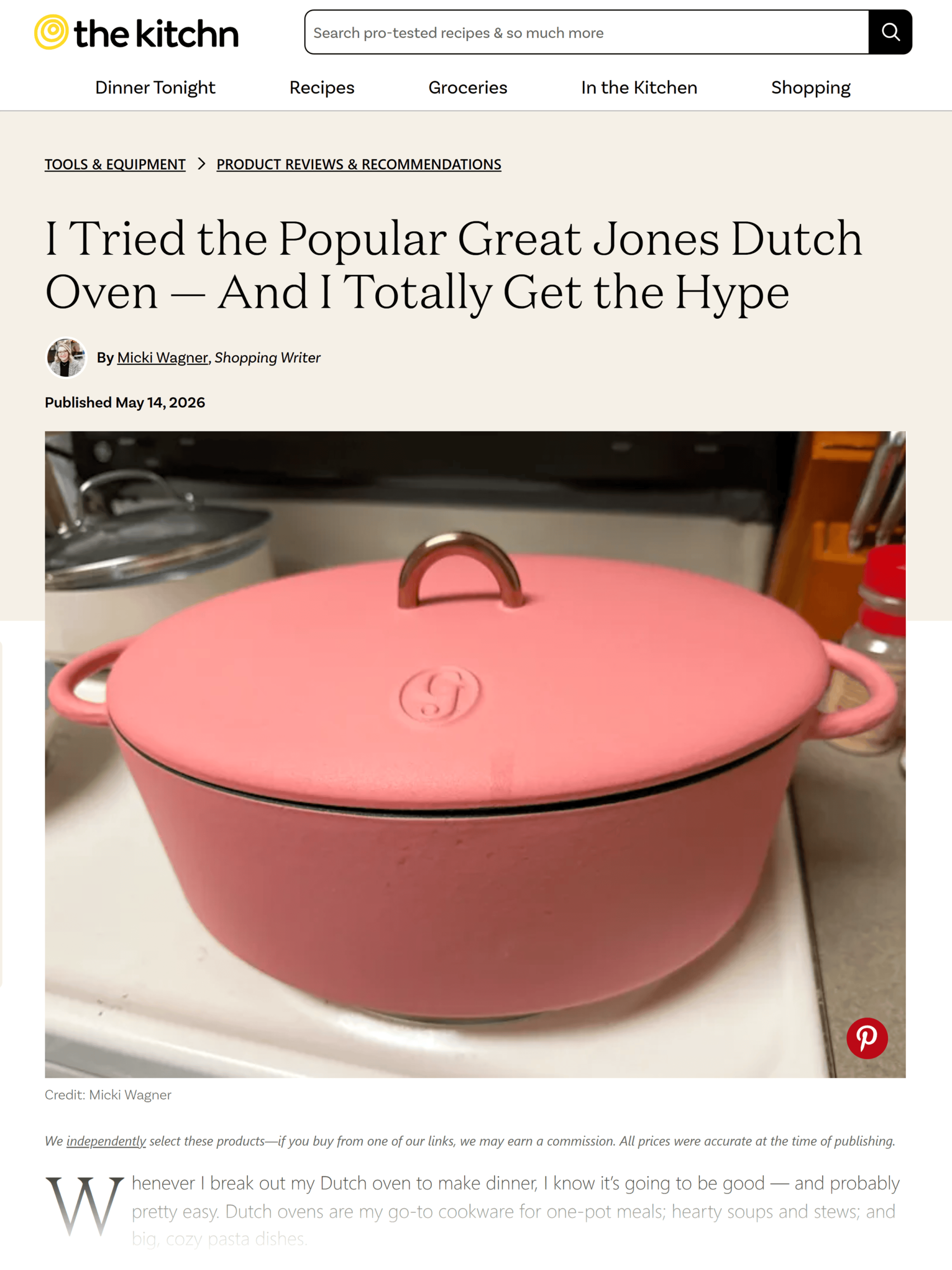
In the modern digital ecosystem, high-quality products and glowing press coverage are no longer a guaranteed shortcut to search engine dominance. You can be a beloved brand, receive accolades from industry titans like Vogue, The New York Times, and Bon Appétit, and still remain effectively invisible when a customer asks a search engine or an AI model for the "best" product in your category.

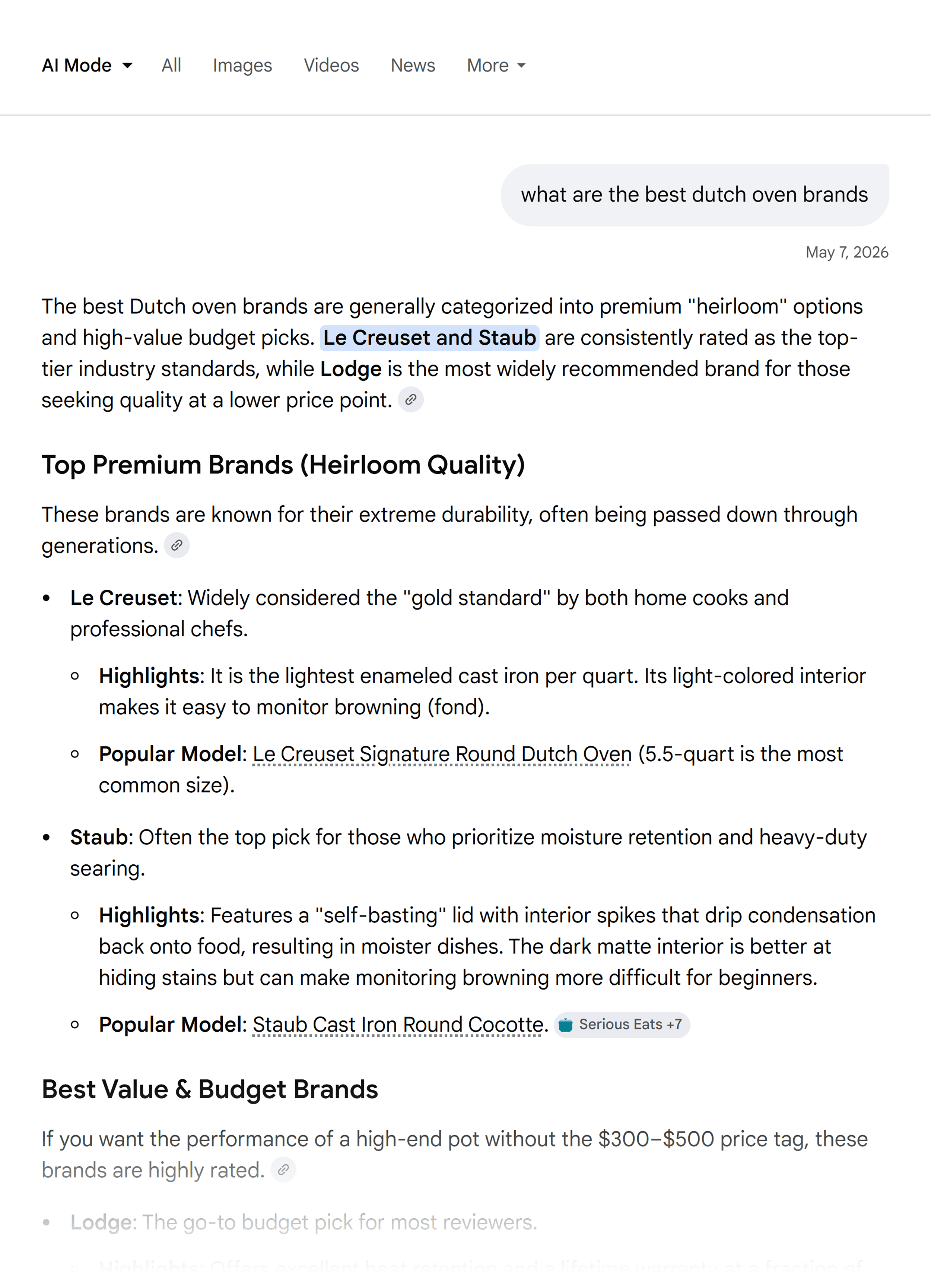
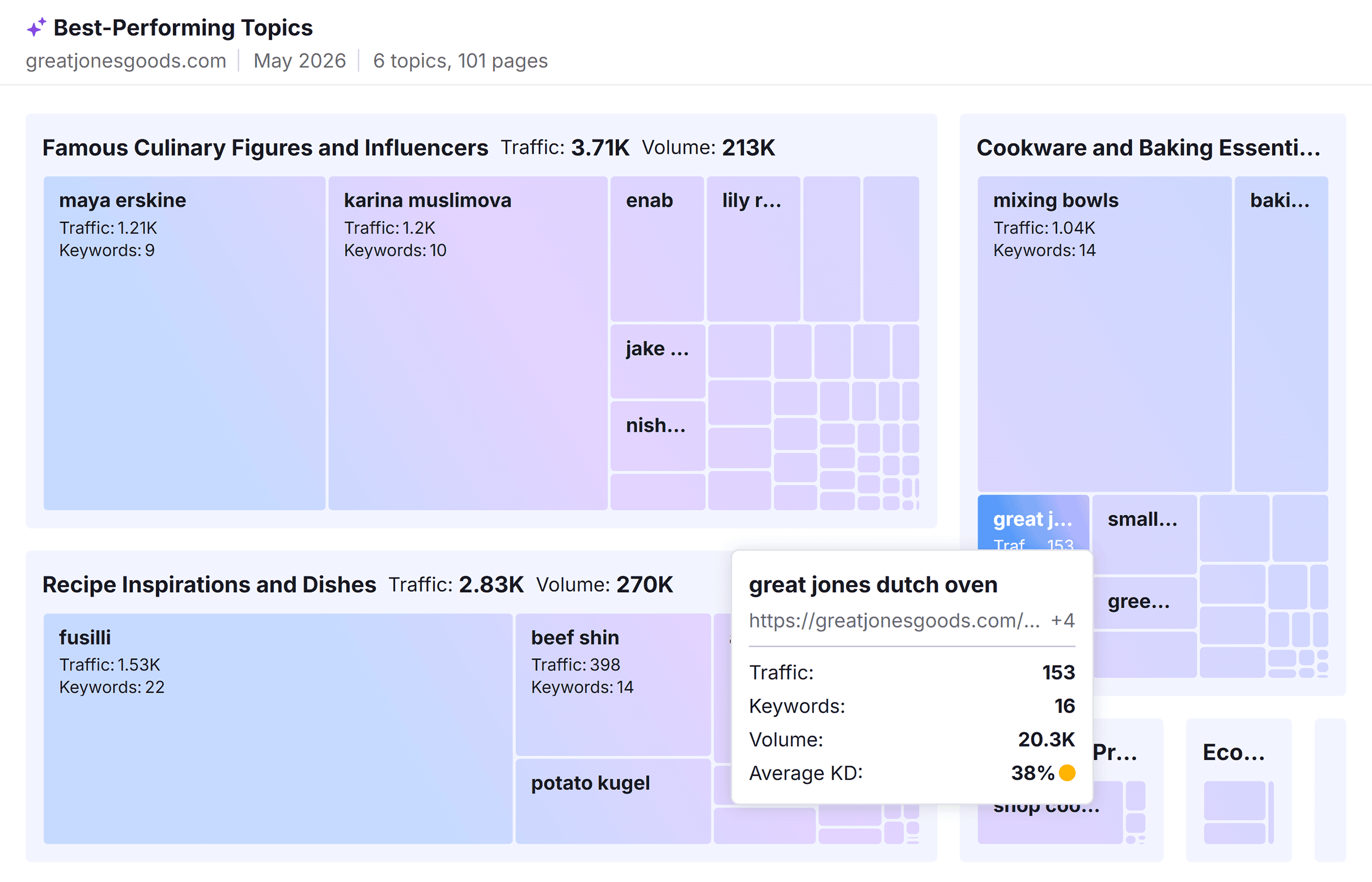
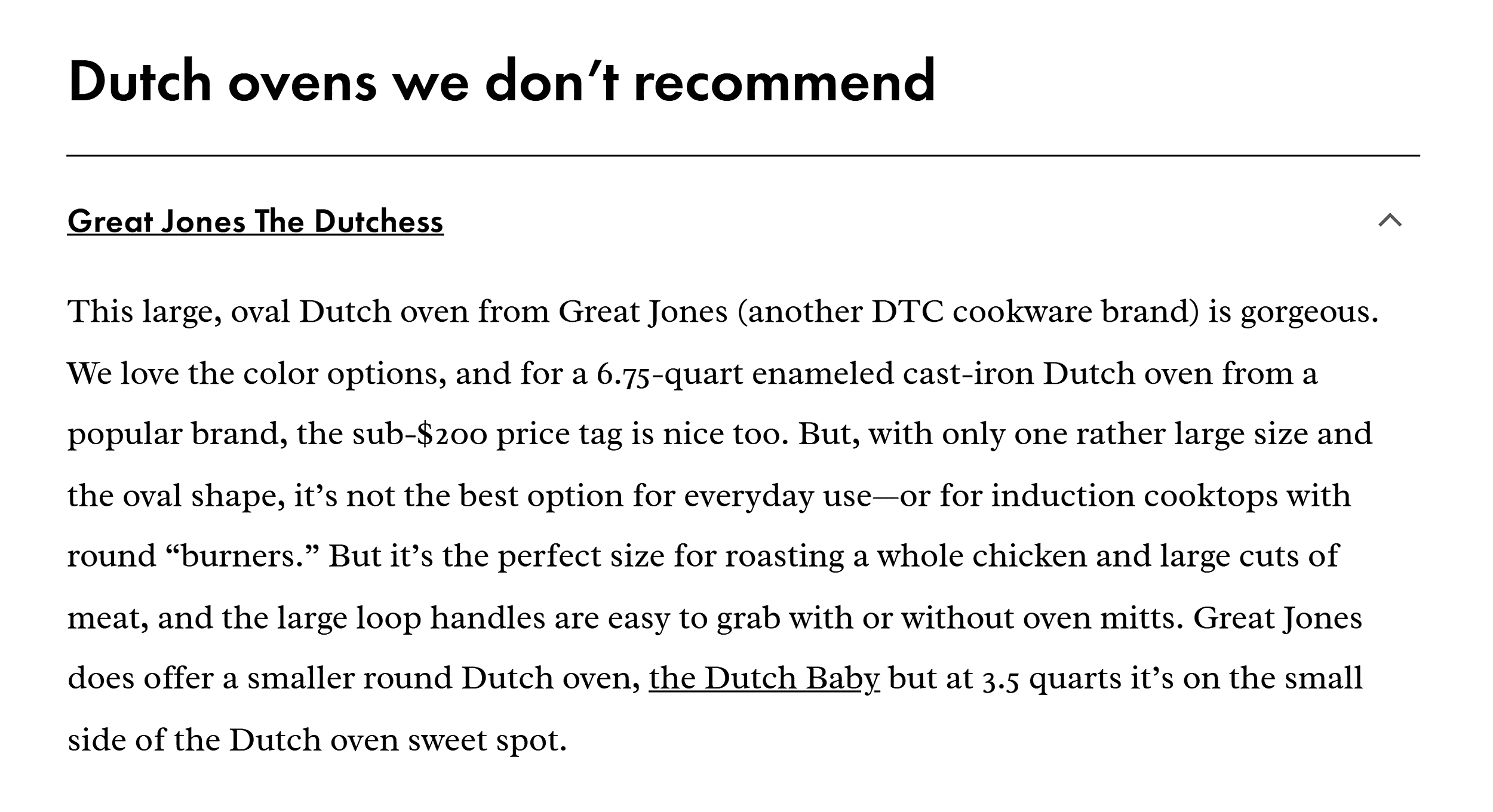
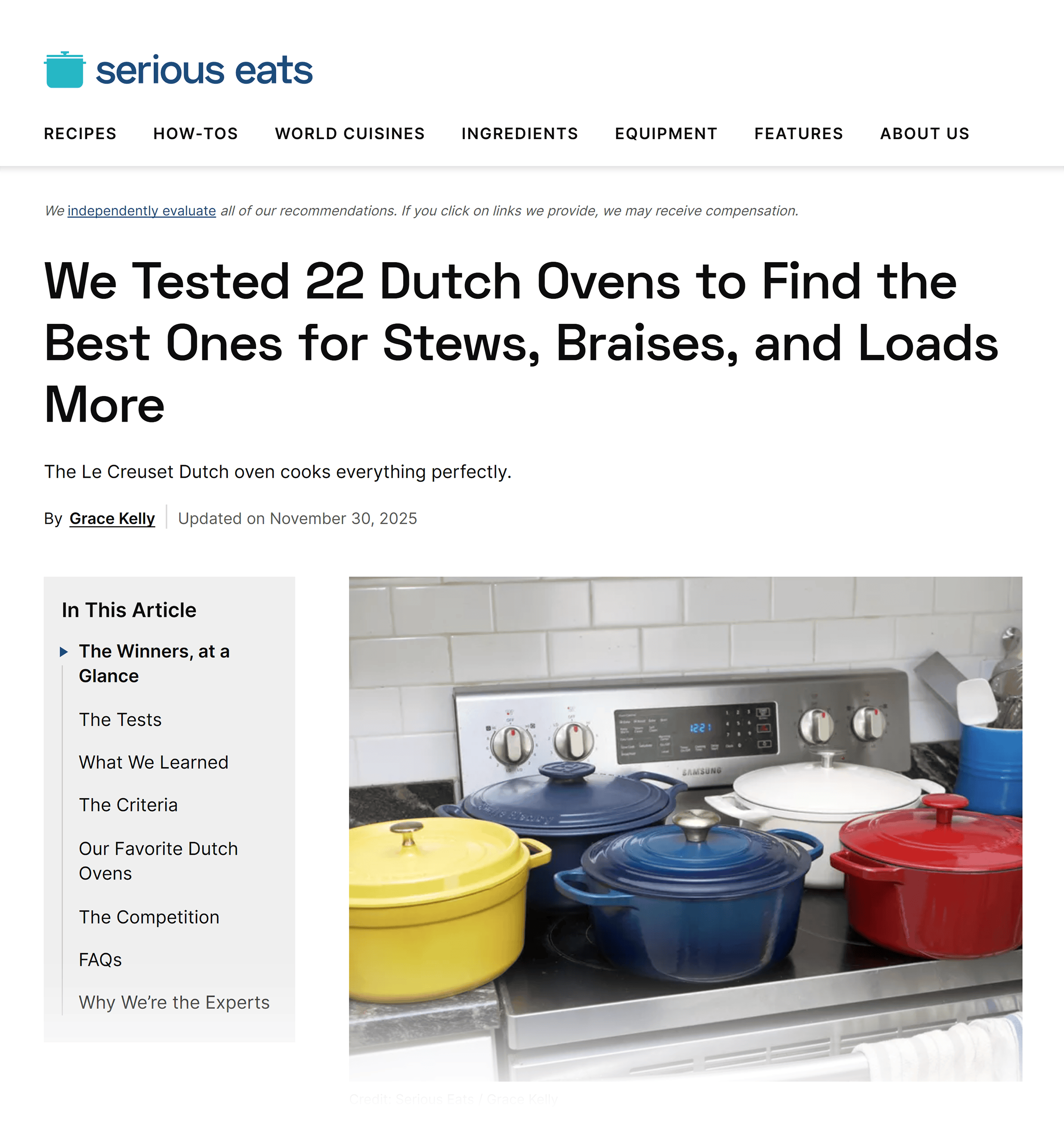
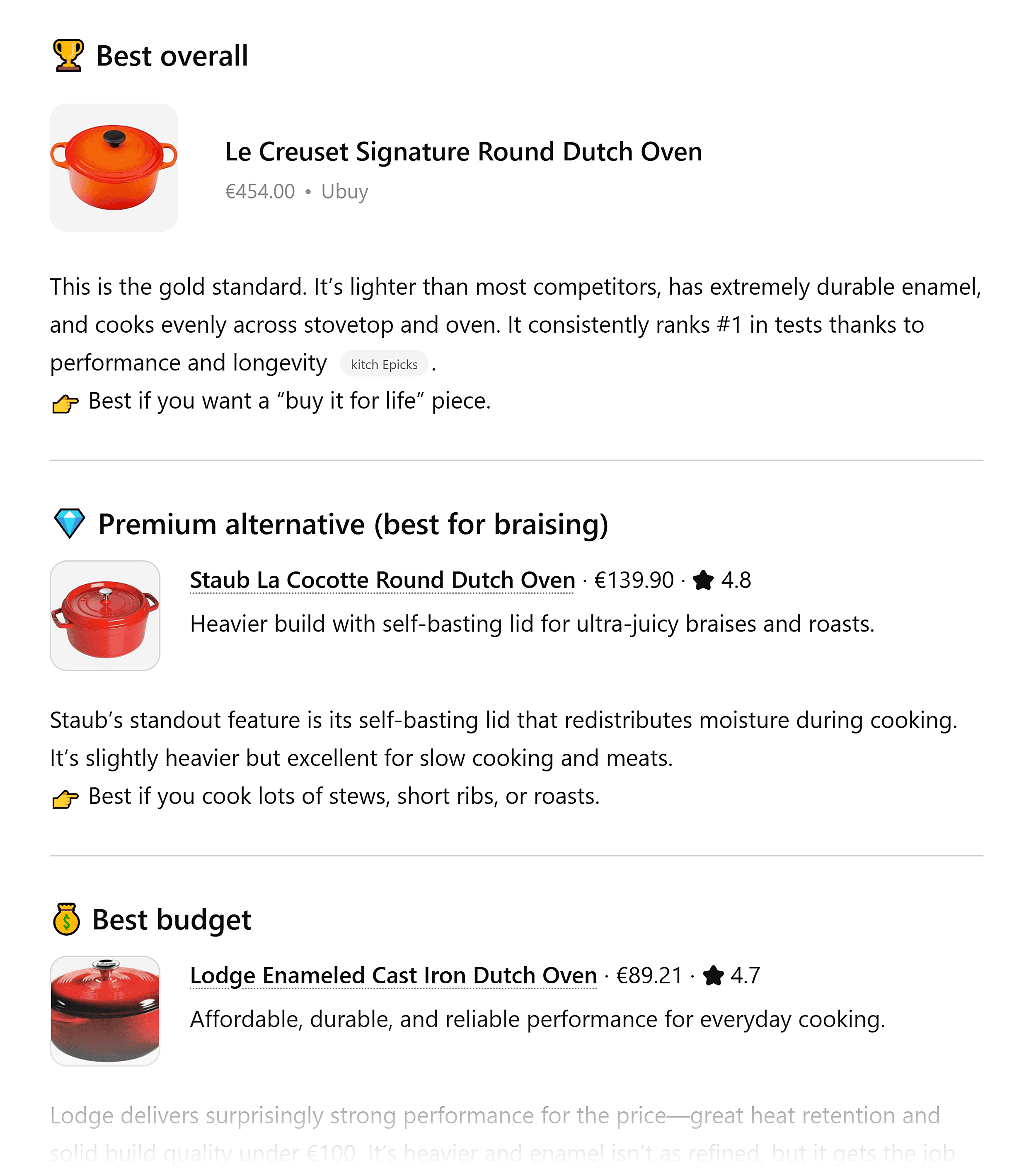
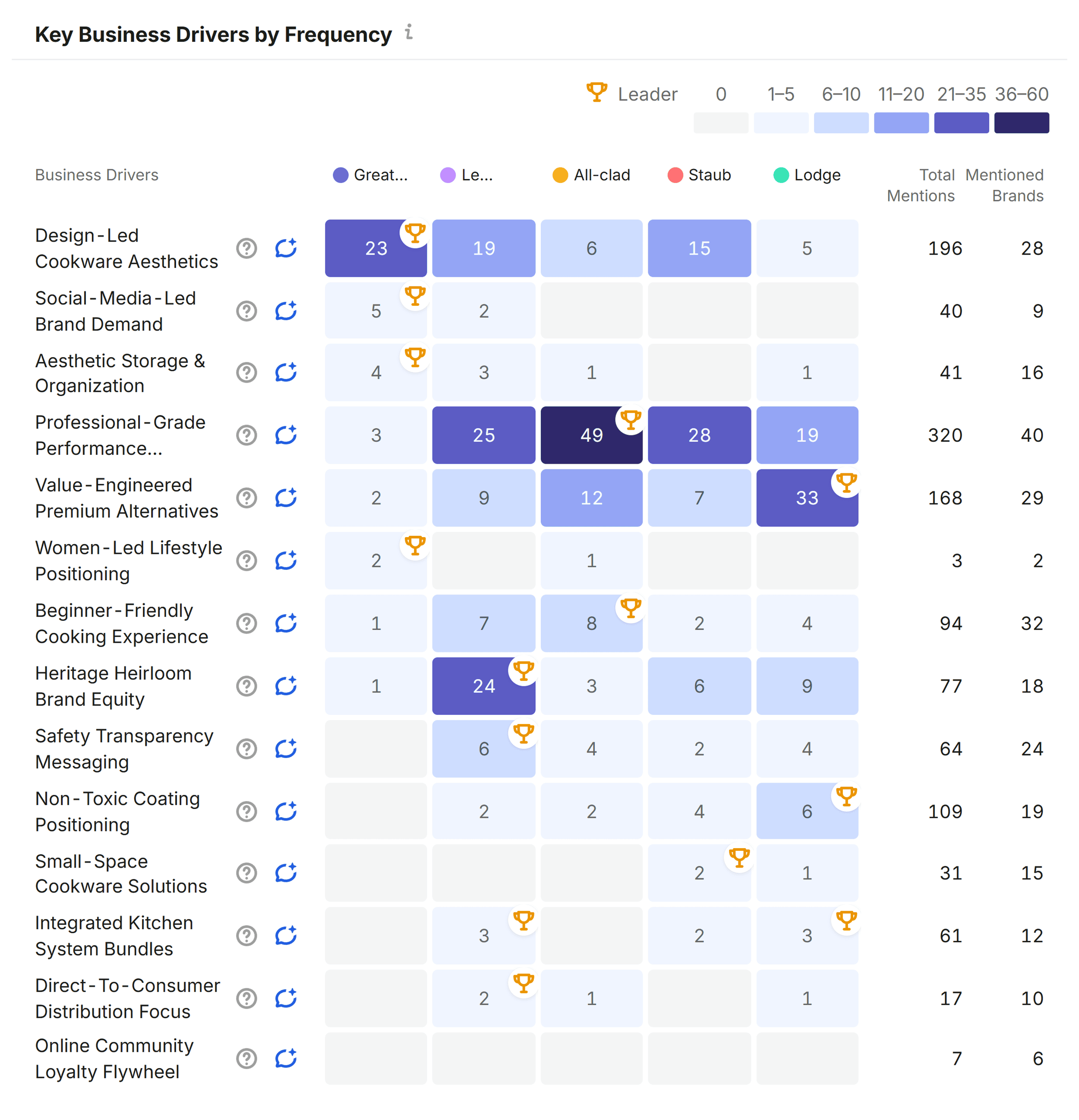
Take the example of Great Jones, a prominent kitchenware company. Their flagship Dutch oven, "The Dutchess," is undeniably beautiful, well-reviewed, and featured in some of the most influential lifestyle publications in the country. Yet, when users search for "best Dutch ovens" on Google or ask an AI assistant for a recommendation, the brand is frequently absent.
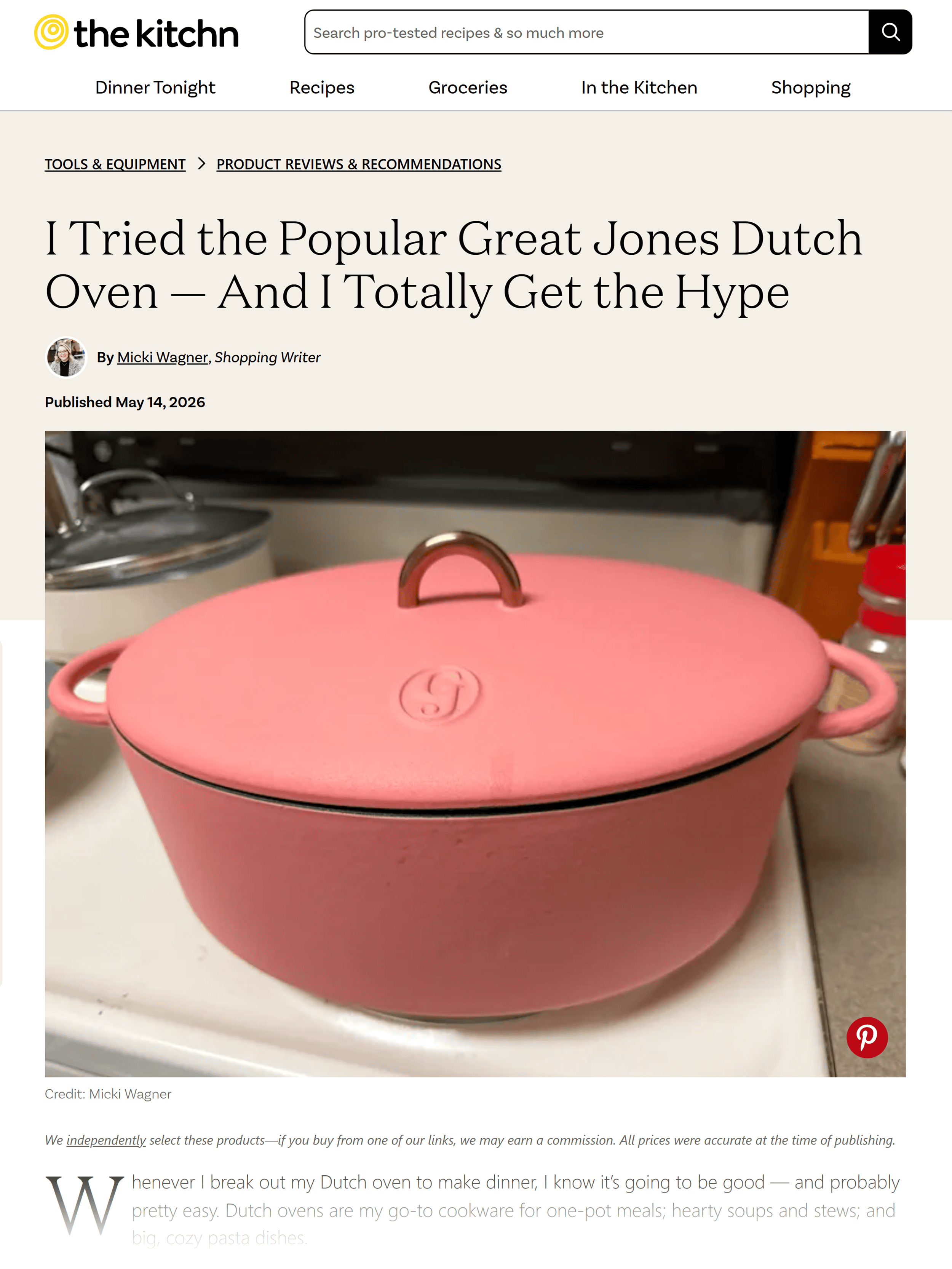
This disconnect highlights a critical flaw in many modern marketing strategies: the assumption that reputation equals search visibility. The reality is that search engines and Large Language Models (LLMs) do not prioritize "brand love" in the traditional sense. They prioritize topical authority—a consistent, data-backed pattern that links your brand to a specific subject across the entire web.
Understanding Topical Authority
Topical authority is your site’s earned reputation for expertise on a specific subject. It is the result of your brand and a chosen topic appearing together repeatedly, in a positive context, across the sources that buyers, search engines, and AI models trust.
Brands that successfully cultivate this authority do not do so by accident. Their status as the "go-to" source for a niche is the result of a systematic, intentional strategy: consistently showing up with the same message, in the same spaces, and around the same core topics. In the age of AI-driven search, this "pattern" is the primary currency of trust.
The Topical Authority Pyramid: A New Framework
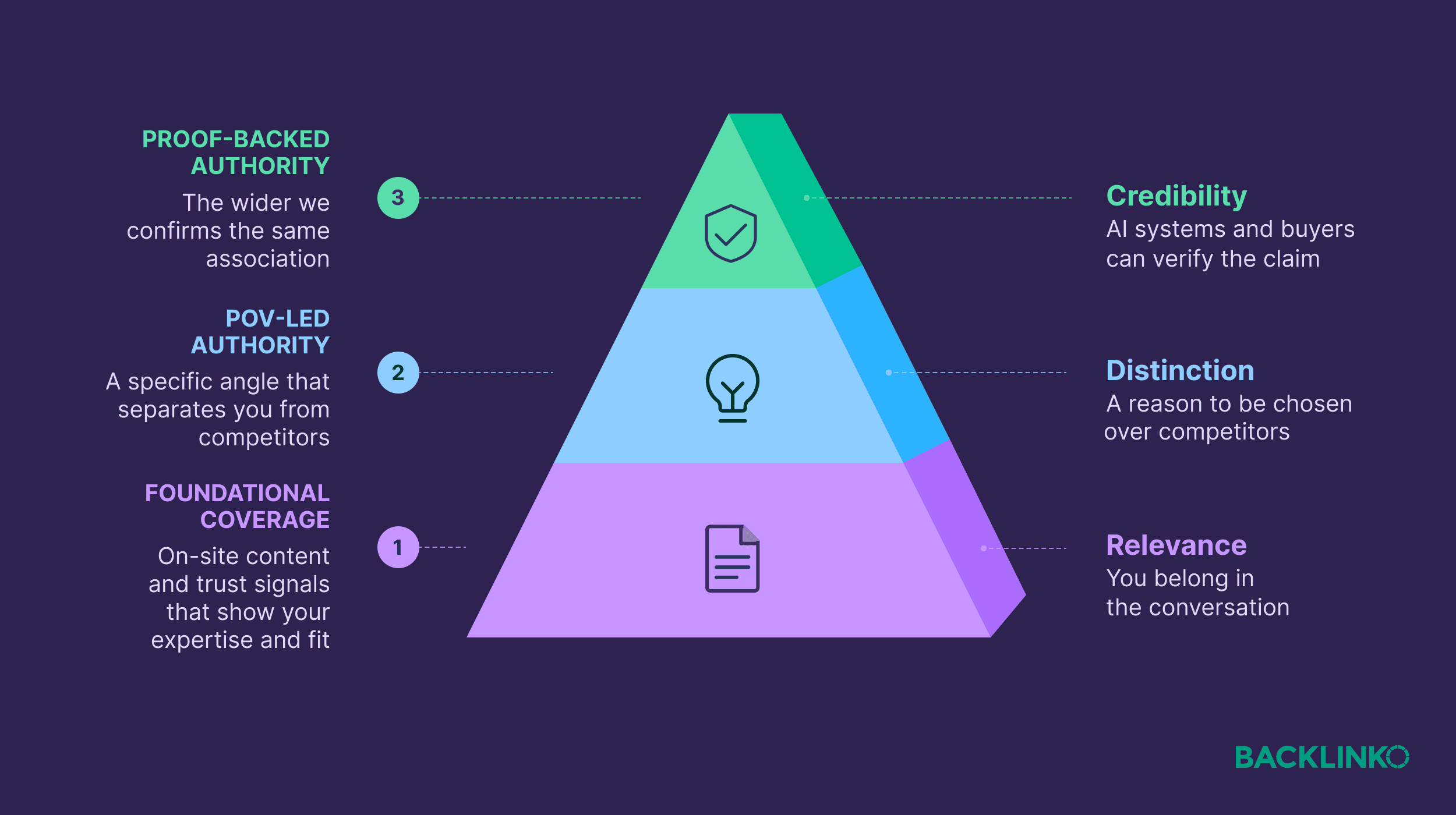
Traditionally, SEO was defined by content volume. The logic was simple: publish everything about a topic, and you would own it. However, in the current environment of AI search and semantic indexing, sheer volume is insufficient. AI systems now look for a clear, articulated position on a topic—a "Point of View" (POV)—and, crucially, external evidence to support that position.
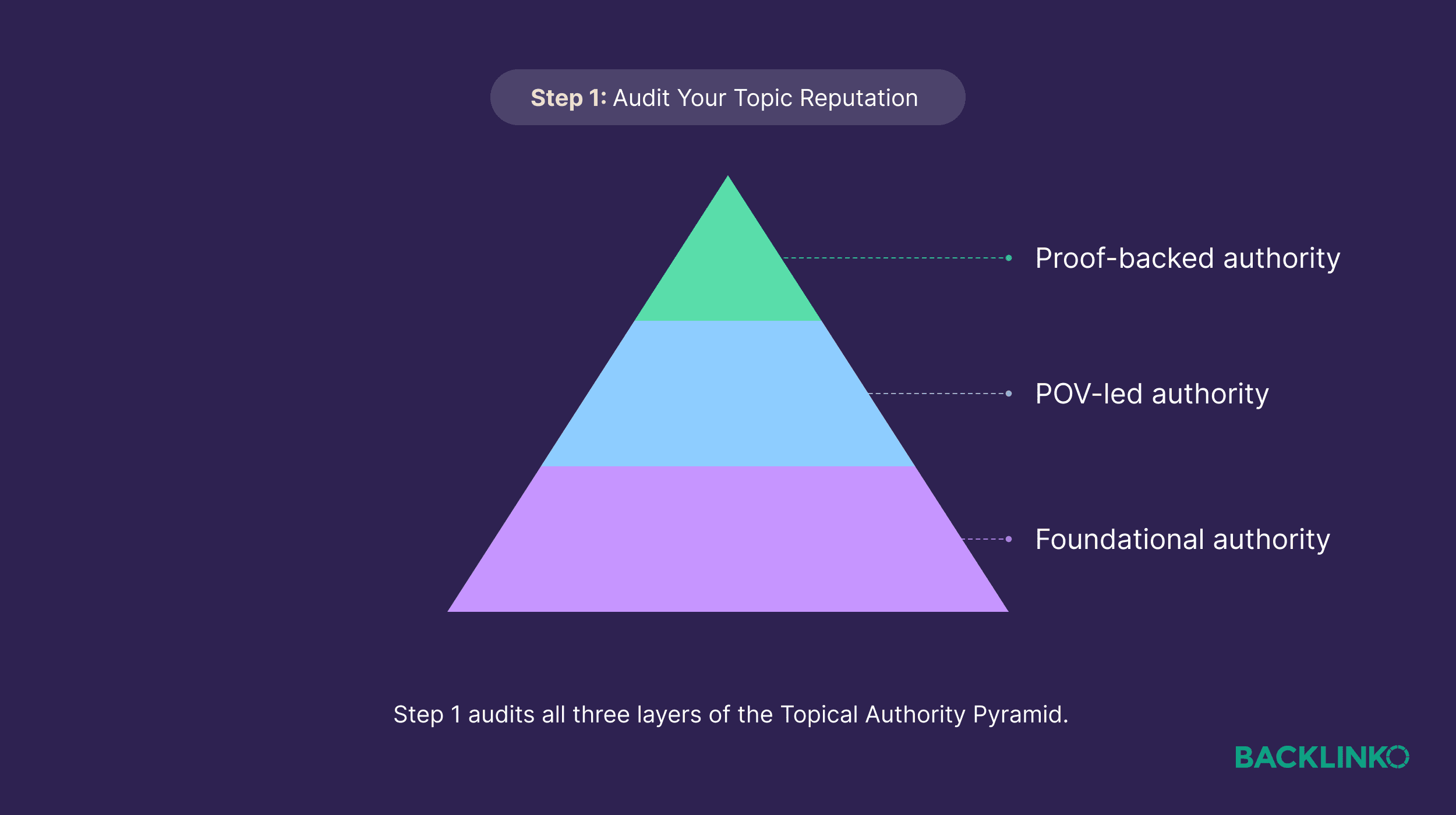
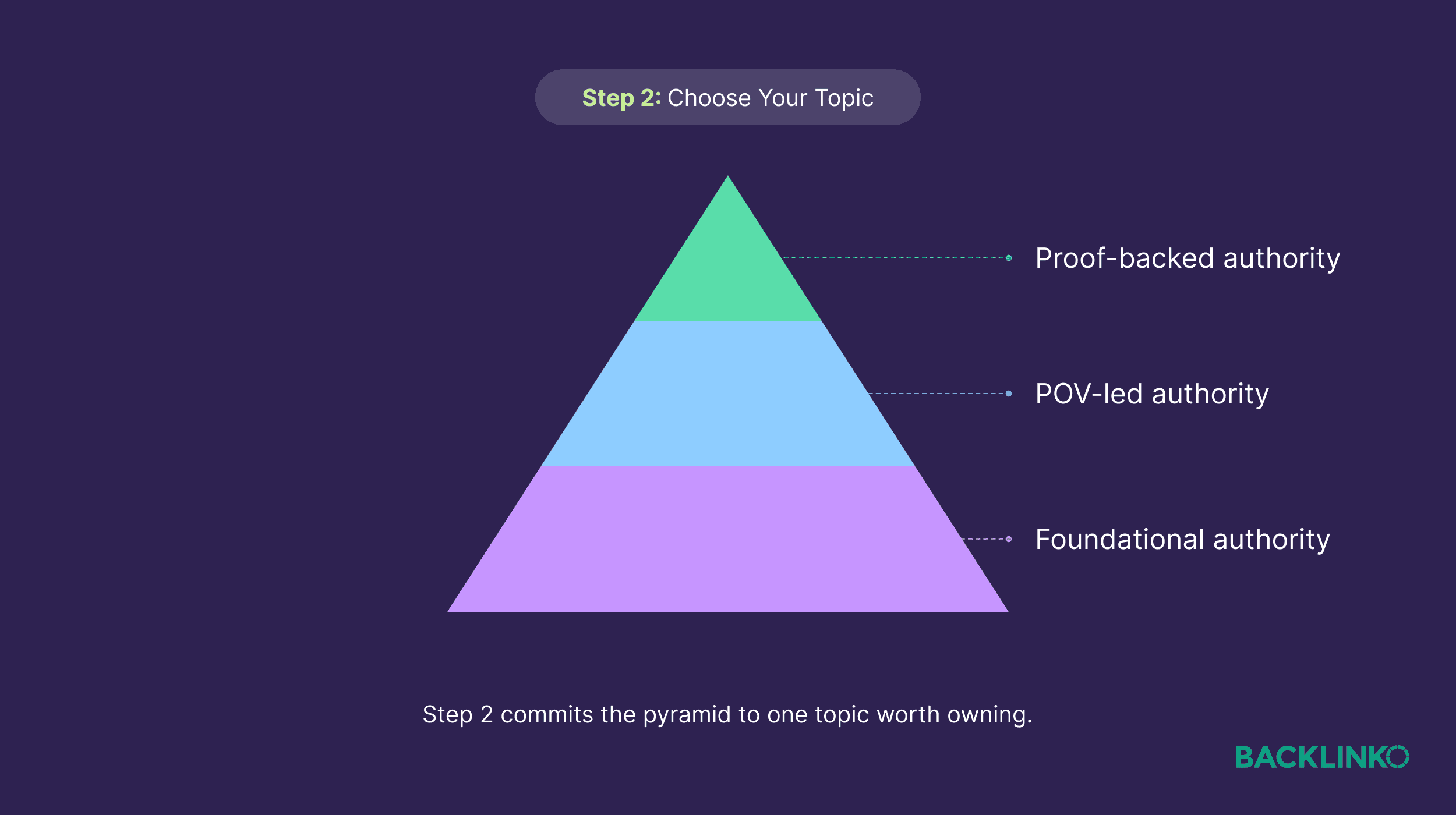
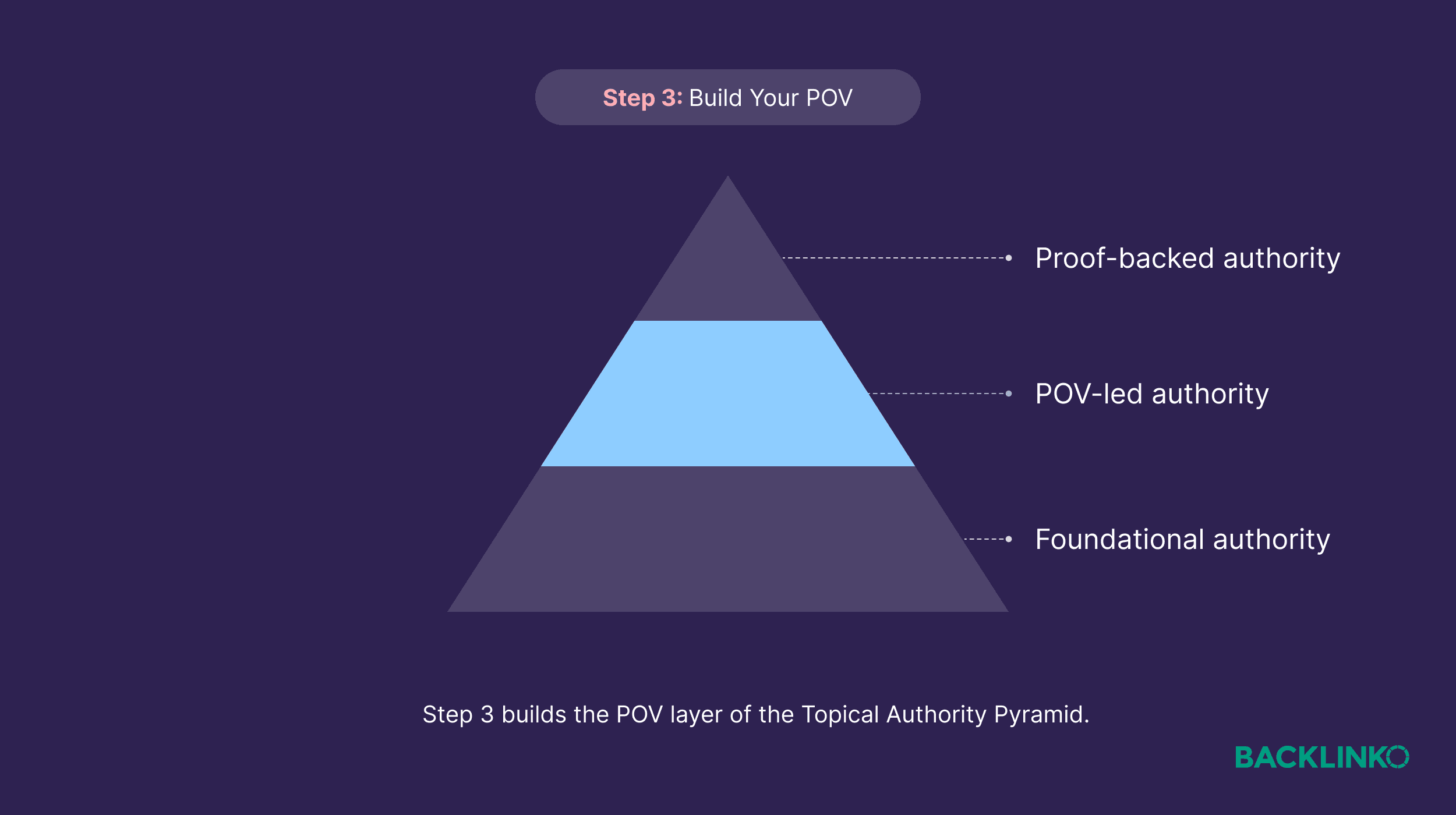
To address this, we have developed the Topical Authority Pyramid, a framework designed to build that essential pattern through three distinct, interdependent layers:
- Foundational Authority: The bedrock of your on-site content that covers the breadth and depth of your subject.
- Point of View (POV): The specific, unique angle that distinguishes your brand from competitors and provides a clear reason for AI systems to select you.
- Proof Systems: The external signals, press, and user-generated content that validate your claims to both search engines and human buyers.
By aligning these three layers, brands can move from being "well-known" to being "authoritative."
Step 1: Auditing Your Current Topic Reputation
Your brand already has a topical reputation, whether or not you have actively managed it. Before building, you must understand what search engines currently think you are.
Researching On-Site Associations
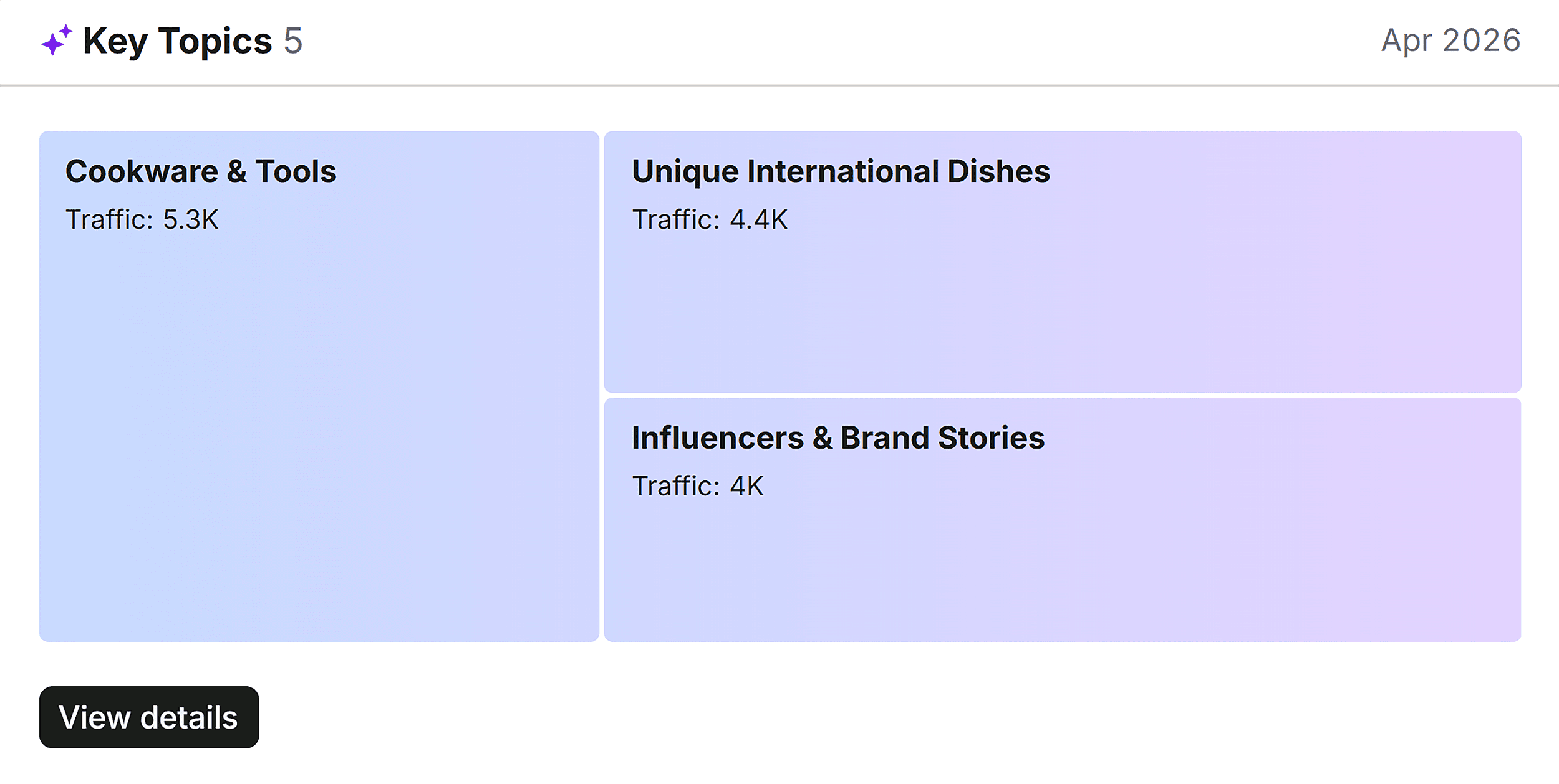
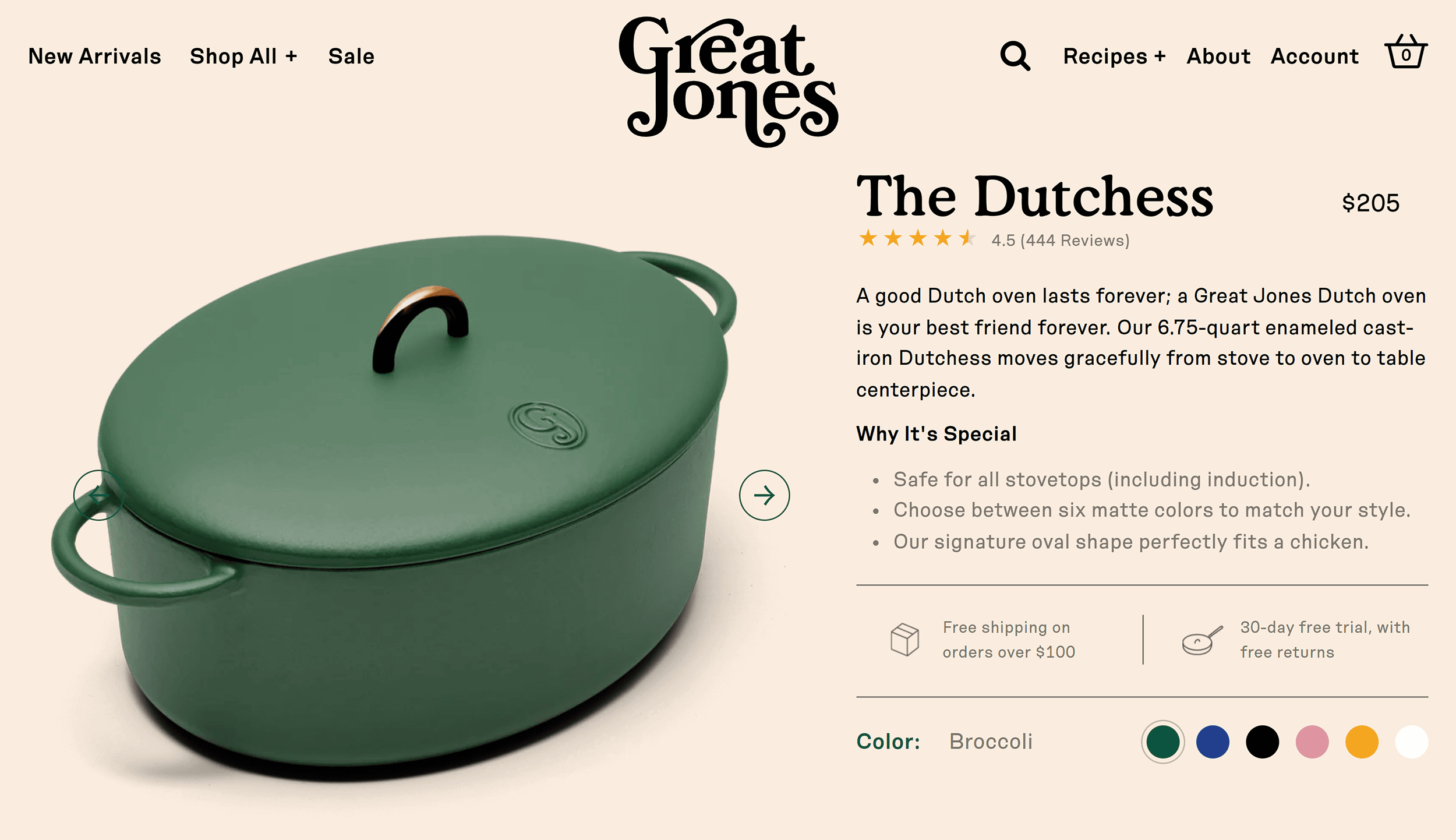
The gap between what you publish and what you want to be known for is often substantial. A quick way to assess this is using tools like Semrush’s "Organic Rankings" report. By entering your domain, you can see exactly which topics your site is currently associated with in the eyes of Google.
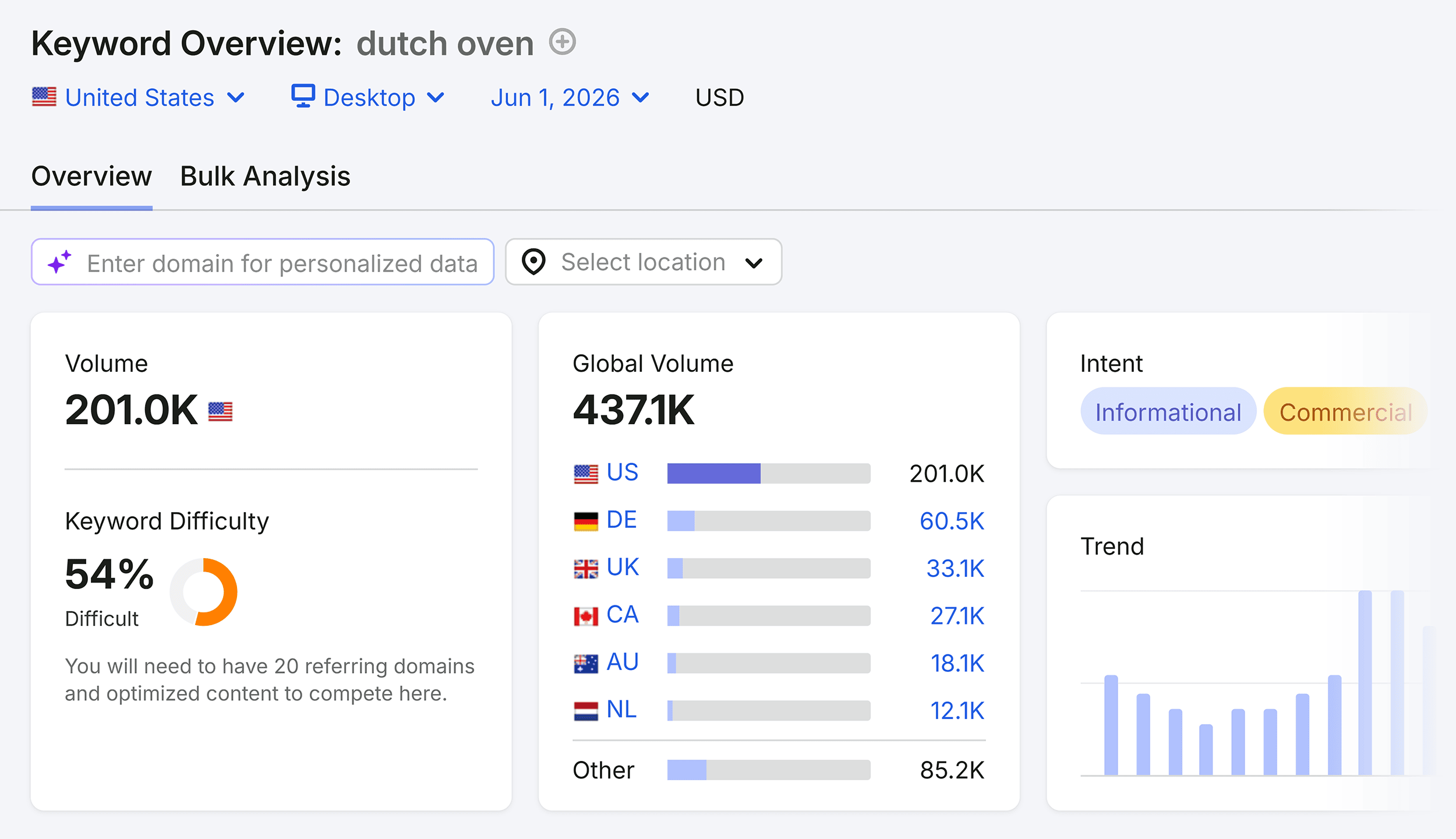
For Great Jones, while their product is a high-quality kitchen tool, their strongest topical associations often lean toward "recipes" or "celebrity chef partnerships" rather than "Dutch oven engineering." Because the term "Dutch oven" generates over 200,000 monthly searches, the failure to capture that specific topic is a massive missed opportunity for revenue.
Auditing Off-Site Presence
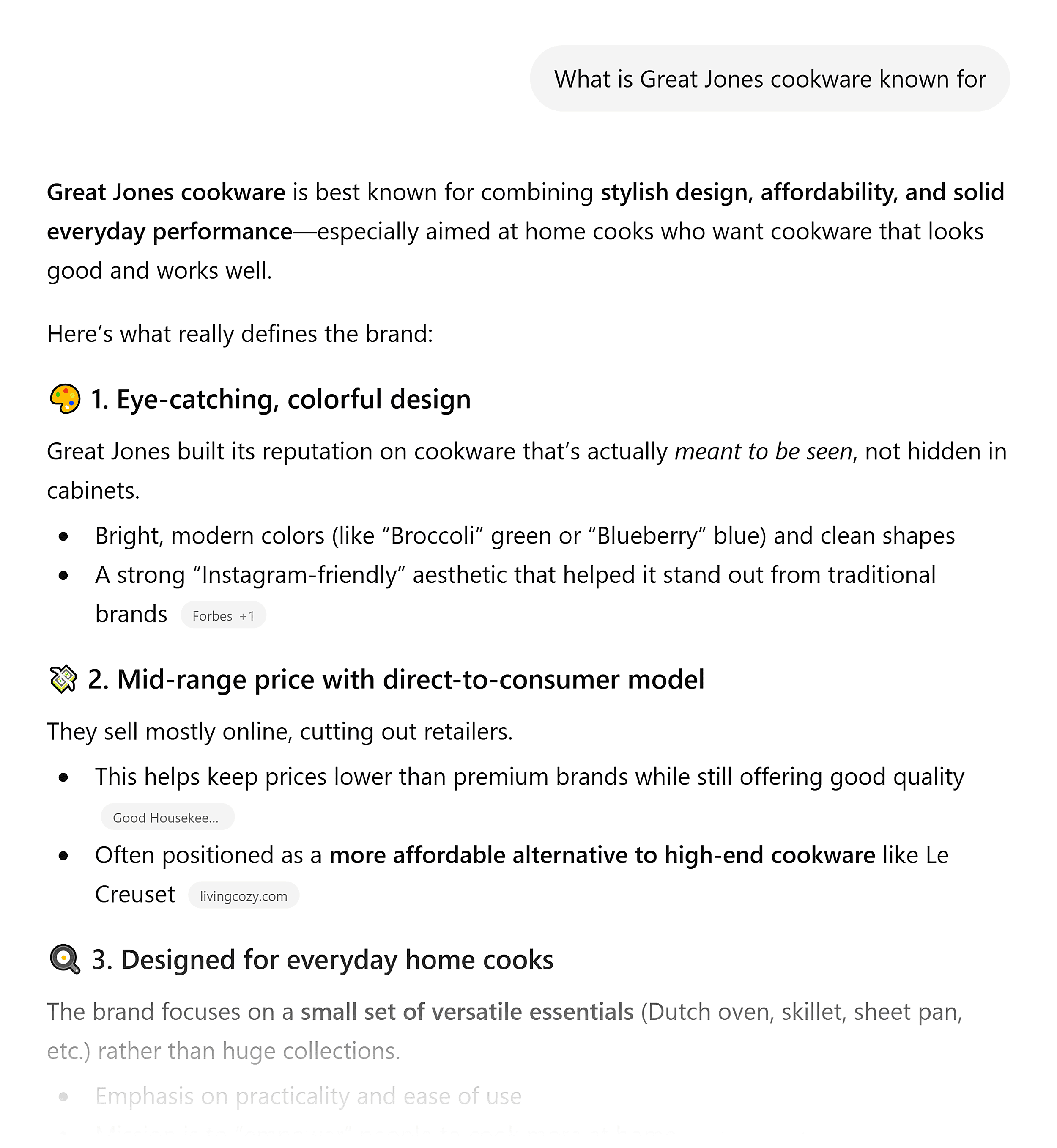
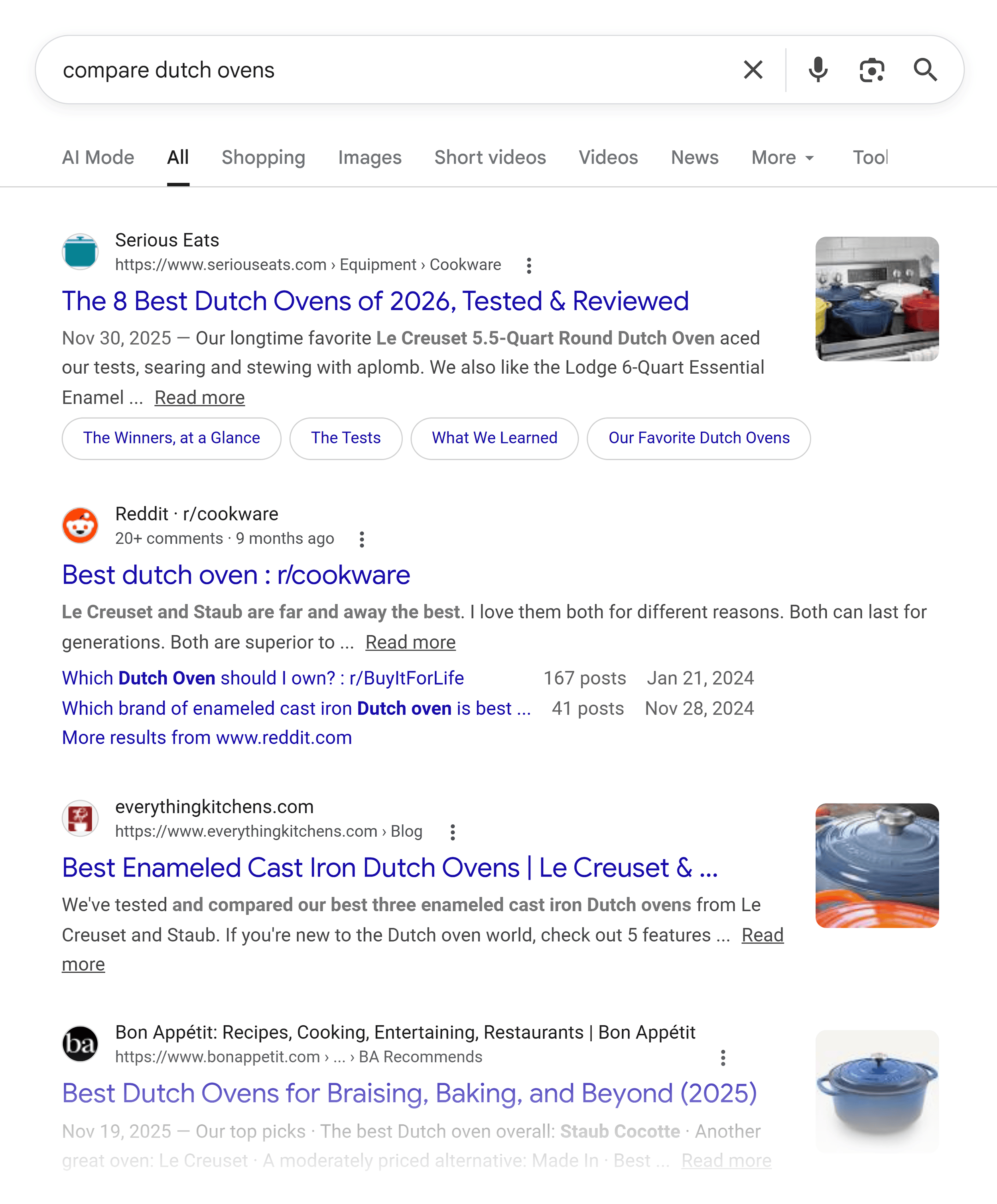
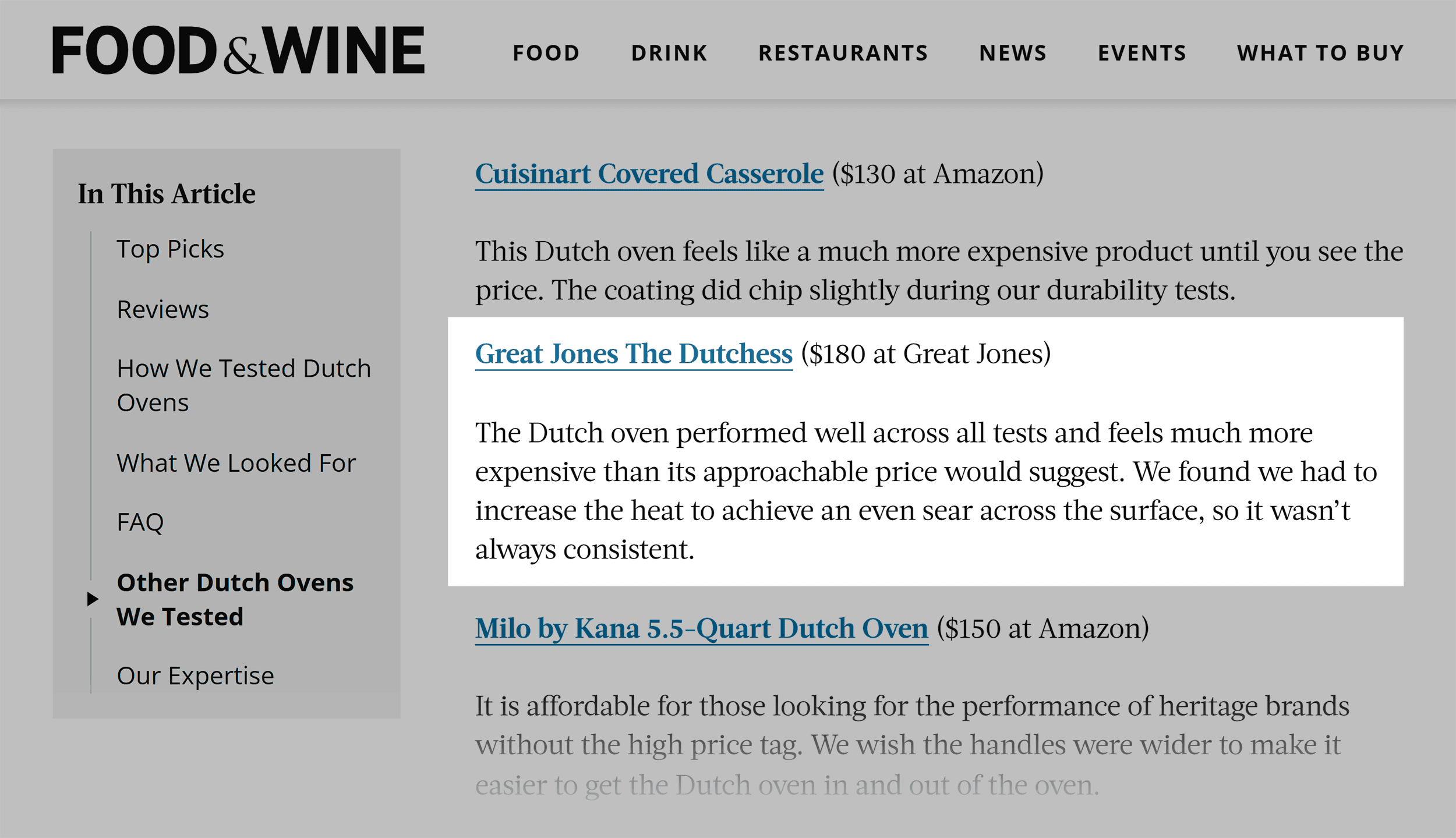
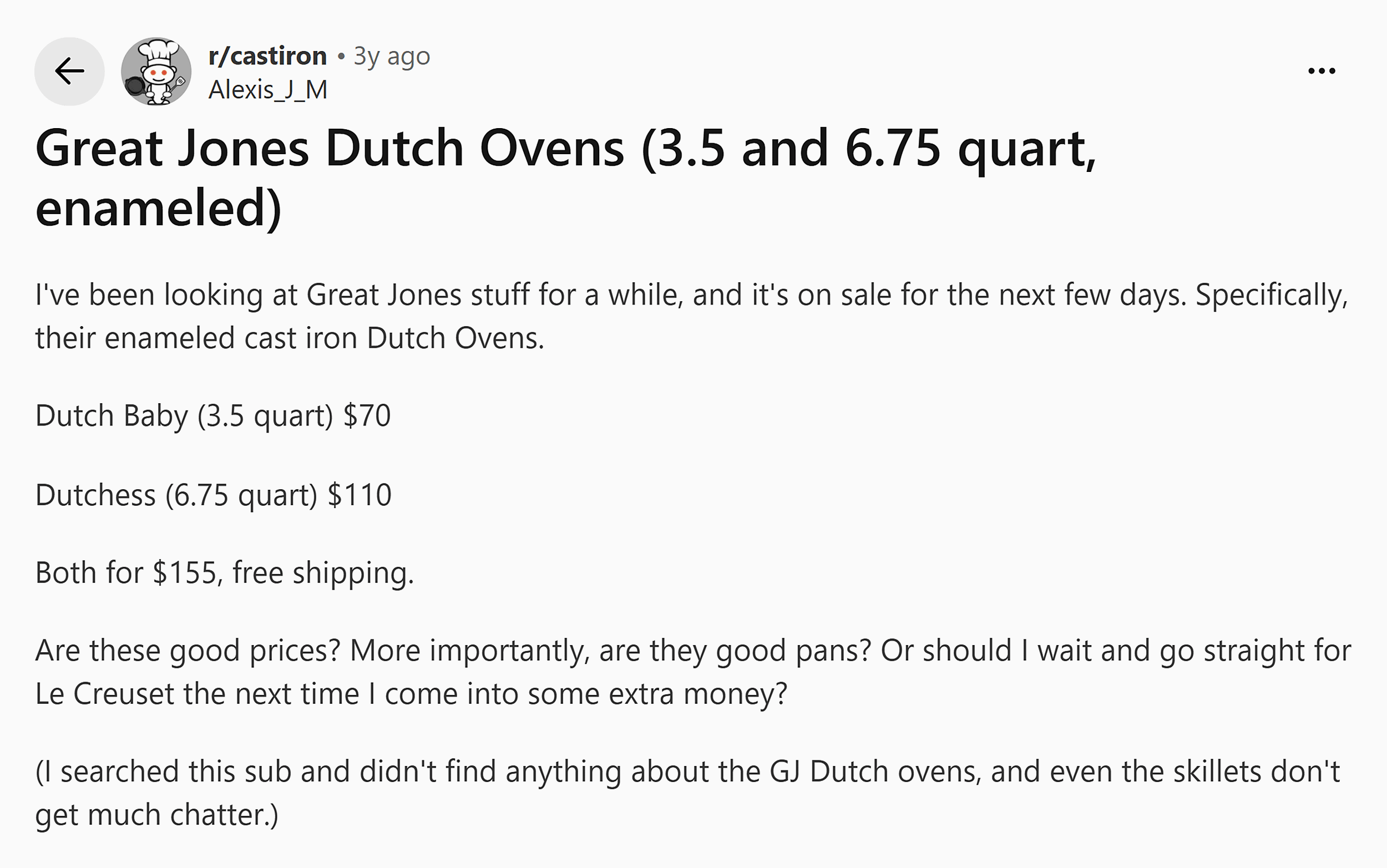
This is where most brands falter. AI models heavily weigh third-party mentions, reviews, and editorial press. Conduct an audit of your external presence by searching for your brand alongside your target keywords. Are you appearing in "best of" lists? Are you the subject of forum discussions on Reddit? If your brand is only mentioned in old, static articles, your authority is likely decaying.
Step 2: Choosing Your Primary Topic
You cannot build authority on everything at once. Focus is required to signal expertise to algorithms. Prioritize topics based on three factors:
- Revenue Impact: Does the topic drive actual sales?
- Competitor Strength: Are the leaders in this space vulnerable?
- Brand Alignment: Is this a topic your brand is uniquely positioned to own?
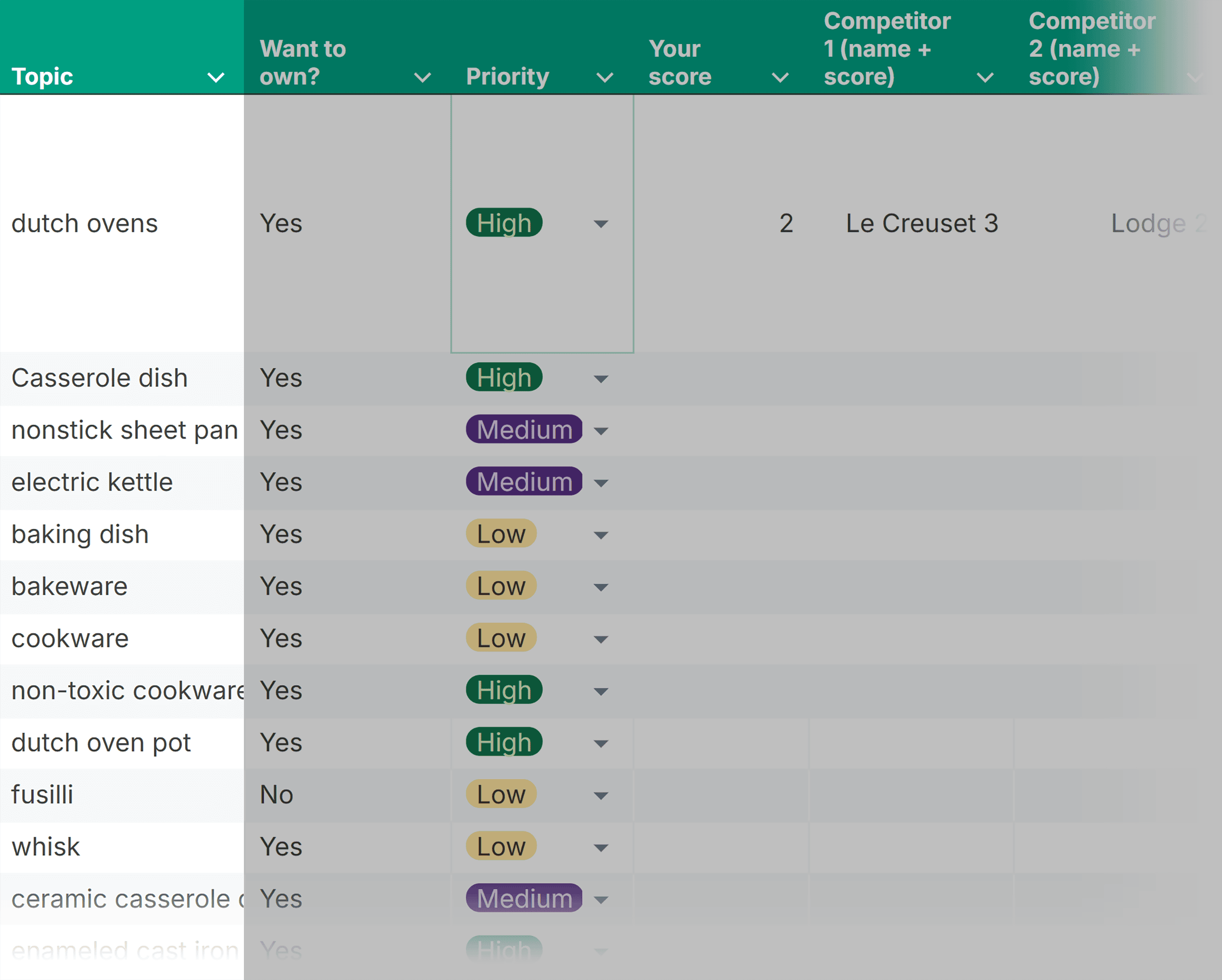
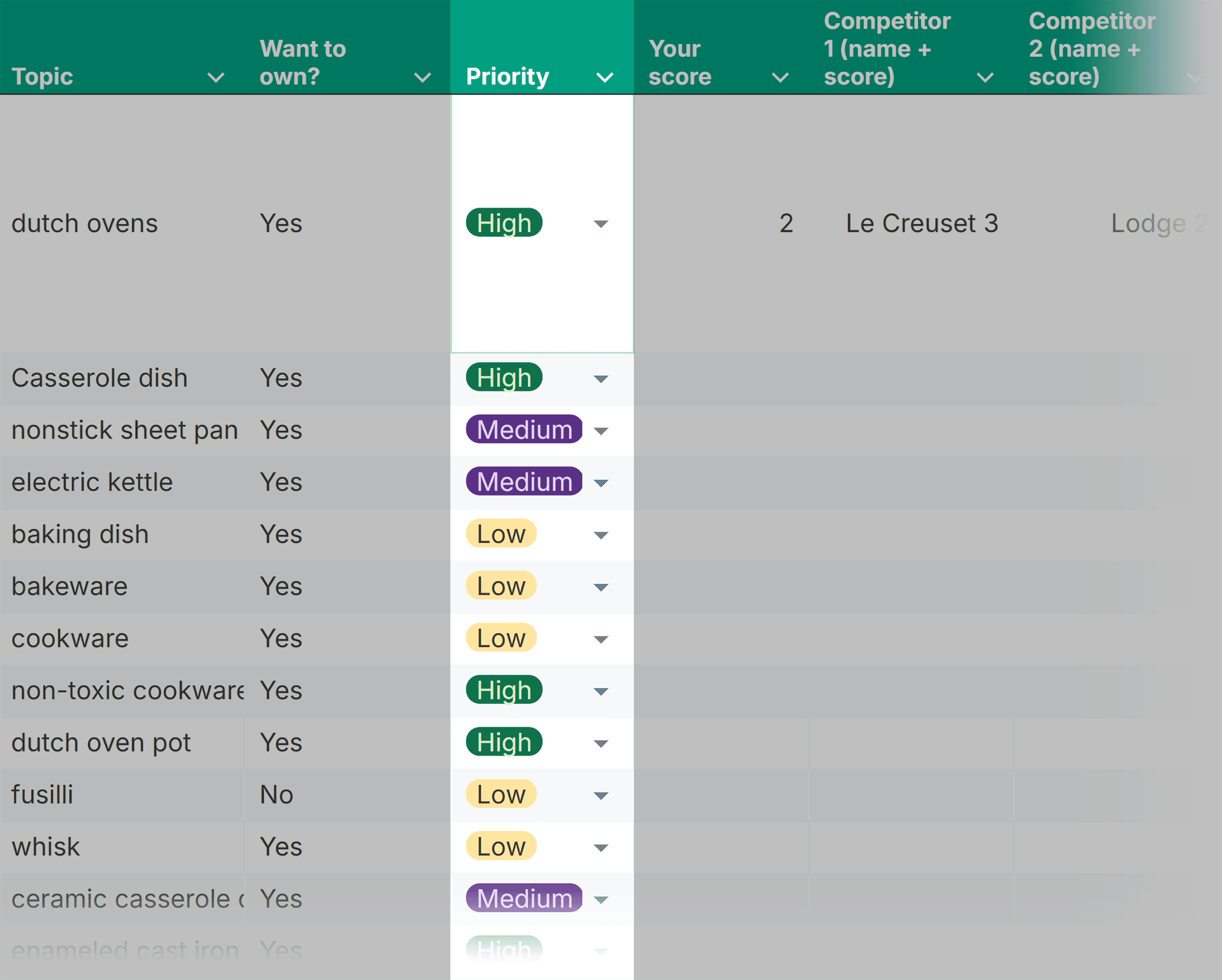
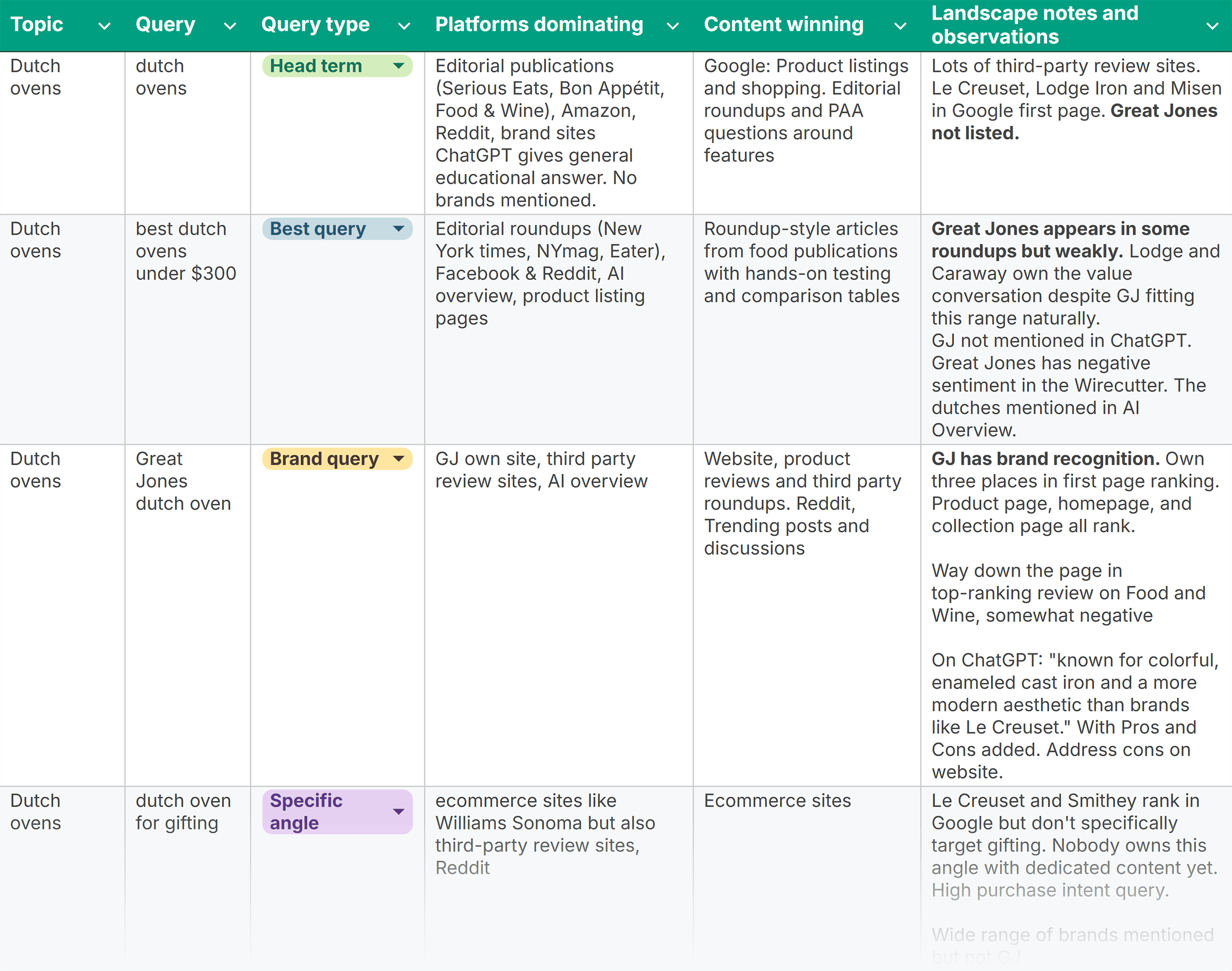
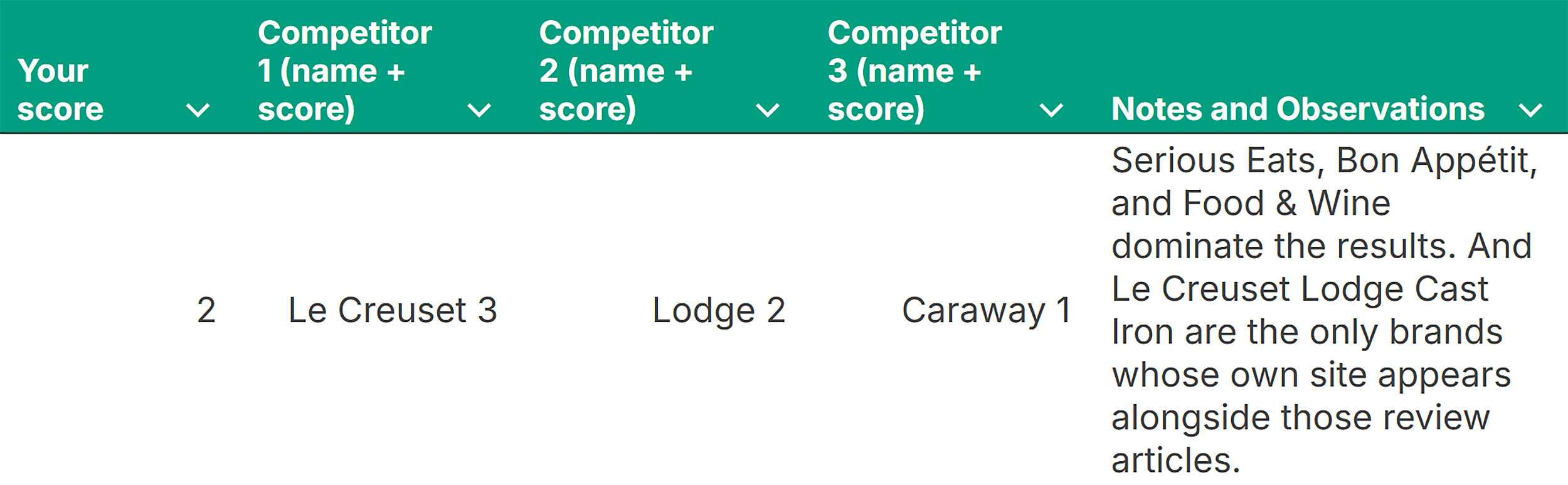
Once you have identified 10 to 15 potential topics, use a scoring system to narrow them down. Select three to five high-priority areas and conduct a Query Audit. Search for these topics on Google and AI platforms, and categorize the results as "Head Term," "Best/Intent-driven," "Brand-specific," and "Specific Angle."
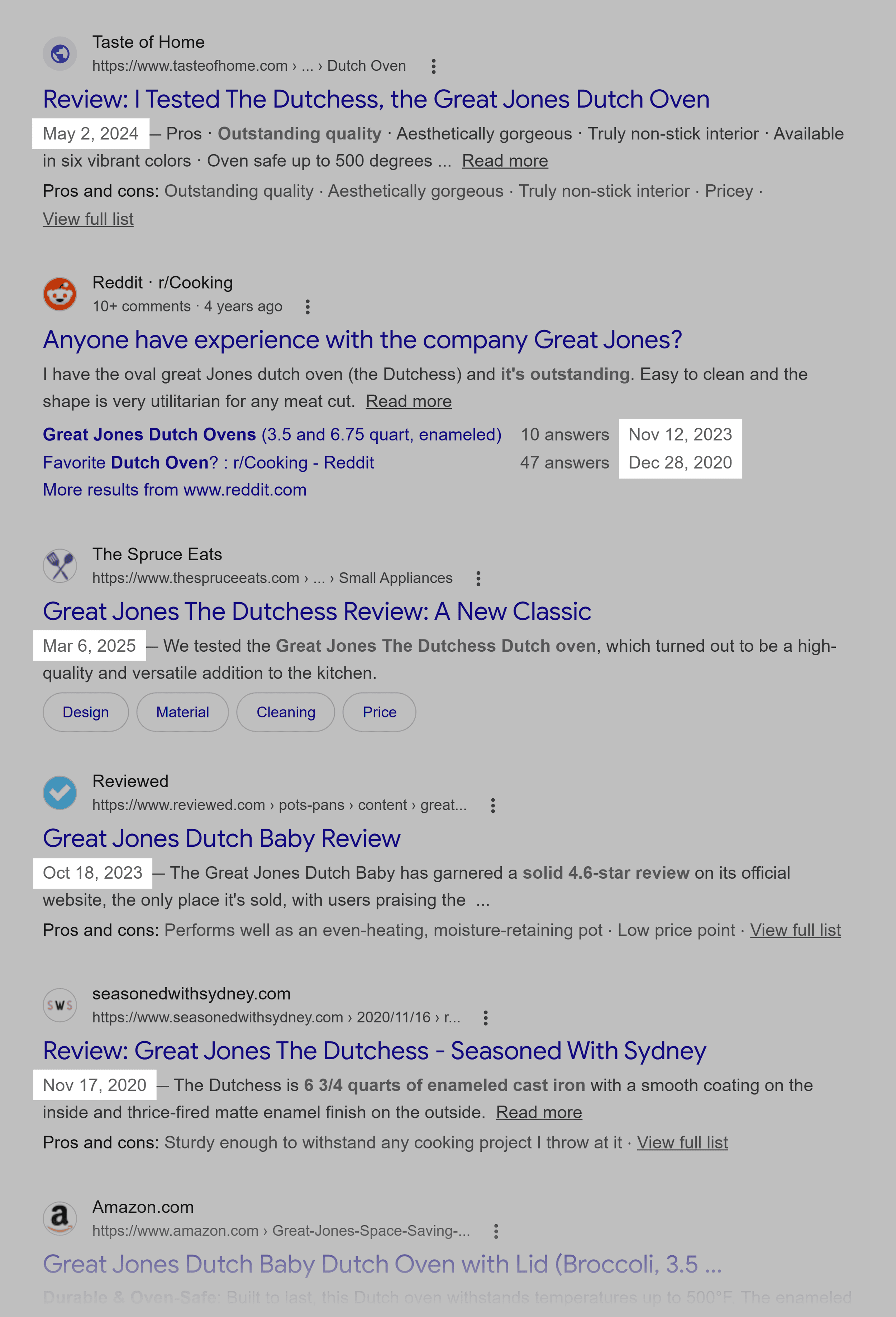
If a query shows high purchase intent but the current results are weak or dated, you have found a "winnable" position.
Step 3: Defining Your Point of View (POV)
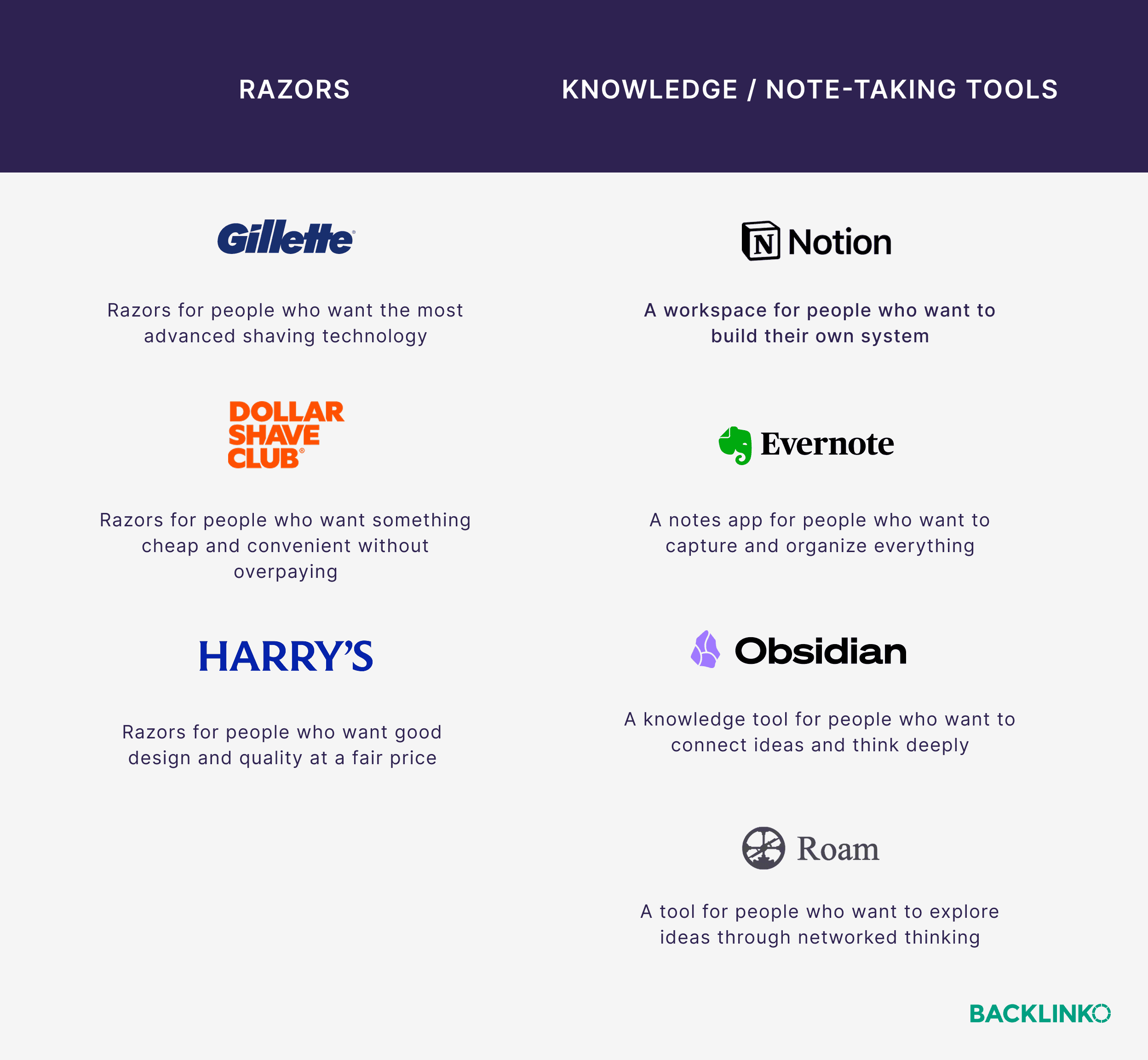
Your POV is the unique angle that makes your brand distinct. It is the filter through which all your content should flow.
For Great Jones, their current success is tied to design, but their authority in "gifting" is untapped. A potential POV could be: "The most giftable Dutch oven for modern home cooks." This single sentence provides a clear, defensible position that distinguishes them from legacy cookware brands that focus purely on technical specifications like cast-iron heat retention.
Step 4: Mapping Your Proof Architecture
A POV without proof is merely marketing fluff. To gain authority, you must map your proof assets against the buyer’s journey:
- Awareness Stage: Need industry data and customer statistics.
- Consideration Stage: Need third-party reviews and expert endorsements.
- Comparison Stage: Need awards and head-to-head testing results.
- Decision Stage: Need verified reviews and repeat-purchase data.
By auditing what you have and identifying what you lack, you create a content blueprint that ensures you aren’t just creating noise, but building trust.
Step 5: Building the On-Site Foundation
Establish a "hub" page for your chosen POV. This page acts as the central authority document for your topic, linking out to supporting pages that delve into specific nuances (e.g., "how to choose a gift," "care and cleaning guides").
Use the Inverted Pyramid approach: lead with the most important information, use semantic HTML to help machines interpret your content, and use descriptive, keyword-rich anchor text for internal links. This makes it effortless for search crawlers to map your expertise.
Step 6: Creating an Off-Site Proof System
As we have noted, your own site is not enough. You must create "signature proof points"—original stories or data findings that others will want to cite.
For a brand like Great Jones, a "State of Gift-Giving" report based on their own sales data could serve as a powerful off-site signal. When you distribute these insights through press pitches, video content, and community engagement, you create a ripple effect. Every time a third-party site cites your data, the link between your brand and your chosen topic strengthens in the eyes of search algorithms.
Step 7: Tracking Progress
Topical authority is not a destination; it is a trajectory. Monitor your progress at 30, 60, and 90-day intervals.
- Foundational Metrics: Are you ranking for more unprompted, non-brand queries?
- POV Metrics: When people talk about your brand, is the language aligning with your target POV?
- Proof Metrics: Are third-party sites and communities citing your signature proof points?
By recording these findings, you can pivot your strategy in real-time. If you see the language around your brand shifting to match your target POV, you know your topical authority is gaining traction.
Conclusion
The era of relying on brand name recognition alone is ending. In a world where search results are increasingly curated by AI, you must prove your expertise through a consistent, rigorous pattern of evidence.
By utilizing the Topical Authority Pyramid—building a strong foundation, defining a clear POV, and engineering a system of proof—you stop fighting for attention and start owning your niche. The brands that win in this new environment will be the ones that provide the most coherent, data-backed answer to the questions their customers are asking. Start building your pattern today.