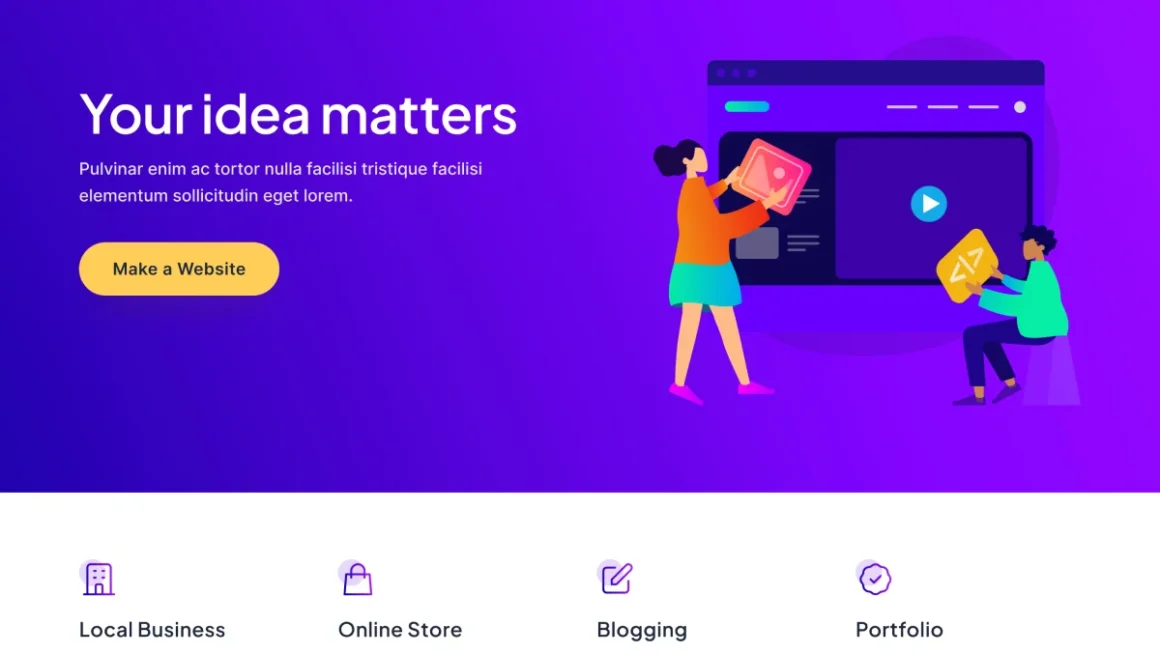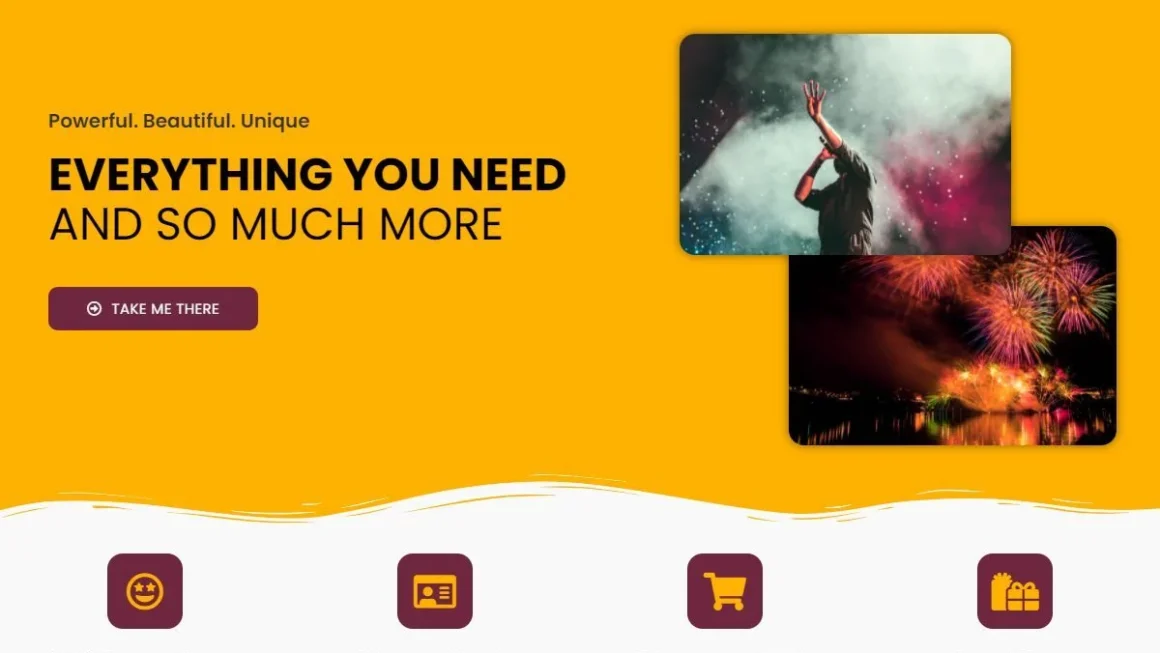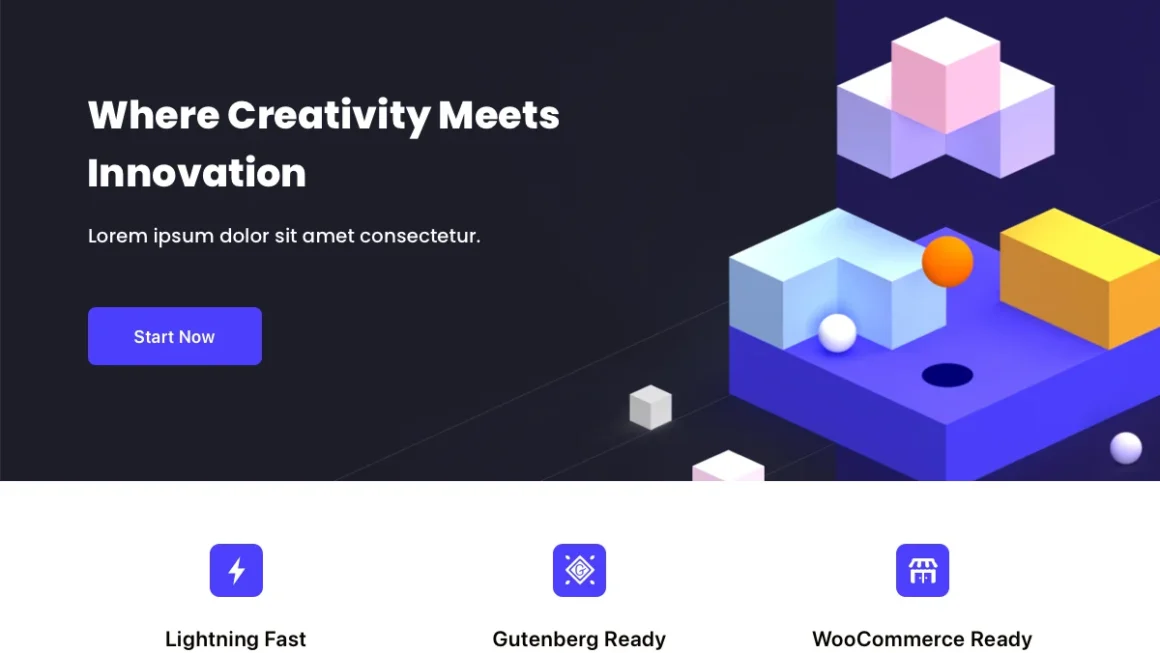








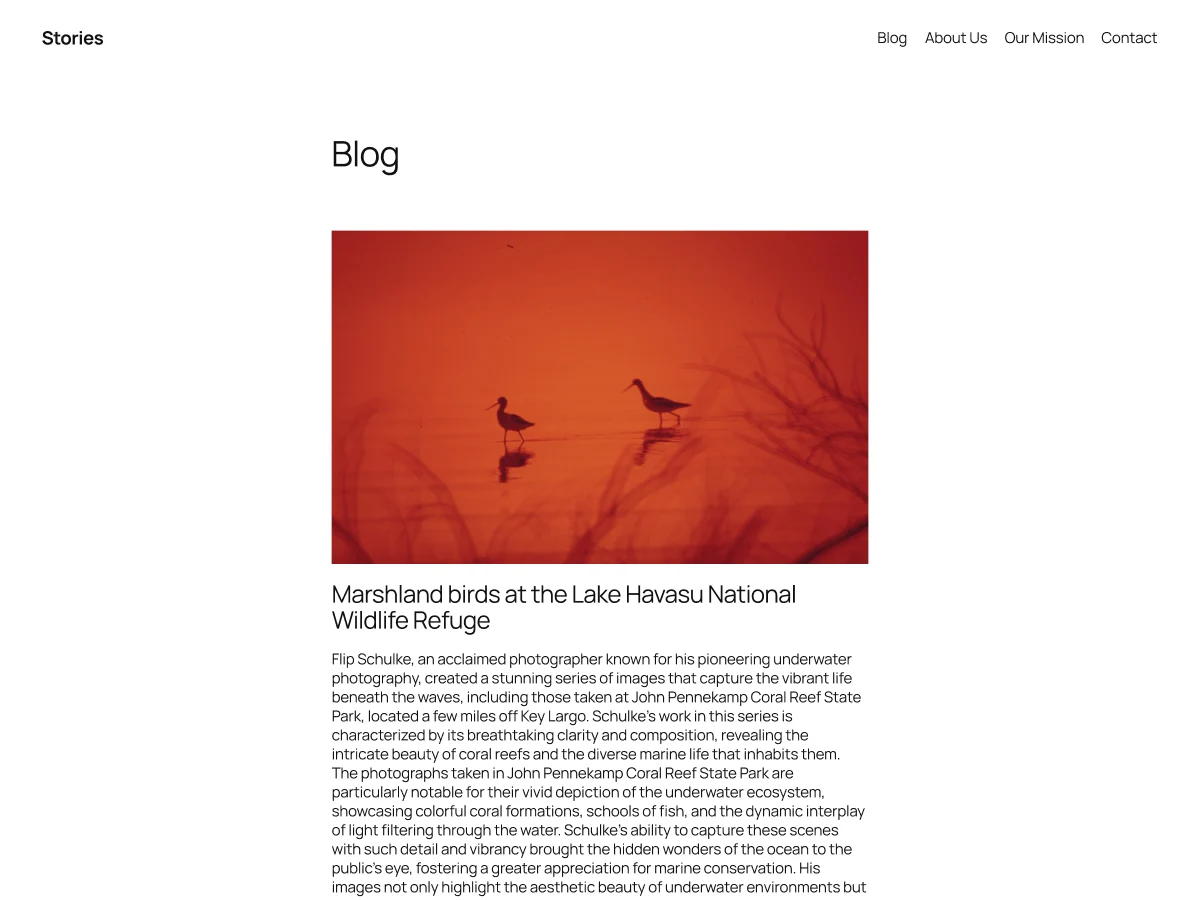
The release of a new default theme for WordPress is always a milestone in the digital landscape. As the platform powers over 40% of the entire web, the design choices made by the core development team resonate across millions of blogs, portfolios, and enterprise-level websites. With the arrival of Twenty Twenty-Five, the WordPress community has received a tool designed specifically to bridge the gap between absolute simplicity and high-end, professional-grade adaptability.
Twenty Twenty-Five is not merely a visual update; it is a manifestation of the ongoing shift toward Full Site Editing (FSE) and the democratization of web design. By offering a robust suite of patterns and style variations, it empowers users to create complex, responsive, and aesthetically pleasing websites without writing a single line of code.
Main Facts: The Core Philosophy of Twenty Twenty-Five
At its heart, Twenty Twenty-Five is built on the philosophy of modularity. Unlike its predecessors, which often leaned toward specific niches, this theme is engineered as a "blank canvas with high-quality presets."
- Design Versatility: The theme is built to support a wide range of use cases, from personal blogs and creative portfolios to high-traffic online magazines and corporate landing pages.
- Accessibility First: In line with modern web standards, the theme is "Accessibility Ready," ensuring that users with screen readers or those who rely on keyboard navigation have a seamless experience.
- Full Site Editing (FSE): As a block-based theme, Twenty Twenty-Five allows users to modify every aspect of their site—headers, footers, sidebars, and templates—directly from the WordPress Editor.
- Extensive Customization: With 16 distinct style variations and a massive library of block patterns, users can pivot the entire aesthetic of their site in just a few clicks.
For the casual blogger, this means the barrier to entry for professional design has never been lower. For the developer, it provides a clean, standardized foundation upon which custom child themes can be built.
Chronology: The Road to Twenty Twenty-Five
The release of Twenty Twenty-Five did not happen in a vacuum. It is the culmination of years of iterative development within the WordPress ecosystem.
The Gutenberg Era (2018–2020)
The introduction of the Gutenberg block editor fundamentally changed how WordPress users interacted with their content. This period focused on moving away from the "Classic Editor" and laying the groundwork for a future where the site itself was built of blocks.
The Rise of Block Themes (2021–2023)
Themes like Twenty Twenty-Two and Twenty Twenty-Three were experimental, testing the limits of what block templates could do. They were met with mixed reactions, as users accustomed to the Customizer found the new FSE interface a steep learning curve.
Refining the Experience (2024–2025)
Twenty Twenty-Five represents the "mature" stage of this transition. By this point, the WordPress core team had received years of feedback regarding the shortcomings of earlier FSE themes. They identified that users wanted more than just blocks—they wanted curated patterns that looked good immediately upon activation. The development of Twenty Twenty-Five focused heavily on "out-of-the-box" usability, ensuring that even a novice user could launch a professional site in under an hour.
Supporting Data: By the Numbers
The success of a theme is often measured by its adoption rate and the vibrancy of its ecosystem. Twenty Twenty-Five has seen rapid integration across the WordPress user base.
- Active Installations: The theme has surpassed 1 million active installations, a testament to its reliability and the trust users place in the "Twenty" series of themes.
- Style Variations: With 16 built-in style variations, the theme offers significantly more visual flexibility than its predecessors. This allows for rapid prototyping and branding changes.
- Language Support: The theme is currently localized into over 40 languages, ranging from Arabic and Chinese to Welsh and Galician. This ensures that the global WordPress community—which is arguably the most diverse in the software world—can utilize the theme in their native tongues.
- Block Patterns: The theme integrates seamlessly with the pattern library, allowing for complex layouts like "Services" grids, "Contact" sections, and "Featured Post" modules to be dropped into place instantly.
Official Responses: The Community Perspective
The reception of Twenty Twenty-Five has been largely positive, particularly among those who favor a "less is more" approach to web design.
The Development Team’s Stance
Core contributors have emphasized that Twenty Twenty-Five was built to be a "long-term stable foundation." In various support forums and contributor meetings, the team has highlighted that their goal was to minimize the need for external plugins by including robust, native features for headers, footers, and typography.
User Feedback
On the official WordPress support forums, early adopters have praised the theme’s speed. Because the theme relies on native Gutenberg blocks rather than bloated external frameworks, its core web vitals and performance scores are consistently high. However, some power users have noted that the sheer volume of patterns can be overwhelming for beginners, suggesting that a "Getting Started" guide would be a welcome addition for future updates.
Implications: The Future of WordPress Design
The release of Twenty Twenty-Five signals a permanent shift in how websites are built on the platform.
The End of the "Theme-First" Mentality
Historically, users would search for a theme that matched their vision perfectly. Today, with themes like Twenty Twenty-Five, the focus has shifted to "Composition." Users no longer need to find a theme with a specific layout; they simply choose a foundational theme and use the Site Editor to compose the site they envision. This reduces the dependency on third-party theme marketplaces and encourages users to lean into the native WordPress ecosystem.
Accessibility as a Default
By making accessibility a non-negotiable feature of the default theme, WordPress is setting a standard for the entire web. The implication is clear: developers who ignore accessibility in their own themes will find themselves increasingly out of step with the industry standard.
Global Accessibility and Translation
The massive list of supported languages serves as a reminder that the web is a global medium. By facilitating easy translation, Twenty Twenty-Five ensures that users in non-English speaking regions are not relegated to a "second-class" experience. It fosters a truly inclusive internet where local businesses in rural areas can compete with global brands simply by having an accessible, well-designed online presence.
The Path Forward
As we look beyond the 2025 horizon, it is evident that the "Twenty" series will continue to serve as the benchmark for web design. The success of this theme suggests that the future of web development is one that is increasingly low-code, high-performance, and community-driven.
The challenge for the WordPress community moving forward will be to maintain this balance of simplicity and power. As more features are added to the block editor, there is a risk of bloat; however, if the core team continues to prioritize the user experience—as they have done with Twenty Twenty-Five—the platform will likely remain the premier choice for creators, businesses, and developers for years to come.
Conclusion: Why Twenty Twenty-Five Matters
Twenty Twenty-Five is more than just a piece of software; it is a bridge. It bridges the gap between the complex technical requirements of modern web design and the human need for intuitive, creative expression. Whether you are a small business owner looking to establish your first digital storefront or a seasoned developer building a custom solution for a client, this theme provides the flexibility and stability required to succeed.
By choosing to embrace the power of the WordPress community, the core developers have delivered a product that is not only functional but also deeply inspiring. It invites us to stop worrying about the limitations of our tools and start focusing on the content we want to create. As the digital landscape continues to evolve at breakneck speed, having a solid, reliable, and adaptable foundation like Twenty Twenty-Five is not just an advantage—it is a necessity.
For those who haven’t yet explored the capabilities of this theme, now is the time to dive into the Site Editor, experiment with the 16 style variations, and discover how a default theme can provide a truly bespoke experience. The future of the web is here, and it is remarkably simple to build.