









In the modern digital landscape, the traditional news cycle—once dictated by morning broadsheets and evening broadcasts—has been effectively dismantled. Today, the heartbeat of public perception is measured in real-time, dictated by the relentless churn of social media. According to the Q1 2026 Pulse Survey, social platforms have cemented their position as the primary source of news for the general public. From viral TikTok commentary and breaking news updates on X to nuanced professional discourse on LinkedIn and deep-dive community threads on Reddit, the "news" is now a decentralized, multi-platform ecosystem.
For global brands, this shift presents a daunting challenge. Conversations about your products, leadership, and ethics are occurring across dozens of channels simultaneously. These narratives often feed into one another, creating a "butterfly effect" where a single negative review on a niche forum can escalate into a national PR crisis within hours. In this environment, monitoring only your direct mentions or relying on legacy press-clipping services is no longer sufficient; it is, in fact, a strategic liability.
The Architecture of Modern Brand Monitoring
To survive and thrive in this landscape, organizations must transition from reactive observation to proactive, cross-network intelligence. Cross-network brand monitoring is the practice of aggregating, tracking, and analyzing mentions of your brand, products, services, and key executives across the entire digital spectrum. This encompasses not just the "Big Three" social networks, but the entirety of the web: discussion forums, niche review sites, blogs, independent newsletters (such as Substack), and digital-first news outlets.
The Shift from Reactive to Agentic Monitoring
Historically, marketing and PR departments relied on manual dashboard checks. Teams would log in, interpret static graphs, and attempt to deduce if a spike in traffic warranted action. This "retrospective" model meant that by the time a crisis was identified, the narrative had already hardened.
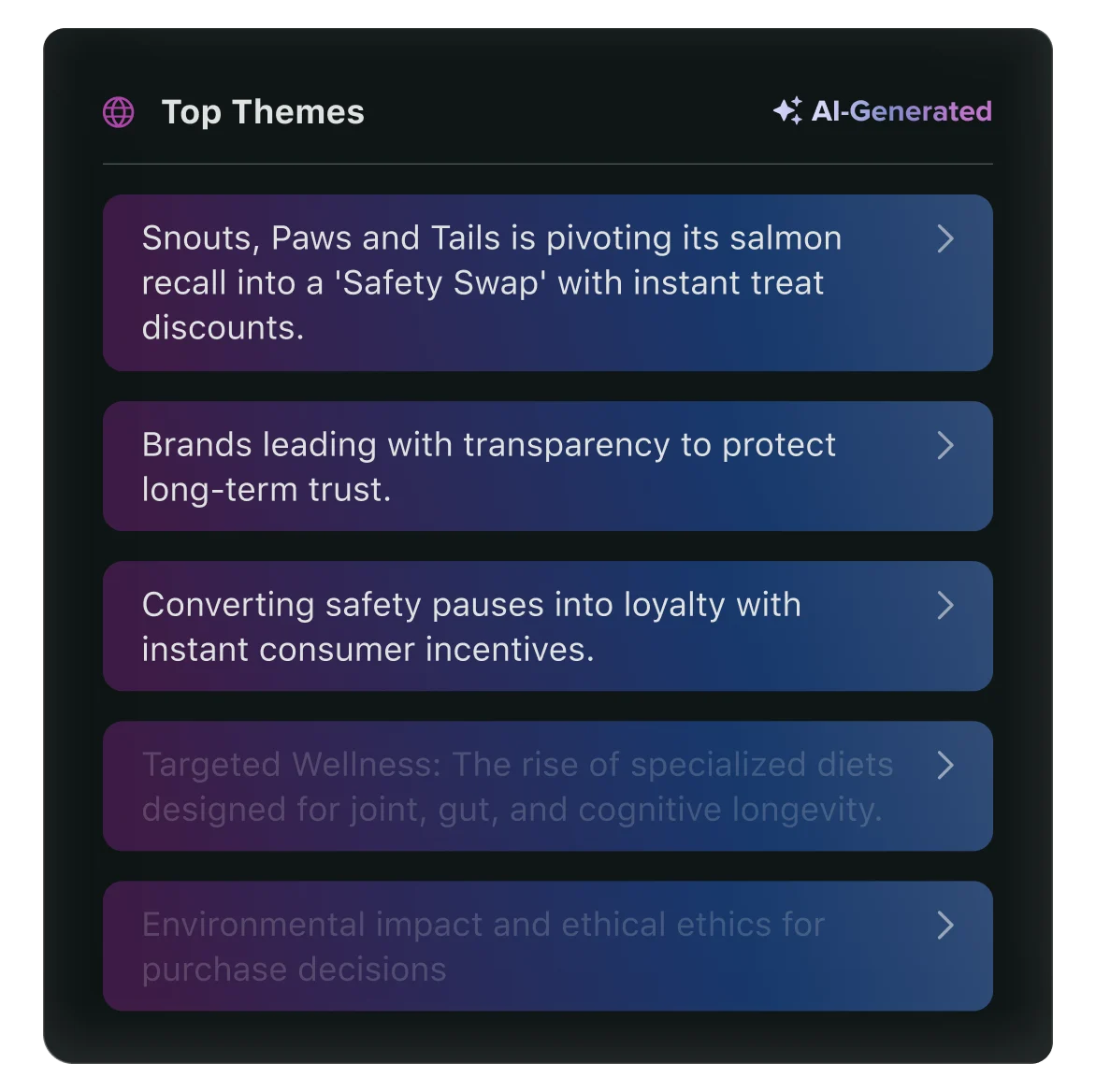
The industry is currently undergoing a paradigm shift toward "agentic monitoring." Unlike passive dashboards that require human intervention to trigger an insight, agentic monitoring utilizes AI to scan the digital landscape 24/7. These autonomous agents act as a tireless, always-on analyst team. They don’t just watch for volume; they understand context. They can distinguish between a benign customer complaint and the early stages of a viral, reputation-damaging trend.
A Chronology of the Information Age: From Silos to Synthesis
To understand why this shift is necessary, one must look at the evolution of corporate communication over the last decade.
- 2015–2018: The Era of Manual Monitoring. Brands focused primarily on owned channels. If a customer tweeted at the brand, the brand responded. Listening was largely confined to "direct mentions."
- 2019–2022: The Rise of Social Listening. Companies began using keyword-based tools to track sentiment. However, the data remained siloed. Marketing looked at social; PR looked at news; Product looked at support tickets. The "whole picture" remained obscured.
- 2023–2025: The Fragmentation of Truth. The rise of short-form video and decentralized social platforms made it impossible for humans to track every relevant conversation. The volume of data surpassed human processing capacity.
- 2026 and Beyond: The Agentic Era. With the integration of advanced AI like Sprout Social’s Trellis, the industry has moved toward an ecosystem where AI synthesizes data across all platforms, providing not just reports, but actionable, executive-ready recommendations.
Supporting Data: Why "Full-Landscape" Listening Matters
The urgency for this transition is backed by shifting consumer behaviors. Data from recent industry reports suggests that over 90% of news consumption now occurs "off-platform"—meaning users are receiving their information via curated feeds, AI-powered summaries, and peer-to-peer sharing, rather than visiting news websites directly.
Paul Quigley, General Manager of Listening at Sprout Social, underscores the stakes: "Today, narratives—both opportunities and threats—can kick off anywhere. From a news story, a discussion on Reddit, a TikTok, or a Substack post. Brands risk exposure and missed opportunities if their listening focuses too heavily on just a couple of sources. They need nothing less than the full media landscape at their fingertips."

When 94% of data is pushed to teams via alerts rather than pulled from dashboards, the organizations that win are those that have built the best "delivery pipelines." By integrating these data streams into existing enterprise software—such as Slack, Microsoft Teams, or Jira—brands can ensure that the right information reaches the right stakeholder before the public narrative runs away.
Official Perspectives: The Role of AI in Crisis Mitigation
Industry leaders are increasingly viewing AI agents not as a replacement for human judgment, but as the essential filter that makes human judgment possible.
"The era of logging into dashboards to check things is over," says Quigley. The modern workflow involves AI agents performing the "heavy lift" of data collection, synthesis, and initial categorization. By the time a PR manager or a product lead reviews the data, the AI has already:
- Identified the Source: Traced the narrative back to its origin point.
- Assessed Velocity: Determined how quickly the story is spreading.
- Measured Sentiment: Quantified the emotional tone of the discussion.
- Proposed Context: Explained why this shift matters based on historical brand benchmarks.
This allows organizations to move beyond the "emergency meeting" culture of the past, replacing panic-driven decision-making with evidence-based, calculated responses.
Strategic Implications: The "Unified Foundation"
For organizations aiming to implement this, success is not just about the technology; it is about building a "unified foundation." This requires a two-phased approach:
1. Mapping Channels and Centralizing Data
The first step is a comprehensive audit of the digital touchpoints relevant to your brand. This isn’t just about Facebook and X. For a B2B SaaS company, it might mean tracking specialized GitHub repositories or industry-specific Slack communities. For a consumer brand, it might mean deep-monitoring TikTok, Reddit, and Amazon review sections. Once these channels are identified, they must be aggregated into a single "Source of Truth." This eliminates the organizational silos that frequently plague large companies, where the social media team is unaware of a PR crisis brewing in the customer support department.
2. Setting Strategic Tracking Objectives
Data without a goal is merely noise. A robust monitoring program must define specific, trackable objectives:
- Customer Care: Reducing the time-to-resolution for high-priority mentions.
- Product Development: Aggregating recurring user complaints to inform the product roadmap.
- Crisis Management: Establishing "tripwires" that trigger an immediate alert if sentiment drops below a specific threshold.
- Competitive Intelligence: Benchmarking your brand’s "share of voice" against primary competitors.
Building Escalation Pathways: Breaking Down Silos
The final and most critical component of a cross-network strategy is the establishment of clear, internal escalation pathways. All too often, valuable intelligence is captured by the marketing team but fails to reach the product or legal departments.
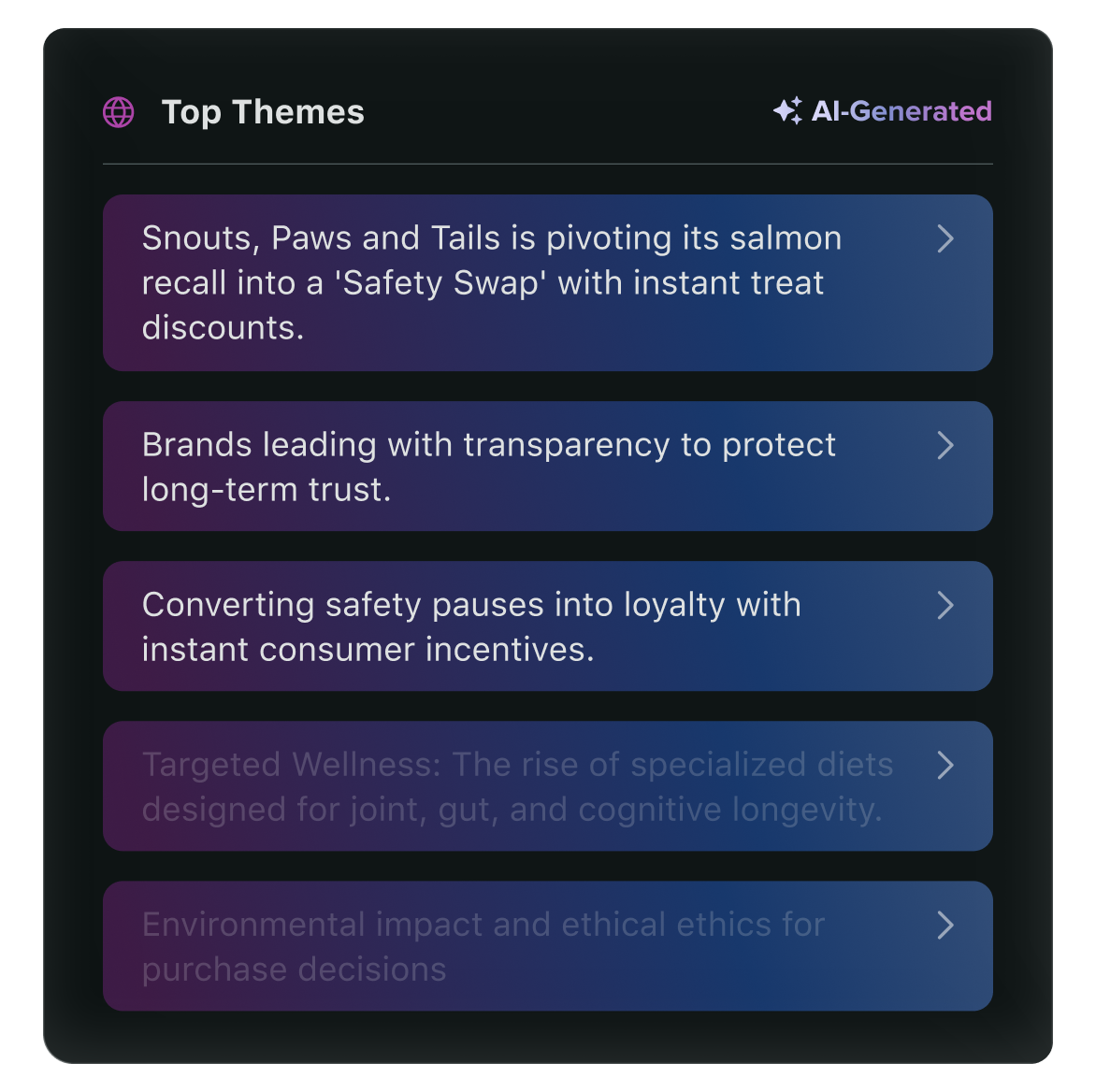
By building customized workflows, organizations can ensure that:
- Product Bugs are automatically routed to the engineering backlog.
- Service Failures are escalated to customer success leads.
- Reputational Threats are flagged for the executive communications team.
This creates a responsive organization that acts as a cohesive unit. It turns the "noise" of the internet into a competitive advantage, allowing a brand to pivot, innovate, and defend itself with a speed that was impossible in the pre-AI era.
Conclusion: The Path Forward
In the current digital ecosystem, the question is not if you will be talked about, but how quickly you will know about it. The brands that succeed in the next five years will be those that view their online presence as a living, breathing entity.
By shifting to a unified, agentic, and cross-network monitoring strategy, companies can stop guessing what the public thinks and start knowing. Using tools like Sprout Social’s Trellis allows brands to transition from being victims of the news cycle to active participants in the conversation. In a world where minutes define the difference between a minor hiccup and a brand-defining crisis, the ability to synthesize, analyze, and act on data in real-time is no longer a luxury—it is the baseline for modern corporate survival.
Frequently Asked Questions (FAQs)
Q: What are the best tools for cross-network brand monitoring?
A: The most effective tools are those that unify disparate data sources—social, web, forums, and reviews—into a single, intelligence-driven dashboard. Solutions such as Sprout Social’s Listening suite and NewsWhip by Sprout Social are designed specifically to handle this level of complexity through integrated AI agents.
Q: How does brand monitoring differ from social listening?
A: While the terms are often used interchangeably, the scope is different. Brand monitoring is a "micro" approach—it focuses on your specific brand, your products, and your direct reputation to handle customer care and crisis management. Social listening is a "macro" approach—it analyzes the broader industry, competitor trends, and cultural shifts to inform long-term corporate strategy.
Q: What keywords should I track for my brand?
A: A comprehensive strategy requires grouping keywords into distinct buckets:
- Core Brand: Variations of your company name and common misspellings.
- Products/Features: Specific product names, model numbers, and service titles.
- Leadership: Names of key executives or spokespeople.
- Competition: Competitor brand names and flagship product lines.
- Industry Topics: Broad themes that represent the context in which your brand operates.