











By [Author/Journalistic Correspondent]
Published: [Current Date]
Main Facts: The Human Cost of the Generative AI Boom
For ten years, one writer enjoyed what many modern knowledge workers only dream of: a stable, lucrative freelance career completed entirely from home. Working with a single, dependable client, they earned a reliable monthly paycheck, bypassing the grueling, feast-or-famine cycle of bidding platforms and client acquisition.
Then, generative artificial intelligence arrived.
Within months of tools like ChatGPT sweeping the digital landscape, the client pivoted. The specialized writing that took the author a decade to master was systematically automated. Initially, payouts were slashed; eventually, the writer was phased out entirely.

This story is not an isolated anecdote. It represents a systemic shockwave rolling through the digital economy. As companies rushed to cut labor costs by replacing human creators with automated prompt-engineering, they triggered a cascading series of events: plummeting SEO performance, degraded user engagement, and a widespread crisis of identity for thousands of mid-career digital professionals. Approaching 40, this writer found themselves abruptly cast into a saturated, radically altered job market, forced to reckon with the obsolescence of a decade’s worth of hyper-niche portfolio work.
Chronology: From Stability to Sudden Obsolescence
Phase 1: The Golden Decade (2013–2022)
For ten years, the arrangement was mutually beneficial. The writer produced steady, high-quality content, maintaining a single client’s website and enjoying complete location independence. There was no need to hunt for work or pitch on freelance marketplaces. The work was enjoyable, the income was reliable, and the career path felt secure.
Phase 2: The Arrival of ChatGPT and the Slow Squeeze (Late 2022–2024)
The disruption began incrementally. The primary client discovered that large language models could generate drafts at a fraction of the cost and speed of a human writer.
- Income Reduction: The writer’s monthly paycheck took an immediate hit.
- The Compromise: Needing the income, the writer stayed, editing and massaging raw AI output to keep the website afloat.
Phase 3: The SEO Crash and Client Turnover (2024–2025)
As the website filled with low-cost, AI-generated material, quality deteriorated. Google’s algorithm updates penalized the site for thin, repetitive content. Search engine rankings plummeted, pulling website revenue down with them.

Facing financial distress, the original owner sold the website. The new buyer inherited a degraded digital asset and retained the writer—but at an even lower rate. Several months later, amidst ongoing revenue deficits, the new owner terminated the contract entirely. The experiment in mass automated content creation had failed.
Phase 4: The Late-Career Crisis and Exploration (Present)
Now in their late thirties, facing the threshold of 40, the writer is navigating a terrifying professional pivot. Traditional cold outreach, job boards, and pitches to past contacts have yielded no results. The freelance landscape has shifted away from standalone writers toward multi-hyphenate roles like "content strategist," leaving the author stranded with a portfolio constrained to a single, now-diminished niche.
Supporting Data & Market Context: The State of AI Content and Freelancing
The experiences of this individual mirror broader economic shifts documented across the tech, media, and marketing sectors over the past three years:
- The AI Adoption Surge: According to various workforce studies, over 70% of digital marketing agencies and small-business website owners experimented with generative AI for content creation between 2023 and 2025.
- The SEO Correction: Major search engine algorithm updates (most notably Google’s "Helpful Content" updates) aggressively targeted low-quality, automated web pages. Countless niche site operators who fired their human writers saw traffic drops ranging from 40% to 90%.
- The Portfolio Trap: Freelancers who hyper-specialize with a single client for extended periods face severe vulnerability. When that client shifts strategies or goes under, the freelancer is left with a homogenous portfolio that fails to showcase versatility to prospective employers.
- Hyper-Competition on Job Boards: Platforms like Upwork, LinkedIn, and Indeed report record numbers of applicants per listing for writing and content roles, as displaced freelancers and corporate layoffs flood the market simultaneously.
Industry Perspectives and Professional Responses
While the immediate narrative surrounding generative AI has focused heavily on corporate savings and efficiency, industry analysts and marketing veterans are increasingly sounding the alarm about the long-term sustainability of fully automated digital properties.

The Marketing Agency Perspective
"For a brief window, businesses thought they had found the holy grail: free, instant content generation," notes digital strategist Elena Vance. "What they failed to realize is that search engines reward audience resonance, brand voice, and genuine authority. AI can synthesize existing data, but it cannot invent original insights or build authentic community trust. The companies that purged their human content teams are now scrambling to rebuild them—often at a much higher cost than if they had retained them in the first place."
The Economic Reality for Late-Career Workers
Career counselors point out that transitioning careers in one’s late 30s or 40s carries unique psychological and financial burdens. Unlike recent graduates, mid-career professionals often have financial obligations—such as mortgages or families—coupled with deeply ingrained identities tied to their craft.
"Starting over from scratch after a decade of mastery is not just an economic hurdle; it’s an emotional crisis," says workplace psychologist Dr. Marcus Thorne. "When the tools of your trade are devalued overnight, it feels like your life’s work has been invalidated."
Implications: The Future of Independent Work and Human Labor
The fallout from the AI content boom holds deep implications for the future of work, freelancing, and the psychological relationship humans have with labor.

1. The Death of the Single-Client Dependency
The era of the "cozy freelance gig"—where an independent contractor relies on a single client for 100% of their income for years—is effectively over. In an agile economy defined by rapid technological disruption, diversification is no longer optional. Freelancers must maintain active networks, multi-client portfolios, and continuously updated skill sets to survive.
2. The Pendulum Swing Back to Human Value
There is, however, a glimmer of hope on the horizon. As the internet becomes saturated with homogenized, robotic AI prose, human voice is becoming a scarce, premium commodity. Businesses that survived the traffic crashes are beginning to re-hire human writers, recognizing that brand loyalty requires a human soul behind the keyboard.
3. Re-Evaluating the "Rat Race" vs. Hands-On Realism
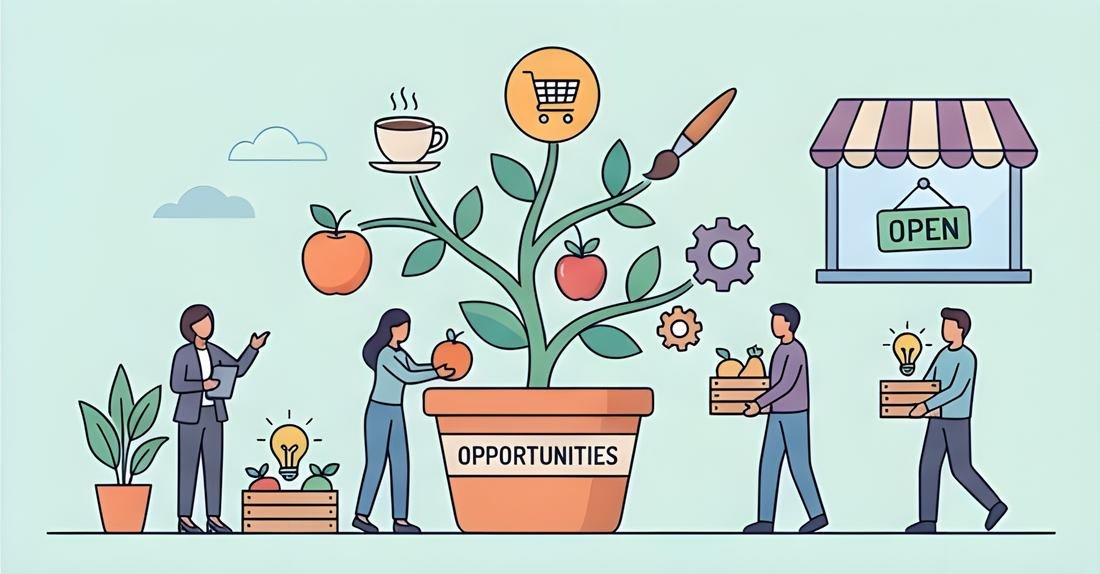
For many displaced knowledge workers, the disillusionment with the virtual economy is prompting a deeper philosophical question: Is it time to leave the digital workspace altogether?
Faced with virtual volatility, many professionals are looking toward tangible, physical work—such as small businesses, trades, farming, and woodworking. The desire to engage in hands-on labor is not merely an economic Plan B; it is a rejection of an increasingly abstract, automated corporate world where human output can be wiped out by an algorithm update overnight.
Conclusion
As this writer weighs their next move—whether to re-enter the fiercely competitive content market on their own strict terms or abandon the digital landscape entirely for physical enterprise—their story serves as both a cautionary tale and a manifesto. The future remains uncertain, but one reality is absolute: the true value of human skill, voice, and lived experience cannot be prompted into existence. It must be lived, earned, and defended.