










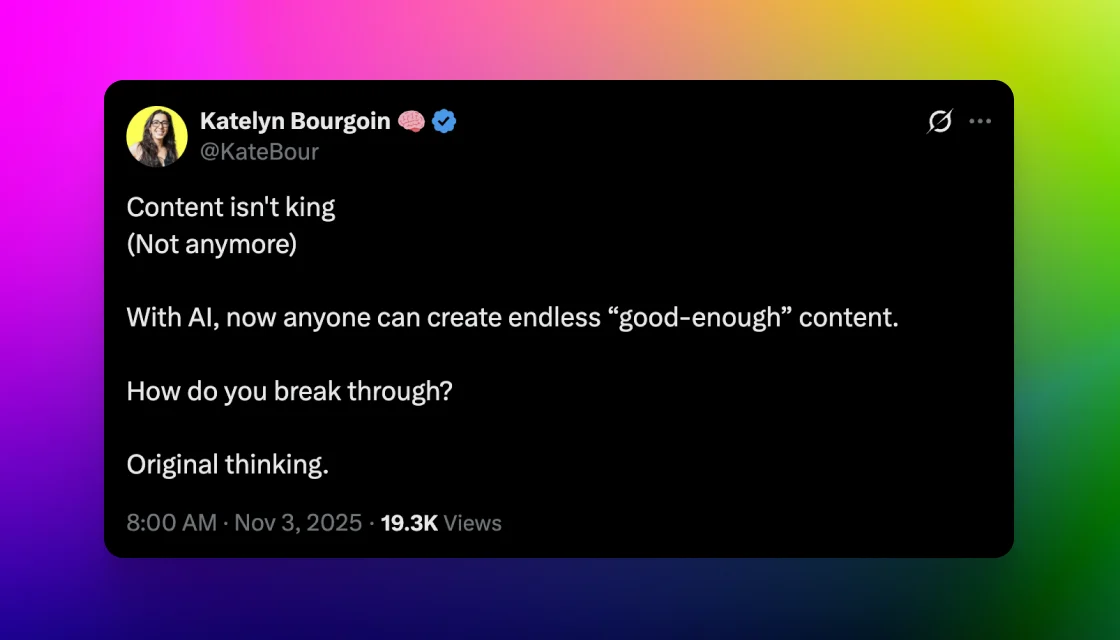
Do you feel seen? Heard? Or perhaps, like many independent publishers in the closing months of 2025, do you feel a bit ignored? If the digital spotlight felt like it was pointed at everyone else’s publication except your own, the transition into 2026 offers a clean slate. It is time to get unapologetically loud. Success in the coming year will not be defined by chasing fleeting viral trends, but by executing a well-polished, disciplined SEO strategy that commands authority in an increasingly automated world.
This week, we dissect the shifting search landscape, explore how to optimize protected content, and examine why operational discipline is your most potent competitive advantage as we head into 2026.
The SEO Paradox: Managing Protected and Paywalled Content
A common point of friction for modern publishers is the integration of premium, paywalled content with search engine discoverability. If you run a membership-based publication, you likely guard your best insights behind a gate. The question then becomes: How do you rank in Google when your most valuable assets are invisible to crawlers?

Understanding the Growth Channel
Many businesses mistakenly believe that protected content is a "dead end" for SEO. In reality, your paywalled content can be a powerful engine for growth if handled with a hybrid approach. The strategy involves a delicate balance between full and partial content protection. By offering "freemium" entry points—such as free introductory paragraphs, metadata-rich landing pages, and public-facing newsletters—you provide enough "juice" for search engines to index your site while reserving the high-value, deep-dive content for subscribers.
Preparing for the Crawl
To ensure your publication thrives, you must prioritize "search-first" architecture. This means ensuring that your public-facing pages are heavily optimized with relevant keywords, internal links, and structured data markup. By treating your public content as the "top-of-funnel" awareness layer, you create a pathway that leads interested readers directly into your paid ecosystem.
2026 SEO Trends: The Rise of Human-Centric Authority
The SEO landscape of 2026 is no longer about keyword stuffing or hacking algorithms. It is about matching intent with genuine value. As Omid G, Editor-in-Chief at Marketer Milk, notes, the upcoming year is defined by a shift toward human-verified authority.
1. The Supremacy of EEAT
Google’s focus on EEAT (Experience, Expertise, Authoritativeness, and Trustworthiness) is reaching its zenith. Search algorithms are becoming increasingly adept at distinguishing between sterile, AI-generated drivel and content backed by lived experience. If you are a niche publisher, your greatest asset is your unique perspective. Lean into it. Share stories that an AI cannot replicate, and bolster your credibility with social proof—testimonials, expert citations, and verified biographical details.
2. Social Media as a Brand Signal
In 2026, your social media presence is not just for distribution; it is a critical SEO signal. When your brand name becomes associated with specific keywords through organic social conversation, search engines take note. Positive word-of-mouth creates a "co-occurrence" effect, where Google begins to associate your publication with the topics your community discusses most frequently.
3. Personalization and the "Human" Hook
As synthetic content floods the web, users are craving human connection. A simple but effective tactic for 2026 is the personalization of content titles. By incorporating first-person pronouns or highlighting the specific expertise of the author, you create a more organic, clickable connection. Titles that sound like they were written by a person, for a person, are consistently outperforming robotic, keyword-heavy alternatives.
4. The YouTube Renaissance
Video is no longer optional. With the rise of TikTok-style short-form content, YouTube has re-emerged as a primary search engine for discovery. By repurposing your most successful blog posts into short-form video summaries featuring a human face, you create a multi-channel SEO funnel that drives traffic back to your written content.
5. AI Search and the Google Fortress
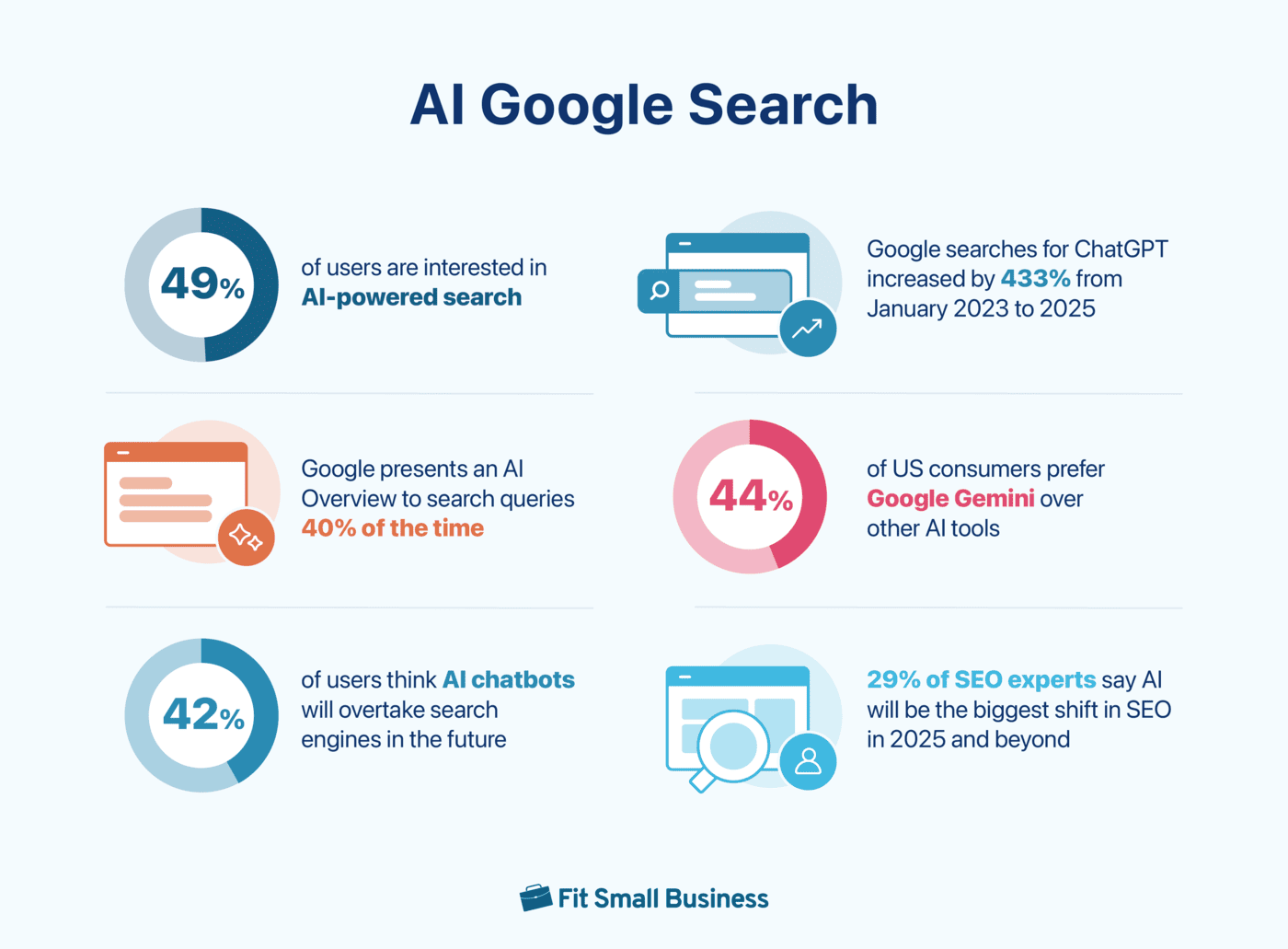
While AI-driven search engines like Perplexity are gaining ground, Google remains the undisputed titan with over 82 billion monthly visits. The key to 2026 is not to pivot away from Google, but to ensure your content is so original and high-quality that it becomes the "source material" that AI models cite. When you own the original insight, you own the search result, regardless of the delivery platform.
Disciplinary Action: The Strategy for Long-Term Growth
Beyond the trends, the most successful publications in 2026 will be those that master the "boring" parts of SEO. Maria Georgieva of Search Engine Land argues that discipline—not hacks—is the ultimate separator.

The Pyramid of SEO Success
To build a sustainable publication, you must categorize your efforts into a hierarchy of needs:
- The Foundation: This includes your "business-as-usual" tasks. Technical audits, monitoring crawl errors, and reporting are the bedrock. If these are neglected, no amount of clever content will save your rankings.
- The Quick Wins: These are the projects that provide immediate dopamine and incremental traffic. Think of adding structured data markup or expanding thin pages with FAQ sections. While these won’t define your decade, they keep your team motivated and your site healthy.
- The Long-Term Bets: These are the high-effort, high-reward initiatives. Building a community on platforms like Reddit, launching a podcast, or establishing a consistent presence on professional social networks. These actions build long-term brand trust that is immune to algorithm updates.
Avoiding the Panic Trap
One of the most dangerous habits for publishers is "reactive SEO"—changing your entire strategy every time a new tool or algorithm update drops. True discipline requires a steady hand. Use the SMART framework (Specific, Measurable, Achievable, Relevant, Time-bound) to set your goals. When a performance dip occurs, employ the "5 Whys" technique to get to the root cause rather than guessing at superficial solutions.
Implications for the Future of Publishing
What does this mean for your publication as you head into 2026? It means moving away from the "get rich quick" mentality of digital publishing and moving toward a "build to last" philosophy.

The barrier to entry for creating content has effectively vanished, which means the barrier to being seen has never been higher. The noise is constant. However, for those who commit to the rigor of high-quality, human-centric, and disciplined SEO, the opportunity is immense.
Key Takeaways for Your 2026 Roadmap:
- Prioritize Originality: If you are merely summarizing what everyone else has said, you are already behind. Seek to provide a unique, experiential take that adds value to the conversation.
- Optimize for the Human, Not the Bot: Use conversational language, include personal anecdotes, and ensure your site is easy for a human to navigate. If the human reader is happy, the search engine will follow.
- Embrace the "Boring" Work: The difference between a struggling publication and a successful one is often the willingness to do the daily maintenance that competitors are too impatient to handle.
- Community is the New Backlink: Focus on building a community that talks about your brand. When people search for your brand name in conjunction with their interests, you have achieved the highest form of SEO.
As we look toward the new year, remember that tools and trends are temporary, but your reputation is permanent. Focus on your audience, maintain your discipline, and stay the course. 2026 is not just another year of content creation—it is your year to solidify your authority.
Was this briefing helpful? If you found these insights valuable, consider subscribing to our newsletter for weekly deep dives into the mechanics of building a successful independent publication.



