








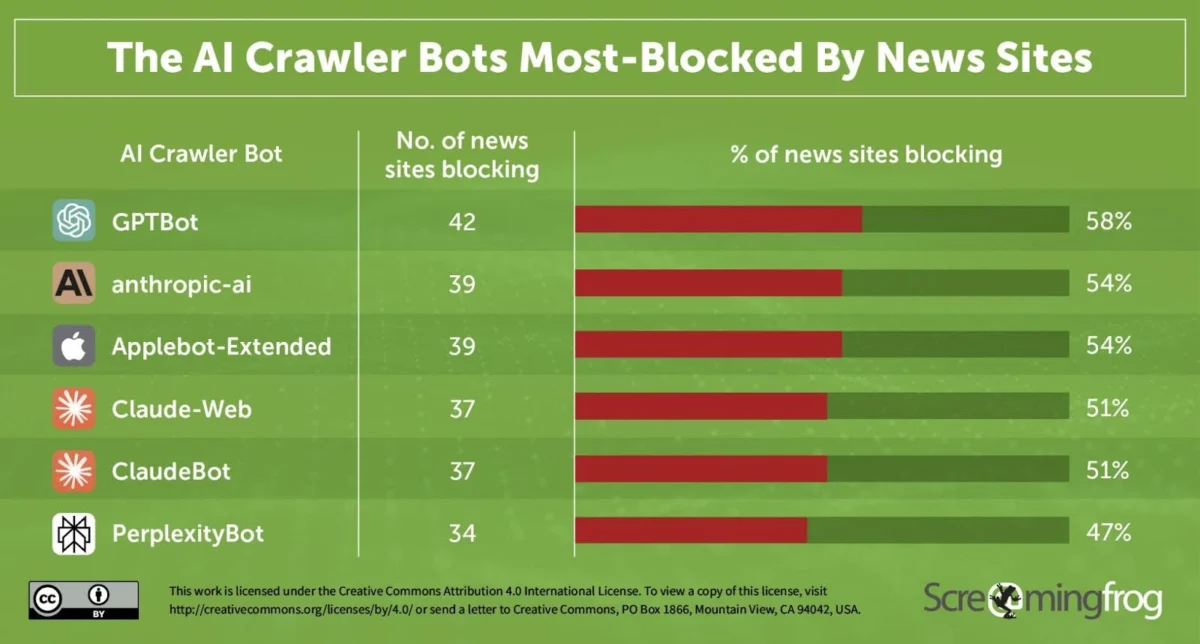
In the modern landscape of public relations and digital marketing, traditional metrics are undergoing a rigorous reassessment. For decades, PR campaigns have looked outward, prioritizing high-profile outreach, media placements, and coverage from external publications. However, as the digital ecosystem becomes increasingly competitive and media consumption habits shift, this external-only focus has created a structural vulnerability: campaign momentum often evaporates the moment media coverage fades.
According to a recent communications marketing outlook report, over half of all PR professionals state that proving return on investment (ROI) beyond surface-level vanity metrics remains their most persistent professional challenge. Concurrently, the media landscape is contracting and becoming significantly more selective. Data indicates that 68% of journalists now prioritize pitches that are anchored in original research, proprietary datasets, and robust empirical evidence.
This environment has elevated the importance of high-site, or on-site, campaign content. By anchoring campaign findings directly on a brand’s website, organizations can extend campaign longevity, strengthen domain credibility, and secure the elusive, authoritative backlinks necessary for long-term digital visibility.
The Main Facts: The Shift from Vanity Metrics to On-Site Value
The fundamental challenge facing modern communicators is a disconnect between short-term media visibility and long-term business value. Brand mentions in tier-one publications certainly offer immediate visibility, but without a dedicated, authoritative digital home on the brand’s own domain, that traffic is ephemeral.

On-site campaign content bridges this gap by acting as the primary source of truth for a brand’s digital narrative. It establishes Experience, Expertise, Authoritativeness, and Trustworthiness (E-E-A-T) on a given topic while providing a stable, credible reference point that journalists can easily link back to.
Furthermore, media outlets are tightening their editorial guidelines regarding hyperlinks. Many major publications now strictly enforce policies where backlinks are exclusively offered to original data sources rather than secondary summaries. Consequently, robust on-site content has transformed from a nice-to-have supplementary asset into a mission-critical requirement for link-building success. While visibility builds brand awareness, structured backlinks drive qualified referral traffic and reinforce a brand’s authority in the minds of consumers.
Chronology of a Campaign: From Conception to Evergreen Maintenance
Understanding how to leverage on-site content requires viewing a PR campaign through a chronological lens, moving from its initial planning phases through active media outreach, and finally into long-term digital asset management.
Phase 1: Pre-Launch and Foundation Setup
Before a single pitch email is sent to a journalist, the on-site asset—whether a long-form article, interactive report, or comprehensive blog post—must be fully realized. This page serves as the anchor for all future outreach. During this phase, content creators must ensure the narrative hook is established immediately. The core findings, the primary newsworthy statistic, and the overarching "why" must be clearly articulated within the first few sentences of the page, expanding gracefully upon the summaries provided in press releases.

Phase 2: Active Media Outreach and Real-Time Engagement
As pitches hit journalist inboxes, interested reporters will visit the on-site page to vet the research, pull alternative angles, or verify data points. During this window, the scannability of the on-site asset dictates success. Formats must cater to rushed editorial deadlines through bolded key statistics, bulleted lists, and intuitive tables of contents.
Phase 3: Post-Campaign Conversion and User Journey Extension
Once media coverage peaks and begins to plateau, the on-site asset transitions into a conversion and discovery tool. Strategic internal linking and clear calls to action (CTAs) guide visiting referral traffic deeper into the website, turning temporary news-driven visitors into engaged prospects.
Phase 4: Evergreen Archiving and Periodic Refreshing
Months after the initial media push, the campaign enters its evergreen lifecycle. Rather than letting the URL collect digital dust, content teams must periodically review, update, and relaunch the data to capture ongoing search engine interest and attract passive, organic backlinks.
Supporting Data and Empirical Insights
To successfully bridge the gap between PR outreach and on-site optimization, communicators must understand the data driving consumer and editorial behavior.
- The ROI Dilemma: Over 50% of communications professionals cite proving tangible ROI beyond vanity metrics (such as impressions and AVE) as their primary hurdle. On-site content resolves this by tying PR efforts directly to quantifiable metrics like organic traffic, referral conversions, and domain authority growth.
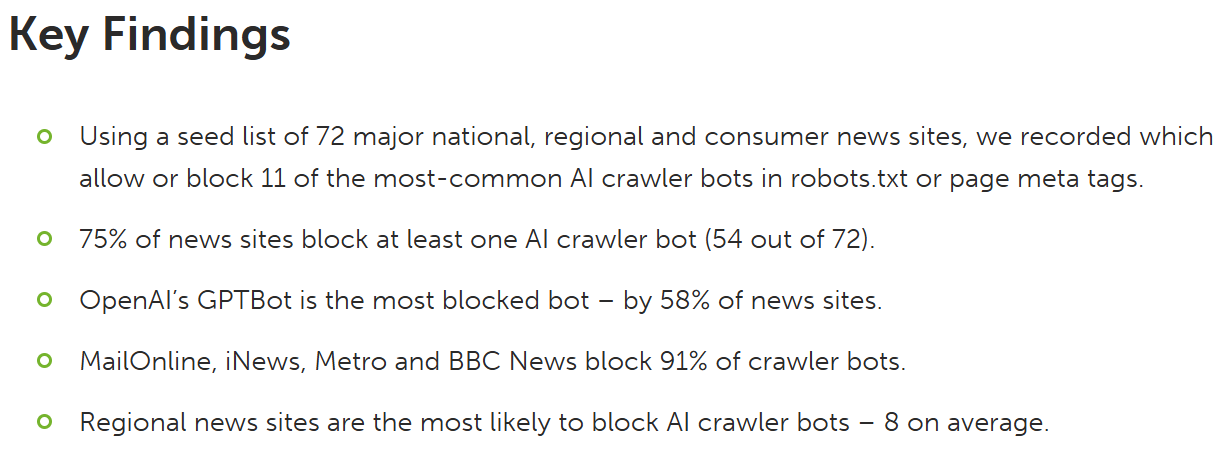
- Journalist Preferences: With 68% of media professionals demanding original research and proprietary data, content assets that house full datasets, downloadable reports, and transparent methodologies consistently outperform qualitative narrative pitches.
- SEO and Algorithmic Favorability: Search engines and modern AI-driven overviews heavily favor regularly updated, authoritative web pages. Keeping a consistent URL while refreshing data prevents internal keyword cannibalization and signals continuous editorial relevance to search crawlers.
Official Perspectives and Industry Responses
Industry leaders across both public relations and search engine optimization (SEO) have increasingly advocated for an integrated approach where earned media and owned media work in lockstep.
SEO strategists emphasize that creating disparate pieces of content for PR and organic search is a missed opportunity. When a PR team secures a top-tier media mention, the linking equity flows more securely when directed to a deeply informative, structured data page rather than a generic homepage or a transient press release archive.
Editorial directors and consumer psychologists likewise note that modern audiences are hyper-vigilant regarding corporate claims. By publishing comprehensive methodologies at the bottom of on-site campaign pages—allowing journalists and skeptical readers to sift through raw datasets—brands project radical transparency. This openness not only satisfies rigorous journalistic standards but also disarms skepticism, fostering a deeper, more enduring brand trust.
Implications for Future Campaign Strategies
The mandate for the future of communications is clear: external outreach and internal content creation must no longer operate in silos.
By investing time and resources into building world-class on-site campaign assets, organizations insulate themselves against the fleeting nature of modern news cycles. The implications of this strategy affect multiple organizational departments:
- For PR Teams: Pitches become significantly more compelling when backed by an accessible, visually engaging, and comprehensive digital hub.
- For SEO Teams: Campaigns naturally generate high-authority backlinks, organic traffic, and sustained keyword visibility that compound over years rather than weeks.
- For Content Marketers: Data assets can be repurposed, sliced into social media snippets, transformed into interactive charts, and updated annually to maximize return on initial creative investment.
Ultimately, shifting focus toward on-site campaign content transforms public relations from a cyclical expense into a foundational asset. By making data digestible, establishing credibility early, leveraging brand exposure through intentional internal linking and CTAs, and planning for evergreen longevity, brands can ensure their campaigns remain visible, valuable, and impactful long after the initial headlines fade.