










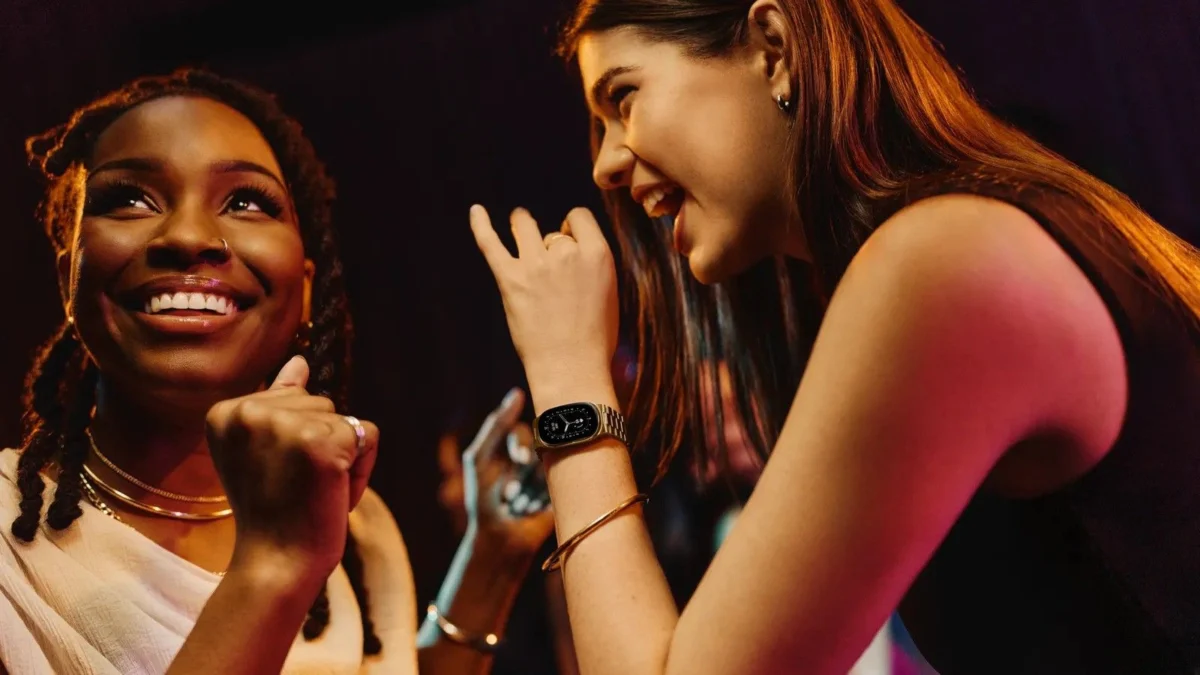
SAN FRANCISCO — In a major development poised to reshape the landscape of digital wellness, Google Health has officially announced a multi-year strategic partnership with Flo Health, the world’s leading female health-tracking platform. Unveiled today, the collaboration aims to fundamentally upgrade women’s health capabilities across Google’s entire ecosystem of wearable devices, specifically targeting upcoming models such as the Fitbit Edge, Fitbit Air, and the Pixel Watch 5.
By marrying Google’s cutting-edge hardware and artificial intelligence capabilities with Flo Health’s vast repository of menstrual and reproductive health data—which currently serves more than 80 million active monthly users—the tech giant seeks to address long-standing gaps in personalized health tracking and medical research.
Main Facts: What the Partnership Entails
The core of the Google-Flo Health alliance centers on data integration, advanced clinical research, and a commitment to filling critical voids in women’s healthcare technology.
- The Integration Timeline: Beginning in early 2027, users will have the option to seamlessly sync their Flo Health profiles and insights directly with the Google Health app.
- Targeted Wearables: The integrated health features will roll out across Google’s next-generation hardware lineup, prominently featuring the newly announced Fitbit Edge, the upcoming Fitbit Air, and the Pixel Watch 5.
- Research Focus: The multi-year partnership will spearhead ground-breaking research initiatives concentrating on under-researched and frequently overlooked areas of women’s biology, including perimenopause, polyendocrine metabolic ovarian syndrome (PMOS), pregnancy health, and postpartum recovery.
- AI and Personalized Guidance: By combining Flo Health’s algorithms with Google’s ecosystem—including the Gemini-powered AI Health Coach available via Fitbit subscriptions—users will receive holistic wellness recommendations based on a synthesis of sleep patterns, cycle health, and daily physical recovery data.
Chronology: The Evolution Toward Comprehensive Women’s Health
To understand the significance of this partnership, it is helpful to look at the timeline of digital health tracking and Google’s continuous expansion into the wellness sector.
The Rise of Digital Cycle Tracking (2015–2020)
For years, period and fertility tracking apps existed largely in silos. Platforms like Flo Health emerged as pioneers, offering millions of women a digital space to log symptoms, predict cycles, and better understand their bodies. Meanwhile, major tech hardware manufacturers—including Apple, Fitbit, and Garmin—slowly began introducing basic menstrual tracking features into their respective fitness applications, though these features were often disconnected from broader physiological metrics like sleep stages and cardiovascular recovery.
Google’s Acquisition of Fitbit and the Push for Ecosystem Integration (2021–2023)
Following Google’s acquisition of Fitbit, the tech conglomerate faced mounting pressure to elevate its health and fitness software to compete with rival ecosystems. Google Health was tasked with building a more cohesive wellness dashboard. However, critics frequently pointed out that women’s health features across Fitbit and Pixel devices lagged behind standalone applications in depth, predictive accuracy, and clinical research backing.
The Shift Toward AI and Specialized Care (2024–Present)
As artificial intelligence permeated consumer technology, Google introduced generative AI tools like the Gemini-powered AI Health Coach for Fitbit subscribers. Recognizing that generic fitness metrics do not adequately capture the biological realities of half the global population, Google began searching for an industry-leading partner. Negotiations and development for the Flo Health collaboration culminated in today’s landmark multi-year agreement, setting the stage for a rollout that extends through the late 2020s.
Supporting Data and Technical Overview
The technological backbone of this partnership relies on bridging high-precision wearable hardware with massive clinical and algorithmic datasets.
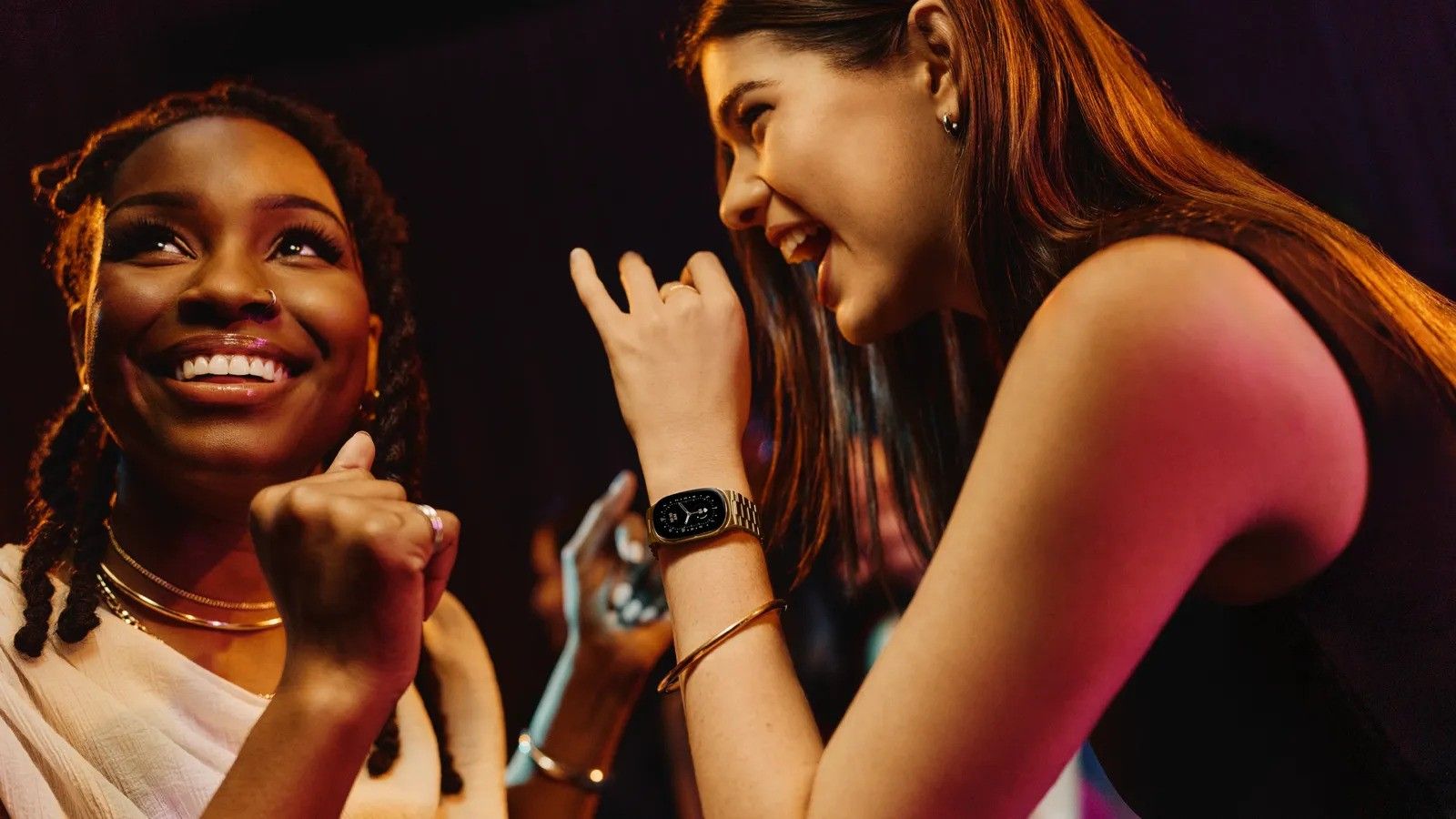
Inside the Fitbit Edge
Announced alongside the partnership, the Fitbit Edge serves as the flagship device for Google’s renewed push into advanced fitness tracking. Replacing consumer expectations set by older models like the Charge 6, the Fitbit Edge introduces several hardware and software upgrades:
- Display: Features an OLED screen that is 45% larger and 40% brighter than its predecessor, complete with full touchscreen capabilities.
- Battery Life: Engineered with a replaceable battery framework, the device offers up to a week of continuous battery life, reducing charging friction for continuous sleep and cycle monitoring.
- Sensor Suite: Includes built-in GPS, continuous heart rate monitoring, an electrical sensor for ECG (electrocardiogram) readings, and blood oxygen ($textSpO_2$) tracking.
- AI Integration: For users with a Fitbit subscription, the device integrates with Gemini-powered AI coaching, offering real-time insights tailored to daily exertion and recovery.
The Scale of Flo Health
Flo Health brings immense quantitative power to the table. With over 80 million monthly active users, the platform processes millions of data points daily regarding hormonal fluctuations, basal body temperature, sleep quality, and lifestyle factors. By integrating these datasets into Google Health’s infrastructure, the combined system aims to provide a top-to-bottom view of a user’s physical well-being.
Privacy and Data Security
Given the sensitive nature of reproductive and hormonal health data, privacy has emerged as a central pillar of the announcement. Google has reiterated that user information will be protected with "uncompromising privacy and expertise," ensuring that synced health data remains encrypted and under strict user control.
Official Responses and Corporate Statements
Executives from both companies have emphasized the transformative potential of combining tech hardware with specialized health platforms.
In its official company blog post, Google Health outlined its vision for the future of wearable technology:
"We’re building a personal health experience that adapts to your lifestyle, habits, and biology—which is especially important for women. Our partnership with Flo Health focuses on moving beyond basic tracking to provide a complete view of well-being from top to bottom, backed by rigorous research into areas that have historically lacked sufficient medical attention."
Industry analysts have similarly noted that partnerships of this scale signal a maturation of the digital health market. Rather than attempting to build proprietary solutions from scratch in complex domains like women’s health, major tech ecosystems are increasingly choosing to collaborate with established, specialized platforms to ensure clinical validity and user trust.
Implications: What This Means for Consumers and the Tech Industry
The Google-Flo Health partnership carries wide-ranging implications for consumers, medical researchers, and competing technology companies.
1. Bridging the Gender Data Gap in Wearables
Historically, consumer fitness trackers were designed around baseline metrics that often failed to account for hormonal cycles, fluctuating metabolic rates, and life stages such as pregnancy or menopause. By integrating Flo Health’s extensive algorithms into devices like the Pixel Watch 5 and Fitbit Edge, users can expect more accurate predictions regarding fatigue, sleep disturbances, and recovery windows tied directly to their hormonal health.
2. Normalizing Conversations Around Overlooked Conditions
By explicitly targeting perimenopause, polyendocrine metabolic ovarian syndrome (PMOS), and postpartum recovery, Google and Flo Health are bringing clinical focus to conditions that affect millions of women yet frequently suffer from underdiagnosis and a lack of patient resources. The inclusion of these topics in mainstream consumer tech normalizes tracking and encourages proactive healthcare management.
3. Raising the Bar for Competitors
The move puts pressure on other major tech ecosystems—most notably Apple and Samsung—to further innovate their own women’s health tracking capabilities. As consumers increasingly demand holistic, AI-assisted health insights from their smartwatches and fitness bands, hardware manufacturers must prove not only that their devices can track steps and heart rate, but that they can interpret complex biological data with nuance and precision.
4. A New Paradigm for Tech-Health Collaborations
This partnership serves as a blueprint for future collaborations between Silicon Valley tech giants and specialized health-tech startups. As regulatory scrutiny over health data intensifies, combining Google’s distribution network and AI capabilities with Flo Health’s specialized medical insights demonstrates how ecosystems can scale while striving to maintain user privacy and clinical integrity.
Android Central’s Take
Navigating health data can often feel like searching for a compass in the dark. Consumers frequently experience symptoms—ranging from unexplained fatigue to shifts in metabolic health—without knowing where to look for reliable answers or how different physiological metrics connect.
Google partnering with Flo Health represents a pragmatic and powerful starting point. By leaning on a platform that has spent years compiling data, understanding biological nuances, and building trust with tens of millions of women, Google is taking a necessary step away from generic wellness tracking and toward personalized care. Everyone deserves comprehensive health insights, and transforming the wearable market to truly serve all bodies begins with foundational steps like this.



