
Building a loyal audience is the hallmark of any successful digital publication, yet it remains one of the most elusive metrics to master. In the landscape of the creator economy, the churn of subscribers is often viewed as a failure of content quality. However, the reality is far more nuanced. While we all aspire to maintain a 100% retention rate, the organic ebb and flow of a subscriber base is a natural part of the digital lifecycle. The challenge for creators is not to achieve the impossible—preventing every single cancellation—but to cultivate an environment where every individual feels seen, heard, and genuinely valued.
Main Facts: The Anatomy of Subscriber Attrition
The core reality of digital publishing is that subscribers are dynamic, not static. They change, their interests shift, and their financial priorities fluctuate. When a reader clicks "unsubscribe," it is rarely a simple indictment of your work. It is often a signal that the value proposition has drifted.
The most critical realization for a creator is that silence is your enemy. Sitting idly by while your list shrinks is a strategic oversight. Proactive retention is about creating a "stickiness" that transcends the content itself. According to industry leaders, the most successful publications move beyond transactional relationships, fostering a sense of community that makes the cost of a subscription feel like an investment in a shared identity rather than a recurring fee for data.

Chronology: The Lifecycle of a Subscriber
To understand retention, we must map the journey of a subscriber from their first interaction to their eventual decision to stay or go:
- The Acquisition Phase: The initial spark. A reader finds your work, likely through a social share or search, and decides to sign up. This is the "honeymoon" period where expectations are at their highest.
- The Integration Phase: The first few weeks. The subscriber begins to understand the cadence and quality of your work. If your delivery aligns with the promise of your brand, the bond strengthens.
- The Equilibrium Phase: The period of long-term stability. The reader becomes a habitual part of your ecosystem. They open your emails not just to read, but to belong.
- The Drift Phase: The critical inflection point. This is where disengagement begins. Perhaps your content frequency has changed, or their personal life has moved in a new direction.
- The Decision Point: The moment of cancellation. This is where most creators lose their chance to learn. A well-designed "exit flow"—such as a thoughtful feedback survey or a retention offer—can turn a departing subscriber into a future returnee.
Supporting Data: The Psychology of Churn
Why do people actually leave? While the reasons vary, they generally fall into three buckets: expectations, relevance, and friction.
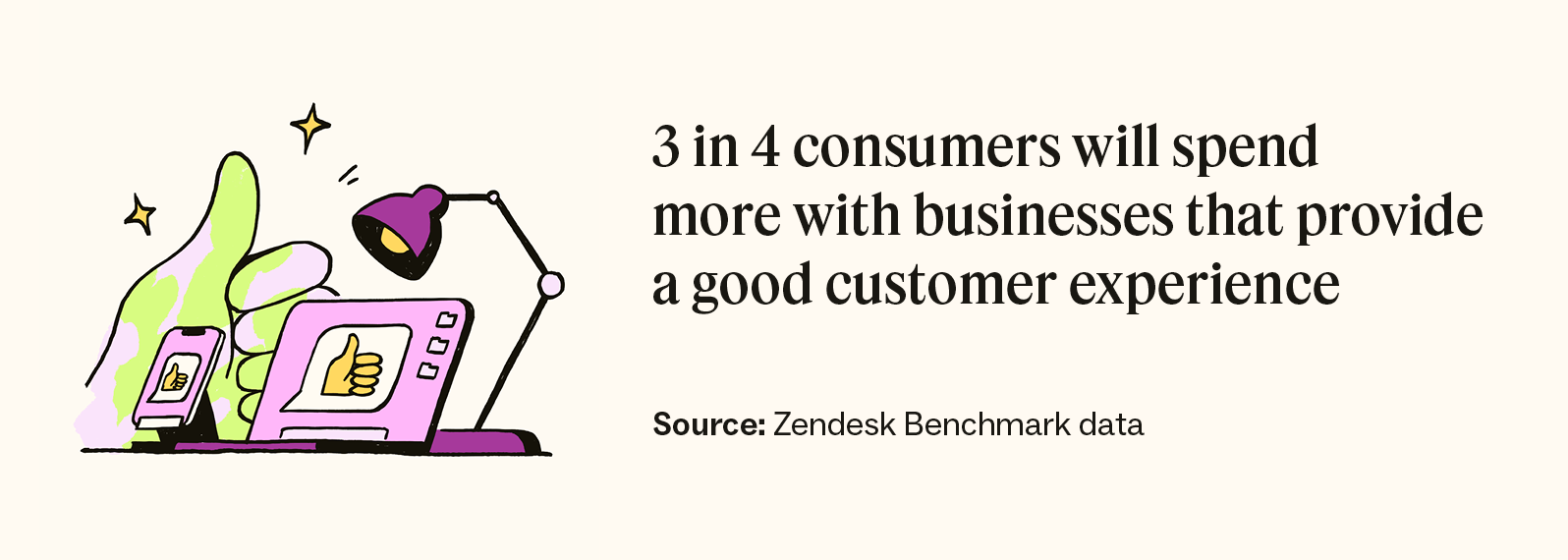
Mozhdeh Rastegar-Panah, Senior Director at Zendesk, emphasizes that the customer experience is a comprehensive architecture. It is not just about the quality of the article; it is about the ease of navigating the subscription, the clarity of the communication, and the speed at which a concern is addressed.

Data from Customer Thermometer highlights that the number one cause of attrition is the failure to meet expectations. If a subscriber signs up for deep-dive technical analysis and you pivot to lifestyle commentary without warning, you have broken a social contract. Furthermore, "buyer’s remorse" is a significant factor in the first 30 days. This is why the "welcome email" is the most important piece of collateral you possess. It is the moment you validate their decision to join your tribe.
Strategies for Deepening Engagement
To stop the bleeding of subscribers, one must employ a multi-faceted approach to loyalty:
1. Radical Personalization
Modern readers are inundated with noise. Personalization isn’t just about putting their first name in an email subject line; it’s about providing content that feels curated for their specific interests. Segmenting your list allows you to speak to different sub-groups, ensuring that your long-term readers feel like they are getting a bespoke experience.
2. The Power of Incentivized Loyalty
Rewards do not have to be expensive to be effective. Partnering with other publications for cross-promotion is a brilliant way to add value to your subscribers while expanding your reach. By offering exclusive discounts to partner services, you demonstrate that you are part of a broader, curated ecosystem.
3. Institutionalizing Feedback
If you aren’t asking your subscribers why they are leaving, you are operating in the dark. Implement a "cancellation reason" survey. This data is pure gold. If 40% of your churn is due to "too many emails," you have an immediate, actionable fix. If it’s "content isn’t what I expected," you have a messaging problem.
4. Humanizing the Brand
People follow people. The more you share the "why" behind your work, the more loyal your audience becomes. Whether it’s sharing your editorial process or allowing them to vote on upcoming topics, giving your audience agency creates a psychological investment that is difficult to break.

Official Responses and Expert Insights
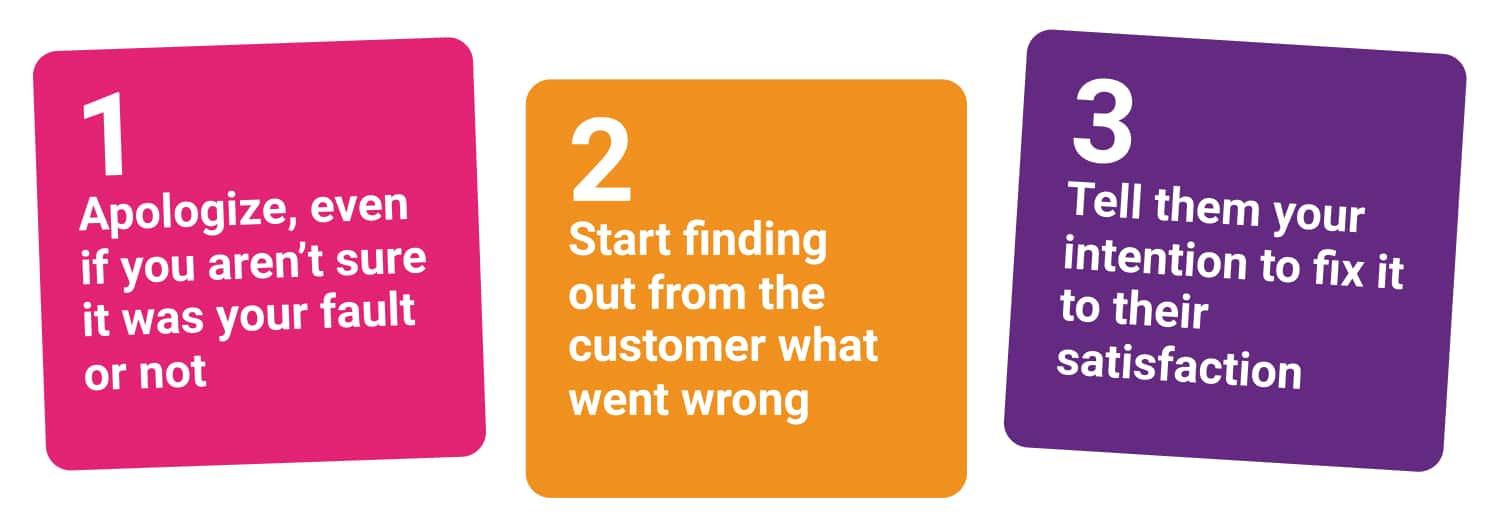
Industry experts suggest that "retention offers" are an underutilized tool in the independent creator’s arsenal. When a user navigates to the cancel page, they are at their most vulnerable. Presenting them with a temporary discount, a "pause" option, or a direct link to a community forum can often change their trajectory.
As noted by the team at Stamp Me, rewarding your most loyal members—those who have been with you since day one—is not just a nice gesture; it’s a retention strategy. By naming a premium tier after your most active subscriber or highlighting their story in a newsletter, you turn a passive reader into an active brand advocate. These individuals become the "nodes" of your community, keeping others engaged through their own passion.
Implications for the Future of Publishing
The implications of this shift toward "retention-first" growth are significant. We are moving away from the "growth at all costs" era of social media into an era of "community-focused" sustainability.
The Shift from Quantity to Quality:
As the digital landscape becomes more crowded, the value of an engaged, loyal subscriber far outweighs that of ten passive ones. A smaller list that interacts, debates, and advocates for your work provides a stable, predictable revenue stream that allows for greater creative freedom.
The Resilience of Niche Communities:
The data suggests that the most successful creators are those who define their niche clearly and stay within it. When you try to be everything to everyone, you end up being nothing to anyone. Retention thrives in specificity. By being the best at one thing, you create a "moat" that competitors cannot easily cross.
The Ethics of Communication:
Transparency is the bedrock of long-term retention. If you have to raise prices, tell your readers why. If you are changing your publishing schedule, tell them why. Treating your subscribers like partners in your journey rather than just "numbers on a list" fosters a level of trust that withstands the occasional mistake or period of transition.

Conclusion: The "Ride or Die" Relationship
Ultimately, subscriber retention is an exercise in empathy. You must constantly ask yourself: If I were a subscriber, would I still be paying for this?
There will always be people who leave. Perhaps the topic is no longer relevant to their life, or their financial situation has changed. That is, as the saying goes, just life. But for those who are on the fence, your proactive care—your consistent communication, your willingness to listen, and your efforts to make them feel special—is what will define the longevity of your work.
Your goal is not to trap people; it is to create a community so vibrant, so helpful, and so rewarding that leaving feels like a loss to them, not a relief. Keep creating, keep connecting, and remember: every subscriber is a human being with a unique reason for being there. Honor that, and you will build something that lasts.