






By: Editorial Desk
October 12, 2026
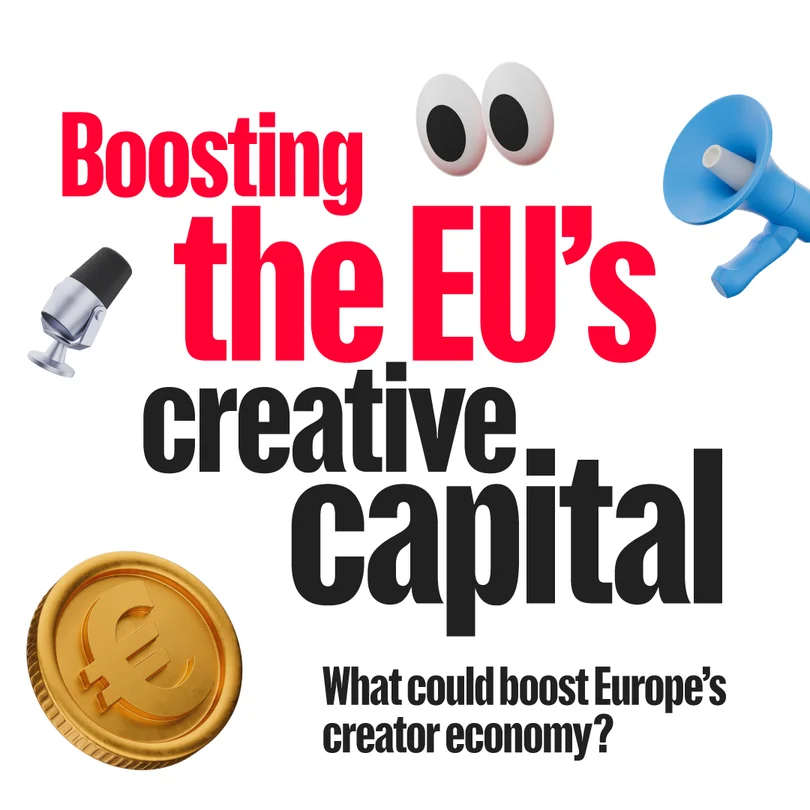
In the digital age, the "creative economy" is no longer a peripheral industry; it is a fundamental pillar of modern prosperity. According to new data released by YouTube, the creator ecosystem in the European Union has become a powerhouse of economic activity, contributing over €8.4 billion to the EU’s GDP in 2025 alone. Yet, despite this massive footprint—which supports more than 220,000 full-time equivalent jobs—a landmark consultation with 20,000 European creators reveals a systemic disconnect: the very people driving this growth often feel entirely excluded from the halls of power where policy is drafted.
As David Wheeldon, Senior Director of Government Affairs and Public Policy for YouTube EMEA, notes, the platform’s mission has always been to provide a global stage. However, as that stage has grown into a multi-billion euro industry, the administrative and legislative infrastructure has struggled to keep pace. The release of the new "Creative Capital" report marks a turning point in this relationship, providing, for the first time, a unified voice from creators across all 27 EU Member States.
The Economic Impact: A Continental Export Engine
To understand the scale of the issue, one must first understand the scale of the success. The YouTube Partner Program (YPP) has functioned as the bedrock of this ecosystem. By sharing more than half of the revenue generated from their channels with eligible creators, YouTube has enabled a decentralized media revolution.
The ripple effects of this revenue-sharing model are profound. Creators are not merely "content producers"; they are entrepreneurs who green-light their own productions, build independent media companies, and serve as vital employers for editors, camera operators, sound engineers, and creative agencies.
Furthermore, YouTube acts as an essential export engine for European culture. Data indicates that over 70% of the watch time on content produced by EU27 channels originates from outside the European Union. This means that European perspectives, humor, education, and artistic innovation are being broadcast to a global audience, reinforcing the EU’s soft power in a way that traditional media has struggled to achieve in the digital age.
Chronology of a Shifting Landscape
The journey to this realization did not happen overnight. The following timeline illustrates the evolution of the European creator economy:
- 2005–2010: The Inception: YouTube launches as a global stage, allowing European hobbyists to reach international audiences for the first time.
- 2011–2017: Professionalization: The maturation of the YouTube Partner Program allows creators to transition from part-time hobbyists to full-time professionals, necessitating a shift in how these creators view their tax and employment status.
- 2018–2022: Policy Friction: As the creator economy becomes more visible, EU regulators introduce new directives (such as Article 17 of the Copyright Directive). While intended to protect rights holders, many creators feel the impact on their visibility and monetization is overlooked.
- 2023–2025: The Rise of the "Creator Entrepreneur": The creator economy becomes a recognized sector of the digital economy, yet creators report being left out of key legislative discussions that directly impact their ability to operate.
- 2026: The "Creative Capital" Consultation: YouTube surveys 20,000 creators across the EU, culminating in the release of the "Creative Capital" report, which formally demands a seat at the table for independent creators.
Supporting Data: The Voice of the Creator
The "Creative Capital" report is not merely anecdotal; it is a quantitative deep dive into the hurdles facing modern digital entrepreneurs. When 20,000 creators were asked about the barriers to their success, a clear pattern emerged.
The Visibility Crisis
A staggering 71% of surveyed creators warned that reduced visibility—whether through algorithmic shifts, platform regulatory pressures, or lack of support for emerging channels—would directly threaten their livelihoods. For these individuals, the "algorithm" is not just code; it is their primary distribution network. When creators feel they lack a voice in the policies that shape this distribution, their business stability vanishes.
The Funding Gap
Traditional funding schemes in the EU, often designed for legacy media houses or manufacturing startups, remain largely inaccessible to the digital-native creator. Creators consistently report that they are locked out of grant-writing processes and official data-sharing initiatives that could help them scale their businesses.
Geographic Diversity
The consultation spanned all 27 Member States, proving that the creator economy is not confined to major hubs like Paris, Berlin, or Madrid. From small-town vlogs in rural Poland to educational channels in the Baltics, the need for a unified European strategy—one that respects the digital nature of the work—is universal.
Official Responses and Industry Sentiment
The response to the report from both policymakers and industry leaders has been mixed but largely reflective of the urgency of the situation. Critics of the current system point to the bureaucratic nature of EU institutions, which often struggle to categorize a "YouTuber" or "streamer" within existing labor laws.
David Wheeldon’s message to European leadership is clear: "Capturing this opportunity does not require Europe to invent new institutions from scratch. It simply requires making it easier to access the ones Europe already has."
Industry analysts suggest that the "Creator Class" is effectively the new "SME" (Small and Medium Enterprise) sector. Just as governments have specific tax and training initiatives for small businesses, they argue that the EU must create a "Creator-Friendly" policy framework. This would include recognizing creators as professional entities, streamlining cross-border copyright compliance for independent creators, and including creator representation in digital policy task forces.
Implications: The Path Toward a Global Competitive Edge
What happens next will determine whether Europe remains a leader in the digital arts or falls behind global competitors in the US and Asia. The implications of the "Creative Capital" report are three-fold:
- Economic Integration: By formalizing the status of creators, the EU can integrate them into the broader economic recovery plans. This involves offering the same support for digital entrepreneurship as is currently offered to tech startups and "traditional" businesses.
- Cultural Diplomacy: The 70% export rate mentioned earlier is a geopolitical asset. If the EU wants to project its values and culture globally, it must protect the platforms and the creators who are already doing the work of "cultural export" on a daily basis.
- Policy Co-Creation: The most critical implication is the demand for a seat at the table. Moving forward, the report suggests that legislative bodies should implement "Creator Impact Assessments" before passing digital regulations, ensuring that the 20,000 individuals who provided this data are not surprised by future mandates.
A Call to Action
The "Creative Capital" report concludes with five practical recommendations for the European Union. These include:
- Standardizing "Creator" as a Professional Classification: Ensuring that creators can access business banking, insurance, and professional development grants.
- Data Democratization: Providing creators with access to better analytical tools supported by the state to understand market trends.
- Cross-Border Harmonization: Reducing the administrative burden for creators who operate across multiple EU countries.
- Educational Integration: Integrating "creator economy" skills—such as video editing, digital marketing, and audience analytics—into the vocational education curriculum.
- The Creator Council: Establishing a permanent consultative body within the EU that allows creator representatives to voice their concerns during the policy-making process.
Conclusion
The era of the "accidental creator" is over. We have entered the era of the "creator entrepreneur." With over €8.4 billion in GDP contribution and 220,000 jobs hanging in the balance, the European Union stands at a crossroads. By choosing to listen to the 20,000 voices that have now spoken, the EU has the opportunity to transform from a regulator of the digital space into a true champion of it.
As the "Creative Capital" report makes clear, the potential is already here—it simply needs to be unleashed. For the thousands of Europeans currently turning a creative spark into a business, the hope is that this report marks the end of being the "forgotten" economy and the beginning of a new, inclusive chapter in European prosperity.
For those interested in the full scope of the findings, the full "Creative Capital" report is available for public review, offering a granular look at the data points that could define the next decade of European digital policy.