








In the rapidly evolving digital ecosystem, Search Engine Optimization (SEO) has transcended the simplistic era of keyword stuffing and backlink acquisition. Today, search engines—led by Google’s increasingly sophisticated algorithms—prioritize user intent, content relevance, and technical precision. To compete effectively, digital marketers and content creators must shift their focus toward a granular understanding of the Search Engine Results Page (SERP).
SERP analysis is no longer an optional tactic; it is the strategic cornerstone of modern SEO. By dissecting the top-ranking pages for a given query, businesses can decode why a search engine favors certain content, evaluate the difficulty of claiming a top spot, and identify unique opportunities to capture user attention.
What is SERP Analysis?
At its core, SERP analysis is the systematic process of evaluating the top-ranking results for a specific keyword to gauge relevance, competition, and search intent. It is an exercise in "reverse engineering" success. When you perform SERP analysis, you are effectively asking: What is Google trying to solve for the user, and how can my content provide a better solution than what is currently available?
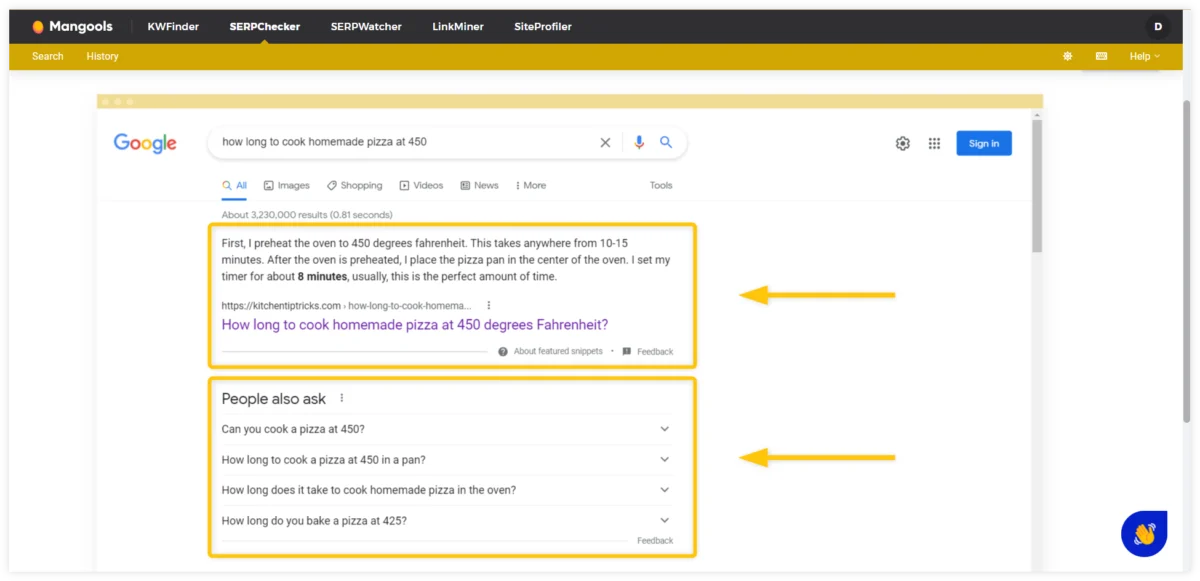
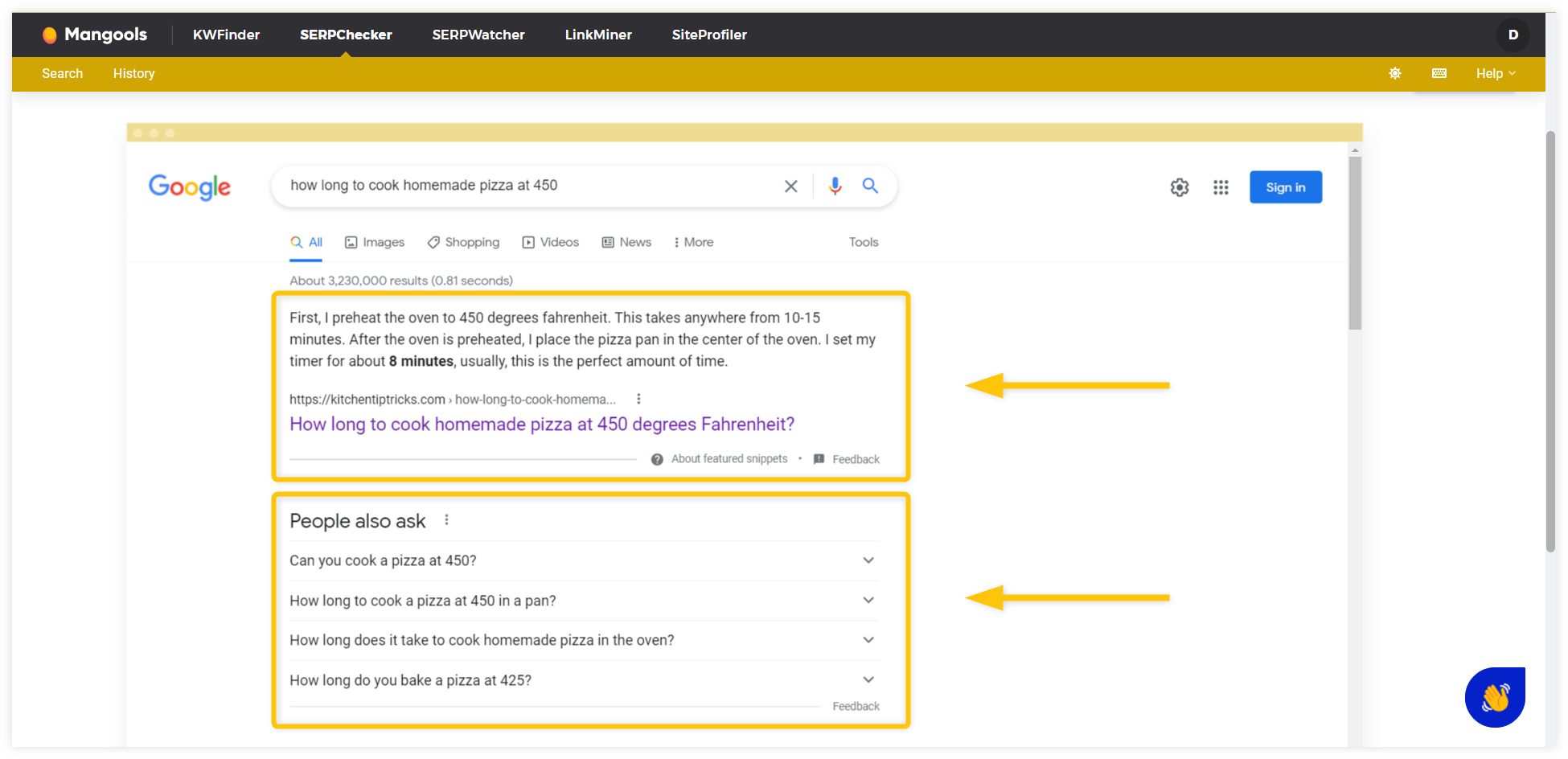
This process involves looking beyond the blue links. It requires an audit of the entire search experience—including featured snippets, knowledge panels, "People Also Ask" (PAA) boxes, and local map packs—to determine the optimal format for your content.
The Strategic Importance of SERP Analysis
Modern SEO is a game of alignment. If your content does not match the user’s expectation or the search engine’s interpretation of a query, your rankings will inevitably suffer. SERP analysis serves as the diagnostic tool to ensure that your SEO efforts are not wasted on misaligned targets.
1. Verification of Keyword Relevancy
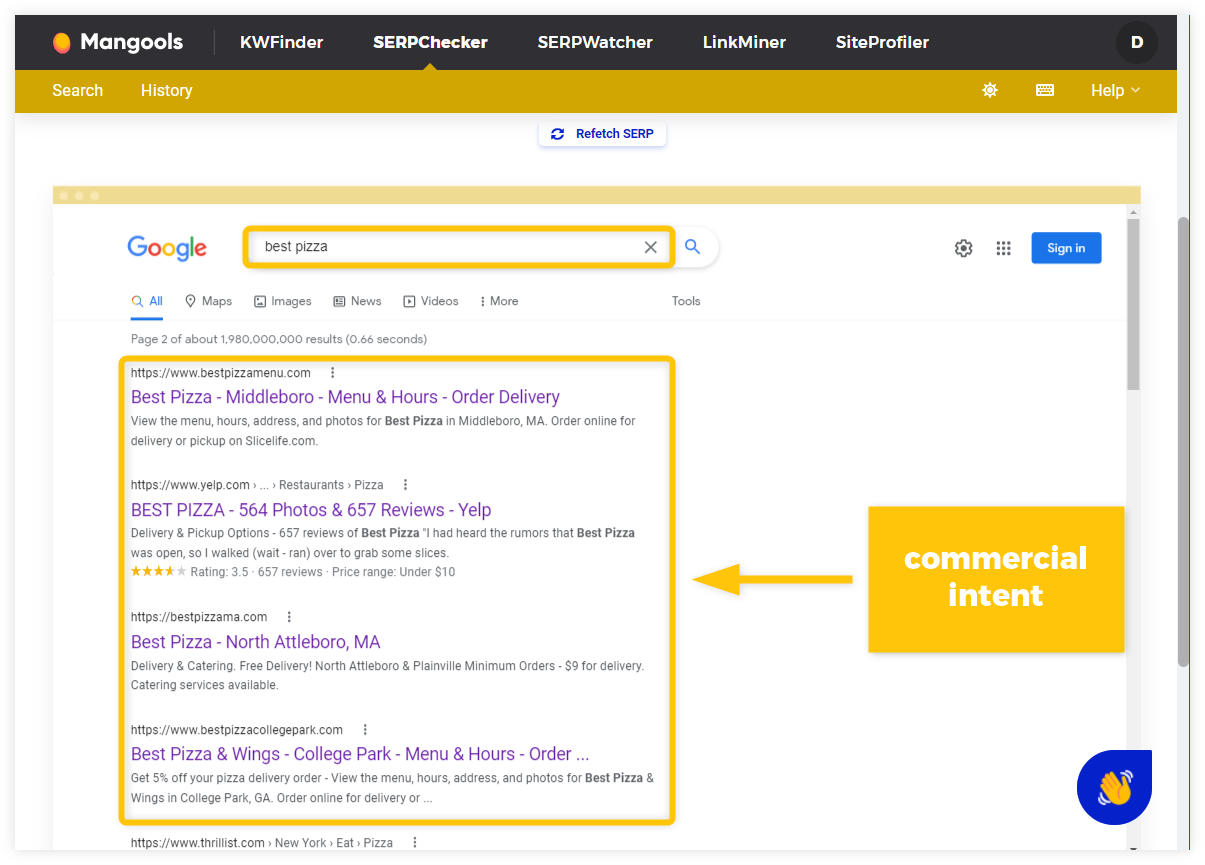
A keyword may appear high-volume and enticing, but if it lacks semantic alignment with your business goals, it is a vanity metric. SERP analysis reveals the "search intent" behind a query. If you are an informational blog, targeting a keyword dominated by transactional e-commerce stores is a recipe for failure. Analyzing the SERP early prevents "intent mismatch," saving time and resources.
2. Evaluating Ranking Difficulty
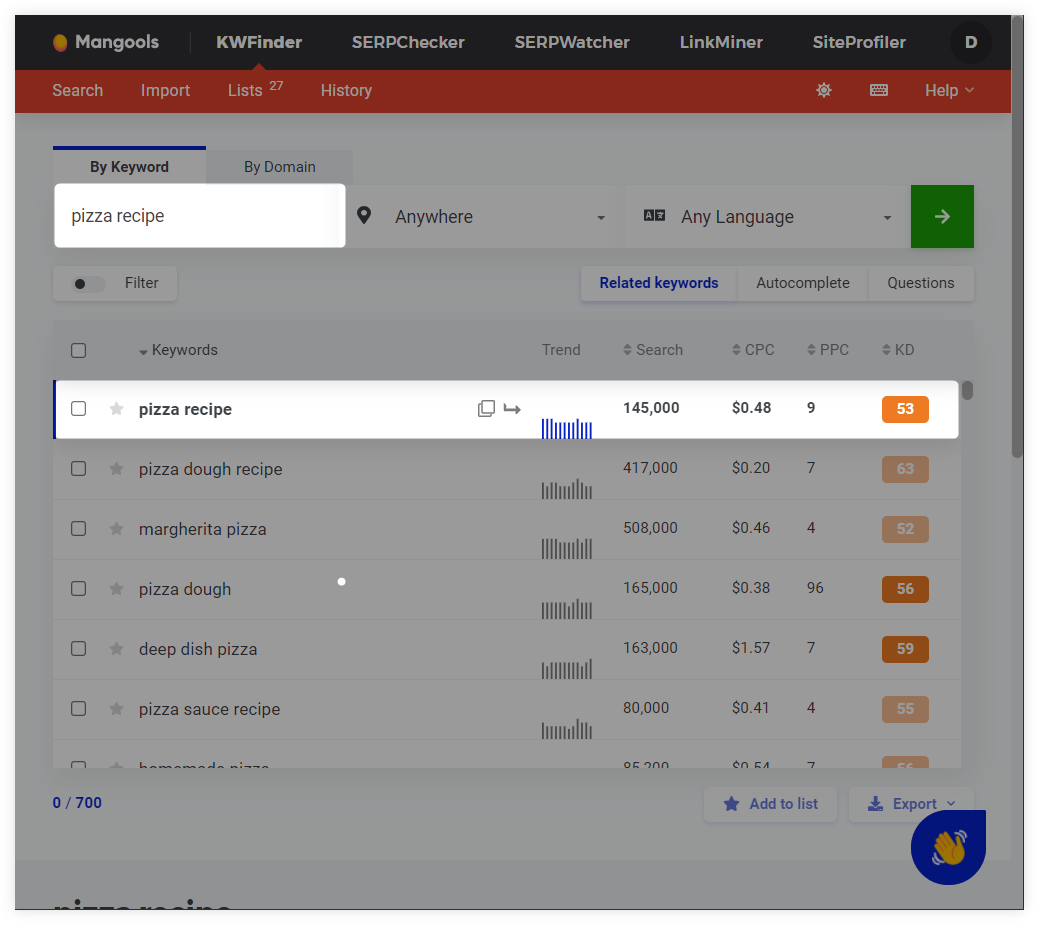
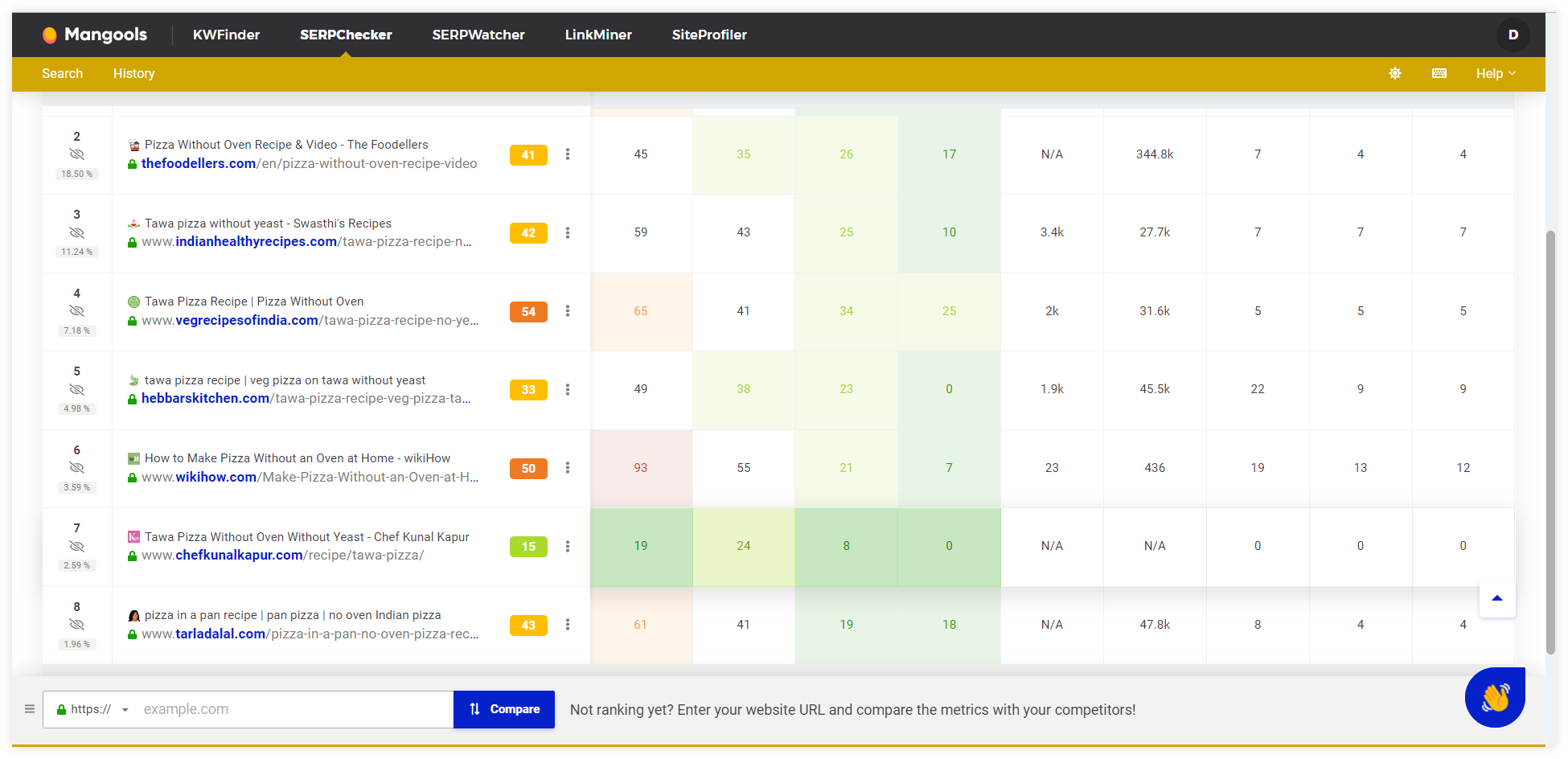
Ranking for a competitive term requires more than just high-quality writing; it requires the "authority" to compete with established giants. By using tools like KWFinder and SERPChecker, practitioners can evaluate competitor metrics, such as Domain Authority (DA), Page Authority (PA), and link profile strength. This data provides a realistic snapshot of the "barrier to entry" for a specific keyword.
3. Uncovering Tactical Opportunities
The SERP is dynamic. It is populated with various features that offer "quick wins." Identifying a "People Also Ask" box, for instance, allows you to structure your content to answer those specific questions, thereby increasing your chances of appearing in the coveted "position zero" or featured snippet area.
A Chronological Approach to SERP Analysis
To conduct a professional-grade SERP analysis, follow this systematic workflow.
Phase 1: Keyword Research and Intent Identification
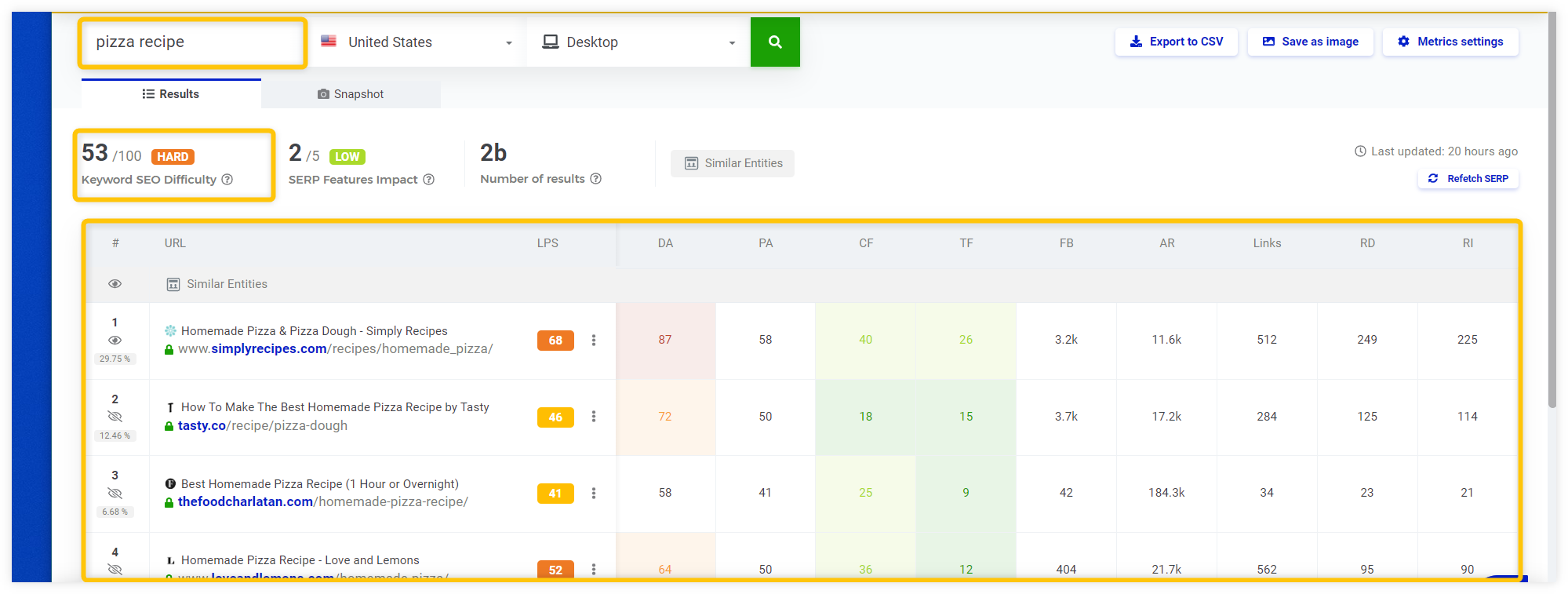
Before opening the search engine, you must establish a baseline. Use keyword research tools to identify high-volume, relevant terms. Once you have a list, categorize them by search intent:
- Informational: The user is seeking knowledge (e.g., "how to bake a cake").
- Navigational: The user is looking for a specific website (e.g., "YouTube login").
- Commercial: The user is researching before a purchase (e.g., "best budget laptops").
- Transactional: The user is ready to buy (e.g., "buy iPhone 15 online").
Phase 2: Decoding the Search Results
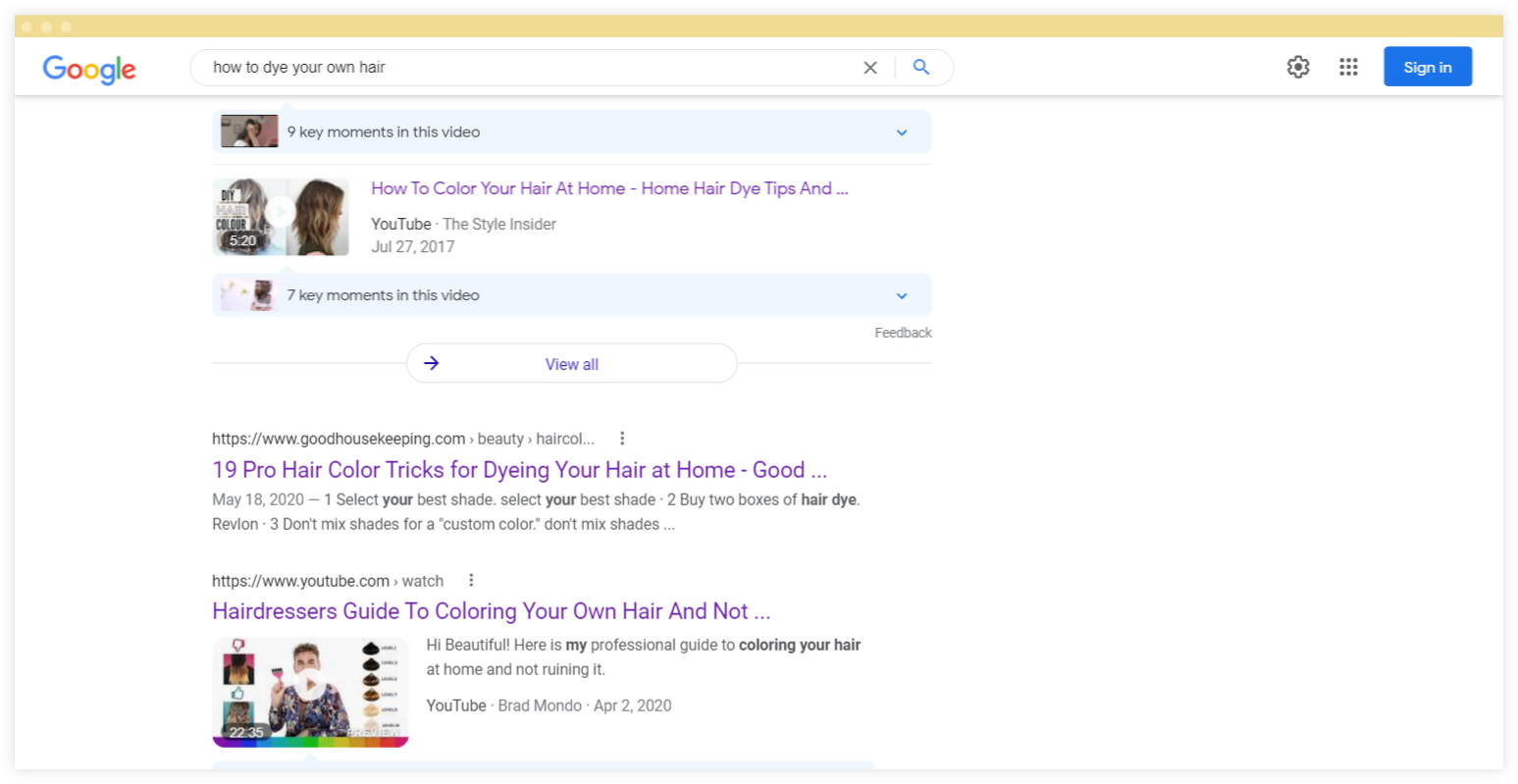
Once your keywords are set, observe the SERP. If you search for "best pizza," you will likely see local restaurant listings. If you try to rank an informational blog post about the history of pizza here, you will fail because the intent is local-commercial. Conversely, a query like "pizza dough recipe" will return recipe cards and video tutorials. This tells you exactly what format—text, video, or step-by-step—you need to produce.
Phase 3: Competitive Analysis
Examine the top 10 results. Look for the following:
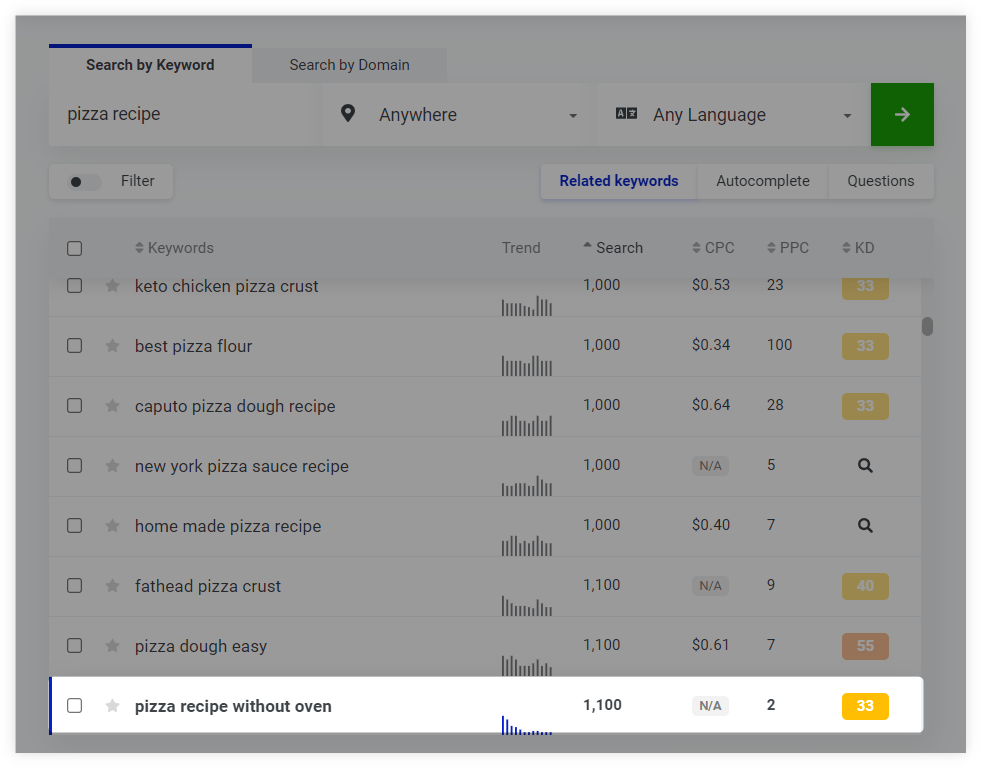
- Link Profile Strength: How many quality backlinks do the top pages have?
- Content Depth: Are the competitors offering 500-word fluff or 3,000-word comprehensive guides?
- Technical Optimization: Are their Title Tags and Meta Descriptions optimized?
If you find that the top-ranking pages have low DA and weak link profiles, you have found a "weakness" you can exploit by creating superior, more authoritative content.
Phase 4: Monitoring and Iteration
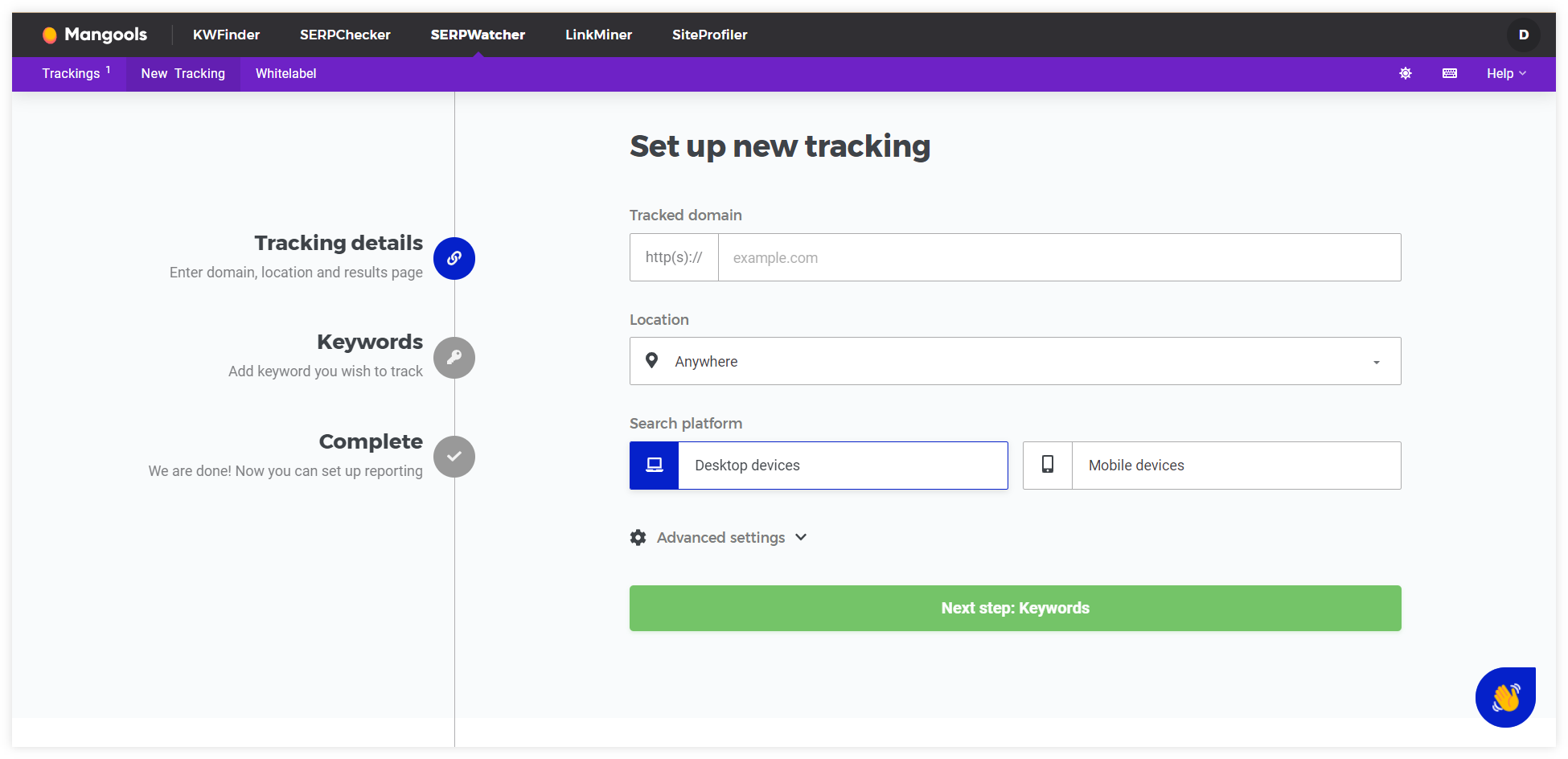
SEO is not "set and forget." Use tools like SERPWatcher to track your rankings. If your position drops, check if the SERP features have changed. Did Google introduce a new video carousel? Did a competitor update their content? Regular monitoring allows for agile adjustments.
Supporting Data and Technical Nuances
Data-driven decisions are the hallmark of successful SEO campaigns. For instance, in 2024, click-through rate (CTR) optimization has become a critical sub-field of SERP analysis.
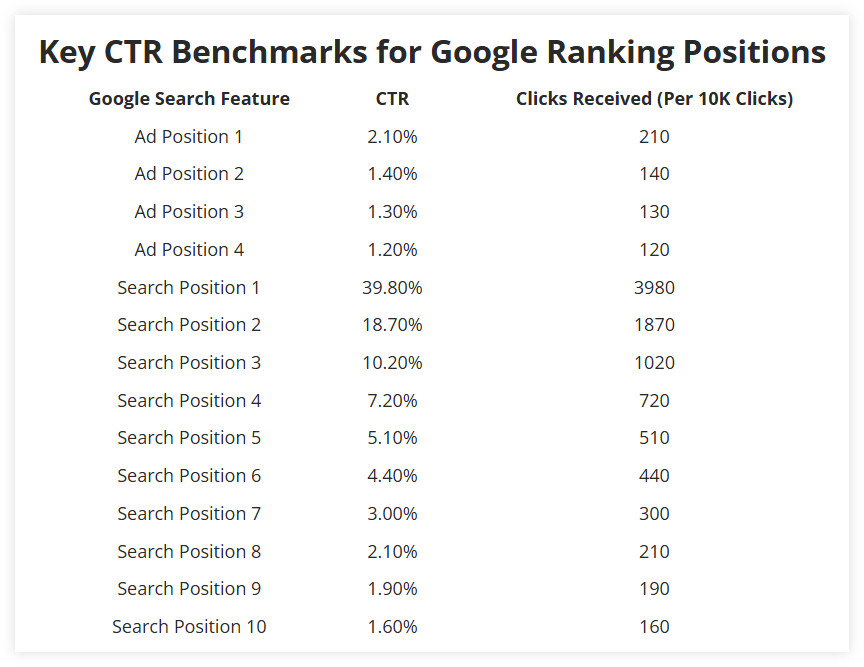
Industry benchmarks show that the #1 position on Google typically commands an average CTR significantly higher than positions #2 or #3. However, even if you are in the top 3, a poor Title Tag can result in a lower-than-average CTR. By analyzing your Search Console data, you can identify pages that are "underperforming" for their rank.
The ChatGPT Optimization Loop:
- Extract: Export data from Google Search Console for pages with high impressions but low CTR.
- Analyze: Feed the current title and the query into an AI tool like ChatGPT.
- Refine: Ask the AI to generate variations that include emotional triggers, power words, or clear value propositions.
- Implement: Update the title and monitor for 14–21 days.
Addressing SERP Weaknesses
The most effective way to gain ground is to identify where the current top-ranking pages are failing.
The Title Mismatch
Frequently, a page will rank because of its domain authority, but its title tag is vague or misaligned with the H1 header. If you see a competitor with a title that doesn’t explicitly answer the user’s intent, that is your opening. Craft a title that is more precise, more engaging, and perfectly aligned with the search query.
The Content Gap
Analyze the "Related Searches" and "People Also Ask" sections. If you find questions that are not being answered by the current top 10 results, create a dedicated section in your article that addresses these specific queries. This strategy often results in your site capturing "featured snippet" real estate.
Structured Data (Schema)
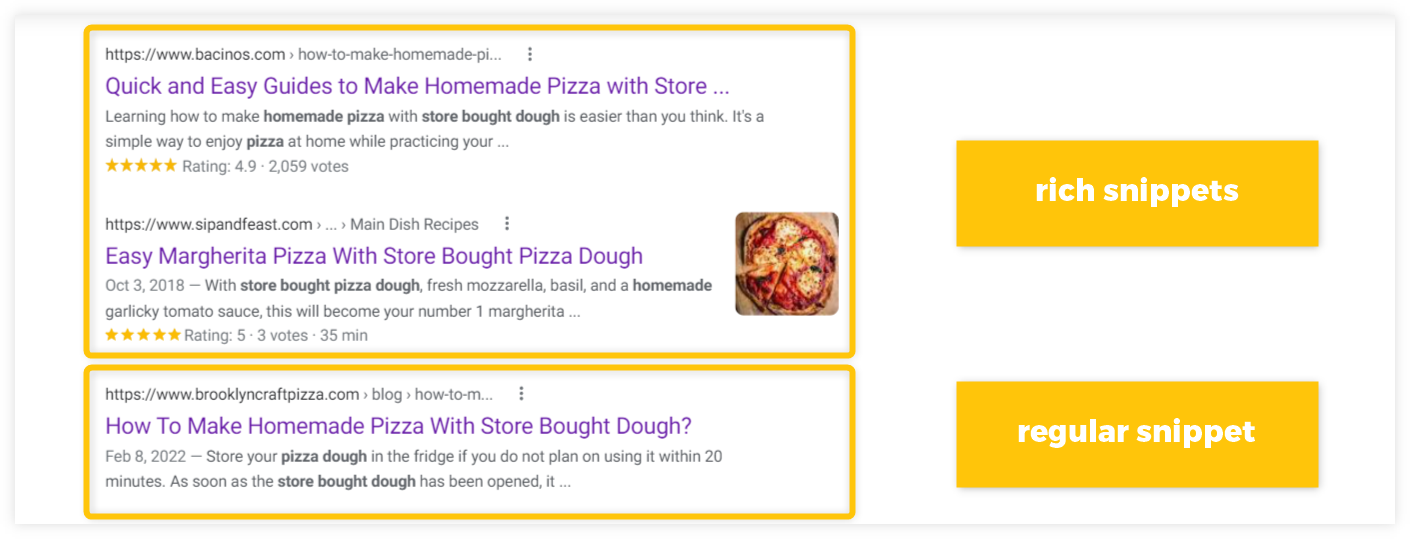
Many websites neglect schema markup. By implementing Article, Recipe, or FAQ schema, you can influence how your link appears in the SERP, potentially gaining "rich snippets" (star ratings, cooking times, or FAQs). These visual enhancements often lead to higher click-through rates, even if your ranking position remains the same.
Implications for Future Strategy
The future of SEO lies in the intersection of artificial intelligence and human intent. As Google’s Search Generative Experience (SGE) continues to evolve, the traditional "ten blue links" model is fading.
For the modern strategist, the implications are clear:
- Stop chasing keywords; start chasing intent. Your goal is to be the best answer, not just the loudest one.
- Prioritize "Zero-Click" optimization. Accept that some users will get their answer directly from the SERP. By providing concise, structured information, you become the trusted authority that Google features, which builds brand recognition even when a user doesn’t click through to your site.
- Maintain technical agility. Use tools to monitor fluctuations in global SERP volatility. Understanding whether a rank drop is a site-specific issue or a broad algorithm update will prevent panic and ensure you make data-backed decisions.
In conclusion, SERP analysis is the compass that guides your SEO strategy through the noise of the internet. By meticulously observing the search landscape, understanding the mechanics of competition, and continuously refining your content to meet the evolving needs of users, you can ensure your website not only survives but thrives in the competitive digital arena.