







In the contemporary digital landscape, the phrase "near me" has become one of the most powerful triggers in consumer behavior. With approximately 69% of all Google searches now driven by a quest for local information, the battle for the top spot in search engine results pages (SERPs) is no longer just a global contest; it is a hyper-local fight for relevance. For small businesses, brick-and-mortar shops, and service providers, local search engine optimization (SEO) has evolved from a supplementary marketing tactic into the cornerstone of sustainable growth.
Understanding the Local SEO Landscape
At its core, local SEO is the strategic practice of refining a business’s digital footprint to increase visibility within specific geographic boundaries. Unlike traditional SEO, which focuses on broad, national, or global search volume, local SEO is laser-focused on proximity and intent. When a user searches for a "dentist in [Town Name]" or "best restaurant nearby," they are usually at the bottom of the marketing funnel—ready to visit, call, or purchase.
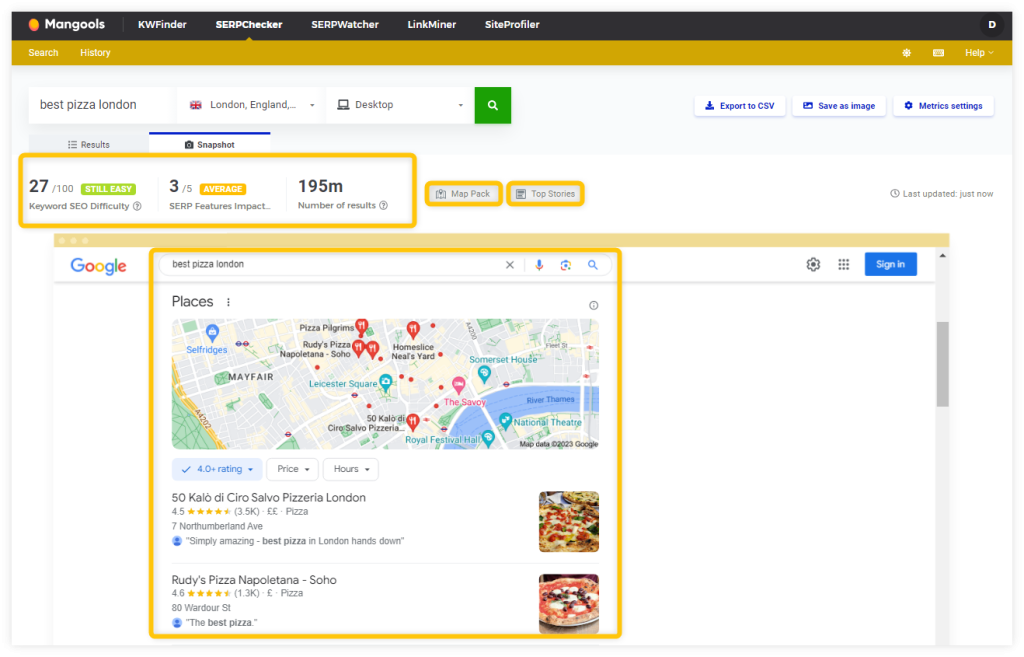
The primary objective of local SEO is to secure a coveted position in the "Local Pack"—the block of three business listings that appears at the top of Google’s search results, accompanied by a map. Appearing in this trio significantly increases click-through rates (CTR) and establishes instant authority in the local market.
Why Local SEO is the Lifeblood of Modern Small Business
The implications of failing to invest in local SEO are stark. In an era where consumers rarely look past the first page of search results, a business that is not optimized for local discovery is effectively invisible.

1. The Power of Increased Visibility and Rankings
Modern search engines, led by Google, prioritize user intent. If your digital presence is optimized with location-specific keywords, you are not just reaching a broad audience; you are reaching the right audience. A robust local strategy ensures your business is indexed correctly, allowing you to dominate the SERPs when potential customers are actively seeking your services.
2. Driving High-Intent Organic Traffic
Local SEO acts as a filter. By signaling to search engines that you serve a specific region, you naturally filter out global traffic that will never convert, replacing it with local visitors who are highly likely to become paying customers. This efficiency leads to a higher conversion rate, as you are capturing users precisely when they are in "buying mode."

3. Enhancing User Experience (UX)
Contrary to popular belief, SEO is not just for algorithms; it is for people. When you provide accurate business hours, location details, and contact information across your website and directories, you are reducing friction for the customer. A well-optimized site is easier to navigate, faster to load, and provides the immediate answers a local searcher requires.
How the Algorithm Works: The Three Pillars of Local Ranking
Google does not treat all websites equally. For local listings, its algorithm relies on a sophisticated triad of signals to determine which businesses deserve the top spots:

- Relevance: This measures how well your business profile matches what the user is searching for. If a user looks for a bakery, your business profile must explicitly state that you sell baked goods.
- Distance: This is the most straightforward factor. How far is your business from the location mentioned in the user’s query or their current physical location?
- Prominence: This refers to how well-known your business is. It is influenced by the quantity and quality of reviews, the strength of your backlink profile, and your standing in local directories.
These core signals are augmented by secondary factors, such as the use of local schema markup and the consistency of your business information across the web.
A Strategic Roadmap: Implementing Local SEO
Optimizing a business for local search is a methodical process. It requires consistency, technical precision, and ongoing maintenance.
Phase 1: Local Keyword Research
Effective SEO begins with understanding your audience’s language. Local keywords fall into two categories:
- Implicit: Searches like "best plumber" (Google infers the location from the user’s IP).
- Explicit: Searches like "best plumber in Austin, Texas."
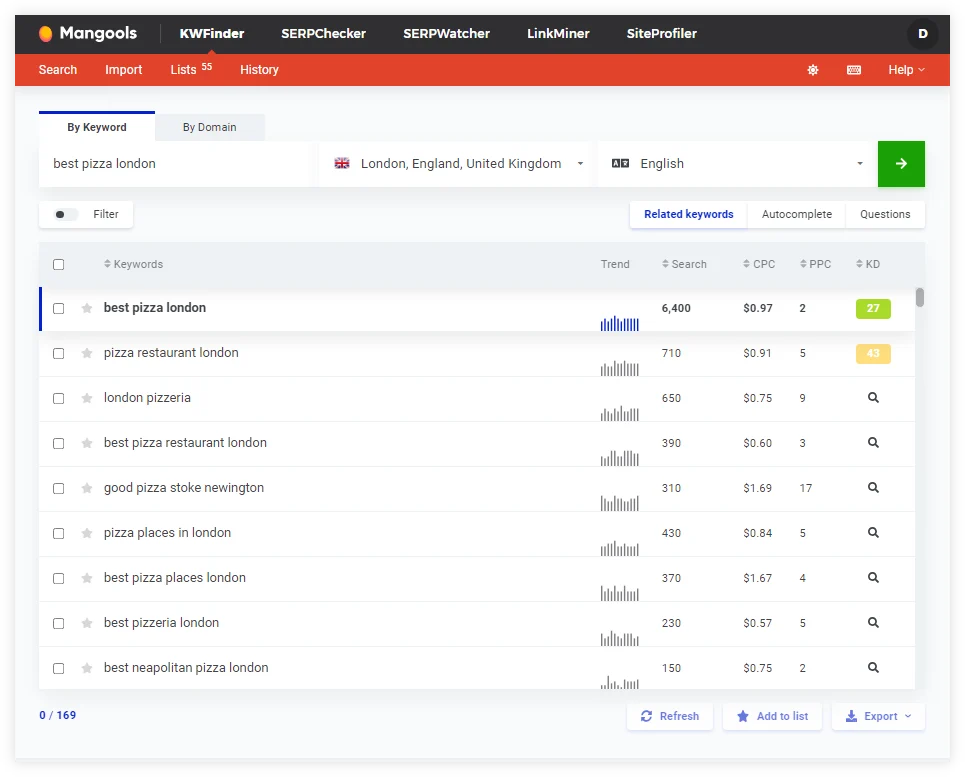
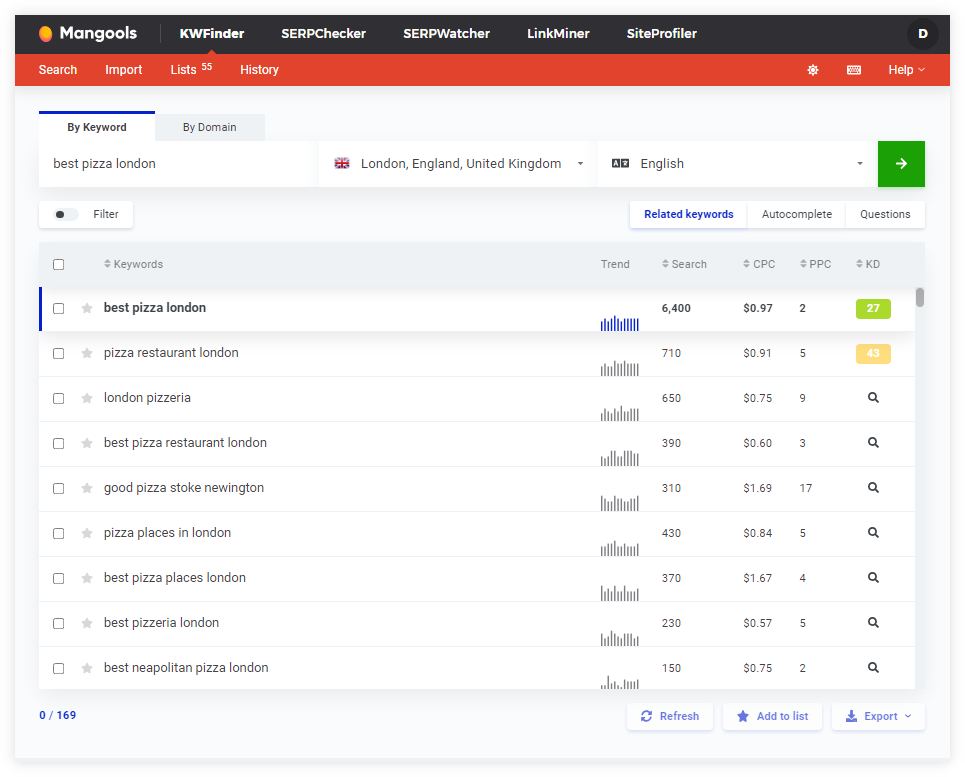
To capture these, leverage tools like KWFinder to identify high-volume, low-difficulty local terms. Once identified, integrate these keywords naturally into your title tags, meta descriptions, and website body content.
Phase 2: Mastering the Google Business Profile (GBP)
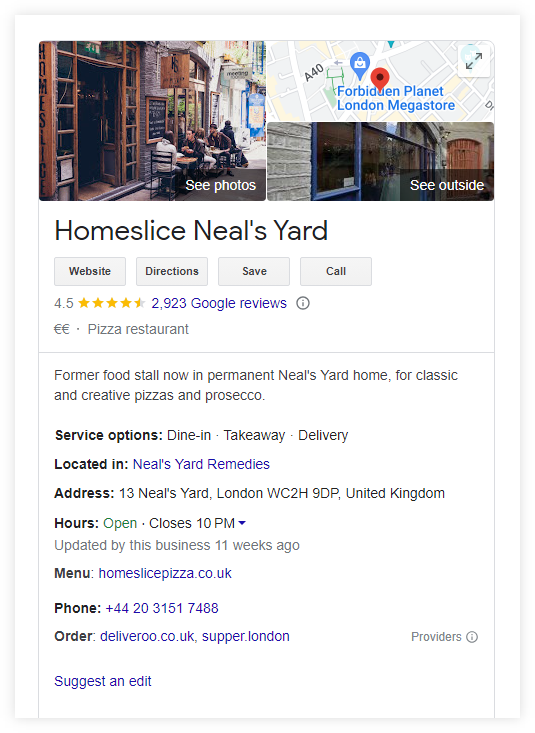
Your Google Business Profile is your digital storefront. To maximize its impact:
- Claim and Verify: Ensure you have total control over your listing.
- Complete Information: Add your address, phone number, website URL, and operating hours.
- Visual Engagement: Upload high-quality photos of your storefront, staff, and products.
- Regular Updates: Use the "Updates" feature to post about events, sales, or menu changes.
Phase 3: The Importance of NAP Consistency
"NAP" stands for Name, Address, and Phone number. Search engines cross-reference your business information across various directories like Yelp, Yellow Pages, and industry-specific aggregators. If your address is listed differently on three separate sites, you confuse the algorithm and lose trust. Consistency is a prerequisite for high rankings.

Phase 4: Cultivating Social Proof through Reviews
Customer reviews are the modern equivalent of word-of-mouth marketing. They are a critical ranking signal. A proactive strategy involves:
- Encouraging Feedback: Send follow-up emails to happy customers after a transaction.
- Responding to All Reviews: Acknowledge both positive and negative feedback professionally. This demonstrates that you value customer input and are an active, trustworthy business.
Phase 5: Local Link Building
While content is king, links are the crown. Local link building differs from general SEO link building in that it focuses on community relevance.
- Local Partnerships: Collaborate with nearby non-competing businesses for cross-promotion.
- Community Sponsorships: Sponsoring local charities or events often results in a high-authority backlink from a local news site or community portal.
- Competitor Analysis: Use tools like LinkMiner to see where your local competitors are getting their backlinks and seek similar opportunities.
Measuring Success: The Metrics That Matter
SEO is not a "set it and forget it" endeavor. You must monitor your performance to refine your strategy.
- Google Search Console: This is your primary dashboard for understanding how Google views your site. Use it to identify indexing issues and see which queries are driving impressions.
- Google Analytics: Track how many visitors come from organic search and monitor their behavior once they land on your site. Are they calling your business? Are they filling out contact forms?
- Rank Tracking: Tools like SERPWatcher allow you to track your position for specific local keywords over time. If your rankings dip, it is a signal that you need to refresh your content or re-evaluate your local citations.
Implications for the Future of Small Business
The digital landscape is becoming increasingly localized. As voice search (Siri, Alexa, Google Assistant) continues to rise, the importance of being the "closest and most relevant" answer will only grow. Small businesses that embrace these local SEO strategies will find themselves with a distinct competitive advantage, effectively insulating themselves against larger, national competitors who lack the local "boots on the ground" relevance.

Frequently Asked Questions
Q: Can I do SEO myself, or do I need an agency?
A: You can absolutely manage local SEO yourself, especially with the abundance of free tools like Google Business Profile and Google Search Console. However, if your time is better spent running your business, outsourcing to an expert can accelerate your results.
Q: How long does it take to see results?
A: Local SEO is a long-term investment. While some technical fixes can yield immediate results, building authority and climbing the rankings typically takes 3 to 6 months of consistent effort.
Q: Is mobile optimization still relevant?
A: It is critical. The vast majority of local searches are performed on mobile devices while users are on the go. If your site is not mobile-responsive, you are losing potential customers the moment they click your link.
In conclusion, local SEO is the bridge between a business’s online presence and its physical success. By meticulously applying these principles—from keyword research and NAP consistency to active review management—businesses can ensure they remain at the forefront of their community’s digital consciousness.