








By the Editorial Team
Published: Industry Insights & Analysis
Main Facts
The search engine optimization (SEO) industry is facing a profound structural crisis. Across the globe, marketing agencies, internal corporate teams, and enterprise brands are grappling with sudden, simultaneous failures in third-party rank-tracking and SEO data instruments. These outages are not mere software glitches; they are the direct casualty of an escalating technological war waged by Google.
In an effort to protect its ecosystem from competitors in the artificial intelligence marketplace, Google has aggressively altered its HTML structures and deployment methods. The goal is clear: prevent third-party platforms from scraping Search Engine Results Pages (SERPs) to feed external AI models or power traditional rank-tracking dashboards.
This disruption has severed the core data supply chain relied upon by tens of thousands of professionals. Compounding the issue, foundational diagnostic tools—such as Google Search Console (GSC)—are experiencing unprecedented processing delays, leaving a massive void in information just as the industry attempts to adapt to algorithmic updates. As traditional keyword tracking collapses under the weight of anti-scraping measures, AI-driven experiences, and multi-surface search environments, the search marketing industry is forced to confront an uncomfortable question: Is traditional rank tracking officially dead?
Chronology of a Data Blackout
To understand how the SEO industry reached this critical juncture, it is necessary to examine the timeline of events leading up to the current data drought.
- Late Summer 2026: Google rolls out successive core and spam updates, concluding with the official completion of the September spam update. SEO professionals traditionally rely on post-update stability to measure algorithm impacts and client performance. However, standard post-update reporting was immediately stifled by fluctuating data feeds.
- October 2026: A wave of unexpected outages hits the software-as-a-service (SaaS) SEO market. Major third-party analytics instruments report widespread blackouts, missing data points, and distorted ranking metrics. Industry analysts reveal that these outages are structurally engineered: Google is actively "poisoning" search results and altering underlying code to block automated scraping.
- Mid-October 2026: Google Search Console performance reports begin experiencing severe, recurring processing delays. Forums, social media threads on X (formerly Twitter), and specialized WhatsApp groups light up with reports of total visibility blackouts.
- Present Day: Agencies find themselves unable to establish reliable attribution values or report standard metrics to stakeholders. The reliance on automated, position-based reporting has officially hit a brick wall, prompting urgent calls for an entirely new framework of measurement.
Supporting Data and Technical Realities
The erosion of rank tracking is not happening in a vacuum. It is the natural consequence of a search engine results page (SERP) that no longer resembles the traditional "ten blue links."
The Breakdown of the Data Supply Chain
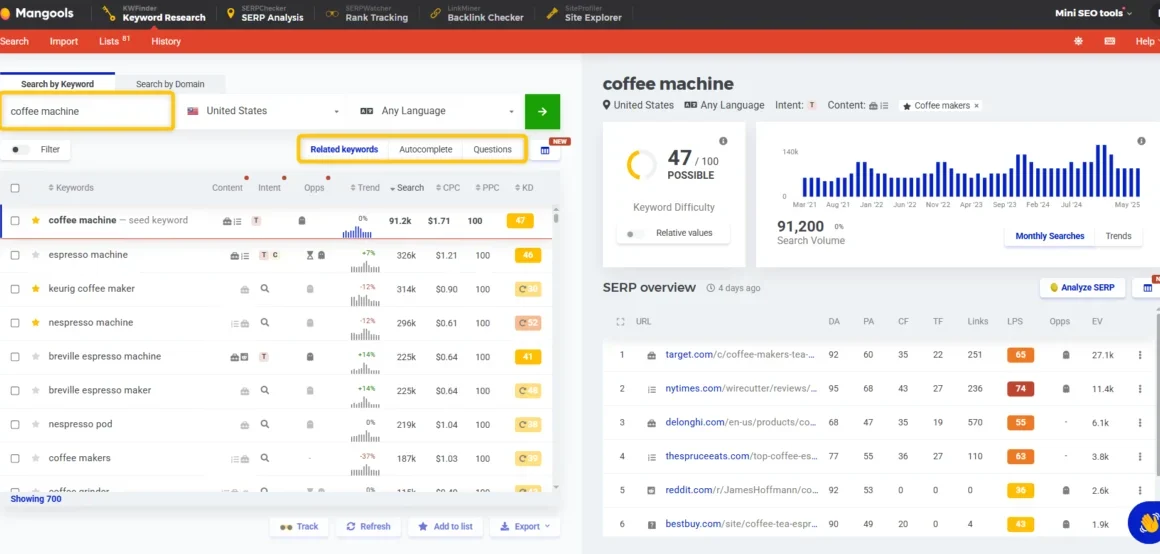
Traditional rank trackers operate by mimicking user queries at scale—sending automated bots to query search bars, parse the resulting HTML, and record the exact position of a target URL. By continuously tweaking HTML classes, introducing dynamic rendering, and blocking known data-center IP addresses, Google has made this process economically and technically unsustainable for many tool providers.
When third-party tools fail, the ripple effect reaches the boardroom. For over a decade, client reporting has been anchored to standardized metrics: average position, keyword movement, and estimated traffic value based on rank. When these metrics disappear or turn erratic, client trust is threatened, exposing the fragility of single-metric reporting frameworks.
The Mechanics of Modern Search: Query Fanout and Grounding
Beyond anti-scraping barriers, the very nature of search has evolved beyond the traditional query-and-response model. Modern search engines rely on complex backend mechanisms, including:
- Query Fanout: The process by which an AI-driven search engine breaks a single user prompt down into dozens of hidden sub-queries executed simultaneously behind the scenes.
- Grounding: A mechanism where AI models verify facts against trusted indexes before generating a synthesized answer.
Because these processes do not deliver individual, human-navigated search pages for every micro-query, they bypass traditional logging mechanisms. A human user might find a brand prominently featured inside an AI-generated summary, yet a traditional rank-tracking tool—looking for a static position on a classic results page—might report a catastrophic drop in visibility. The data no longer mirrors reality.
Official Responses and Industry Reactions
The professional SEO community has responded to these disruptions with a mix of alarm and radical pragmatism. Leading voices across digital marketing have taken to digital forums and professional networks to voice their concerns.
Prominent enterprise SEO experts have noted that the sheer volume of cross-tool discrepancies has reached an all-time high. In discussions across professional channels, practitioners emphasize that quoting traditional ranking numbers to clients is becoming an exercise in futility. As one analyst noted, "Everyone is quoting the same number and getting different answers."
While Google has not explicitly detailed its anti-scraping updates as a targeted strike against rank trackers, official documentation and ongoing updates to Google Search Console terms of service underscore the tech giant’s tightening grip on its proprietary data. Google’s overarching strategy prioritizes direct user engagement within its ecosystem—such as Search Generative Experience (SGE) and AI Overviews—while starving external commercial entities of free, easily accessible scraping vectors.
Search engine representatives continue to steer developers toward official APIs and aggregated reporting interfaces (like GSC), yet these official channels are frequently backlogged, slow to update, and deliberately stripped of the granular, real-time keyword position data that agencies have historically monetized.
Implications: The Future of Search Post-Ranking
The obsolescence of the traditional ranking position forces a fundamental restructuring of how businesses measure digital success. The industry must abandon vanity metrics and transition toward holistic visibility and user-centric KPIs.
1. Redefining Success: Serving and Citing
To survive in a post-ranking era, modern search professionals must pivot their strategy toward two primary metrics: Serving and Citing.
- Serving (Comprehensive Visibility): This metric measures the frequency and breadth of a brand’s presence across all possible search surfaces—encompassing traditional organic links, local packs, video carousels, and AI-driven panels. Rather than asking, "What is our rank for keyword X?" marketers must ask, "How often do we appear across the entire matrix of user touchpoints for topic Y?"
- Citing (AI Attribution and Authority): In an AI-dominated ecosystem, success is heavily dictated by whether an LLM (Large Language Model) explicitly cites your brand or URLs as a source within its synthesized answers. Direct citations build immense user trust and establish undeniable topical authority. A brand that is frequently cited by AI models captures high-intent traffic long before a traditional click occurs.
2. Safeguarding the Boardroom Conversation
Relying solely on keyword ranking reports leaves marketing teams vulnerable to data blackouts. However, teams that tie their SEO efforts directly to Customer Relationship Management (CRM) pipelines and verifiable business revenue remain unfazed by tool outages.
When a broken rank tracker causes zero panic in the boardroom because the sales pipeline is consistently growing, the SEO team has successfully transitioned from tactical operators to indispensable business partners.
Conclusion
The era of easy, automated, position-number SEO reporting is drawing to a close. As Google fortifies its platforms against scrapers and artificial intelligence redefines how humans discover information, the definition of visibility must expand. Technical teams that build resilient, multi-surface reporting frameworks—focusing on brand footprint, AI citations, and real business revenue—will not only survive the current data blackouts but will dominate the next generation of search marketing.