





BEIJING — In a move that is poised to redefine consumer expectations regarding mobile endurance, smartphone giant vivo has officially launched its latest mid-range contender, the vivo Y600. Available for pre-order in China following weeks of heavy industry speculation and company teasers, the device’s standout feature is an unprecedented 10,000mAh battery.
Far from a mere specification on a data sheet, this massive power cell has already earned official validation from the Guinness World Records for exceptional battery longevity. Combining high-capacity power storage with surprisingly robust hardware specifications, modern connectivity features, and aggressive pricing, the vivo Y600 aims to bridge the gap between heavy-duty power banks and sleek, daily-driver smartphones. Open sales for the device are scheduled to commence officially on October 30 across official online and offline channels in China.
Main Facts: Unpacking the vivo Y600
The headline-grabbing feature of the vivo Y600 is, without question, its power subsystem. Housing a staggering 10,000mAh battery within a chassis that manages to remain remarkably ergonomic, the phone shifts the paradigm of what users can expect from a single charge. Despite the physical constraints typically associated with batteries of this magnitude, vivo engineers have integrated 44W wired fast-charging technology alongside reverse wired charging capabilities, allowing the Y600 to double as a power bank for other mobile accessories, headphones, or even a friend’s phone in an emergency.
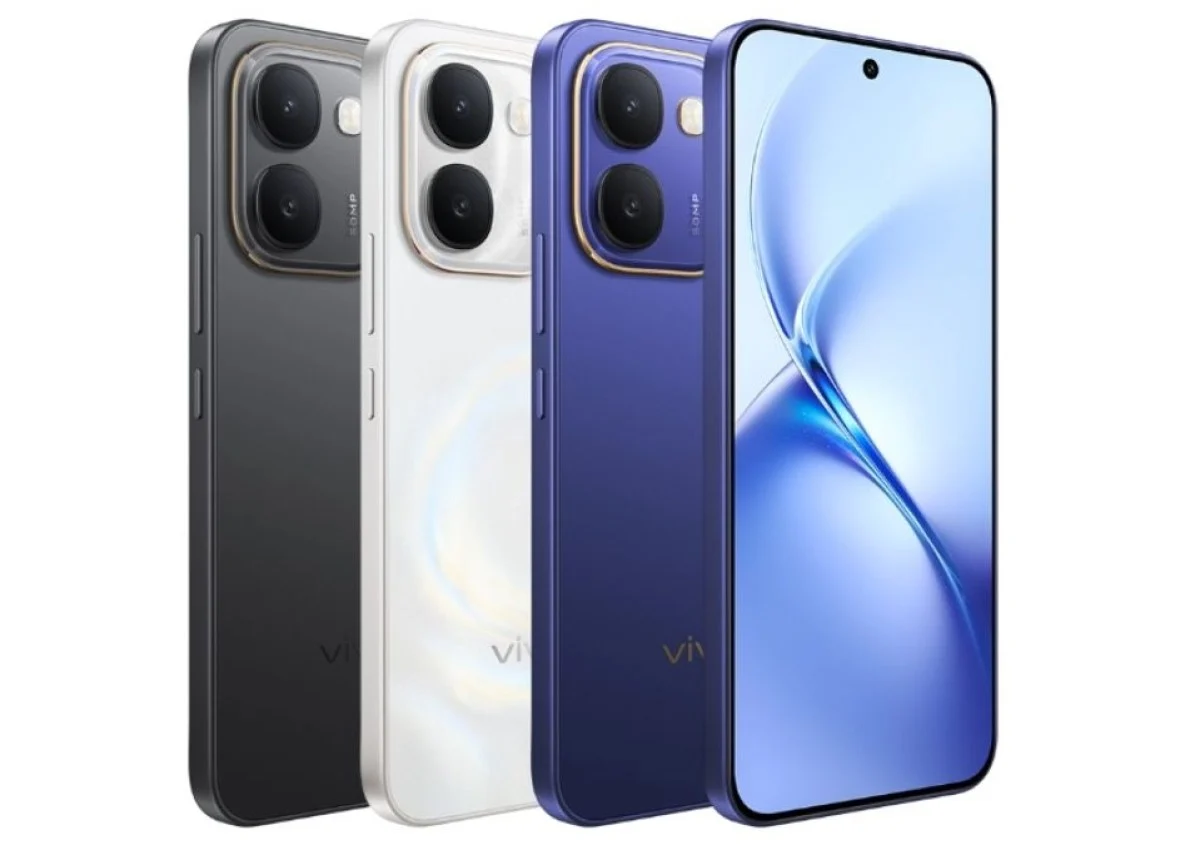
Moving past its power credentials, the vivo Y600 is built around a vibrant 6.83-inch AMOLED display. The screen supports a fluid 120Hz refresh rate, ensuring that scrolling, UI navigation, and compatible gaming titles remain silky smooth. Under the hood, the device is powered by the MediaTek Dimensity 7300e chipset, striking a balance between energy efficiency and reliable mid-range processing capability.
Imaging duties are handled by a 50-megapixel primary rear sensor designed to capture crisp, detailed photographs in a variety of lighting conditions, paired with an 8-megapixel front-facing camera dedicated to selfies and video calls. Security and modern utilities are well-represented: the phone includes a modern under-display fingerprint scanner, near-field communication (NFC) support for contactless transactions and transit cards, and an IP68 rating, ensuring high-level resistance against dust ingress and accidental water submersion.
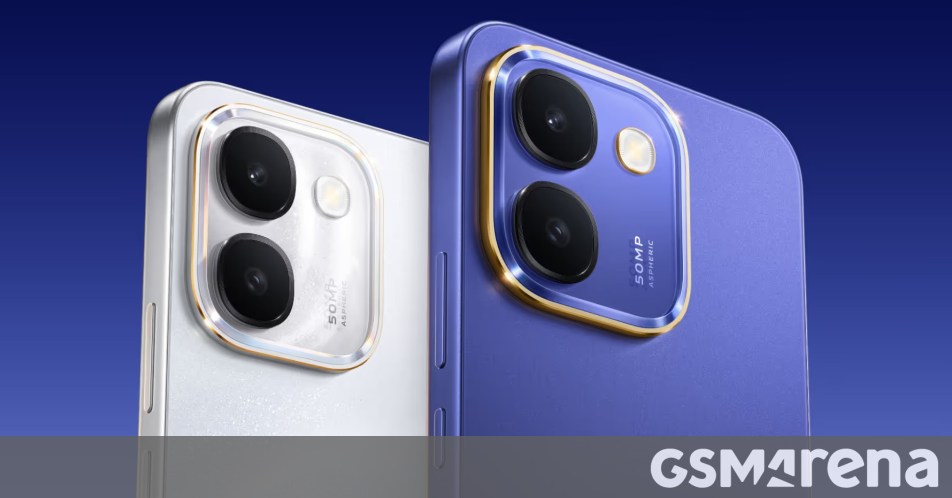
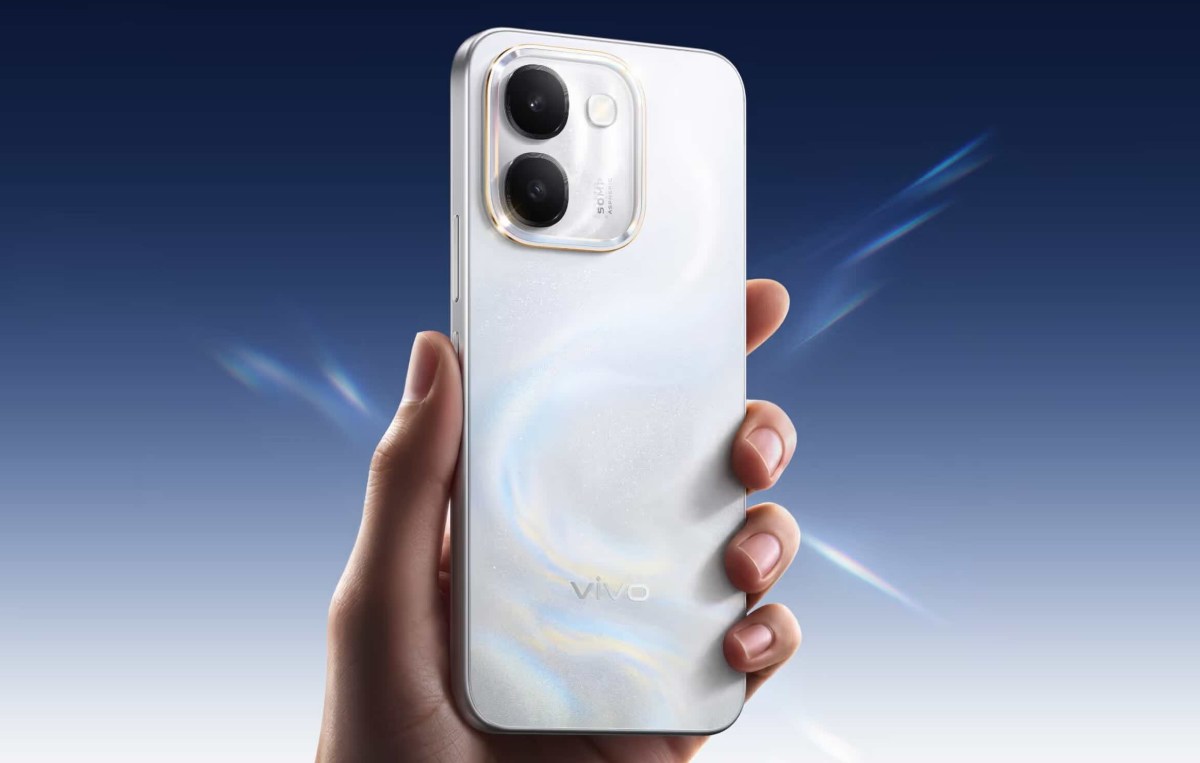
Aesthetically, the device is available in three distinct, sophisticated colorways: Diamond Gold, Obsidian Black, and Sapphire Blue. Market analysts have also noted that the physical design and hardware configuration closely mirror those of the globally available vivo S2 FE and V80 Lite, indicating that the Y600 is essentially a localized, battery-focused adaptation tailored specifically for the Chinese domestic market.
Chronology: The Journey to the Launch
The path to the commercial release of the vivo Y600 has been marked by strategic leaks, official teasers, and a meticulously managed rollout schedule by vivo’s marketing and product development teams.
Early October 2026: The Teaser Campaign Begins
Rumors regarding an upcoming "monster battery" smartphone from vivo began circulating in early October. Tech insiders and leakers suggested that vivo was working on a device breaking the psychological 8,000mAh barrier traditionally reserved for rugged, niche industrial phones, bringing massive capacity to a mainstream form factor.
Mid-October 2026: Guinness World Record Confirmation
Mid-month, vivo officially confirmed the existence of the device alongside a milestone achievement: the phone’s power system had been subjected to rigorous testing by Guinness World Records adjudicators. The announcement generated substantial industry buzz, shifting public perception from skepticism to eager anticipation.
Late October 2026: Official Reveal and Pre-Orders
On the heels of the performance validation, vivo officially lifted the veil on the Y600 in China. The company detailed the complete specification sheet, pricing tiers, and color variants. Pre-orders went live immediately following the announcement, drawing heavy initial demand from consumers weary of daily mid-day battery anxiety.
October 30, 2026: Open Sales Commencement
The final phase of the initial launch sequence is set for October 30, at which point retail units will hit physical shelves and online storefronts, giving everyday consumers their first hands-on experience with the record-breaking hardware.
Supporting Data: Pricing, Configurations, and Endurance Metrics
To understand the market positioning of the vivo Y600, one must analyze the intersection of its official Guinness endurance data, hardware performance metrics, and tiered pricing structure.
The Guinness Endurance Test Results
During the official Guinness World Records evaluation, the vivo Y600 underwent a punishing continuous livestream test to measure endurance under heavy, sustained load conditions. The device managed to stream live video continuously for 32 hours and 37 minutes before finally exhausting its 10,000mAh power supply. For the average user, this translates to multiple days of typical mixed usage—comprising messaging, web browsing, social media consumption, and moderate media streaming—without ever needing to reach for a charger.
Memory and Storage Variants & Pricing
Vivo has structured the Y600 lineup to cater to varying consumer budgets and storage requirements, offering four distinct configurations at launch:
- 6GB RAM / 128GB Storage: Priced at CNY 1,999 (approximately $280 USD)
- 8GB RAM / 128GB Storage: Priced at CNY 2,099 (approximately $295 USD)
- 6GB RAM / 256GB Storage: Priced at CNY 2,199 (approximately $310 USD)
- 8GB RAM / 256GB Storage: Priced at CNY 2,499 (approximately $350 USD)
This aggressive pricing strategy positions the Y600 competitively within the crowded Chinese mid-range segment. By offering a 10,000mAh battery and a 120Hz AMOLED display starting under the $300 threshold, vivo has ensured that the device is accessible to students, delivery professionals, and heavy smartphone users who prioritize uptime above all else.
Official Responses and Industry Reception
The announcement of the vivo Y600 has elicited strong reactions from both industry watchers and consumers. Executives at vivo have emphasized that the device represents a breakthrough in material science and internal space optimization. For years, manufacturers operated under the assumption that consumers were strictly willing to sacrifice battery size in favor of razor-thin profiles. Vivo’s internal market research, however, indicated a persistent and vocal demographic of users who felt handcuffed by battery anxiety.
Industry analysts have praised the company for successfully integrating a 10,000mAh battery into a device that maintains an acceptable aesthetic standard, avoiding the bulky, rubberized bumpers typical of traditional rugged phones. The inclusion of an IP68 dust and water resistance rating has also been lauded, as waterproofing complex internal layouts with massive power capacities presents significant engineering challenges.
Consumer reception on Chinese social media platforms and retail portals has been overwhelmingly positive. Early pre-order metrics suggest that the device will easily meet or exceed vivo’s internal sales projections, particularly among gig-economy workers—such as food delivery couriers and ride-share drivers—who rely on their smartphones for navigation and order management throughout grueling, multi-hour shifts.
Implications: What the Y600 Means for the Smartphone Industry
The launch of the vivo Y600 carries several broader implications for the global smartphone market and future design trends:
1. Challenging the "Thinness Obsession"
For over a decade, flagship and mid-range smartphone design has been governed by an unwritten rule: thinner is better. Manufacturers routinely shaved fractions of a millimeter off device profiles, often at the direct expense of battery capacity and thermal dissipation. The vivo Y600 demonstrates that a significant portion of the consumer base is more than willing to accept a slightly more substantial device if it means eliminating the need to carry a portable power bank. This could encourage rival brands (such as Xiaomi, OPPO, and Honor) to rethink their product roadmaps and experiment with higher-capacity silicon-carbon or lithium-polymer battery cells.
2. The Evolution of Rebranded Global Lineups
The Y600’s architectural and visual similarities to the global vivo S2 FE and V80 Lite highlight an ongoing trend of regional product tailoring. While international markets often prioritize camera versatility and ultra-slim chassis designs, the Chinese market frequently rewards hyper-specific feature sets—such as extreme battery longevity or specialized gaming optimizations. This localized strategy allows vivo to maximize its research and development investments by utilizing existing hardware platforms while fine-tuning key components (like battery density) to resonate with specific regional consumer preferences.
3. Redefining Mid-Range Benchmarks
By bundling a 120Hz AMOLED display, an IP68 build, a capable MediaTek Dimensity processor, and a record-shattering battery at a starting price equivalent to $280, vivo has effectively raised the bar for what consumers should expect at this price point. Competitors will now face intense pressure to match not just raw processing power or camera megapixels, but total ecosystem reliability and endurance.
Conclusion
As open sales for the vivo Y600 draw near on October 30, the device stands as a bold technical achievement. By solving one of the most persistent pain points in modern mobile computing—battery anxiety—vivo has delivered a product that is equal parts practical and innovative. Whether the Y600’s success in China will prompt vivo to bring similar ultra-high-capacity powerhouses to international markets remains to be seen; however, the industry has officially been put on notice: the era of the multi-day single-charge smartphone has arrived.