








WASHINGTON — A high-stakes legislative and legal battle is intensifying on Capitol Hill over the future of federal intelligence gathering, centered on a classified Foreign Intelligence Surveillance Court (FISC) opinion that the Trump administration is now more than a month overdue in releasing.
The delayed declassification has ignited fierce pushback from a bipartisan coalition of lawmakers and civil liberties organizations. Critics argue that the executive branch’s failure to publish the document violates statutory law and undermines public trust, casting a long shadow over the ongoing debate to permanently reauthorize Section 702 of the Foreign Intelligence Surveillance Act (FISA).
While the controversial surveillance authority technically lapsed over the summer, intelligence collection has continued under a separate, temporary court ruling extending operations through March of next year. However, as Congress weighs whether to revive the program permanently, lawmakers say they are being asked to legislate in the dark regarding systemic compliance failures and alleged government overreach.
Main Facts
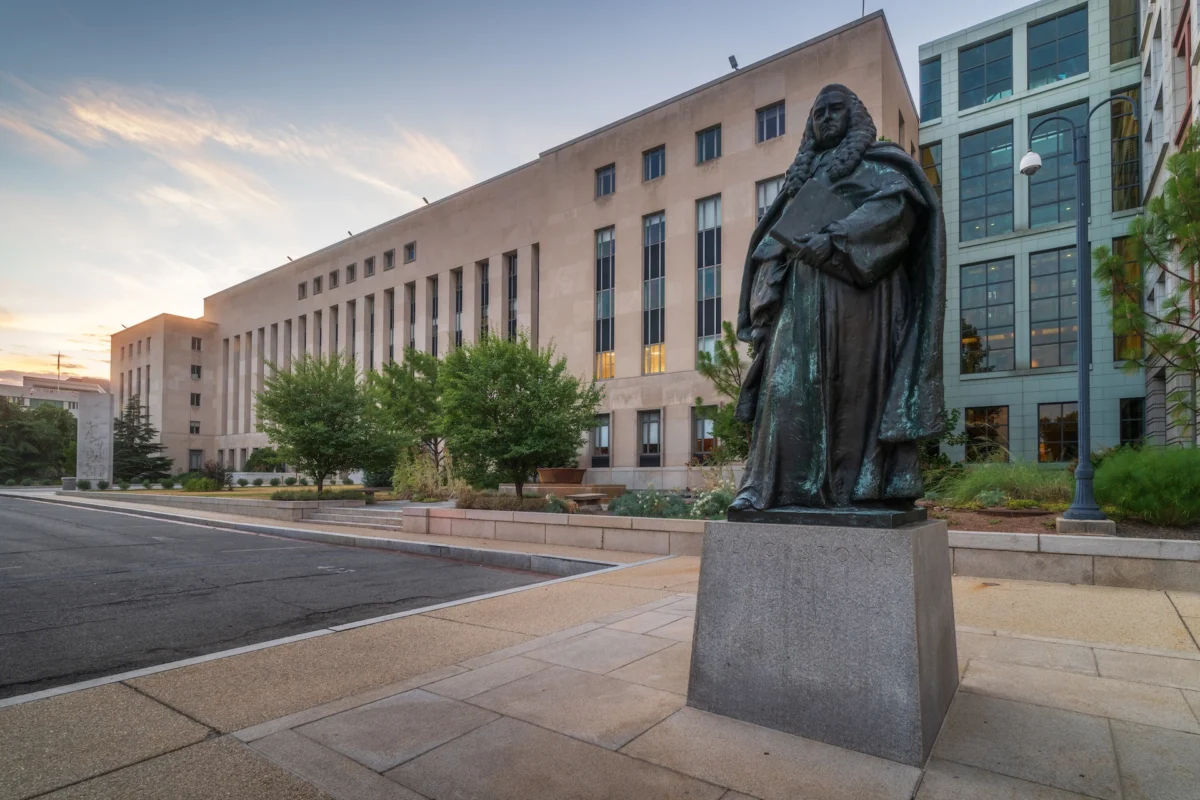
At the center of the controversy is a classified opinion issued by the Foreign Intelligence Surveillance Court—commonly known as the FISA Court—which operates out of the E. Barrett Prettyman U.S. Courthouse in Washington, D.C.
Section 702 permits U.S. intelligence agencies to conduct warrantless surveillance of foreign targets located outside the United States. However, because foreign targets frequently communicate with individuals inside the country, the program inevitably sweeps up the digital and phone communications of American citizens. While querying U.S. person data is legally restricted and subject to additional statutory safeguards, critics have long accused intelligence agencies of circumventing these protections through "backdoor searches."
According to congressional disclosures and leaks surrounding the withheld FISC opinion, a federal judge strongly objected to specific data-processing tools created and deployed by government analysts. Specifically, the court took issue with a filtering system that allegedly allowed analysts to process messages and retrieve information in a manner that the judge argued should have been formally classified as a query of Americans’ data—thereby triggering stricter legal protections that the system bypassed.
Lawmakers such as Senator Ron Wyden (D-Ore.) have maintained that the withheld opinion reveals "major compliance problems" within the intelligence apparatus. Consequently, the administration’s refusal to declassify the document has transformed a routine bureaucratic oversight issue into a major constitutional showdown between the legislative and executive branches.
Chronology of Events
The timeline leading up to the current legislative impasse highlights a pattern of missed deadlines and escalating demands for transparency from Capitol Hill:
- March 17: The Foreign Intelligence Surveillance Court issues a critical opinion finding fault with government data-processing tools and filtering systems utilized by intelligence analysts under Section 702.
- May 15: Leadership of the Senate Select Committee on Intelligence (SSCI)—including Chairman Tom Cotton (R-Ark.) and Vice Chairman Mark Warner (D-Va.)—publicly expresses expectations that the March 17 FISC opinion will be declassified and released to the public.
- Summer: Section 702 of FISA officially lapses after Congress fails to pass a permanent reauthorization package. However, intelligence collection continues uninterrupted under a separate, pre-existing court ruling slated to run through March of next year.
- September 13: The statutory deadline passes for the executive branch to release the classified FISC opinion and associated compliance records under transparency provisions, rendering the administration legally overdue.
- October: Bipartisan frustration boils over. Civil liberties organizations and congressional watchdogs note that the administration has missed multiple self-imposed and statutory deadlines for transparency.
- Late October: Senators Ron Wyden and Adam Schiff dispatch a sharp letter to Director of National Intelligence Jay Clayton and Attorney General Todd Blanche, accusing the administration of breaking the law by withholding the document.
Supporting Data and Legislative Pressure
The statutory framework governing FISA requires transparency measures that lawmakers argue are being blatantly ignored. The letter sent by Senators Wyden and Schiff to DNI Jay Clayton and Attorney General Todd Blanche underscores the legal mandate requiring the declassification of significant FISC opinions.
Simultaneously, a broad coalition of civil liberties groups—including Demand Progress and various privacy advocacy organizations—has submitted a separate letter to congressional leaders, demanding that the legislative branch draw a hard line against executive non-compliance.
The data and compliance history surrounding Section 702 have long troubled privacy advocates. Past oversight reports from the Privacy and Civil Liberties Oversight Board (PCLOB) and the Office of the Director of National Intelligence have periodically highlighted instances where law enforcement and intelligence agencies abused backdoor search authorities to look up information on American protesters, journalists, and political figures without a warrant. The hidden FISC opinion is widely believed by insiders to detail a novel or particularly egregious instance of such technical circumvention.
Official Responses
Reactions from Capitol Hill reflect deep bipartisan frustration, albeit with varying degrees of emphasis on how Congress should proceed.
In their joint letter, Senators Wyden and Schiff did not mince words regarding the administration’s legal violations:
"As Congress continues to debate the fate of this authority, lawmakers must be able to discuss these abuses openly," Wyden and Schiff wrote to Clayton and Blanche. "Otherwise, the American people will rightly question whether a government that so flagrantly violates basic legal requirements, like the statute requiring declassification, can ever be trusted to not abuse a powerful surveillance tool like Section 702."
Rachel Cohen, a spokesperson for Senate Intelligence Committee Vice Chairman Mark Warner, emphasized the panel’s ongoing push for transparency, while casting blame on past and present executive leadership for dragging their feet:
"The Vice Chairman has been clear that he supports transparency with regard to Section 702 of FISA," Cohen said in a statement to CyberScoop. "This is precisely why he and Chairman Cotton urged then-DNI [Tulsi] Gabbard in March to declassify the March 17 FISC opinion. Unfortunately, neither Director Gabbard nor Acting Director [Bill] Pulte were responsive, but Senator Warner expects that DNI Clayton will declassify the opinion, consistent with the bipartisan SSCI letter and as required by law."
Meanwhile, representatives for Senate Intelligence Chairman Tom Cotton declined to comment on the matter. Both the Office of the Director of National Intelligence (ODNI) and the Department of Justice (DOJ) failed to immediately respond to repeated requests for comment from journalists.
Outside of government, civil liberties coalitions have adopted an uncompromising stance, urging lawmakers to block any future renewal of the surveillance statute until sweeping reforms are enacted.
"Congress should refuse to support any reauthorization of Section 702 while the administration actively withholds legally mandated information about how the surveillance program operates," the advocacy groups wrote in their joint appeal to congressional leaders. "Further, it must stop relying on executive branch self-policing to protect Americans’ rights and reauthorize Section 702 only with a warrant requirement to access Americans’ private communications."
Implications for National Security and Civil Liberties
The standoff over the undisclosed FISC opinion carries profound implications for the future of American digital privacy and national security governance.
- The Crisis of Oversight: Effective legislative oversight relies on the executive branch’s willingness to act in good faith and adhere to statutory transparency mandates. When intelligence agencies and administrative leadership systematically withhold court rulings that highlight compliance failures, Congress is effectively stripped of its constitutional check-and-balance function.
- The Legislative Endgame for Section 702: With the temporary collection authority expiring in March, lawmakers face a ticking clock. The refusal to release the opinion has hardened the stance of progressive Democrats and libertarian Republicans, who are now more unified than ever in demanding a statutory warrant requirement for querying U.S. person data. Conversely, intelligence hawks argue that tying the hands of agencies through stringent oversight or blocking reauthorization leaves the nation vulnerable to foreign cyber threats and international terrorism.
- Public Trust: As civil liberties groups have pointed out, the broader American public is increasingly skeptical of mass surveillance programs. Incidents where the executive branch ignores declassification deadlines reinforce public perception of a sprawling, unaccountable "surveillance state." Restoring credibility will require not only the eventual release of the March 17 FISC opinion, but potentially structural legislative reforms that permanently curb the intelligence community’s ability to search American communications without judicial oversight.
As the March expiration date draws closer, all eyes remain on DNI Jay Clayton and Attorney General Todd Blanche to see whether the administration will yield to congressional pressure, comply with the law, and finally bring the secret surveillance court opinion to light.