Somewhere in the depths of your current email database, there is a customer who genuinely loves your product. They have purchased from you multiple times, they have taken the time to leave a positive review, and they would happily sing your praises to their inner circle—friends who likely mirror your ideal buyer profile perfectly.
Yet, most founders never ask them to do it.
For many businesses, a "referral program" is treated like a forgotten gym membership: it technically exists, but it hasn’t been touched since January. There is a lonely, broken link in the website footer, and that is the extent of the strategy. This is a massive oversight. In an era where customer acquisition costs (CAC) are skyrocketing, failing to leverage your existing advocates is effectively leaving revenue on the table.
The Mathematical Imperative of Referrals
When a friend turns to a peer and says, "You’d love this," the heavy lifting of the sales process is already complete. No sophisticated ad platform can replicate the trust inherent in a personal recommendation, and no targeting algorithm can match the precision of a satisfied customer pointing a friend toward your brand.
Referred customers represent the gold standard of growth: they convert at significantly higher rates than those from paid channels, they require negligible acquisition costs, and their lifetime value (LTV) is consistently higher. Because people rarely refer friends who would be a "bad fit," your customers act as the ultimate vetting agents, performing better targeting on your behalf than any third-party data set ever could.
The Anatomy of a Modern Referral Strategy: Key Takeaways
To transition from a static "footer link" to a dynamic "referral engine," founders must shift their mindset. Referrals should not be treated as a website feature; they are an orchestrated communication strategy defined by timing, incentives, and infrastructure.
- Timing is everything: Stop broadcasting to everyone. Trigger requests only during moments of high customer satisfaction.
- Double-sided rewards: If the incentive isn’t shared between the referrer and the referee, the program will likely fail.
- Remove friction: If it takes more than 15 seconds to share a referral, you have lost the customer.
- Segment your audience: Only target your "superfans"—repeat buyers and vocal supporters.
Chronology: From Static Page to Proactive Engine
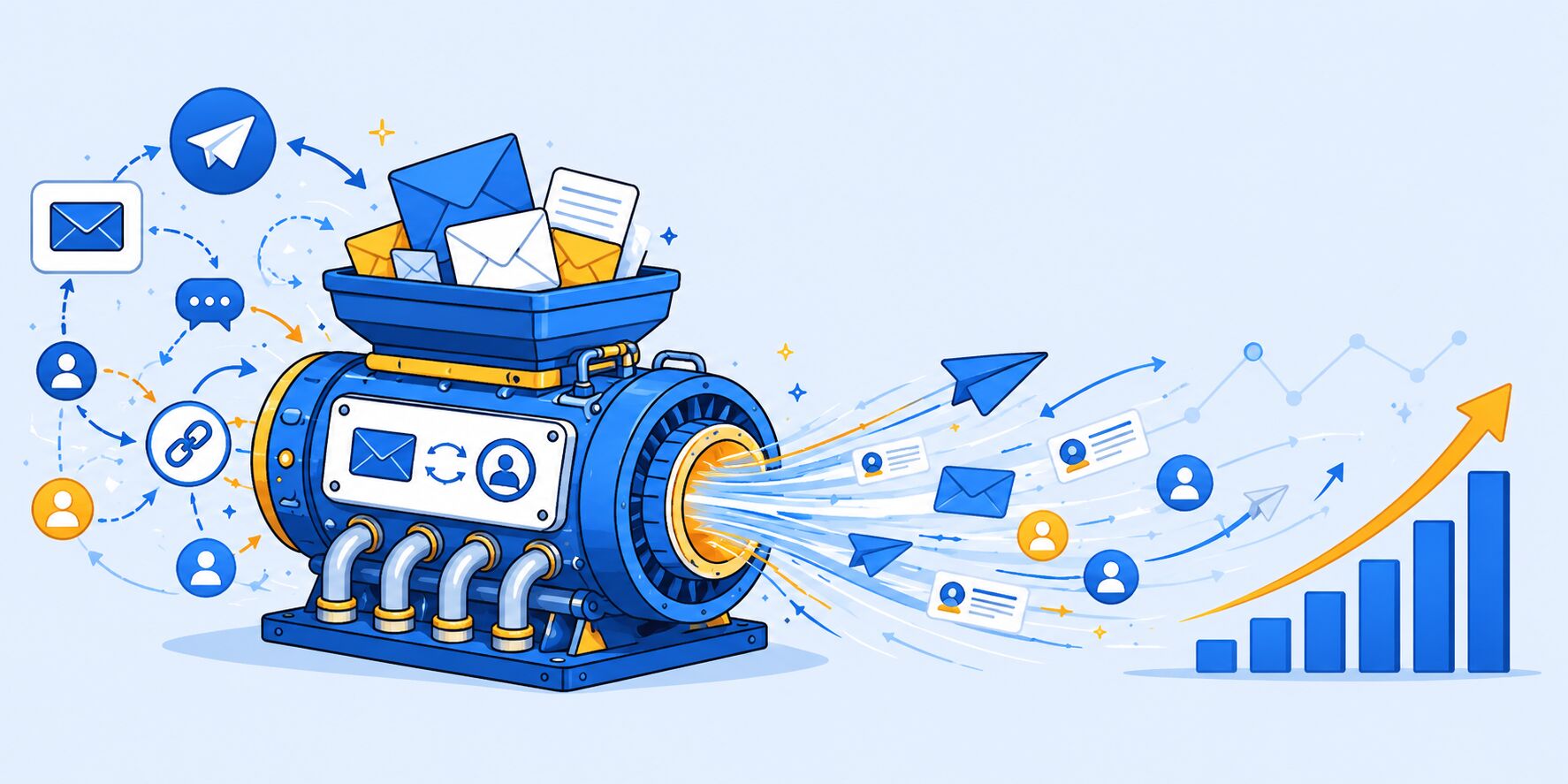
Historically, brands viewed referral programs as "set-it-and-forget-it" landing pages. The evolution of the referral engine, however, follows a distinct path of sophistication:
- Phase One: The Passive Era. Brands simply added a "Refer a Friend" button on their homepage and hoped for the best. Results were inevitably stagnant.
- Phase Two: The Incentive Pivot. Companies began adding basic discounts, usually favoring either the referrer or the new customer, but rarely both.
- Phase Three: The Integrated Automation Era. Modern, high-growth brands now use marketing automation platforms (like Omnisend) to trigger personalized requests based on specific user behaviors, such as a second purchase or a five-star review.
The Science of the "Moment of Delight"
The most common mistake in referral marketing is poor timing. A request for a referral buried in a generic Tuesday newsletter is "wallpaper"—it is ignored because it lacks context.
The most effective programs operate on triggers. When a customer leaves a positive review, that is a moment of peak emotional investment. When a customer makes a third purchase, they have crossed the threshold from "trial user" to "loyal advocate." These are the windows where a referral request feels like a natural extension of the conversation rather than a desperate extraction attempt. By using automation to monitor these events, you ensure the request lands in the inbox at the exact moment the customer is feeling most connected to your brand.
Why One-Sided Incentives Are Failing
The industry has reached a consensus: one-sided rewards are a relic of the past. If you offer a reward only to the referrer, the act feels transactional—a monetization of friendship that can feel "grubby" to the sender. Conversely, if only the new customer receives a discount, the existing customer has no tangible motivation to advocate for you.
"Give $10, Get $10" models—or similar double-sided incentives—align the incentives of all parties. The referrer is rewarded for their loyalty, and the new customer is welcomed with a lower barrier to entry. The reward itself does not need to be extravagant; in many cases, free shipping, early access to new product drops, or a modest credit are sufficient. The goal is to provide enough friction-less value to turn a "silent user" into an "active evangelist."
Friction: The Silent Killer of Growth
Even with the best incentives, a complex user interface will kill your referral volume. Every referral program leaks in two critical areas: the content of the message and the ease of distribution.
If a customer has to write their own recommendation from scratch, they likely won’t. If they have to copy-paste a URL into a clunky email interface, they won’t. Successful brands provide pre-written, human-sounding templates that the customer can send as-is or lightly customize. Furthermore, sharing must happen where the customer is already active: WhatsApp, SMS, and native mobile messaging. If the process takes longer than 15 seconds, you are losing the 98% of your customer base who are "quietly satisfied" but not yet "superfans."
Strategic Segmentation: Don’t Ask the Bus Stop
A common pitfall is blasting a referral request to the entire email list. Asking a customer who hasn’t opened an email in eight months to recommend your brand to their friends is not just ineffective—it is brand-diluting. It trains your audience to ignore your communications.
Instead, segment your list. Focus exclusively on your "High Engagement" cohort: repeat buyers, reviewers, and those who have previously interacted with your support team. By isolating this group, you can tailor your messaging to be more personal, making them feel like an exclusive part of your growth story. Tools like Omnisend are designed to handle this complexity, integrating with loyalty platforms like Smile or Yotpo to ensure the "plumbing" of rewards and attribution happens automatically in the background.
Implications for the Future of Brand Growth
The ultimate realization for any entrepreneur should be this: word-of-mouth marketing is already happening around your brand, regardless of whether you have a formal program. People are talking about products they love every single day. The role of the founder is not to "create" word of mouth, but to build the infrastructure that allows those conversations to travel further and to thank the people facilitating them.
A referral engine is, at its core, infrastructure for existing generosity. When you remove the friction and reward the behavior, you aren’t just acquiring customers; you are building a community of advocates.
For those looking to build this infrastructure, leveraging automated platforms is the logical next step. With modern integrations, you can move away from manual tracking and focus on what truly matters: crafting an "ask" that is so natural, so timely, and so rewarding that your customers are delighted to say yes.
By prioritizing your most loyal advocates and using intelligent automation to bridge the gap between their satisfaction and their social influence, you can turn your email list into a self-sustaining, high-performance acquisition channel that works 24/7. It’s time to stop treating your referral program like a neglected gym membership and start treating it like the most valuable asset in your marketing stack.