










Welcome to the latest edition of DEV, your definitive monthly deep dive into the WordPress ecosystem. Whether you are a core contributor, a freelance developer, or a site owner trying to make sense of the rapidly evolving landscape, we’ve distilled the most critical updates from the past month into one comprehensive report.
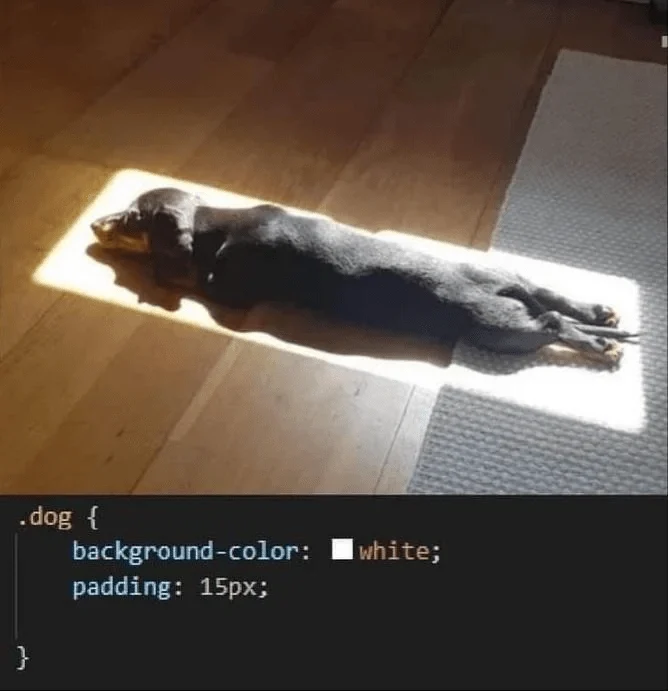
Before we dive into the technical shifts and the ongoing debate regarding artificial intelligence in web development, take a moment to breathe. As any seasoned developer knows, sometimes the most productive debugging technique is stepping away from the screen to find a literal "patch of sunlight." Even our four-legged friends understand that recharging is a prerequisite for high-level performance.
1. Main Facts: The Current State of the Ecosystem
The WordPress landscape is currently defined by three major pillars: the successful conclusion of WordCamp US, the formal release of WordPress 7.1 "Mary Lou," and a pivotal industry-wide conversation regarding "Defensive Data Design" in the age of AI.
WordCamp US: Phoenix Rising
More than 1,100 attendees gathered in Phoenix, Arizona, this August to navigate both the 111°F (44°C) heat and the complex future of the platform. The event served as a focal point for community consolidation, marked by the official proclamation of August 19th as "Phoenix WordPress Day" by Chief Innovation Officer Michael Hammett. Beyond the networking and technical sessions, the event highlighted the ethos of the platform, quite literally, through the collaborative construction of a massive WordPress logo made of Lego bricks—a fitting, physical manifestation of the Open Source community’s modular nature.
WordPress 7.1 "Mary Lou"
Named in honor of the legendary jazz pianist and composer Mary Lou Williams, WordPress 7.1 has officially arrived. This release represents a significant maturation of the block editor and the broader site-editing experience. By reducing reliance on external CSS hacks and third-party plugins, 7.1 pushes the platform further toward a truly "no-code" environment for complex design tasks.
AI Integration and "Defensive Data Design"
The release of the AI 1.3.0 plugin on August 18th signals a move toward more granular control. However, the industry is shifting its focus from "how do we use AI" to "how do we safely constrain AI." The conversation around "Defensive Data Design" is now the most critical thread in the WordPress Core community.
2. Chronology: A Month in Review
- August 4, 2026: The Make WordPress Core blog publishes a seminal post on "Defensive Data Design," sparking a community-wide debate on how to make system defaults inherently safer.
- August 18, 2026: AI 1.3.0 is released, introducing advanced features like automated content translation, intelligent slug generation, and improved category/tag suggestions.
- August 19, 2026: Phoenix, Arizona, officially celebrates "WordPress Day" during the peak of WordCamp US.
- Late August 2026: WordPress 7.0.4 is pushed to users, addressing critical security vulnerabilities, followed closely by the rollout of the 7.1 "Mary Lou" update.
- Ongoing: The community continues to refine the "Human-in-the-Loop" requirements for AI support assistants to ensure that automated agents know when to defer to human experts.
3. Supporting Data and Technical Implications
WordPress 7.1: The "Mary Lou" Deep Dive
While 7.1 might appear as a collection of minor incremental improvements, the aggregate impact is substantial. Developers are reporting a marked decrease in the need for custom CSS overrides. Key technical improvements include:
- Enhanced Global Styles: Streamlined control over typography and spacing that persists across mobile and desktop breakpoints.
- Block-Level Performance: Optimized rendering times for complex landing pages.
- Security Posture: The inclusion of the 7.0.4 security patch within the 7.1 release cycle serves as a vital reminder for site administrators: update frequency remains the single most important metric for site health.
The Rise of AI and the "Human-in-the-Loop"
The AI 1.3.0 update isn’t just about features; it’s about governance. With the plugin now handling critical site metadata (slugs, tags, translations), the risk of "hallucinations" or erroneous data injection is higher. The current design philosophy emphasizes:
- Visibility: Any change made by an AI agent must be immediately apparent to the human administrator.
- Reversibility: A "one-click undo" architecture is being proposed for all automated AI actions.
- Graceful Degradation: As seen in the new support assistant, systems must be programmed to recognize the "limit of their competence" and hand off to human support agents immediately upon encountering complex edge cases.
4. Official Responses and Industry Discourse
The debate surrounding AI in WordPress has moved from abstract speculation to practical engineering. In a recent discourse on the Make WordPress Core blog, core contributors emphasized that the "defaults" are the most powerful tool for platform security.

"How can we make the defaults as safe as possible?" asked the lead authors of the Defensive Data Design initiative. The community response has been robust, with proposals ranging from "read-only" modes for AI agents to mandatory human-approval queues for any content published directly to the live site.
Furthermore, the freelance landscape is shifting. Data from industry experts suggests that traditional platforms like Upwork are becoming less viable for WordPress specialists. The trend is moving toward niche expertise and real-time, high-touch development, as discussed in recent industry podcasts. The consensus is clear: the future of the web belongs to those who can build "ownable" platforms, rather than those who rely on volatile third-party aggregators.
5. Implications: The Path Forward
The integration of AI into WordPress is inevitable, but the manner of that integration will define the next decade of the open web.
Defensive Data Design as a Standard
Expect to see "Defensive Data Design" evolve from a blog-post discussion into a core set of development standards. This will likely involve stricter permission sets for plugins, ensuring that AI-driven tools cannot make "silent" changes to a database without an audit trail.
Real-Time Technology
The industry is signaling a shift toward real-time, collaborative editing environments—similar to Google Docs. As Jared Rethman recently noted, the "real-time" nature of content creation is no longer a luxury; it is the baseline expectation for modern editorial teams. WordPress must adapt its core architecture to handle this level of concurrency without compromising the stability that has defined the platform for years.
The "Own Your Platform" Movement
There is a growing grassroots movement advocating for digital sovereignty. As bots and AI-generated content threaten to dilute the quality of the web, the value of human-curated, "ownable" websites is skyrocketing. The technical challenge for WordPress 7.2 and beyond will be to provide the tools for this digital independence while maintaining the low barrier to entry that brought millions of users to the platform in the first place.
Final Thoughts: The Human Element
We often get caught up in the technical minutiae—the CSS, the PHP, the AI agents, and the security patches. But as we look at the broader picture, from the Lego-built logo in Arizona to the developers questioning the very nature of web ownership, it is clear that the community is the true core of WordPress.
And, as promised, for those of you feeling like your fitness goals are lagging: we’ve been tracking "Mollie the Hamster." With a custom-built speed and distance tracker, Mollie is currently out-pacing the average human commute. If a rodent can stay that active while we struggle to center a <div>, perhaps we all need a little more movement in our routines.
Share this edition with your favorite WordPress weirdo, and keep building the open web.



