New Delhi — The cascading fallout of geopolitical instability in West Asia has exacted a heavy human toll on India’s maritime workforce. Ministry of Ports, Shipping and Waterways (MoPSW) Secretary Vijay Kumar announced on Monday that 11 Indian seafarers have lost their lives since the inception of the regional conflict. The announcement came during a high-profile press briefing ahead of the third edition of Sagar Manthan — The Great Oceans Dialogue, shedding light on the severe dangers confronting global commercial shipping lanes.
The briefing brought to the fore harrowing operational realities in critical maritime chokepoints, particularly the Strait of Hormuz. As military tensions involving the United States, Israel, and Iran persist, international waters have increasingly become hazardous zones for civilian cargo vessels. With India standing firmly as one of the world’s premier human resource hubs for the maritime industry, the safety, security, and repatriation of its citizens at sea have emerged as an urgent national and diplomatic priority.
1. Main Facts: The Human and Operational Toll
The figures released by the Ministry underscore a perilous operating environment for merchant mariners navigating conflict-adjacent zones. According to MoPSW Secretary Vijay Kumar, the cumulative impact of the West Asia crisis on Indian seafarers includes:
- Fatalities: 11 confirmed deaths of Indian crew members.
- Vessel Attacks: 4 direct attacks on Indian-flagged vessels and 74 separate incidents involving foreign-flagged vessels carrying Indian crew members.
- Safe Repatriation: 4,292 Indian seafarers successfully evacuated and repatriated to India amid escalating hostilities.
- Active Standoff: 139 Indian seafarers remain stranded in the volatile Strait of Hormuz, navigating extreme operational vulnerabilities.
- Current Deployments: As of the latest assessment, a total of two Indian-flagged ships and six India-bound ships remain inside the high-risk maritime corridor.
To mitigate these risks, the Indian government has instituted a dedicated tracking mechanism. This real-time monitoring system provides the Ministry with comprehensive data points, including vessel positioning, total crew strength, ongoing threat assessments, intended voyages, and the availability of basic lifelines such as food, fuel, and critical medicines.
2. Chronology of Escalation: A Timeline of Maritime Attacks
The crisis facing global commercial shipping has evolved through a succession of intensifying military engagements across vital trade routes:
- Pre-2026 Foundations: Decades of low-intensity maritime friction in the Persian Gulf set the stage for vulnerability, but it was the direct military escalations involving the US, Israel, and Iran that abruptly transformed the Strait of Hormuz into a hostile operational theater.
- Early 2026 Phase: As the conflict expanded, asymmetric threats—including drone strikes, missile projections, and naval interceptions—began targeting commercial vessels indiscriminately, disregarding their flag states.
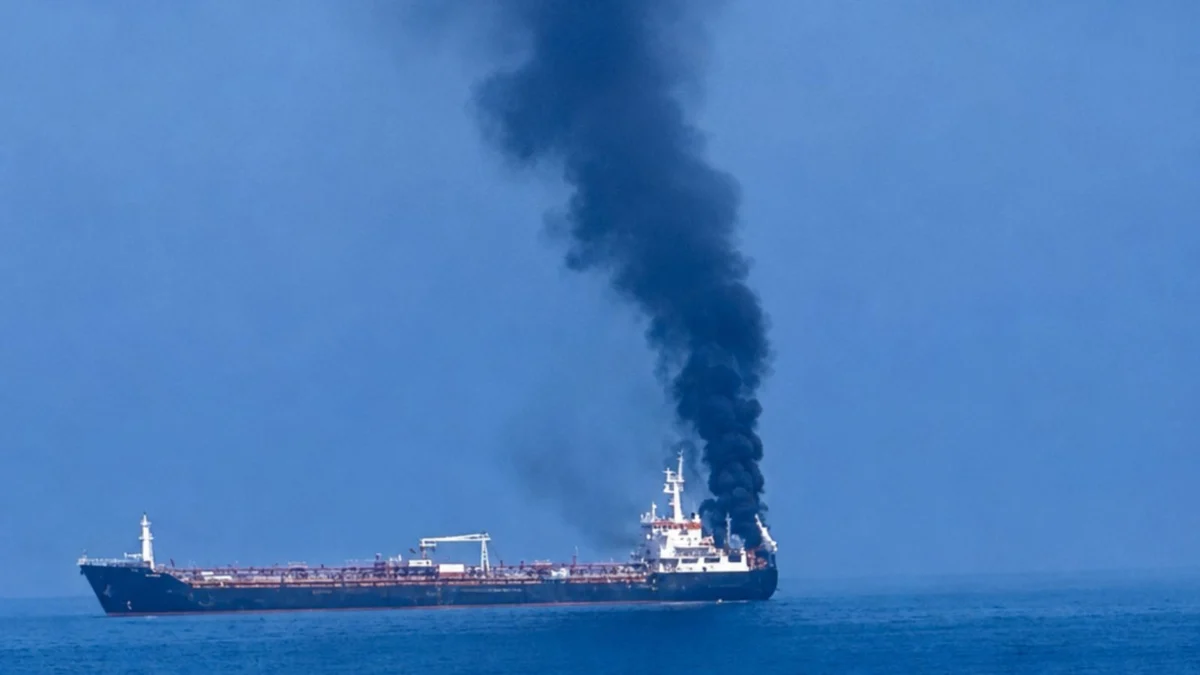
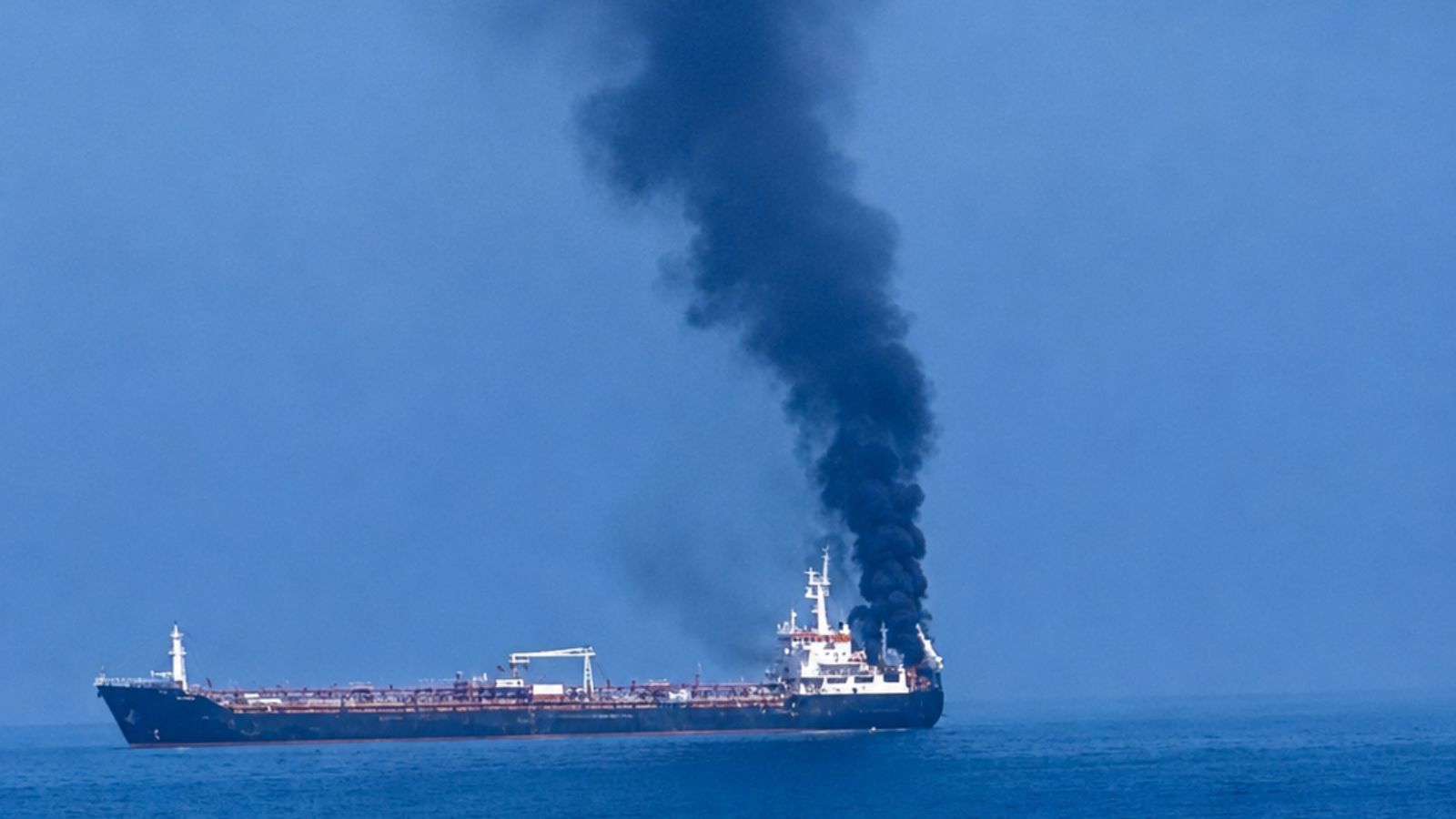
- Recent Escalations (Strait of Hormuz): A Panama-flagged commercial vessel transiting the Strait of Hormuz was struck by a projectile, resulting in injuries to 11 Indian crew members aboard. This incident prompted swift diplomatic condemnation from New Delhi.
- Recent Escalations (Black Sea): In a separate theater of global conflict on Monday, a Turkish-owned civilian cargo vessel operating in the Black Sea was hit by a Russian drone strike. The ensuing fire claimed the lives of at least two foreign crew members and left several others injured, including an Indian national.
- October 8, 2026: MoPSW Secretary Vijay Kumar addresses the media during the curtain-raiser for Sagar Manthan, officially tallying the death toll at 11 and detailing ongoing evacuation efforts.
3. Supporting Data: India’s Strategic Position in Global Maritime Labor
Despite the mounting geopolitical perils, India remains an indomitable pillar of the global shipping architecture. The country’s ascent as a maritime labor superpower is reflected in extensive statistical growth:
- Workforce Expansion: The population of registered Indian seafarers surged from 1.27 lakh to 3.23 lakh over a 12-year period.
- Global Standing: India has advanced from the fifth-largest supplier of seafarers in 2015 to the world’s second-largest supplier, currently commanding over 12% of the global maritime workforce.
- Gender Inclusion: Active women seafarers have experienced a sharp upward trajectory, rising from 1,599 in 2021 to 7,033 in 2025. This growth has been heavily propelled by targeted policy interventions such as the Sagar Mein Samman initiative.
- Future Projections: The government has established ambitious benchmarks under "Mission 20%," aiming to capture a fifth of the global seafarer workforce by the year 2030.
Simultaneously, the domestic shipbuilding sector is experiencing an unprecedented upswing. Union Minister for Ports, Shipping and Waterways Sarbananda Sonowal noted that Indian shipyards are witnessing a surge in international orders. This influx has fortified the nation’s reputation for quality production, structural reliability, and sustainable capacity-building.
4. Official Responses and Diplomatic Engagements
The safety of merchant mariners has triggered active inter-ministerial coordination within the Indian government, bridging the Ministry of Ports, Shipping and Waterways and the Ministry of External Affairs (MEA).
Condemnation of Targeting Commercial Shipping
Following the projectile attack on the Panama-flagged vessel and the subsequent injuries to Indian nationals, the MEA issued a stern condemnation. Highlighting the vulnerability of civilian crews, the Ministry remarked:
"The targeting of traffic in international waterways is severely undermining global commerce and the welfare of people across the world. We continue to call for dialogue and diplomacy to bring an end to the ongoing conflicts."
The government reiterated that commercial shipping lanes must remain immune to geopolitical hostilities under international maritime law.
Bilateral Engagements for Resilience and Sustainability
Addressing the wider economic and diplomatic agenda, Union Minister Sarbananda Sonowal outlined strategic partnerships forged during recent bilateral talks with Saudi Arabia, Belgium, and Bhutan:
- Saudi Arabia: Discussions focused on mutual investments in domestic port infrastructure, advanced shipbuilding capabilities, and the creation of resilient, shock-proof supply chains.
- Belgium: European collaboration is taking shape through commitments to establish a dedicated green shipping corridor and foster smarter, digitized port operations. Belgium has expressed an eager willingness to co-develop sustainable marine practices.
- Bhutan: In a move to expand regional connectivity, India is opening the Brahmaputra River system as an alternative maritime and logistical gateway, enabling landlocked Bhutan to access global markets while facilitating skill-development programs for its youth.
5. Implications for Global Commerce and National Strategy
The confluence of security crises in West Asia and Eastern Europe carries profound structural implications for the international economy and India’s maritime posture.
Fragility of Maritime Chokepoints
The Strait of Hormuz handles a substantial portion of the world’s petroleum and commercial cargo. The ongoing targeting of merchant vessels underscores the acute fragility of modern global supply chains. Even brief disruptions in these corridors reverberate across energy markets, driving up freight insurance premiums, delaying cargo deliveries, and artificially inflating consumer prices worldwide. For India, an energy-importing nation heavily reliant on West Asian oil and trade routes, these disruptions pose immediate macroeconomic risks.
The Imperative of Institutional Protection
The loss of 11 lives serves as a stark reminder that merchant sailors are often the collateral damage of modern state-level conflicts. The institutional response—marked by real-time tracking systems, round-the-clock communication helplines, and diplomatic interventions—signals a shift toward more proactive state protection for diaspora workers. However, as long as hostilities persist in critical chokepoints, the risk profile for Indian mariners will remain elevated.
Green Shipping and Future-Proofing
As traditional trade routes face physical and geopolitical bottlenecks, India’s pivot toward green shipping corridors, digitalization, and regional riverine integration (such as the Brahmaputra gateway) represents a forward-looking mitigation strategy. By diversifying trade pathways and anchoring its growth in sustainable practices, India is attempting to insulate its maritime future from regional volatility.
Ultimately, while India continues to consolidate its standing as the world’s premier engine of maritime human capital, the immediate imperative remains clear: ensuring the safe extraction and protection of every seafarer caught in the crosshairs of distant wars.