








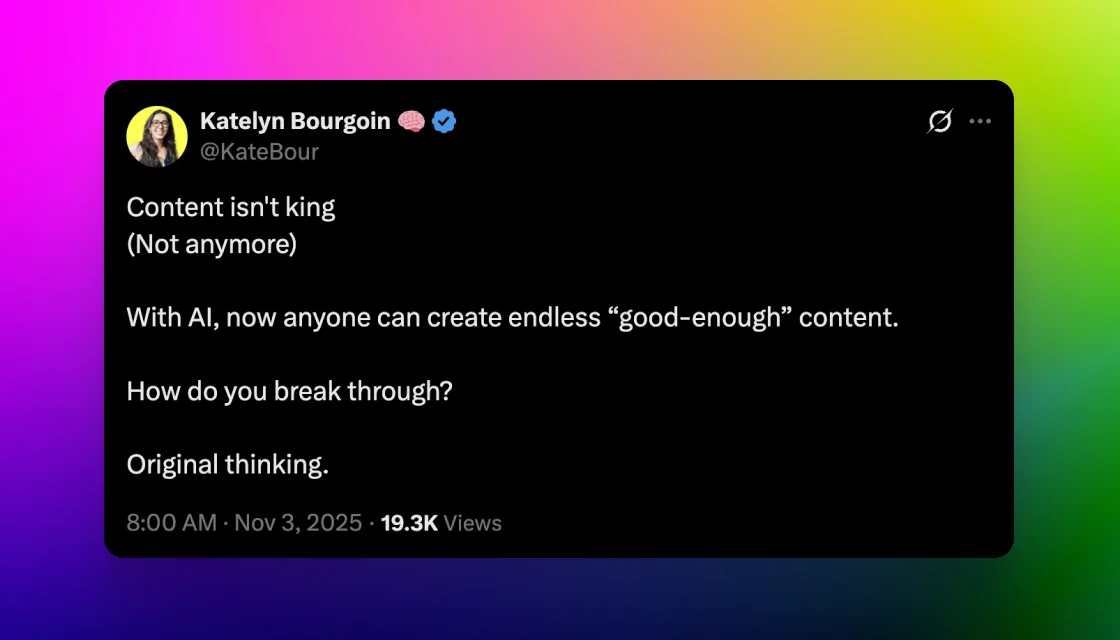
Do you feel seen? Heard? Or perhaps a little ignored by the algorithms that dictate the digital landscape? If you felt that 2025’s spotlight shined brightly on your competitors while leaving your publication in the shadows, it is time to pivot. As we approach 2026, the era of passive content creation is ending. To succeed, you must be unapologetically loud, strategic, and disciplined.
Having a well-polished SEO plan roaring into the new year is no longer a luxury—it is an existential requirement. This guide explores how to leverage search engine optimization for protected content, identifies the critical trends shaping the next 12 months, and explains why unwavering discipline remains the ultimate winning strategy.
The Strategic Shift: Managing SEO for Protected Content
Many publishers operate under the misconception that "protected" or "paywalled" content is invisible to search engines. Consequently, they neglect to optimize their premium work, effectively cutting off their most valuable assets from the top-of-funnel growth that SEO provides.

Rethinking the Gate
Should your SEO strategy change if you have a membership publication? The answer is a resounding yes. While your premium content may be locked behind a paywall, the metadata, headers, and snippets surrounding that content remain public. Search engines still need to understand what your content is about to index it appropriately.
To thrive, you must adopt a hybrid approach:
- Full vs. Partial Protection: Consider "metered" paywalls where the first few paragraphs are indexed by Google. This allows you to rank for keywords while still prompting users to subscribe to read the full analysis.
- The "Public-First" Model: Dedicate your most accessible, high-traffic content to public-facing blog posts that act as a funnel. Use these to capture search traffic and internal-link them to your gated, high-value premium articles.
The Data Behind the Search
Recent industry statistics confirm that despite the rise of AI, Google remains the dominant gateway to the internet, processing over 82 billion monthly visits. If your content is effectively indexed, it becomes part of the knowledge base that fuels even the newer generative AI search engines. By preparing your site architecture now—ensuring structured data is correct and crawlability is prioritized—you position your publication to be the "source of truth" in an increasingly automated web.

2026 SEO Trends: The Rise of the Human Element
The search landscape is evolving rapidly. While the technical fundamentals of SEO—keywords, site speed, and mobile responsiveness—remain important, the "soft" factors are becoming the true differentiators. Omid G, Editor-in-Chief at Marketer Milk, has identified several key pillars for the year ahead.
1. The Supremacy of EEAT
Experience, Expertise, Authoritativeness, and Trustworthiness (EEAT) are the cornerstones of modern search. Google is increasingly rewarding smaller, niche publishers who write from lived experience rather than generic, AI-generated fluff. In 2026, the algorithm will be looking for social proof—authors who are recognized authorities in their field.
2. The Return of the Human Brand
If you want your brand name associated with specific search queries, focus on word-of-mouth marketing on social media. When people discuss your brand on platforms like Reddit, LinkedIn, or Discord, it triggers search volume for your brand name paired with your specific niche. This "brand-plus-keyword" search is a powerful signal to Google that your site is a legitimate authority.
3. Personalizing Content Titles
As AI-generated content floods the web, users are craving the human touch. Incorporating pronouns and individual perspectives into your titles makes content feel more organic and relatable. Adding the name of an expert or a personal anecdote to your H1 tags can significantly boost click-through rates (CTR).
4. The YouTube-SEO Loop
Video content is no longer an "optional" add-on. With the continued popularity of TikTok and the integration of YouTube into search results, users are explicitly looking for faces and voices. Turning your best-performing blog posts into short-form videos and embedding them within your articles increases "dwell time," which is a critical ranking factor.
5. AI Search vs. Traditional Search
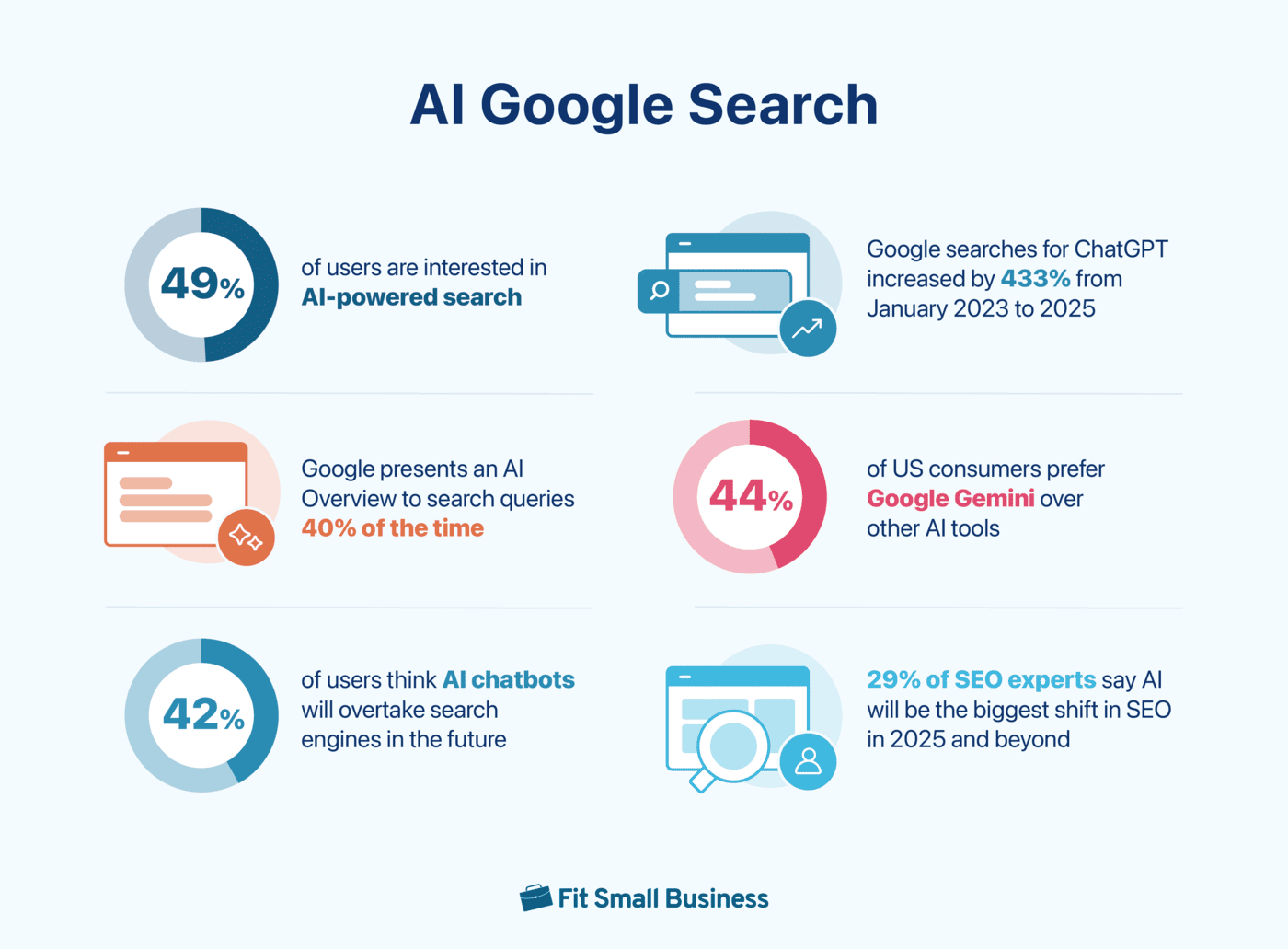
Don’t panic and shift your entire strategy toward optimizing for AI chat interfaces at the expense of Google. Because Google remains the dominant indexer, content that ranks well on Google is frequently synthesized by tools like ChatGPT and Perplexity. Maintain your focus on high-quality, original research—that is the one thing AI cannot replicate.

Disciplinary Action: The Psychology of Sustained Growth
The biggest mistake publishers make when planning for a new year is getting stuck in "panic mode"—constantly chasing the latest shiny object or algorithmic tweak. According to Maria Georgieva of Search Engine Land, discipline is the missing ingredient for most publication owners.
The Hierarchy of SEO Goals
To build a sustainable strategy, you must balance short-term wins with long-term vision:
- Focus on the Foundation: Before you buy expensive tools, focus on your own business goals. Are you trying to grow subscribers, increase ad revenue, or build brand authority? Your SEO strategy should serve these goals, not the other way around.
- The Power of Small Wins: Never underestimate the impact of quick projects. Adding structured data markup or expanding a page with an FAQ section can provide an immediate lift in visibility. These wins are essential for maintaining team morale and momentum.
- The Long Game: Building a reputation on community sites like Reddit or YouTube is slow work, but it creates a "moat" around your brand. These efforts build trust that a simple blog post cannot replicate.
- The "Business-as-Usual" Rigor: Do not skip the boring stuff. Routine SEO audits, broken link checks, and traffic monitoring prevent technical debt from accumulating. These tasks keep the engine running so you can focus on the creative work.
Strategic Frameworks for 2026
Success in 2026 requires a structured approach to decision-making:
- SMART Goals: Ensure your objectives are Specific, Measurable, Achievable, Relevant, and Time-bound.
- The 5 Whys: When you see a drop in traffic, ask "why" five times to drill down to the root cause rather than reacting to symptoms.
- RICE Prioritization: Use the Reach, Impact, Confidence, and Effort framework to decide which SEO projects to tackle first.
Implications for the Future of Publishing
As we look toward 2026, the implications for independent creators and publications are clear: the barrier to entry is shifting from "how much content can I produce" to "how much value can I provide."
The deluge of low-quality, AI-generated content is actually a boon for those who are willing to put in the work. When the internet is flooded with generic noise, a publication that offers deep, researched, and human-centric content becomes significantly more valuable.
Why Discipline Wins
Ultimately, trends and tools will come and go. Platforms will change their algorithms, and new technologies will emerge. But the publications that prioritize focus, patience, and rigor will remain. By committing to a disciplined content strategy, you stop competing in the "race to the bottom" and start building a loyal audience that values your expertise.

If you keep your short-term projects consistent and remain steadfast in your long-term goals, 2026 will not be a year of survival—it will be a year of scaling.
Are you ready to stop being ignored? The transition from "just another publication" to a recognized industry authority starts with your next content cycle. Review your archives, tighten your SEO, lean into your human expertise, and get loud. The audience is waiting.
Key Takeaways for Your 2026 Strategy
- Diversify your reach: Don’t just rely on search; build a presence where your community lives.
- Own your data: Ensure your newsletter, your website, and your social channels are interconnected.
- Prioritize human identity: If you are a niche creator, put your name, your face, and your voice at the forefront of your work.
- Audit regularly: A clean site is a fast site, and a fast site is a Google-friendly site.
Was this article helpful? Forward this to a fellow creator or subscribe to our newsletter for more deep dives into the mechanics of modern digital publishing.