







In the rapidly evolving digital marketing landscape, traditional search engine optimization (SEO) is no longer the sole gatekeeper of online visibility. As artificial intelligence transforms how consumers discover products, brands are racing to understand what influences whether they get cited in ChatGPT, Google AI Overviews, and other Large Language Model (LLM)-driven search experiences.
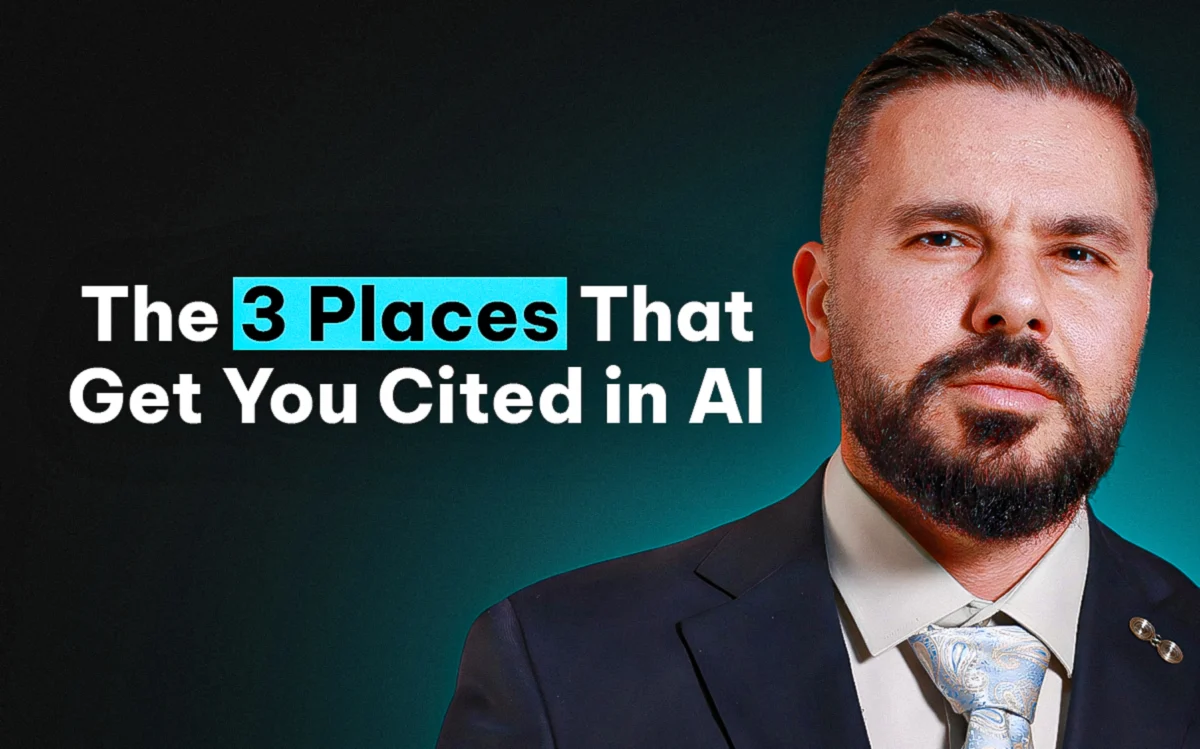
Recently, digital marketing veteran Besmir Bregasi sat down to discuss the core mechanics of Answer Engine Optimization (AEO) and share the blueprint behind his fast-growing SaaS startup, ZeroRank. Having scaled ZeroRank from a conceptual idea to a mid-six-figure Annual Recurring Revenue (ARR) business in just three months, Bregasi offers critical insights into how brands can secure citations in the age of generative AI.
Main Facts: The Rise of AEO and ZeroRank
The transition from classical SEO to AEO marks one of the most significant pivots in digital marketing history. LLM-driven search experiences do not merely rank links based on keyword density and traditional backlink profiles; instead, they synthesize answers drawing heavily from unstructured, third-party conversations, real-time data freshness, and multi-platform validation.
- The Shift in Visibility: According to ZeroRank’s aggregated cross-platform data, off-site discussions—such as active Reddit threads, real-time X (formerly Twitter) posts, and engaging YouTube videos—account for roughly 60% to 70% of an LLM’s citation weight. Traditional on-site SEO and foundational web signals make up the remaining 30%.
- The Power of Freshness: LLM systems heavily favor recent, highly interactive content over deeply archived, static web pages.
- Core Citation Platforms: ZeroRank’s tracking data indicates that Reddit, X, and YouTube carry the most significant weight in driving LLM citations, alongside niche editorial publications and industry-specific blogs.
- The ZeroRank Growth Story: Built in just three months by Bregasi and his co-founder Kelvin Çobanaj, ZeroRank leveraged AppSumo as an early customer acquisition channel to scale past 1,000 users and cross mid-six figures in ARR within its first year of operation.
Chronology: From Legacy Marketing to AI Disruption
A Two-Decade Evolution in Digital Marketing
Besmir Bregasi’s career spans nearly 20 years in digital marketing, providing him with a unique, long-term perspective on industry shifts. He began in traditional SEO before spending approximately 15 years deeply entrenched in paid advertising and affiliate marketing. His background also includes scaling online communities and managing high-profile events alongside technical co-founder Kelvin Çobanaj, who previously served as a Chief Technology Officer in the crypto and tech sectors.
Identifying the AEO Opportunity
When traffic patterns began shifting toward LLM-driven search interfaces, Bregasi recognized a familiar historical pattern. Much like the early days of SEO or paid social advertising, the emergence of AI answer engines presented a massive structural shift with relatively low initial competition. Believing the timing was right to go all-in on organic visibility for AI, Bregasi and Çobanaj set an aggressive three-month timeline to build and launch the first iteration of ZeroRank.
Rapid Scaling via AppSumo
Once the initial product was live, the founders needed scale and rapid validation. They launched a campaign on AppSumo to accelerate customer acquisition. The response outpaced expectations: ZeroRank surpassed 1,000 customers rapidly, became one of AppSumo’s top-selling software products in its opening month, and successfully expanded its team while cementing its foundation for long-term SaaS growth.
Supporting Data: Decoding LLM Citations and Market Dynamics
Understanding how AI platforms select which brands to recommend requires a shift in how marketers view data attribution. Because LLM responses are dynamic and personalized based on user history, device, and geography, tracking visibility demands a macro-level analytical approach.
The Personalization Challenge in Tracking
ZeroRank addresses the inherent variability of LLM outputs—where two users asking similar questions receive different answers—by running automated queries at scale. Rather than treating a single response as an absolute metric, the platform analyzes patterns across multiple accounts, geographical locations, and device configurations. This establishes an aggregate visibility baseline, allowing brands to measure directional improvements over time.
The Influence Hierarchy of Platforms
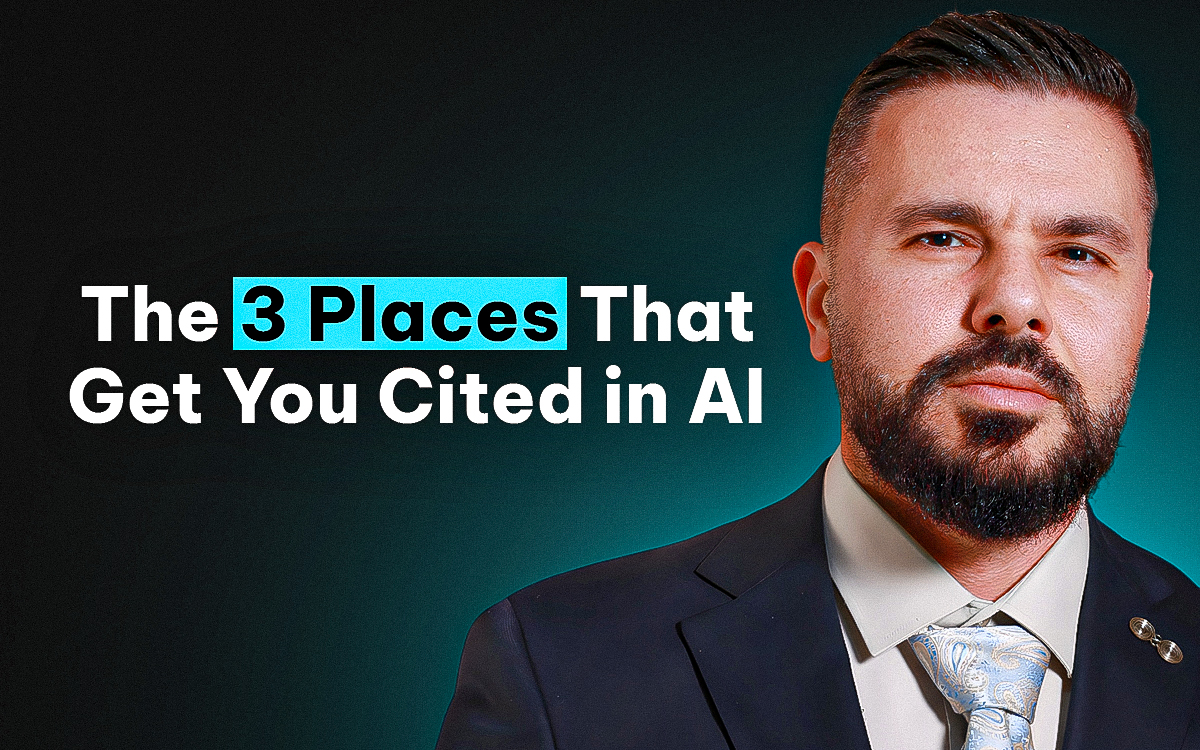
ZeroRank’s data highlights a distinct hierarchy among the platforms that feed AI answer engines:
- Reddit: Retains significant citation power for conversational queries. The authority and historical depth of a thread heavily influence its weight in LLM training and retrieval-augmented generation (RAG) pipelines.
- YouTube: Exhibits immense influence, particularly within Google AI Overviews. Fresh video content that quickly attracts comments, likes, and engagement acts as a powerful third-party citation source.
- X (Twitter): Serves as an ideal platform for generating real-time signals and immediate interaction, which can propagate quickly into LLM awareness cycles.
- Niche Editorial Mentions: Unlike broad, generalized publications, industry-specific blogs and specialized news sites pass specialized topical authority that AI models factor into niche queries.
Local Search and Language Nuances
In one striking case study highlighted by Bregasi, a vacation rental company struggling to outrank legacy competitors in conventional local search pivoted its strategy. By engaging in localized conversations in the target language (such as Italian) across community forums and X discussions, the brand successfully influenced LLM recommendations for regional travel queries. This demonstrates that in lightly contested or localized markets, community engagement can completely bypass traditional SEO barriers.
Official Responses and Strategic Implications for Marketers
For site owners and digital marketers, the rise of AEO does not mean abandoning traditional SEO. Instead, it requires expanding the digital footprint outward.
On-Site Optimization as a Baseline Requirement
According to Bregasi, technical on-site work is no longer the primary growth lever; it is a foundational requirement. Ensuring a site is technically sound, fast, and easily crawlable allows LLM scrapers to properly index and parse information. However, spending endless hours micro-optimizing on-page factors yields diminishing returns compared to building a robust off-site brand presence.
The Strategic Value of Third-Party Validation
AI models rely heavily on consensus. Because a company can easily manipulate content published on its own domain, LLM algorithms look to un-gameable, third-party sources to verify authority and sentiment.
"Your site still needs to be technically clear and useful, but many signals influencing citations appear to come from conversations happening elsewhere," Bregasi notes. "Publishing another article may help, but creating something worth discussing on Reddit, X, YouTube, or a respected niche site may have a greater effect."
Navigating the AppSumo Tradeoffs
While utilizing AppSumo as a customer acquisition channel propelled ZeroRank to rapid initial awareness and mid-six-figure ARR, Bregasi is transparent about the strategic tradeoffs. The campaign was priced around break-even, functioning effectively as a marketing expenditure designed to secure user feedback, widespread testing, and viral word-of-mouth referrals rather than immediate net profit.
Implications for the Future of Search and SaaS
As we look further into 2026 and beyond, the boundary between search engines and conversational AI will continue to blur. Companies that adapt their marketing strategies from chasing static keyword rankings to earning dynamic, multi-channel citations will dominate the new era of discovery.
For B2B SaaS companies and publishers alike, the roadmap is clear:
- Diversify Off-Site Efforts: Actively participate in authentic community discussions on platforms like Reddit, X, and YouTube.
- Prioritize Content Freshness: Focus resources on creating timely, highly engaging content that sparks immediate social validation.
- Embrace Directional Measurement: Move away from rigid rank-tracking metrics and adopt aggregate baseline monitoring to track true AI visibility.
By aligning marketing execution with how modern AI models consume and synthesize information, brands can future-proof their digital presence and capture the lucrative traffic moving through answer engines.