





Every year, from October 15 to December 7, millions of Americans engage in the critical task of reviewing and adjusting their healthcare coverage. Known as Medicare Open Enrollment, this window is a period of vital decision-making. However, it is also a season of heightened vulnerability. As legitimate insurers ramp up their marketing efforts through emails, phone calls, and digital advertisements, a secondary, malicious force emerges: scammers who exploit the chaos of the season to harvest sensitive personal and medical data.
For many, the influx of communication is overwhelming. Fraudsters count on this, using the "pretext" of legitimate business to slip past our natural defenses. By mimicking the branding, tone, and urgency of official Medicare communications, these bad actors create a veneer of plausibility that can trick even the most cautious beneficiaries.
The Anatomy of a Medicare Scam: How Deception Operates
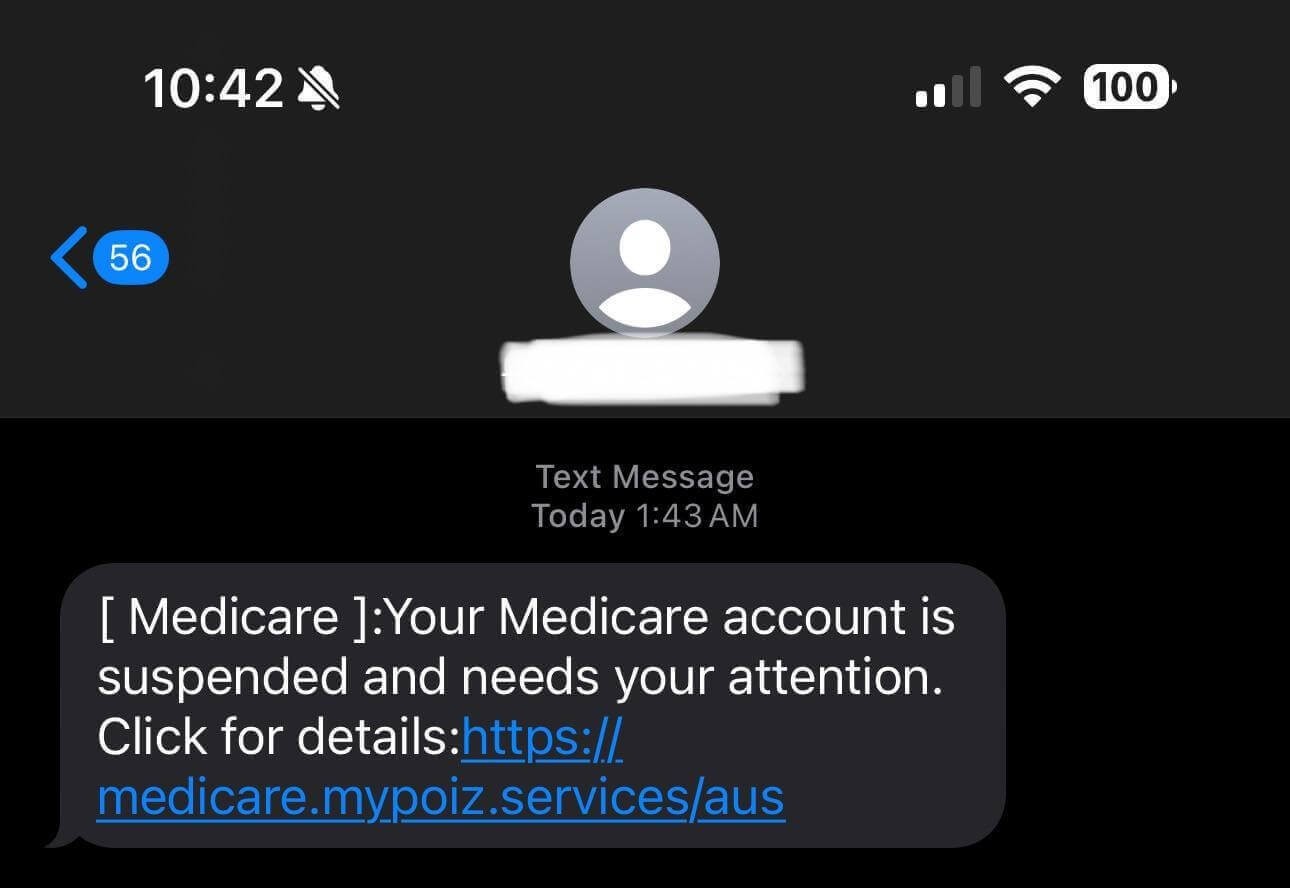
Medicare scams are sophisticated operations that leverage social engineering to bypass critical thinking. Scammers do not merely rely on one channel; they deploy a multi-faceted strategy that includes cold-calling, phishing emails, SMS messaging, and even highly targeted social media advertisements.
One of the most dangerous developments in recent years is the use of search engine advertising. Scammers create "mock-up" websites that mirror the aesthetics of official government portals or well-known insurance providers. By purchasing keywords on Google, they ensure their fraudulent sites appear at the top of search results when beneficiaries look for help with their plans. Once a user clicks, they are met with professional-looking logos and official-sounding language designed to build immediate trust.
The Weaponization of Urgency
The primary psychological trigger used in these scams is the concept of "false urgency." Because the December 7 deadline is a real and firm cut-off date, scammers use it as a psychological cudgel. They may claim that a beneficiary’s current coverage is being terminated, that they are eligible for a "special, one-time" premium reduction, or that they must act immediately to avoid losing critical benefits.

When a person feels stressed or threatened, their ability to process information logically diminishes. Scammers capitalize on this by pushing for immediate action, preventing the victim from pausing to verify the claims. Phrases like "your benefits are at risk" or "this offer expires in 24 hours" are designed to trigger a fight-or-flight response, forcing the victim to act before they have the chance to consult a trusted family member or an official source.
Chronology of a Fraudulent Interaction
To better understand how these schemes unfold, it is helpful to look at the typical progression of a scam, which often follows a predictable cycle:
- The Hook: The scammer initiates contact via a spoofed phone number, a deceptive email, or a fraudulent social media ad. They often claim to be a representative from "Medicare" or an affiliated "Specialist Agency."
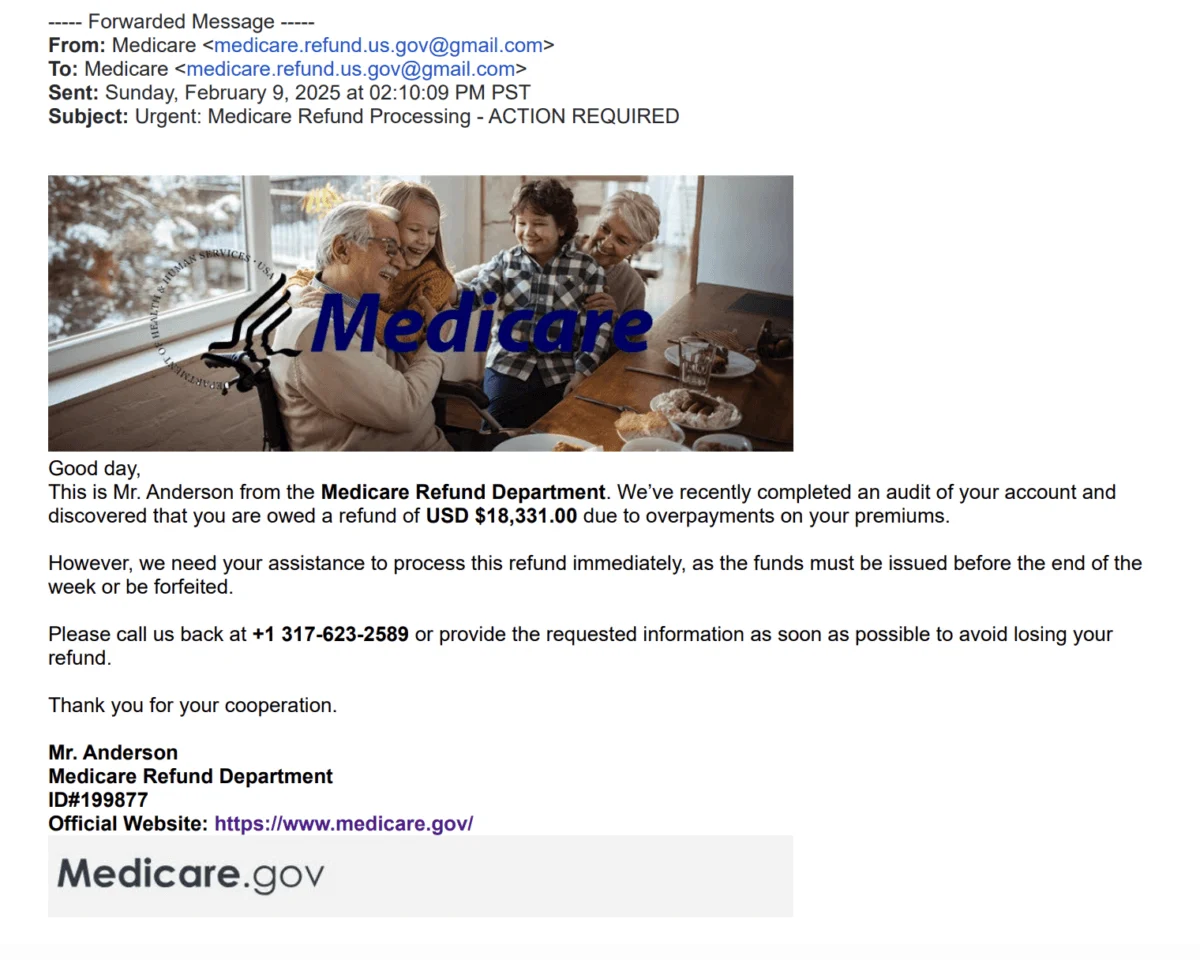
- The Social Engineering: The perpetrator establishes a rapport or creates a crisis. They may offer a "refund" on premiums, a new dental/vision benefit, or a warning about a pending account expiration.
- The Harvest: Once the victim is sufficiently concerned or excited, the scammer requests "verification" information. This is the moment of truth where they ask for Medicare ID numbers, Social Security numbers, bank account details, or medical history.
- The Disappearance: After the data is collected, the communication ceases. The victim is left with a sense of false security, while the scammer begins the process of monetizing the stolen information.
- The Monetization: In the background, the criminals either sell the data on the dark web or use it to file fraudulent claims, request expensive medical equipment, or commit identity theft.
Supporting Data: The Scale of the Crisis
The financial impact of healthcare fraud is staggering. In September 2026, the U.S. Treasury’s Financial Crimes Enforcement Network (FinCEN) released findings identifying approximately $17.5 billion in suspicious financial activity linked to healthcare fraud. This figure underscores that Medicare fraud is not merely a collection of isolated incidents; it is a massive, industrialized criminal enterprise.
The consequences for the individual are often severe. When a scammer uses your Medicare ID to bill for fraudulent services, they are not just stealing money; they are corrupting your medical records. If a criminal uses your identity to obtain prescription medication or medical procedures, your official health record may become permanently inaccurate. This can lead to future issues with your actual medical providers, complications with insurance eligibility, and a long-term, exhausting battle to "cleanse" your medical history of fraudulent entries.
The Mechanics of Data Misuse
Once a scammer has successfully obtained your information, the ways they exploit it are varied and devastating:
- Financial Identity Theft: Using your personal information to access existing bank accounts or open new, fraudulent lines of credit in your name.
- Medical Identity Fraud: Submitting claims for equipment (such as motorized wheelchairs or genetic testing kits) that you never ordered or received.
- Commission Fraud: Some scammers manipulate your enrollment into a different plan without your consent to collect an agent commission, effectively "hijacking" your policy.
- The Bureaucratic Nightmare: Perhaps the most taxing aspect of being a victim is the "administrative fallout." Victims often spend months or years navigating the complex bureaucracy of Medicare, the FTC, and their own insurers to rectify the damage done to their credit and medical records.
Identifying the Red Flags: A Practical Guide
Distinguishing a legitimate call from a scam is essential. While genuine insurers may contact you, they will never use high-pressure tactics.
Key Indicators of a Scam:
- Unsolicited Contact: If you didn’t reach out to them first, treat the contact with extreme suspicion.
- Requests for Sensitive Info: Official Medicare representatives already have your information. They will never call you to ask for your Social Security number or bank details over the phone.
- The "Too Good to Be True" Offer: If someone is promising free services, cash rebates, or benefits that seem to deviate from standard policy, it is almost certainly a trap.
- Pressure Tactics: Any attempt to force you into making a decision "right now" is a major warning sign.
What a Legitimate Interaction Looks Like
A genuine representative will be transparent. They will identify their company clearly, explain the reason for the call, and—crucially—allow you to hang up and call them back on an official, verified phone number. If they refuse to provide a way to verify their identity or become aggressive when you ask for time to consider your options, you are likely speaking to a scammer.
Steps to Take If You Are Victimized
If you realize you have handed over sensitive information, do not panic, but act immediately:
- Contact Medicare: Call 1-800-MEDICARE (1-800-633-4227) to report the incident. They can help monitor your account for fraudulent activity.
- Report to the FTC: File a report at ReportFraud.ftc.gov. This data is essential for law enforcement to track these syndicates.
- Secure Your Financials: If you provided bank or credit card information, contact your financial institution immediately to freeze accounts or cancel compromised cards.
- Monitor Your Records: Review your "Medicare Summary Notice" (MSN) or your Explanation of Benefits (EOB) for any services you do not recognize.
- Change Passwords: If you provided credentials for any online portal, update those passwords immediately across all platforms where you use the same credentials.
- Avoid Recovery Scams: Be wary of individuals who call you after you have been scammed, claiming they can "get your money back" for a fee. These are often the same criminals returning for a second round of fraud.
Conclusion: Vigilance as Your Best Defense
Medicare Open Enrollment is a necessary annual process, but it requires a high degree of digital and telephonic hygiene. Your health is your most valuable asset, and your medical identity is the key to protecting it. By slowing down, verifying every request, and refusing to be rushed, you can ensure that the Open Enrollment period remains a time for securing your health, rather than a gateway for those looking to compromise it.
Always remember: if a request feels wrong, trust your gut. The legitimate Medicare process is designed to serve you, not to pressure you into a corner. When in doubt, hang up and call 1-800-MEDICARE directly.