










Maintaining operational excellence is the hallmark of every successful digital publisher. Whether you are managing a boutique newsletter or a global media brand, the challenge remains the same: how to keep your "ducks in a row" while juggling content creation, audience growth, technical maintenance, and creative strategy. For many, the answer to this chaos isn’t a complex, expensive project management suite, but rather the humble, time-tested checklist.
In the high-stakes world of modern digital media, where consistency is the primary currency of trust, checklists serve as the architectural blueprint for reliability. By codifying processes into repeatable steps, publishers can eliminate the cognitive load of routine tasks, ensuring that every piece of content meets a gold standard of quality.
The Science of the List: Why Industry Titans Rely on Simplification
The utility of a checklist extends far beyond grocery shopping or holiday planning. In professional environments—ranging from aviation to neurosurgery—checklists are recognized as vital safety tools. As Dr. Atul Gawande famously argued in The Checklist Manifesto, the complexity of modern work often outstrips the capacity of human memory.

For publishers, the "flight" is the publishing cycle. A single error—a broken link, a missing image alt-tag, a typo in a subject line, or a misconfigured call-to-action—can undermine the professionalism of a brand. By adopting pre-publishing and post-publishing checklists, creators can transform high-stress, error-prone workflows into systematic, frictionless routines.
The Anatomy of a Successful Workflow
A truly effective publishing checklist is divided into distinct phases:
- Ideation and Drafting: Verification of research accuracy and alignment with editorial voice.
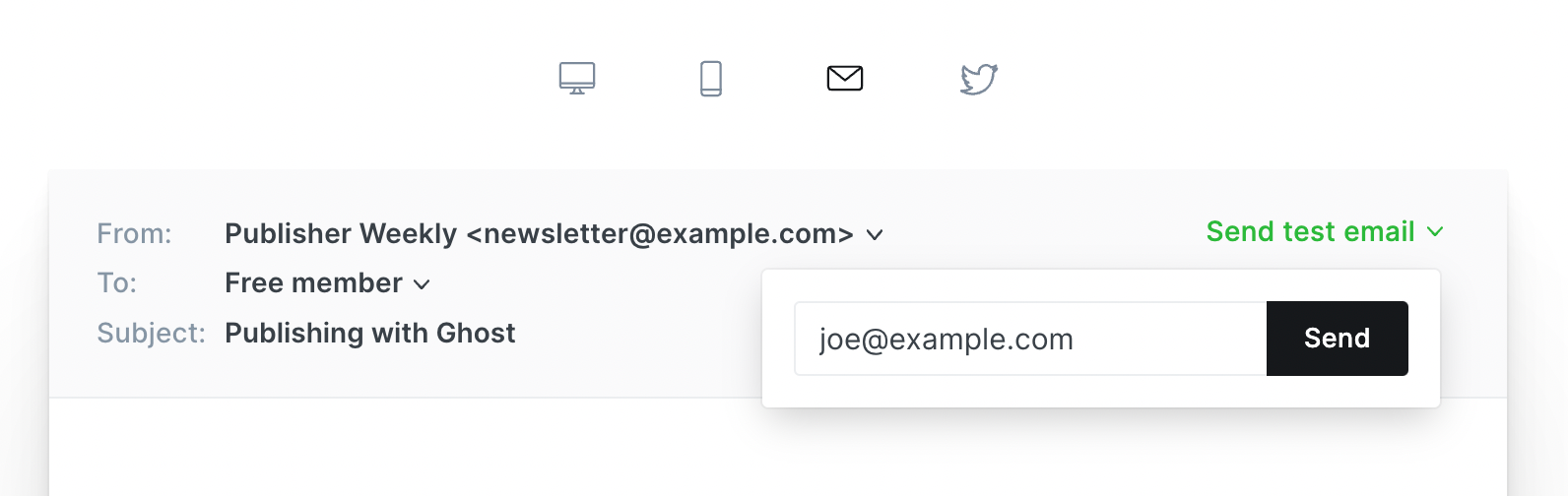
- The "Dry Run" (Pre-Publishing): Sending test emails to ensure rendering consistency across various devices and mail clients.
- The Deployment: Final checks on links, metadata, and accessibility requirements.
- Post-Publishing Analysis: Monitoring engagement metrics, responding to early reader feedback, and ensuring automated archival processes are functioning correctly.
A Curated Guide to Task Management Ecosystems
Choosing the right digital "home" for your checklists is just as important as the content of the lists themselves. If the tool feels cumbersome, the habit will not stick. According to industry analysis, the most successful creators leverage apps that integrate seamlessly into their existing daily workflow.

1. For the Minimalist: Todoist
Todoist remains a gold standard for those who value a balance between power and simplicity. Its natural language processing capabilities allow users to quickly dump ideas into a list, while its cross-platform availability ensures that your tasks are accessible whether you are at your desk or on the move.
2. For the Power User: Notion
Notion has redefined the "all-in-one" workspace. For publishers managing teams, Notion’s database functionality allows for the creation of intricate, linked checklists that can be shared, edited, and tracked in real-time. It is the premier choice for organizations that require a marriage of documentation and task execution.
3. For the Ecosystem Loyalists
- Microsoft To Do: The optimal choice for Windows-heavy environments, offering deep integration with the Outlook suite.
- Apple Reminders: Often overlooked, this native app has evolved into a robust tool that leverages the power of Siri and location-based triggers, making it ideal for the solo creator who wants a "zero-friction" experience.
- Google Tasks: For the publisher whose life revolves around Gmail and Google Calendar, having tasks reside in the side-panel of their inbox ensures that no administrative detail is ever lost in the shuffle of daily correspondence.
4. For the Specialized Workflow: Things & Any.do
- Things: Celebrated for its exquisite UI/UX design, this app is the choice for those who view task management as a craft. It offers a more structured, disciplined approach to day-planning.
- Any.do: Designed for the high-velocity creator, this app prioritizes speed. It is built for those who need to capture a fleeting thought and assign it a due date in under five seconds.
The Implications: Mental Health and Professional Longevity
Beyond the operational benefits of consistency and error reduction, there is a profound psychological impact to maintaining a structured checklist.
Reducing Cognitive Clutter
The human mind is designed for generating ideas, not storing them. When a publisher attempts to hold the "what, when, and how" of a newsletter in their working memory, they invite anxiety. A checklist acts as an "external brain," allowing the creator to offload the mental burden. By clearing this clutter, the mind is freed to focus on high-level creative work rather than the mundane logistics of the publishing process.
The Power of the "Done" State
There is a physiological reward associated with the act of checking a box. This micro-win releases a small hit of dopamine, which serves as a powerful motivator. In a field like content creation, where results can sometimes take months to manifest, the ability to see daily progress is essential for preventing burnout.
Cultivating Discipline
Professionalism is defined by the ability to perform at a high level even when motivation is low. Checklists remove the need to "feel like" doing a task. When the process is written down, the barrier to entry is lowered significantly. You don’t need to be inspired to follow a checklist; you simply need to execute the next step.

Sustaining the Business: A Strategic Approach
Industry data suggests that the most successful publications are not those that produce the most content, but those that maintain the highest level of reliability. Readers form habits around your publishing schedule. When you hit "send" on time, every time, and the quality is consistently high, you build a foundation of trust that is difficult for competitors to displace.
Scaling Your Workflow
As your publication grows, your checklists should evolve. What starts as a simple list of five items may eventually grow into a comprehensive "Standard Operating Procedure" (SOP) that you can hand off to an editor, a virtual assistant, or a new team member. By building these systems early, you are not just managing your current tasks—you are building the infrastructure for a scalable business.
Balancing Work and Play
It is a common pitfall to become a slave to one’s own systems. To maintain long-term success, it is vital to apply the same rigor to your downtime as you do to your editorial calendar. Include "personal" tasks in your lists—such as scheduled breaks, time for deep reading, or periods of unplugged recreation. This ensures that you are protecting your most valuable asset: your creative energy.

Conclusion: The Path Forward
Whether you are a solo writer launching your first newsletter or an established media entrepreneur, the path to sustained growth is paved with consistency. The checklist is not a constraint; it is a liberating tool that clarifies your priorities, reduces your stress, and ensures that every piece of content you produce is a reflection of your best work.
Start small. Tomorrow, don’t just write your content; document the process of getting it from idea to publication. Identify the "friction points" where you most often make mistakes or feel overwhelmed, and create a checklist specifically for those moments. Once you have built the habit of relying on your lists, you will find that the chaos of the publishing world becomes far more manageable.
The goal is not to be a machine, but to use the efficiency of a machine so that you can remain entirely human—creative, focused, and ready to engage with your audience. Cross it off, check it twice, and watch your publication grow.



