










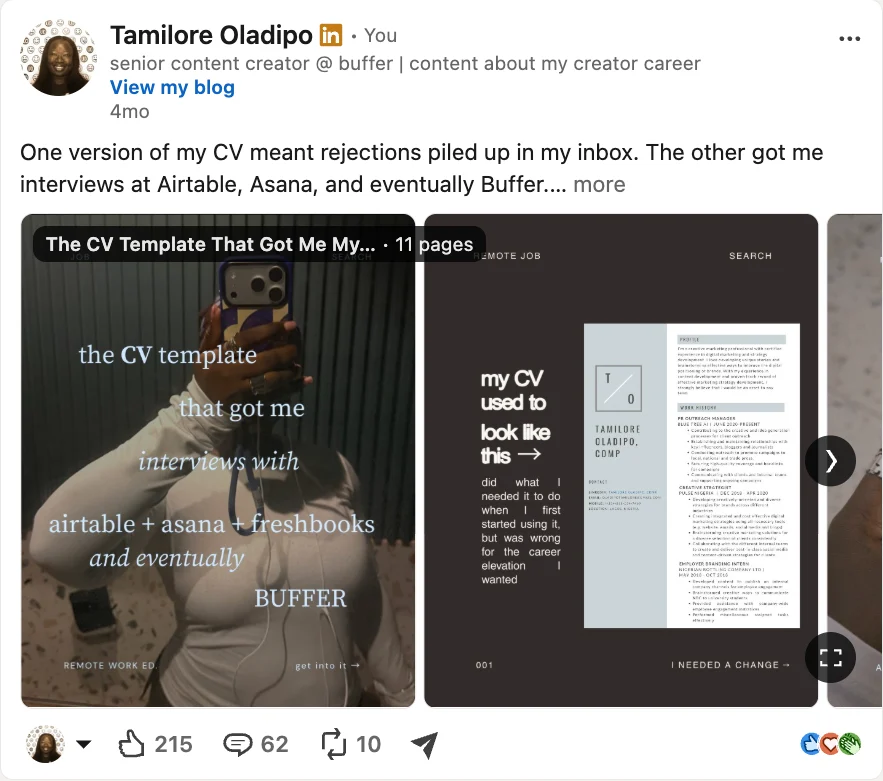
LinkedIn remains a premier digital ecosystem for building a professional audience from scratch. Eschewing paid advertisements, follower-buying services, or dubious growth hacks, organic optimization is proving to be the most sustainable method for establishing digital authority.

Recent data underscores this momentum. According to the State of Social Media Engagement report—which analyzed 52 million posts across 10 platforms—LinkedIn registered the highest median engagement rate of any evaluated platform, hovering at approximately 6.2%. Furthermore, intelligence tracking by Profound identifies LinkedIn as the most-cited website in artificial intelligence search engines for professional inquiries. When users query tools like ChatGPT about specialized industries, it is user-generated LinkedIn posts that increasingly provide the foundational data.
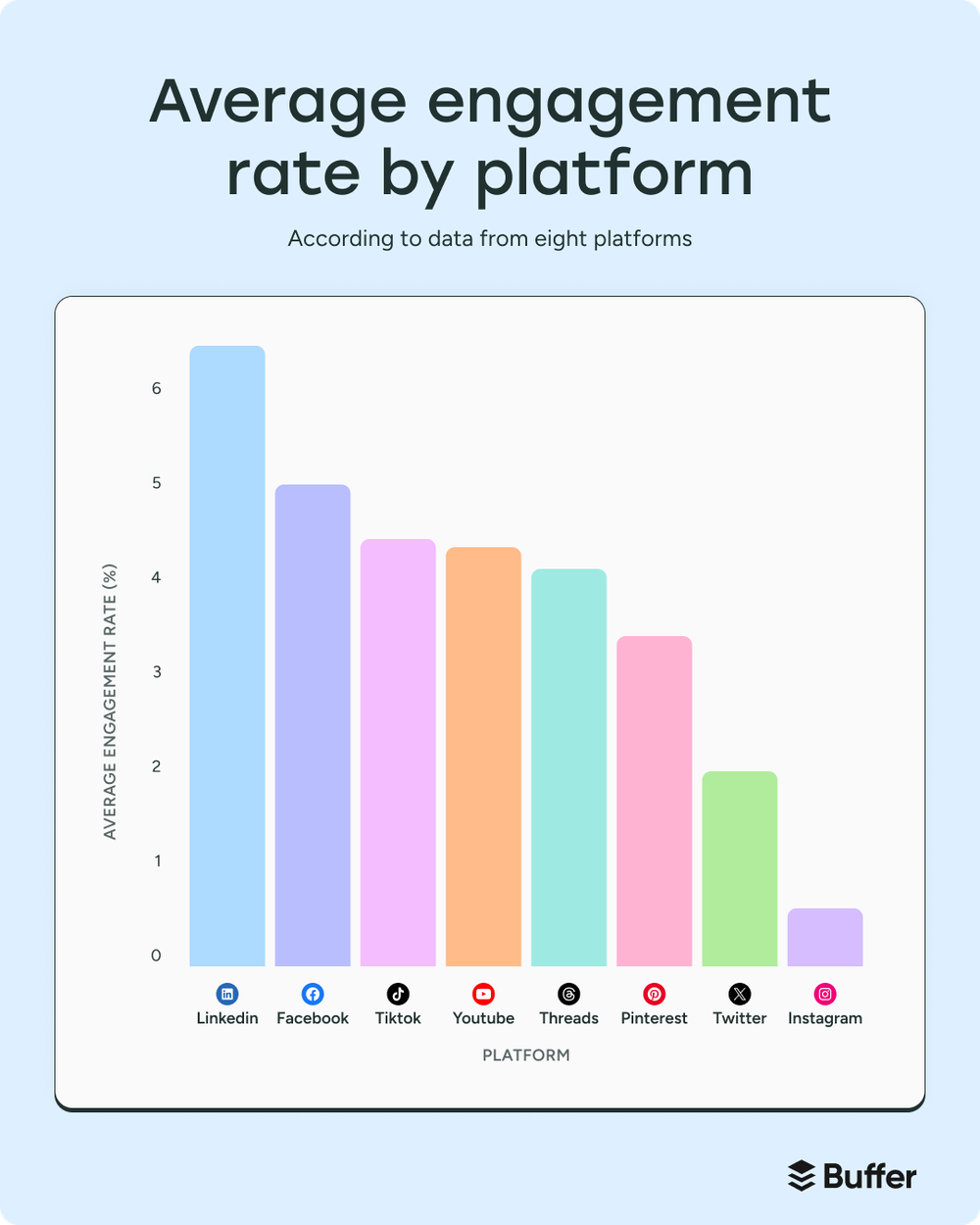
For individuals and enterprise brands alike, the platform offers unprecedented leverage. A smaller, highly targeted following that actively engages yields far greater professional returns than a massive, passive audience.
Chronology of Platform Evolution and Algorithmic Shifts
Understanding LinkedIn’s current landscape requires examining its recent structural changes:
- March 2024: LinkedIn officially retired its "Creator Mode" toggle. Crucial features previously locked behind this mode—such as newsletters, creator analytics, and the standalone Follow button—were democratized and made available to all members globally.
- August 2025: Access to LinkedIn Newsletters was expanded to every registered member, removing previous follower minimums (company pages retained a threshold of 150 followers). Concurrently, monthly company page invitation credits were reduced from 250 to 50.
- Early 2026: LinkedIn engineers published a landmark technical paper detailing the mechanics of a newly reconstructed, LLM-powered feed.
- March 2026: The platform rolled out a complete rebuild of its feed architecture, utilizing GPU-powered AI ranking models designed to interpret post context and update user interests within minutes.
- June 2026: LinkedIn introduced native collaborative posts, allowing multiple members or company pages to co-author single entries. Additionally, live-streaming policies were updated to mandate that all LinkedIn Live broadcasts must be scheduled as official events in advance.
- July 2026: Responding to a surge in synthetic content, LinkedIn introduced a "Seems like AI slop" reporting mechanism. Over one million users utilized the feature within its first two weeks, resulting in a documented 40% reduction in visibility for flagged posts, while the platform simultaneously replaced its automated "Enhance your post" feature with a basic proofreader.
Supporting Data: What the Metrics Reveal
Empirical research from social media management platforms provides definitive insight into high-performing formats and tactical behaviors:
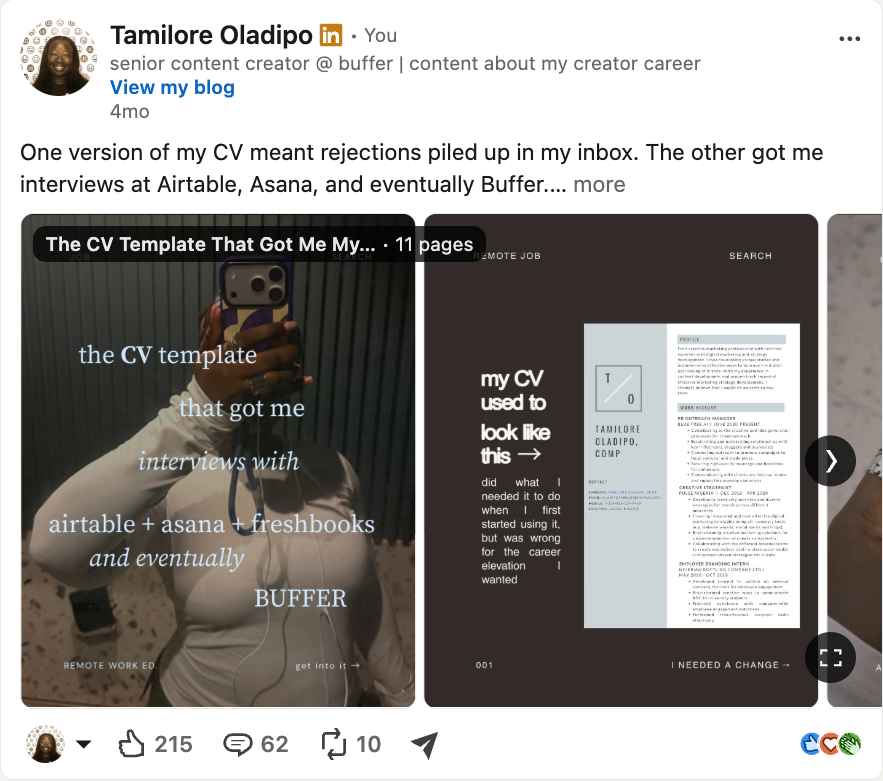
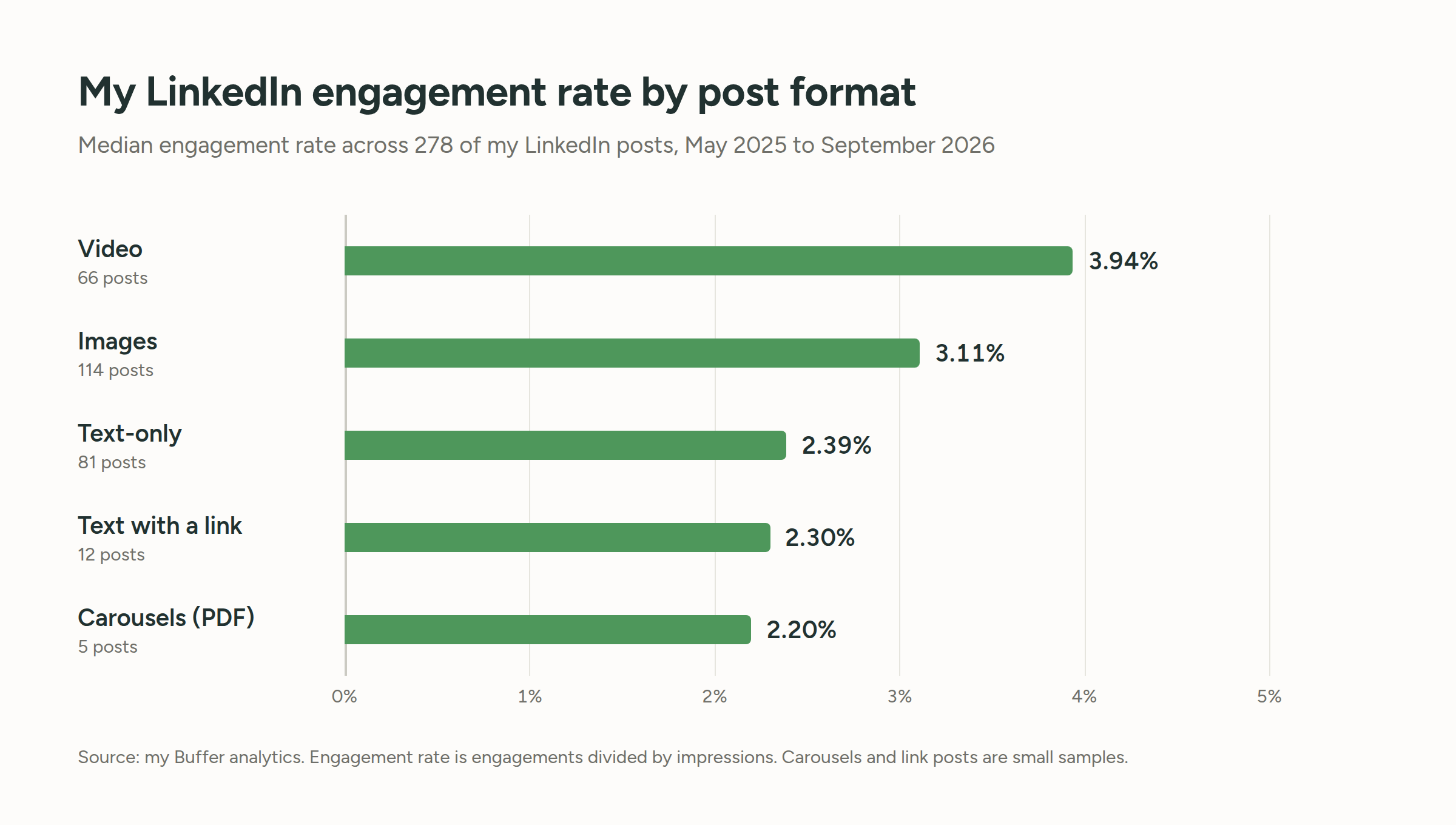
- Content Formats: An analysis of 52 million posts indicates that carousels (PDF document uploads) dominate median engagement rates at 21.77%. Video follows at 7.35%, images at 6.52%, link posts at 3.81%, and text-only formats register 3.18%.
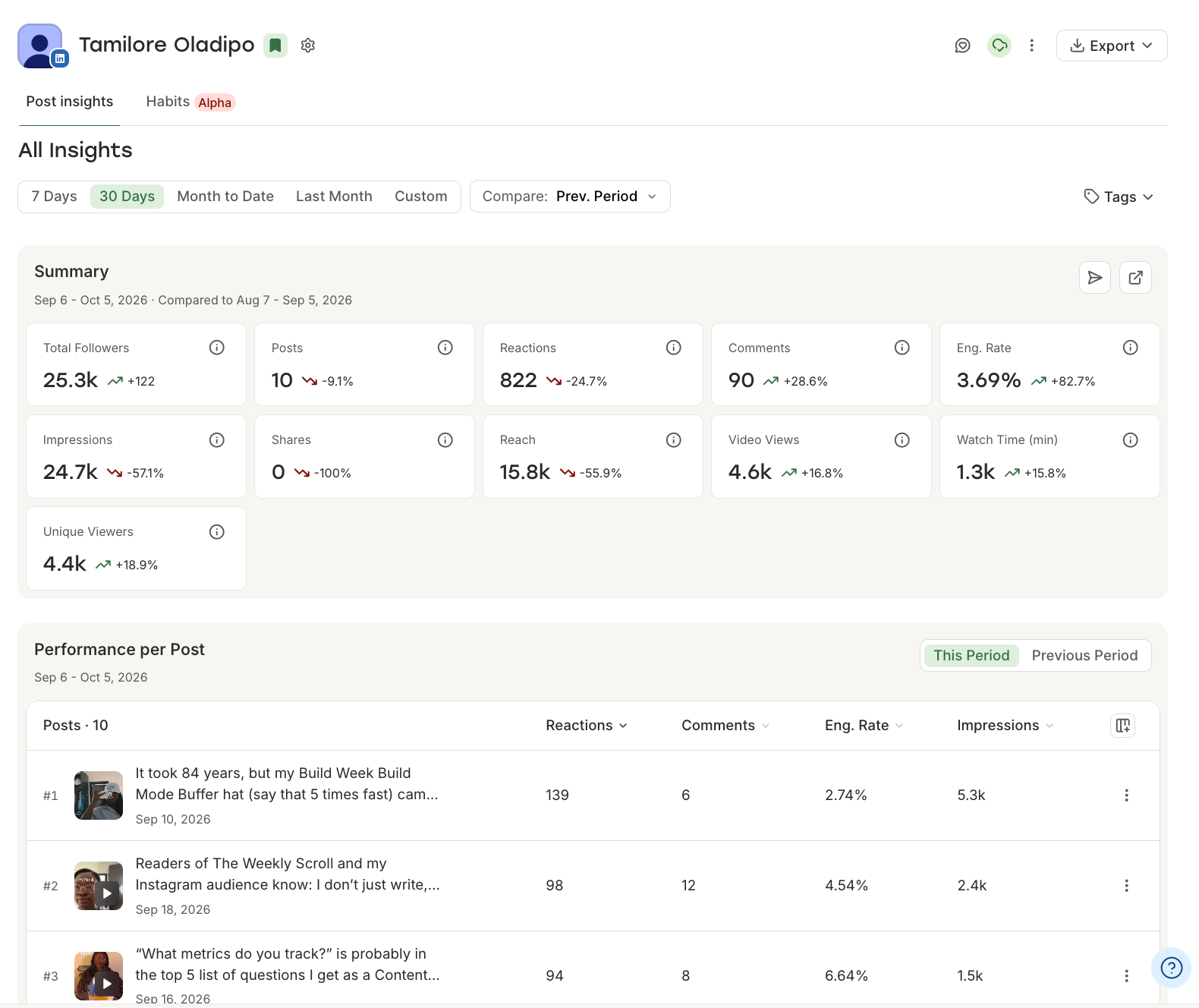
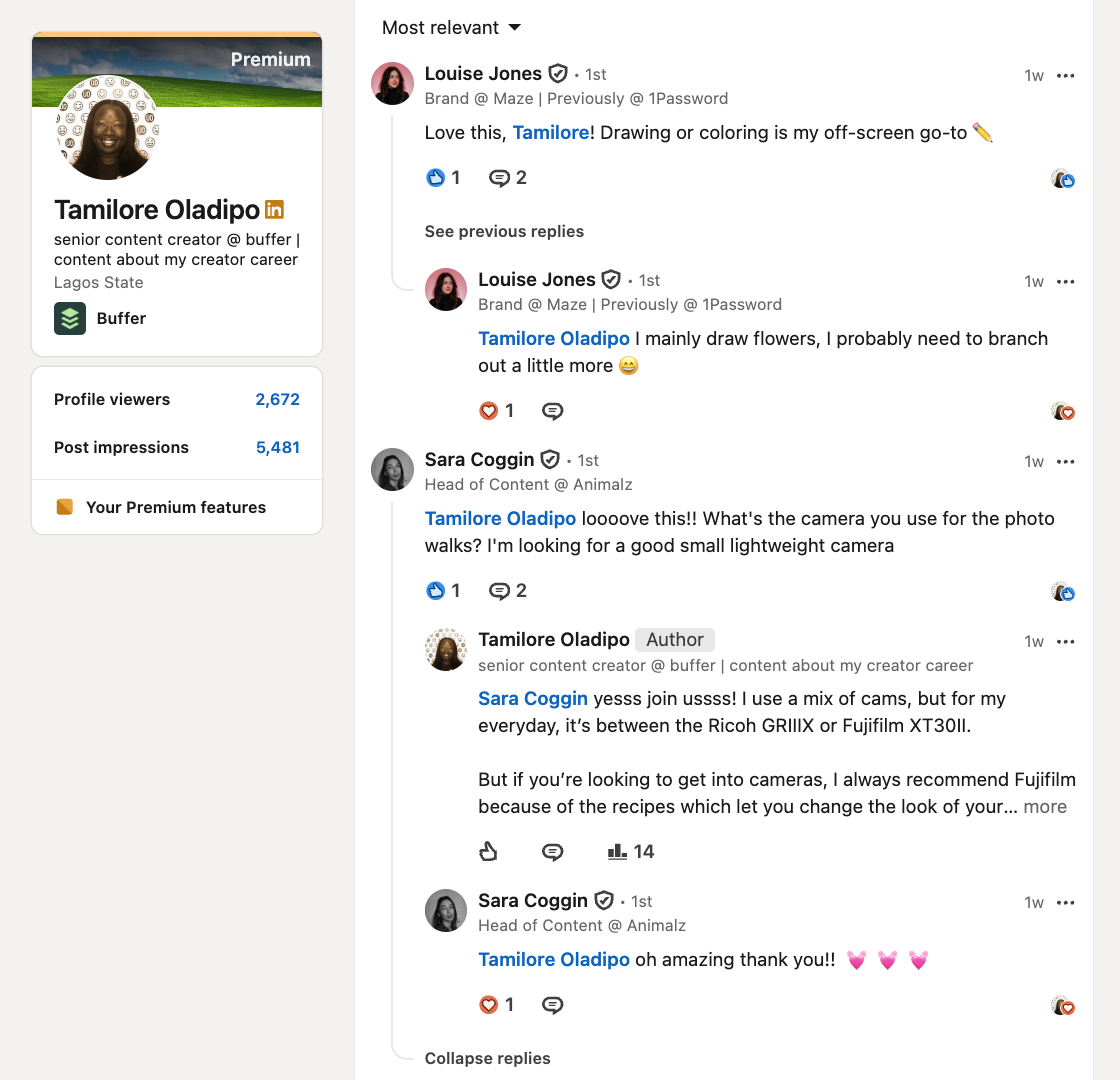
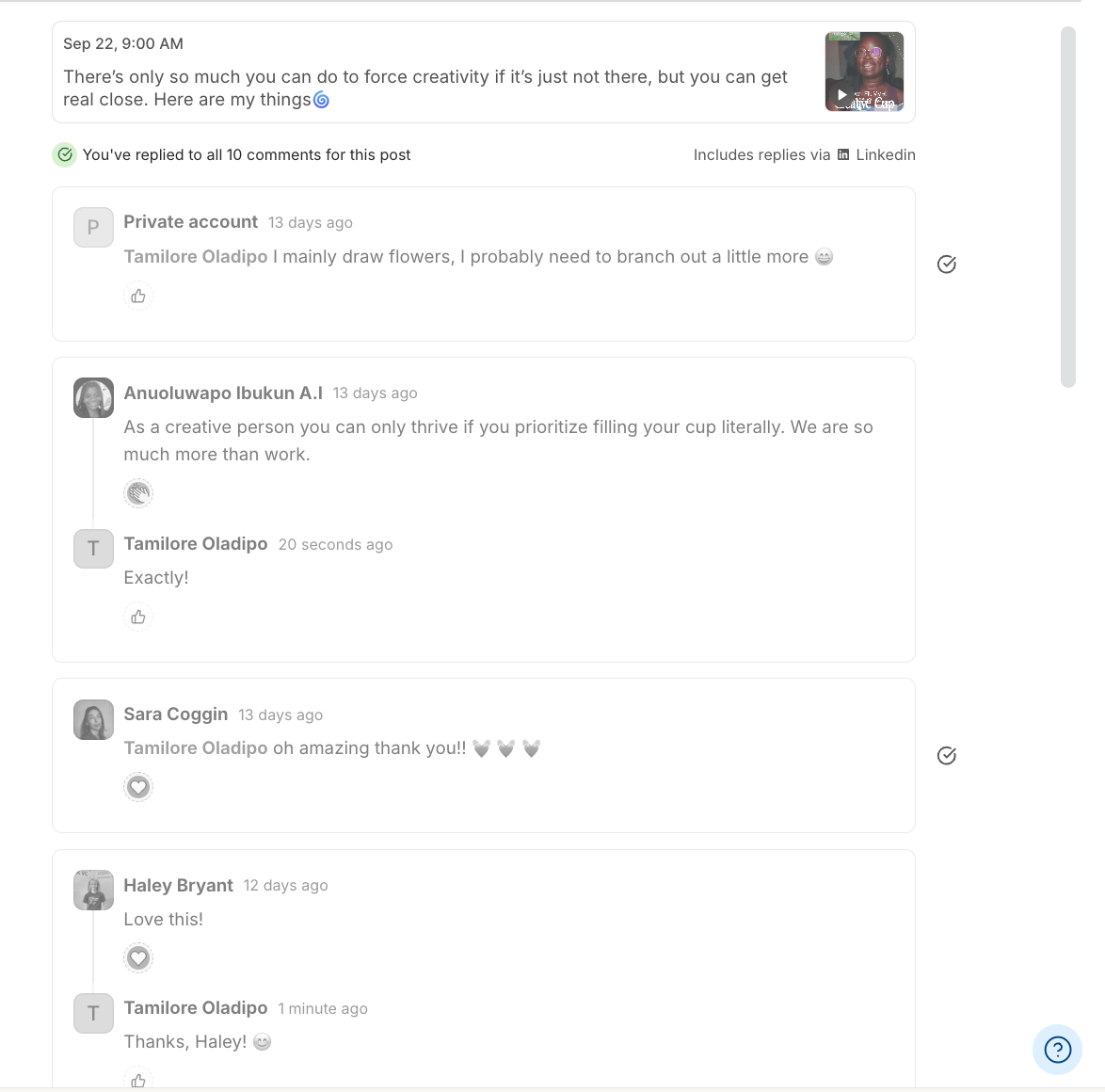
- The Comment Multiplier: Engaging with audience feedback elevates overall metrics. Data shows that replying to comments lifts platform-wide engagement by approximately 30%, with roughly 83% of profiles experiencing measurable performance improvements.
- Posting Frequency: Accounts publishing between two and five times weekly average roughly 1,182 more impressions per post than weekly publishers. Those publishing 11 or more times weekly see increases of nearly 17,000 impressions per post alongside triple the engagement volume.
- Company Pages vs. Personal Profiles: Research highlights a widening gap between entity types. Personal profiles average roughly 63% higher engagement than corporate company pages, and organic reach for company pages declined by 60% to 66% leading into 2026.
Official Responses and Platform Policies
Platform leadership has maintained continuous dialogue regarding how content is distributed and surfaced.
Regarding external links, Rishi Jobanputra, Senior Director of Product Management at LinkedIn, confirmed that the algorithm does not explicitly penalize URLs. However, empirical findings show that posts featuring link previews receive roughly 28% fewer impressions and 44% fewer engagements. This disparity stems from user behavior: because the feed prioritizes "long dwell time"—keeping users on the platform—content that diverts traffic naturally sees reduced reach.
On the topic of artificial intelligence, LinkedIn’s rapid deployment of the "AI slop" reporting tool signals an aggressive stance against unedited, automated text generation. Platform executives emphasize that authenticity and original perspective remain core to algorithmic distribution.
Implications for Creators, Founders, and Enterprises
1. Profile Optimization as a Conversion Funnel
A visitor typically evaluates a profile before deciding to follow. Optimizing this digital storefront requires minimal time but yields compounding returns:
- Switch to Follow: Navigate to Settings & Privacy > Visibility > Visibility of your LinkedIn activity > Followers and enable "Make follow primary." This replaces the restrictive "Connect" button with a one-tap follow mechanism.
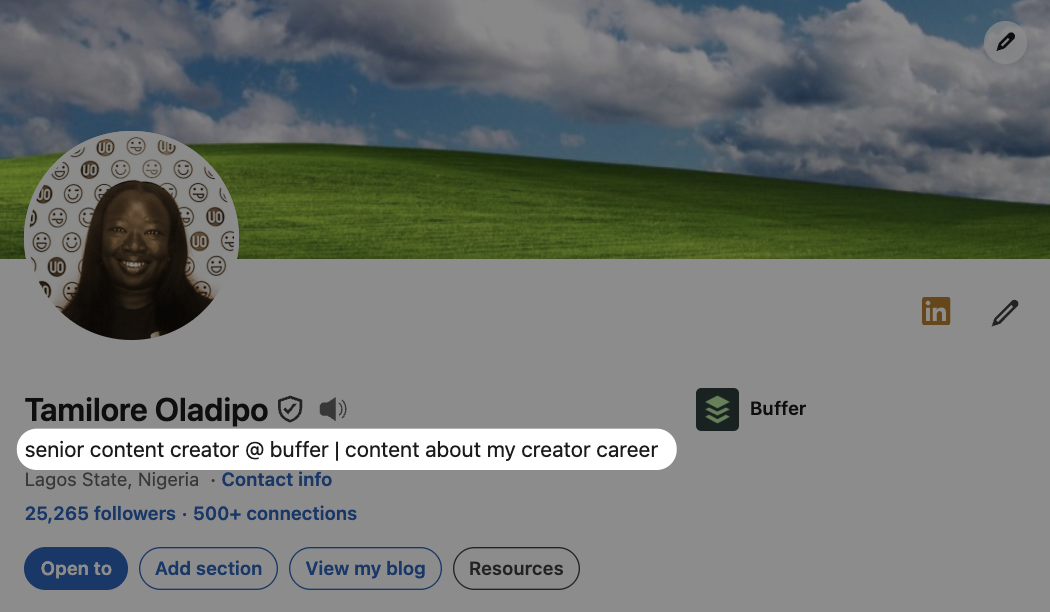
- Architectural Headlines: Avoid empty job titles. Use a formula combining your functional role with the exact value proposition you deliver (e.g., Role + Target Audience/Topic). Keep critical keywords within the first 60–70 characters for search engine optimization (SEO).
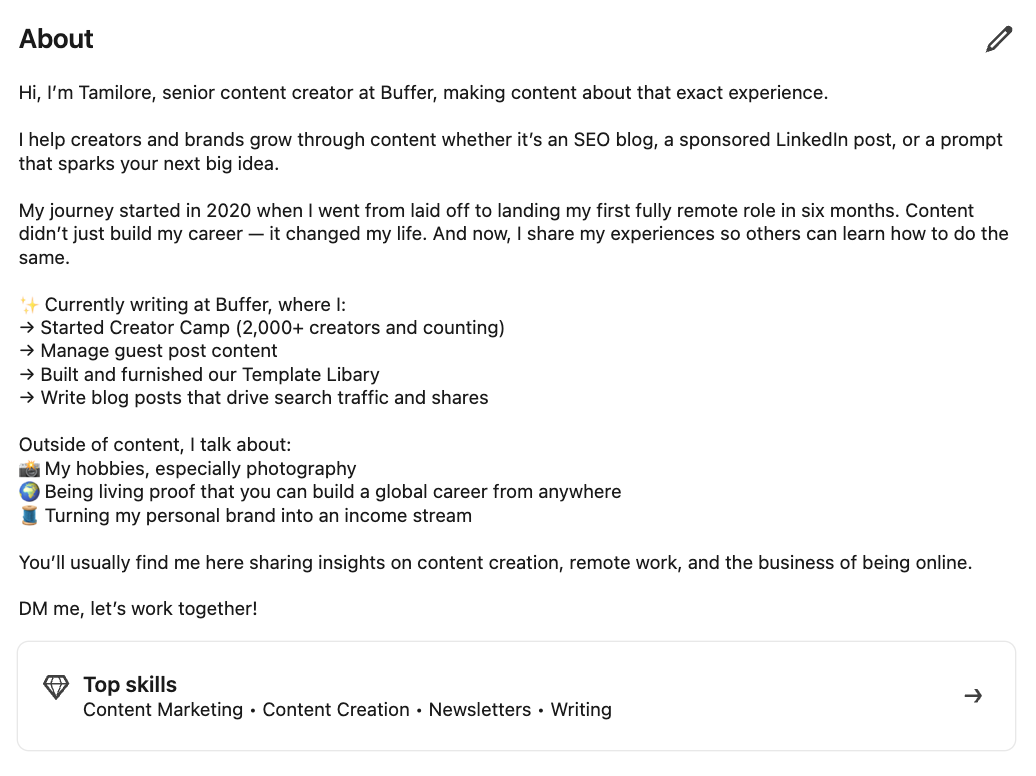
- The About Section: Utilize the initial 300 characters to hook readers before the "see more" truncation, sharing a concise narrative of your professional journey and content pillars.
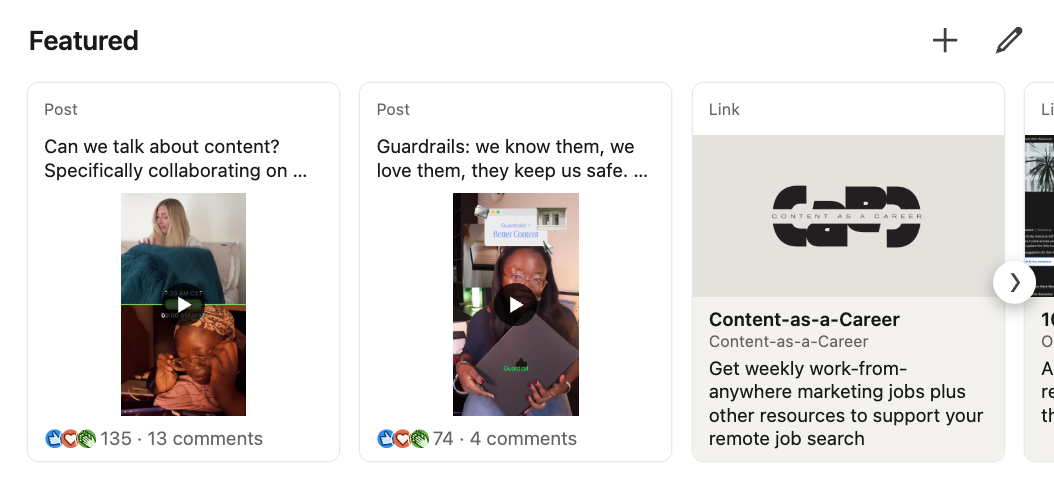
- Featured Section Real Estate: Pin your highest-performing assets, lead magnets, media appearances, or active brand partnerships directly beneath the About section.
2. Content Strategy and Algorithmic Alignment
To satisfy the 2026 AI-driven ranking model, content must be hyper-focused and engaging:
- Niche Down: Identify three to five core pillars that define your expertise. A focused network of 8,000 targeted followers consistently outperforms a scattered network of 80,000 unsegmented users.
- Hook Engineering: With attention spans compressed, opening lines dictate success. Narrative-driven and contrarian hooks outperform generic question-based openers.
- Zero-Click Design: Keep context native. Provide complete value within the post itself rather than relying on external outbound links that disrupt user dwell time.
3. Community Building and Collaborative Scaling
Growth is fundamentally conversational. Dedicating time to reply thoughtfully to every comment within the initial publishing window signals algorithmic vitality. Furthermore, leveraging the newly introduced native collaboration features allows creators and corporate entities to pool networks legitimately, bypassing the steep reach penalties currently impacting traditional company pages.
Conclusion
Building an audience on LinkedIn does not require viral luck or financial investment. By combining profile optimization, consistent multi-format publishing—anchored heavily by document carousels—and active community engagement, professionals can successfully build an influential, highly engaged digital presence from the ground up.



