By Investigative Desk | Updated: June 22, 2026
In an era dominated by vibrant, distraction-heavy smartwatches and constant notification pings, Google has made a bold, counter-intuitive move. With the launch of the Fitbit Air, the tech giant is stripping away the display to refocus the wearable industry on its original purpose: silent, intelligent, and unobtrusive health optimization. Having already made significant waves across the United States, Europe, and Australia, the device is now poised for a high-profile entry into the Indian market, signaling a shift in how consumers view their relationship with personal data.
The Core Philosophy: A Screenless Approach
For years, the industry trend has leaned toward “more”—more screen real estate, more apps, more complexity. The Fitbit Air rejects this trajectory. By removing the screen, Google has created a device that prioritizes what the company calls "ambient health."
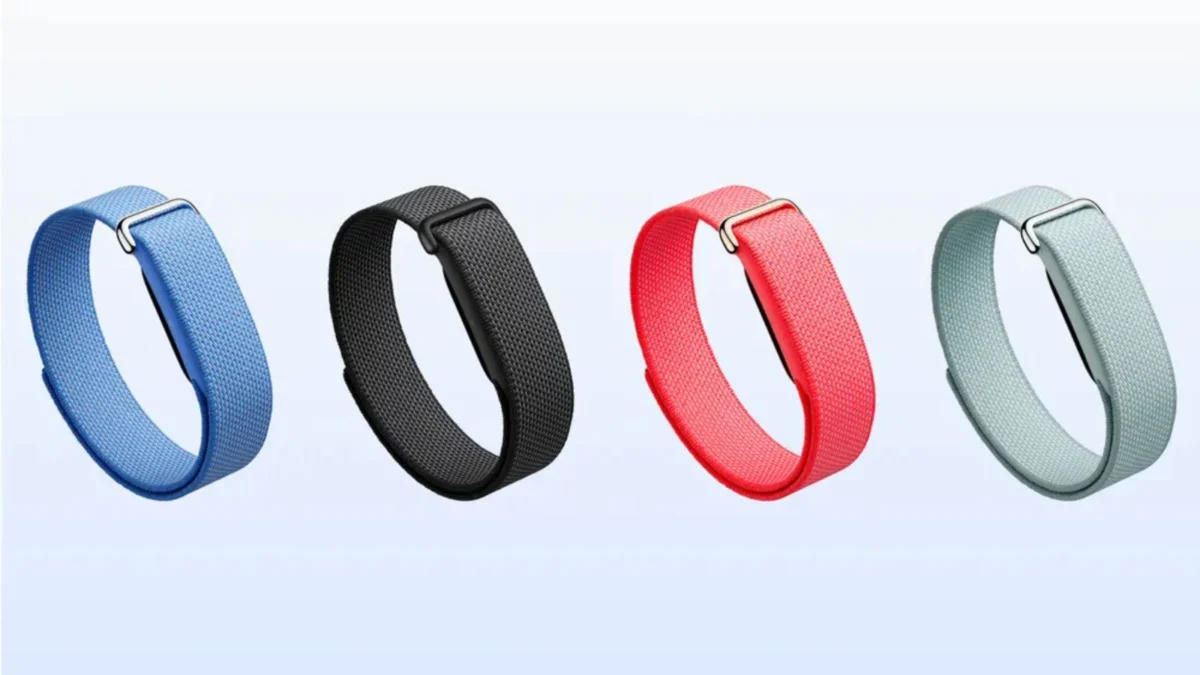
Resembling the minimalist aesthetics of competitors like Whoop, the Fitbit Air is designed to be a permanent fixture on the wrist, operating entirely in the background. Weighing a mere 12 grams with the strap (and an astonishing 5.2 grams for the sensor module alone), it is practically imperceptible to the wearer. This design choice is aimed squarely at the "wearable fatigue" demographic—users who want the rigorous data insights of a premium tracker but find the bulk and social interruptions of a traditional smartwatch burdensome.
Chronology: From Concept to Global Rollout
The path to the Fitbit Air has been a calculated evolution of Google’s health ecosystem.
- Q4 2025: Internal leaks from the Google hardware division first hinted at "Project Air," a low-power, sensor-heavy wearable intended to complement the Pixel Watch rather than replace it.
- May 2026: Google officially unveils the Fitbit Air, highlighting its integration with Gemini, the company’s flagship AI model.
- June 2026: The device sees a staggered global release, hitting shelves in North America, the UK, and Australia to largely positive critical reception.
- Mid-June 2026: The device appears on the Bureau of Indian Standards (BIS) certification database. This regulatory milestone is widely viewed as the final hurdle before an official commercial launch in the Indian subcontinent.
Gemini-Powered Health Coaching: The Intelligence Layer
The most transformative feature of the Fitbit Air is not its physical design, but the "brain" behind it. Through the Google Health Premium subscription, users gain access to a personal wellness assistant powered by Gemini.
Unlike standard fitness apps that provide static graphs, the Fitbit Air’s AI coach is conversational and contextual. It synthesizes longitudinal data—sleep quality, HRV (Heart Rate Variability), workout intensity, and recovery status—to offer actionable advice. For example, if the device detects three days of poor sleep combined with high-intensity training, the Gemini assistant might preemptively suggest a "rest day" or a low-impact yoga session, complete with a tailored workout plan. This marks a transition from data collection to data application.
Supporting Data: The Technical Specifications
The Fitbit Air is engineered for endurance and precision, catering to both the casual user and the elite athlete.
Advanced Health Metrics
- Heart Health: The device offers 24/7 continuous heart-rate monitoring, including resting heart rate (RHR) and heart-rate variability (HRV). It also features advanced AFib (atrial fibrillation) detection and blood oxygen (SpO2) monitoring.
- Sleep Optimization: Beyond simple tracking, the "Smart Wake" feature monitors sleep cycles and movement patterns to gently rouse the user with haptic vibrations during their lightest sleep phase, preventing the grogginess associated with waking during deep sleep.
- Activity Tracking: Through "Active Zone Minutes" and "Cardio Load" metrics, the Air provides a granular look at cardiovascular performance. It also supports live data streaming to compatible gym equipment, allowing users to see their heart rate on external displays while training.
Battery and Durability
Google claims a seven-day battery life, a significant feat given the constant sensor polling. The fast-charging capability is equally impressive: a five-minute charge provides 24 hours of operational time, addressing the common pain point of having to leave a tracker off the wrist for extended periods. The device is water-resistant up to 50 meters, ensuring it survives swimming, sweat, and showers.
Ecosystem Synergy: The Pixel Watch Companion
A common misconception is that the Fitbit Air is intended to compete with the Pixel Watch. Google has clarified that the two devices are intended to function in tandem. Users can wear the Pixel Watch for its smart features (calls, maps, NFC payments) during the day and switch to the Fitbit Air for its superior comfort and unobtrusive profile during sleep or intense athletic training.
The Google Health platform acts as the bridge, ensuring that health data remains seamless regardless of which device is currently on the wrist. Setup is handled via Google’s "Fast Pair" on Android, while cross-platform support extends to iOS 16.4 and newer, ensuring the device remains accessible to a broad user base.
Official Responses and Market Strategy
While Google has remained tight-lipped regarding specific dates for the Indian release, the presence of the device in the BIS database speaks volumes.
“We are constantly evaluating the global footprint of our health ecosystem,” a Google spokesperson stated during the recent quarterly update. “The interest from the Indian market has been phenomenal. While we have no specific timeline to share today, we encourage our Indian users to keep a close eye on the Google Store for updates.”
Industry analysts suggest that a price point between ₹12,000 and ₹14,000 would make the device highly competitive in India. At this tier, it occupies a unique "premium minimalist" space, positioning it as an upgrade for those currently using entry-level fitness bands but who are not ready to commit to a full-blown, high-cost smartwatch.
Implications: The Future of Wearables
The success of the Fitbit Air could fundamentally alter the wearable industry. By proving that consumers are willing to pay for a device without a screen, Google is betting that the future of fitness is not in our faces, but in the background.
- Normalization of AI Coaching: The integration of Gemini suggests that the hardware itself is secondary to the software intelligence. The "AI-first" approach is likely to become the industry standard.
- Health-as-a-Service: By leaning into the Google Health Premium subscription, Google is securing recurring revenue streams, shifting the business model from one-time hardware sales to long-term health engagement.
- The Death of “Distraction Tech”: The screenless trend may force other manufacturers to reconsider their feature sets. If users favor the Fitbit Air’s simplicity, we may see a decline in the "mini-smartphone on the wrist" philosophy in favor of specialized, high-accuracy health sensors.
As India prepares for the arrival of the Fitbit Air, the market is set to experience a shift toward more intentional, data-driven living. Whether this device becomes a staple for the modern, health-conscious Indian consumer remains to be seen, but one thing is certain: Google has successfully moved the goalposts for what a wearable should be. The future of fitness isn’t just smart; it’s invisible.