







By Editorial Staff
September 23, 2026
In the rapidly evolving landscape of digital streaming, the challenge is no longer access—it is curation. With over 300 million songs and an ever-expanding universe of podcasts, the modern listener often suffers from “paradox of choice” fatigue. YouTube Music, under the stewardship of Senior Director of Product Management T. Jay Fowler, is aiming to dismantle this barrier. Following the recent "Made on YouTube" summit, the platform has announced a suite of AI-driven features designed to transform the app from a passive library into an active, conversational discovery engine.
The Evolution of Discovery: Main Facts and Strategic Shifts
At the heart of the latest update is a fundamental shift in how users interact with their audio libraries. YouTube Music is moving beyond simple algorithmic recommendations, which rely on historical playback data, toward a more generative, intent-based discovery model.
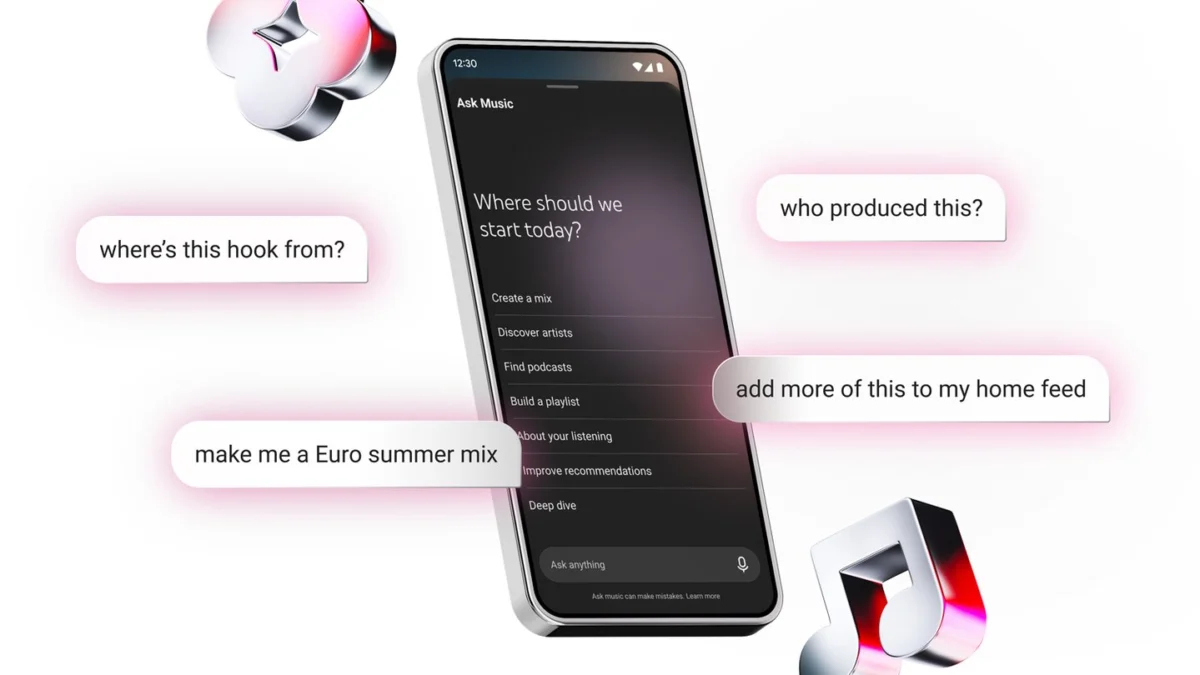
The marquee feature, Ask Music, represents a significant leap forward. Integrated directly into the YouTube Music ecosystem, this conversational AI allows users to engage with their music and podcast library using natural language. Whether a user is looking for a deep dive into an artist’s discography, specific genre history, or a curated queue based on a fleeting mood, Ask Music serves as an intelligent intermediary. It can parse through the platform’s massive catalog—encompassing official studio albums, rare remixes, live bootlegs, and DJ sets—to provide precise, context-aware listening sessions.
Complementing this is the introduction of “Your Podcast Lineup,” a feature that leverages AI to curate a weekly spoken preview of recommended podcasts. By providing a personalized, audio-first summary of why a specific show might appeal to a user, YouTube Music is attempting to bridge the gap between discovery and engagement, allowing for a "hands-free" experience that keeps users listening rather than scrolling.
A Chronological Look at the Rise of AI in Music
To understand the weight of these updates, one must look at the trajectory of YouTube Music over the past several years:
- July 2026: The Milestone of Exploration. The platform hit a critical psychological milestone, with users discovering a new artist over 450 million times within a single month. This data point became the catalyst for the current product roadmap.
- Late 2025 – Early 2026: YouTube began testing generative AI features for playlist creation and metadata enhancement, laying the groundwork for more complex user-AI interactions.
- September 23, 2026: The official unveiling at the “Made on YouTube” event. The announcement confirmed that these features would not be limited to a specific region but would roll out globally to all YouTube Music and Premium subscribers.
- Q4 2026 (Upcoming): The phased global rollout of Ask Music and the podcast lineup feature, signaling the end of the beta phase for these specific AI integrations.
Supporting Data: Why Discovery Matters
The numbers released by YouTube highlight a growing hunger for musical variety. In an era dominated by top-40 playlists, the 450 million discovery events in July 2026 suggest that users are actively seeking "underground" or unfamiliar talent. This represents a significant shift from previous years, where algorithmic "echo chambers" often trapped users in repetitive listening loops.
Industry analysts note that YouTube Music’s advantage lies in its "long-tail" content. Unlike competitors that focus primarily on studio albums, YouTube’s access to user-generated content, live performances, and rare DJ sets creates a unique value proposition. By using AI to navigate this non-traditional content, the platform is effectively "unlocking" value from its most under-utilized assets. The integration of podcasts into this same AI framework further solidifies YouTube’s position as an "all-in-one" audio destination, effectively challenging platforms that maintain separate silos for music and spoken-word content.
Official Perspectives: The Vision for "Effortless" Listening
T. Jay Fowler, Senior Director of Product Management, emphasized that the goal is to remove the friction between the impulse to listen and the act of listening.

"From crate digging to curating, discovering your next obsession should be easy," Fowler stated during the Made on YouTube presentation. The philosophy behind Ask Music is to democratize "lore." By allowing users to ask, "Why was this album influential?" or "Find me a live version of this song that sounds like an early 90s garage set," the platform moves from being a jukebox to being a musicologist.
Internal teams at YouTube have focused heavily on the "eyes-optional" aspect of the new updates. By creating AI-generated audio summaries for podcasts, the company is catering to the "commuter economy"—users who are driving, exercising, or performing tasks where visual interaction with a screen is impossible. This commitment to an audio-first UI is a direct response to user feedback requesting more seamless, hands-free control.
Implications: The Future of the Creator and the Listener
The implications of these updates are far-reaching for both content creators and consumers.
For the Creator
For artists—particularly those outside the mainstream spotlight—these tools are a boon. Ask Music’s ability to pull from the "long-tail" of the catalog means that an artist’s deep cuts, covers, or live sets are more likely to be surfaced to an interested listener. This could lead to a renaissance of sorts for niche genres and indie artists who previously relied solely on playlist placement to be discovered.
For the Platform
For YouTube, the stakes are high. By doubling down on AI, they are positioning themselves as the most "intelligent" player in the music streaming wars. If the AI is successful in consistently predicting what a user wants to hear before they know it themselves, the result will be increased session times and higher retention rates for Premium subscriptions.
For the Industry
The shift toward AI-guided discovery raises broader questions about the role of the human curator. While algorithmic and AI-driven systems are undeniably efficient, the industry remains divided on whether they can replicate the "soul" of human-led discovery. However, YouTube’s approach—which treats the AI as a conversational partner rather than a cold calculator—seems designed to bridge that gap.
Looking Ahead: The Road to Global Implementation
As the rollout commences, the tech world will be watching closely to see how effectively the AI handles nuance, cultural context, and diverse language requests. If Ask Music can successfully interpret the idiosyncratic nature of human music taste, it will set a new industry standard.
The "eyes-optional" future of the platform suggests that YouTube Music is evolving into an ambient assistant, one that understands not just the technical metadata of a file, but the intent and emotion behind the query. As subscribers worldwide prepare to access these features, the focus will remain on whether these tools truly make discovery easier or if they simply add another layer of complexity to an already crowded digital space.
For now, the message from the YouTube Music team is clear: the era of manual searching is coming to an end. The future of audio is a conversation, and it starts with a simple question. As the platform continues to refine its AI, one thing is certain—the way we listen to music is about to become a lot more personal.