


The retail landscape is undergoing a seismic shift as the traditional "doorbuster" era of Black Friday gives way to a sophisticated, social-first shopping experience. As we look toward the 2026 holiday season, the data is clear: Black Friday is no longer a single day of frantic in-store queues. Instead, it has evolved into an extended, digital-first marathon that begins weeks, if not months, before the traditional post-Thanksgiving launch.
For businesses, the stakes have never been higher. With economic pressures mounting and consumer sentiment shifting toward cautious, research-heavy spending, the brands that win will be those that view social media not just as a marketing channel, but as the primary engine for discovery, trust, and conversion.
The State of Holiday Shopping: Main Facts and Trends
The Q3 2026 Sprout Social Pulse Survey reveals a striking transformation in consumer behavior. A staggering 78% of users report they plan to utilize social media platforms as much as, or more than, they did last year to facilitate their holiday gift-giving.
Social media has officially achieved parity with physical retail environments as a top-tier destination for product discovery, with 46% of shoppers citing social channels as their primary source for gift ideas. This trend is driven by a need for efficiency and value; as economic volatility continues to weigh on household budgets, shoppers are increasingly using social platforms to conduct deep-dive research, compare prices, and track down the most competitive deals well before the holiday rush begins.
Chronology of a Modern Black Friday Campaign
The days of launching a campaign on Thanksgiving night are effectively over. To capture the modern, proactive shopper, brands must adopt a phased approach:
- Phase 1: The Awareness Build (October): Focus on community growth. Utilize early-bird incentives to drive email list sign-ups and new social followers. Use this window for A/B testing creative assets to see which formats—short-form video versus static carousels—resonate best with your specific audience segments.
- Phase 2: The Engagement Surge (Early November): Launch influencer partnerships and "sneak peek" content. By now, your profiles should be optimized with holiday-specific branding and clear, trackable links to your storefront.
- Phase 3: The Conversion Peak (Black Friday–Cyber Monday): Execute your omnichannel strategy. Coordinate social content with email marketing, SMS, and in-store activations to ensure a seamless experience.
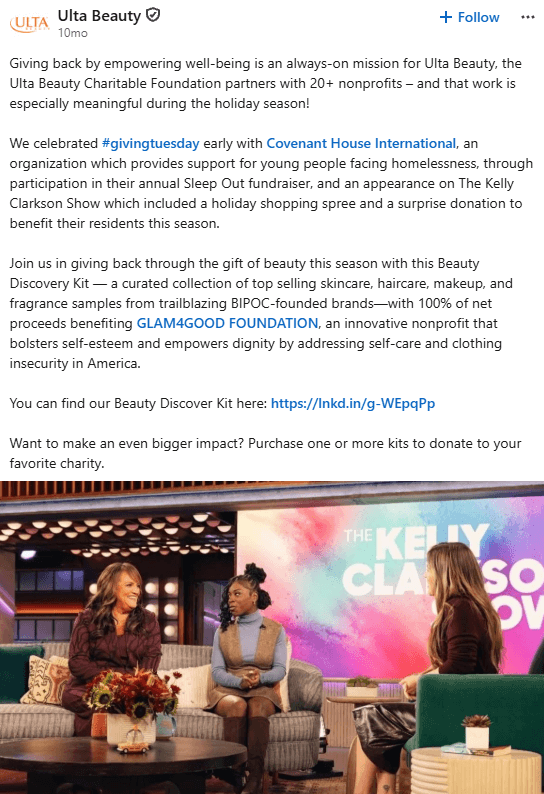
- Phase 4: The Retention Pivot (GivingTuesday and Beyond): Shift the narrative from acquisition to loyalty. Highlight brand values, charitable initiatives, and post-purchase rewards to keep the momentum going through the end of the year.
Supporting Data: The Economic Reality
The 2026 holiday season is defined by a heightened sense of fiscal responsibility. According to the Sprout Social survey, 69% of respondents expressed concern regarding rising prices stemming from current tariff structures. This anxiety is actively reshaping the shopping calendar:
- The Early Bird Effect: 36% of shoppers are intentionally starting their holiday shopping earlier than usual to circumvent anticipated price hikes.
- The Budget Squeeze: 56% of consumers are planning to reduce their total holiday expenditure, forcing brands to work harder to justify their value proposition.
- The Service Mandate: 27% of consumers intend to use social media as their primary vehicle for holiday customer service. Crucially, 38% of these users expect a brand response within one to two hours, highlighting the need for robust, automated support systems.
Strategic Pillars for Success: Expert Insights
To break through the noise of social media saturation, brands must move beyond generic discount posts. Below are five proven strategies that bridge the gap between engagement and revenue.
1. Influencer Collaborations and the Power of Promo Codes
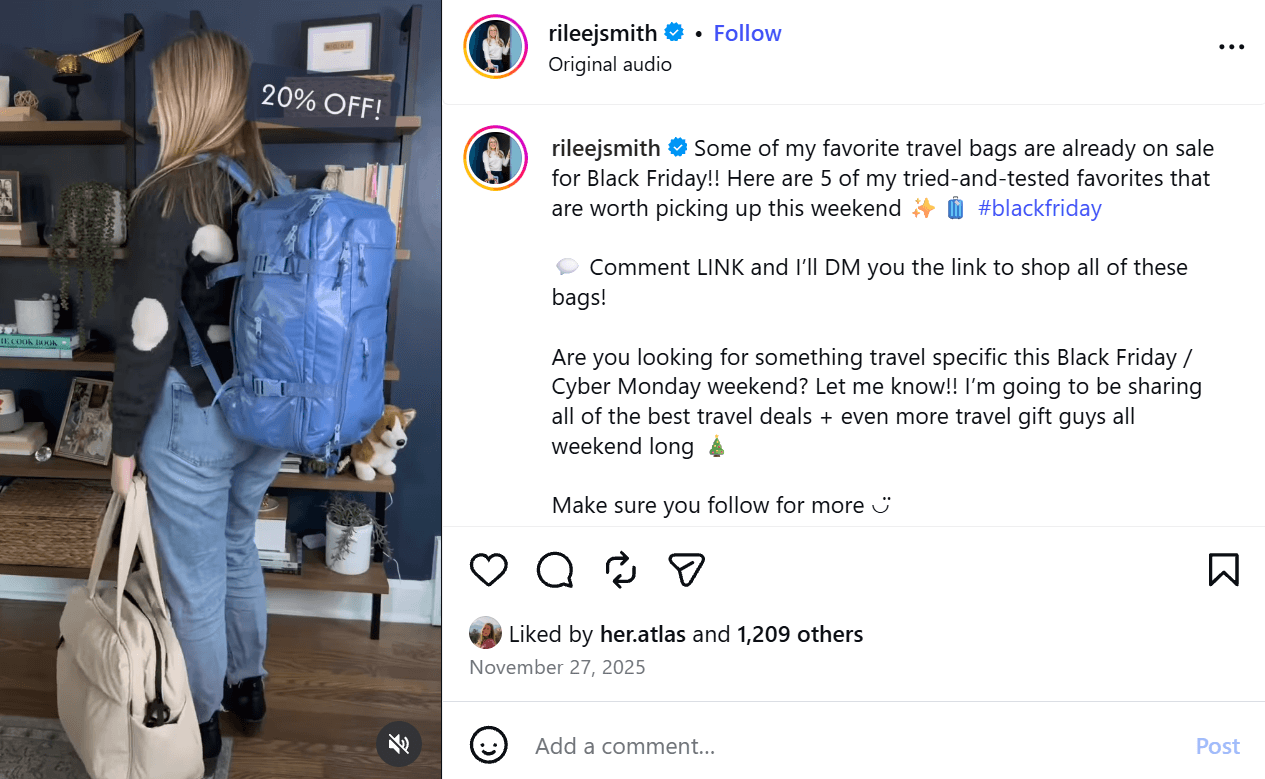
Follower count is a vanity metric; discoverability and relevance are the true indicators of ROI. Partnering with micro-influencers—creators who hold deep trust within niche communities—is often more effective than chasing macro-celebrities.
Data indicates that promo codes are the single most influential factor in purchase decisions for social scrollers, with 30% of survey respondents citing them as their primary motivator. By providing influencers with unique, trackable codes, brands can directly measure campaign performance while offering the audience an exclusive incentive to convert.
2. Gamification Through Giveaways
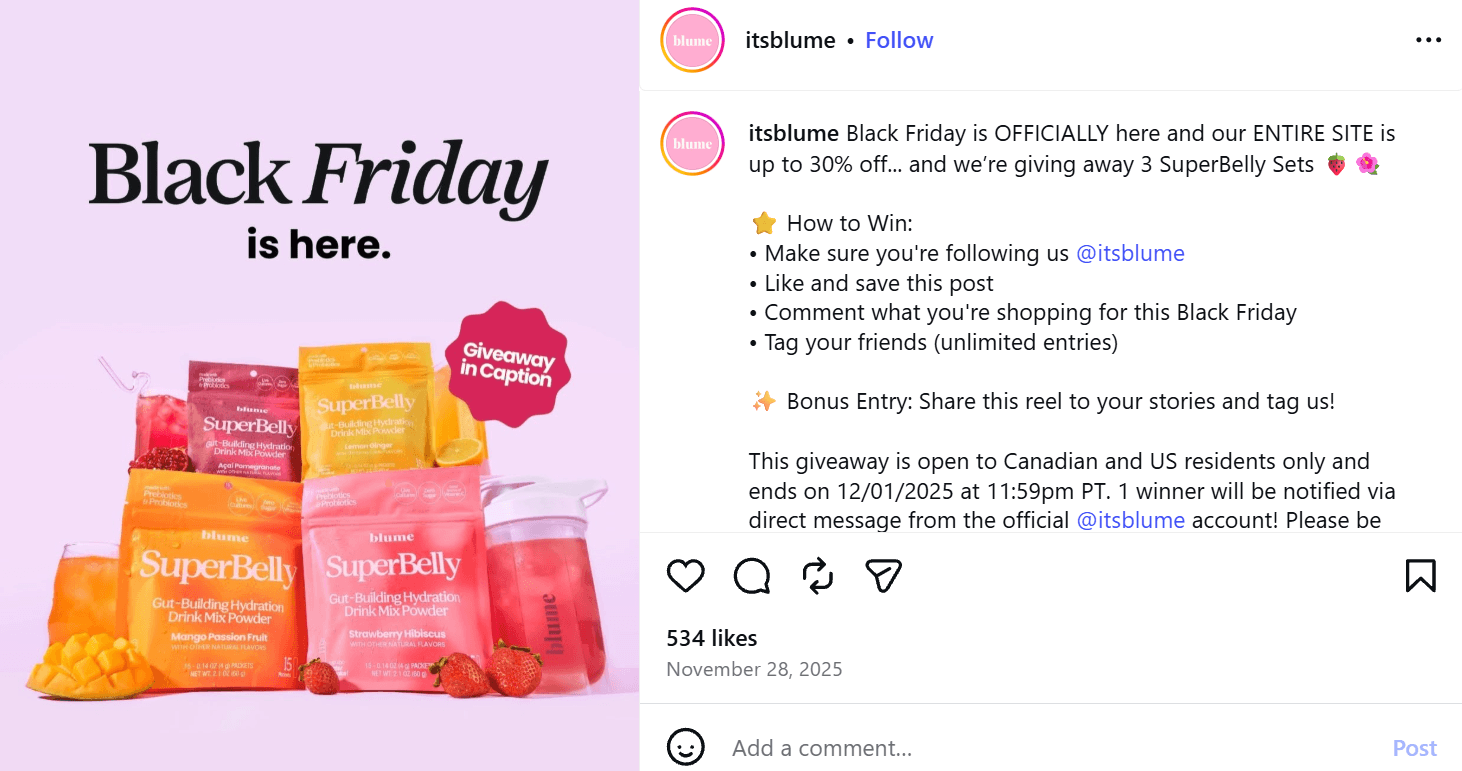
Contests and giveaways serve as an aggressive acquisition tool. By requiring specific engagements—such as tagging friends or sharing content—brands can rapidly amplify their reach. When paired with high-value product lines, these contests create a "halo effect" around the brand, driving both immediate entries and long-term brand awareness.

3. Incentivizing Brand Loyalty
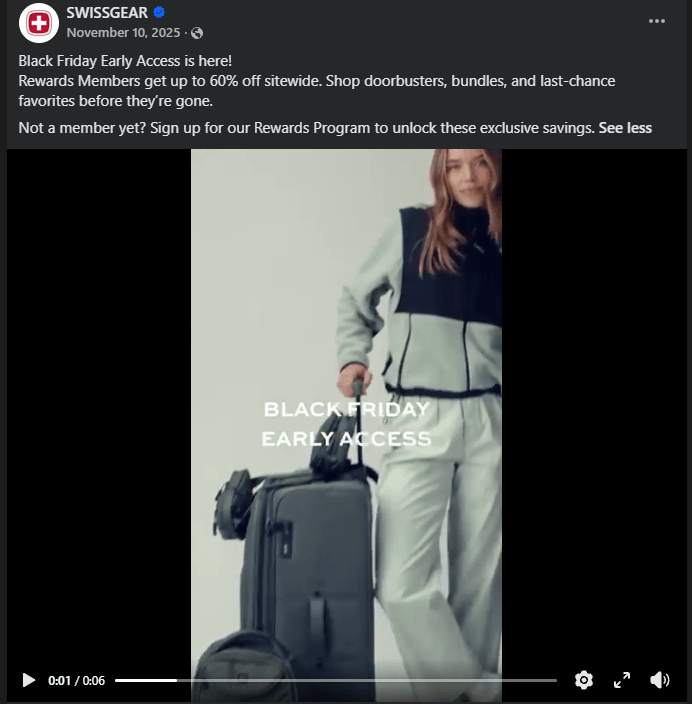
In a year where every dollar counts, loyalty programs are a powerful retention tool. By offering early access to sales or exclusive "member-only" bundles, brands reward their most dedicated customers. This approach not only secures immediate revenue but also fosters the long-term trust required to keep customers returning long after the holiday season concludes.
4. Omnichannel Integration
Consumers do not live in a vacuum; they bounce between TikTok, Reddit, Pinterest, and physical retail locations. A successful campaign ensures the brand voice is consistent across every touchpoint. Whether a customer is engaging with a chatbot, clicking a link in a bio, or walking into a brick-and-mortar store, the "Black Friday" experience must feel cohesive and frictionless.
5. Community-Driven Content
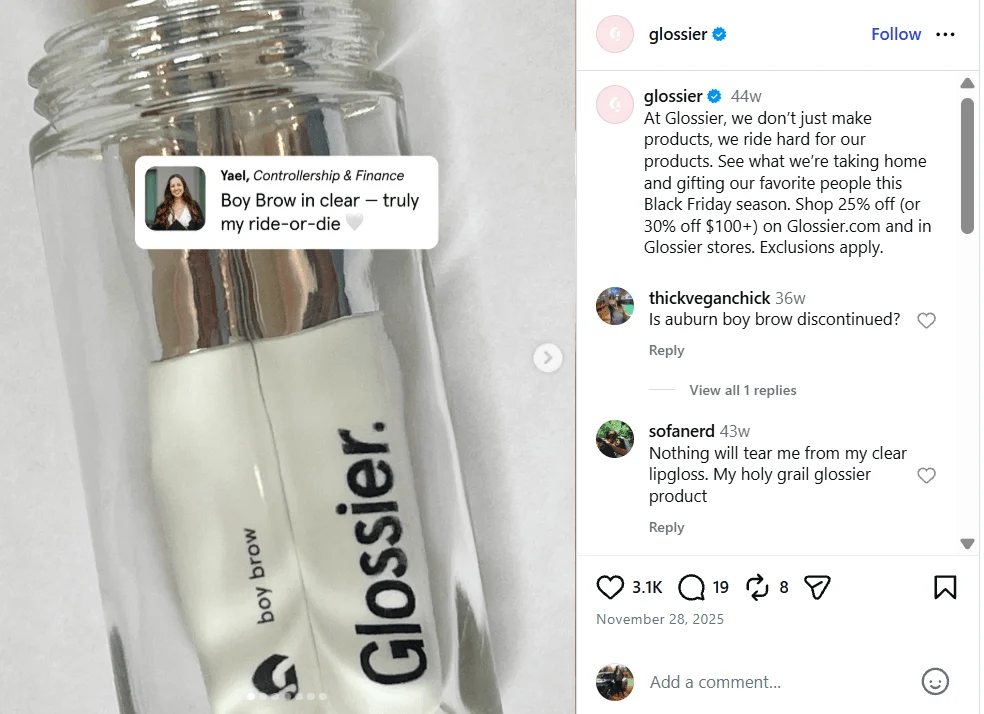
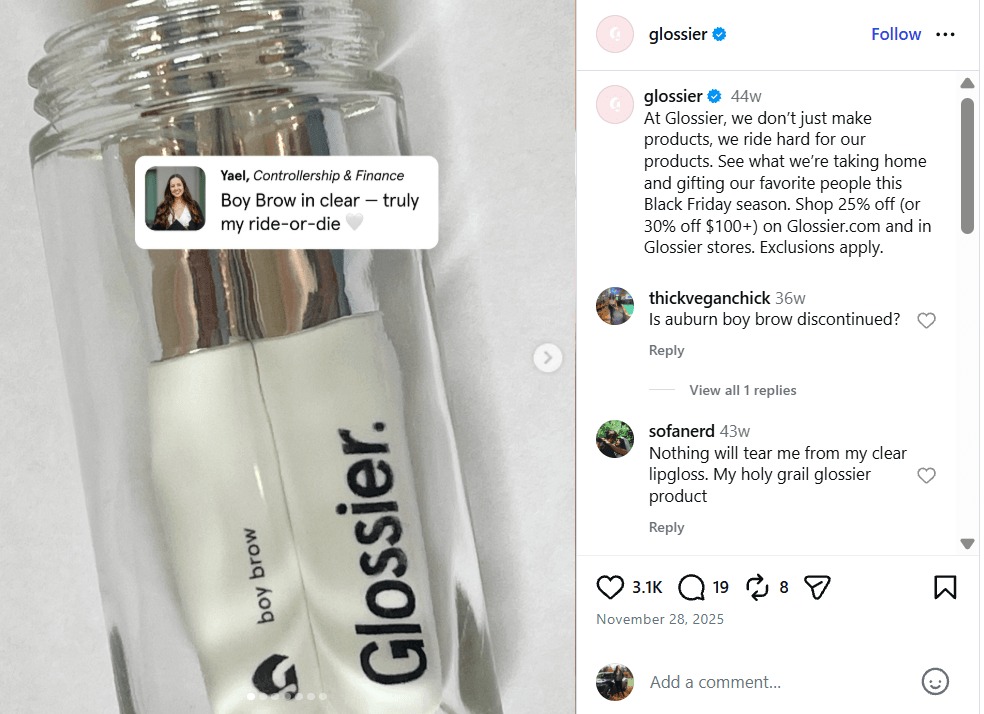
Customers are increasingly seeking authentic connections with the brands they support. Whether it is highlighting employees who love the products—as seen in successful campaigns by brands like Glossier—or leveraging user-generated content (UGC) like the Lowe’s bucket giveaway, human-centric storytelling is paramount.
Implications for Future Marketing
The shift toward social-first commerce has profound implications for how companies allocate their resources. The "spray and pray" model of advertising is being replaced by data-driven precision.

The Role of Automation and AI
Given the high volume of customer inquiries expected, automation is no longer optional. Using AI-powered social management tools allows brands to:
- Automate Responses: Handle FAQs regarding shipping, returns, and stock status instantly.
- Sentiment Analysis: Use social listening to monitor how your brand is being discussed in real-time.
- Content Scheduling: Ensure your message reaches the right audience at the right time without overextending your internal team.
Measuring Success
The final, and perhaps most critical, step is the post-campaign audit. A comprehensive report should analyze not just top-line sales, but engagement metrics, sentiment shifts, and conversion rates across different segments. Using these insights to refine the strategy for next year is the hallmark of a mature, high-performing marketing organization.
Conclusion: Preparing for the Long Game
As we look ahead, the message for brands is clear: Black Friday 2026 is an exercise in relationship management. While the sales are the immediate hook, the long-term goal is to build an emotional connection that transcends the discount.
By prioritizing social-first communication, embracing AI-driven customer care, and treating the holiday season as a multi-month strategy rather than a single-day event, businesses can navigate current economic headwinds and emerge with a more loyal, engaged, and profitable customer base. The brands that succeed this year will be those that treat their social media presence not as a megaphone for deals, but as a digital storefront where community, value, and service converge.