






By Editorial Staff
October 15, 2026
In the modern digital landscape, the trajectory of a creator has historically followed a linear path: start in a bedroom, build a massive following, and eventually "graduate" to the traditional halls of Hollywood. Lilly Singh, the Scarborough-born pioneer who launched her channel as IISuperwomanII in 2010, was the quintessential success story of this model. She became a New York Times bestselling author, a late-night talk show host, and a fixture in executive boardrooms. Yet, in a move that signals a broader shift in the creator economy, Singh is returning to her roots, trading the polished, gatekept world of network television for the raw, authentic creative freedom of YouTube.
The Evolution of a Digital Icon: A Chronology
Lilly Singh’s rise began in 2010, when the internet was still a frontier for individual expression. Posting from her bedroom, she utilized hyper-relatable humor and exaggerated, high-energy character work to build a global community. Her content was a beacon for South Asian youth and marginalized voices who rarely saw themselves represented in mainstream media.
By the mid-2010s, Singh had become a household name, expanding into music, touring, and eventually, the daunting world of late-night television. During this period, the industry view was clear: online success was a stepping stone, and traditional media was the final destination. Singh achieved these milestones, working on major projects like Dollface and The Muppets. However, these years of navigating traditional systems—filled with pitch meetings, studio notes, and corporate hierarchy—offered a stark contrast to the independence she had cultivated in her early career.
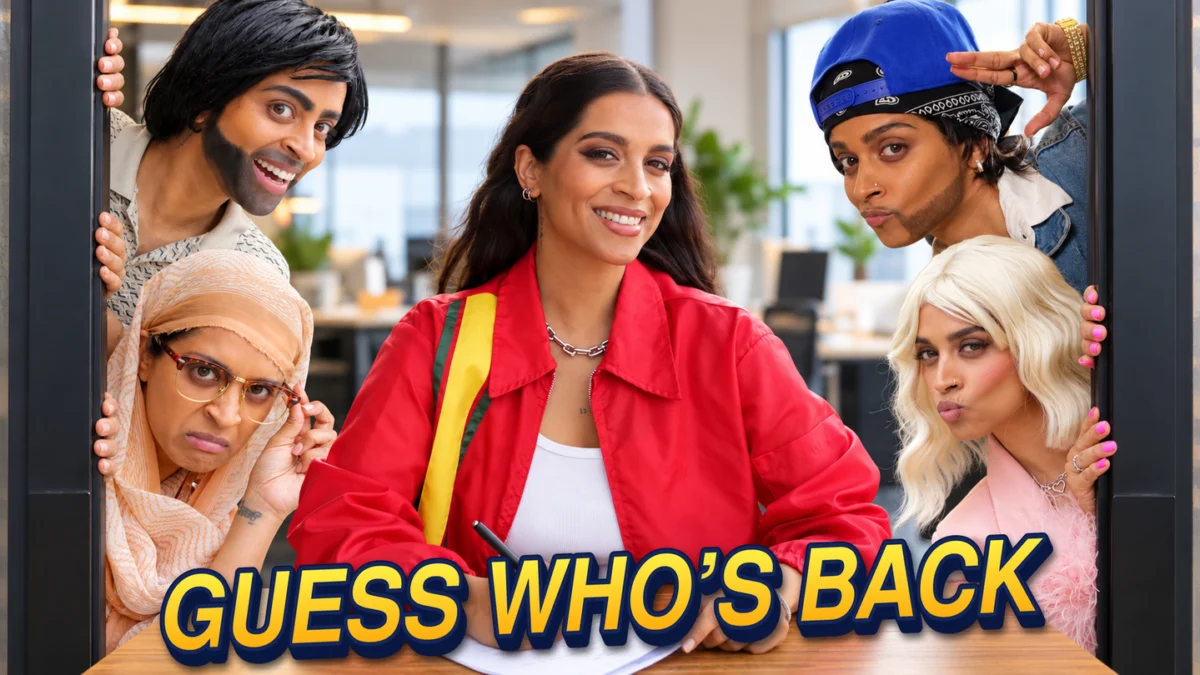
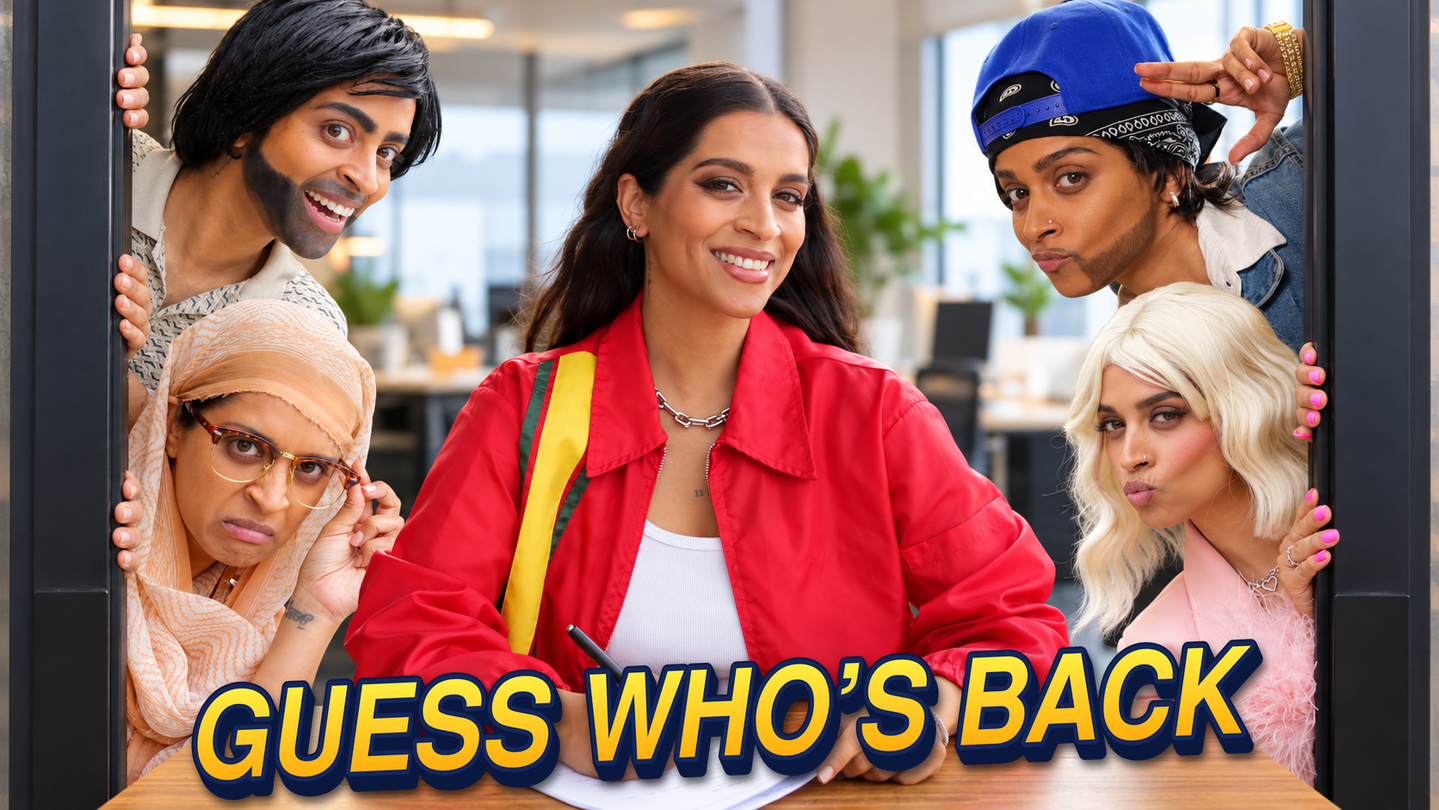
Now, in late 2026, Singh is marking a new chapter with the release of her latest sketch, "My First Day Back at YouTube." This return is not a regression; it is a strategic reclamation of her creative voice.
The Hollywood Experience: Creative Constraints vs. Collaboration
When asked about her foray into traditional media, Singh is candid. She expresses a genuine appreciation for the collaborative nature of film and television sets, noting that working with professional departments—props, lighting, and dedicated writing teams—elevated her storytelling.
However, the cost of that collaboration was often a loss of agency. "Hollywood has real systemic issues, especially for women and people of color," Singh notes. She describes the exhausting process of receiving notes that prioritized "marketability" over substance. The industry, she argues, often seeks to make stories "less niche" or "more palatable," which she defines as fundamentally anti-creative.
This friction highlighted a growing divide between traditional gatekeepers and the modern audience. While legacy networks often struggle to predict what will resonate, independent creators have been building powerful, self-sustaining ecosystems. Singh observes that many industry executives still treat diverse, creator-led hits as "flukes" rather than evidence of a shifting cultural paradigm.
Data and Trends: Why the Creator Economy is Driving Culture
The "power dynamic inversion" that Singh references is supported by the changing habits of global audiences. Today, indie projects led by creators are outperforming, or at least matching, the cultural impact of traditional studio productions.
Singh points to the rise of regional creators in India—who are successfully producing content in local dialects without compromising for a global "mass market"—as a major source of inspiration. She notes that if she had seen such authentic representation growing up, her sense of self would have been fundamentally different. This new generation of creators, such as Druski, is setting a new standard: they are demanding that the industry adapt to them, rather than the other way around.
For Singh, the decision to return to YouTube is rooted in the platform’s "superpower": global distribution without the need for clunky, explanatory exposition. In her recent film work, she found herself having to explain cultural nuances—like the significance of Diwali—to satisfy traditional distribution requirements. On YouTube, she is free to be specific. As she puts it, "When comedy gets specific and nuanced, it actually gets funnier."
Official Reflections: The Path to Wellness and Joy
Perhaps the most significant driver of Singh’s return is personal. The past year has been a period of health challenges for the creator, and she attributes much of her malaise to the restriction of her creative expression.
"Not expressing myself through videos and making content literally made me feel sick," she admits. Her nervous system, she suggests, was attuned to the spontaneity and playfulness of YouTube, and the rigidity of the Hollywood system proved to be an ill fit.
For Singh, this homecoming is not about "proving Hollywood wrong." It is about joy. Having already achieved financial stability and professional validation, she is now in the rare position of being able to create from a place of "pure play." She is no longer the scrappy YouTuber grinding out content to pay rent; she is an established veteran utilizing her resources to build ambitious projects that make her laugh.
Implications: The Future of Creator-Led Content
Singh’s return poses an interesting question for the industry: What happens when creators decide they no longer need the "traditional" seal of approval?
Her approach to this new phase of her career is a hybrid of her past and her potential. She plans to maintain the "inherent DIYness" of her roots while applying the professional production standards she learned in Hollywood. She is building a team where she can be part of a creative collective, rather than carrying the burden of every department on her own shoulders.
Furthermore, her definition of success has undergone a radical transformation. She is consciously stepping away from the metrics-obsessed culture of her early twenties. "Success is no longer killing myself with uploads every Monday and Thursday, or burning out chasing a viral video," she says. Instead, she is focusing on elevating her writing, acting, and production quality, and proving that ambitious, high-concept ideas can live and thrive on YouTube.
A Legacy of Authenticity
As Singh reflects on her evolution, she remains grounded in her core comedic DNA: observational humor, situational irony, and character-driven storytelling. However, the tone has shifted. The adult Lilly Singh is self-assured and uninterested in "punching down" or chasing edginess. Her goal remains what it has always been: to make her audience feel seen.
By collaborating with other creators like Alan Chikin Chow and Jeenie Weenie for her comeback, Singh is also signaling her role as a mentor and peer within the creator community. Her first video back was a love letter to her "OG" fans, but the work that follows is designed to challenge the limits of what a creator can do.
In an era where "platform-agnostic" is the industry buzzword, Lilly Singh is making a powerful statement: The best home for a storyteller is the one where they have the freedom to be themselves, unapologetically. As she concludes, "Creators are so much more than just views and analytics."
Her return to YouTube serves as a blueprint for the next generation of creators, proving that while Hollywood may offer prestige, true creative agency is something that must be built, protected, and ultimately, reclaimed on one’s own terms. Whether or not this triggers a mass exodus of creators from traditional media remains to be seen, but one thing is clear: Lilly Singh is back, and she is playing by her own rules.