








WASHINGTON — In the high-stakes arena of modern digital commerce, the fundamental mandate for any enterprise remains unchanged: more leads equal more potential customers, which ultimately translates to sustainable revenue growth. Yet, as digital channels multiply and consumer behavior fragments, navigating the vast expanse of lead generation can feel increasingly daunting for marketers, agency owners, and founders alike.
According to comprehensive industry analyses updated by organic growth strategists this August, businesses are no longer asking if they should diversify their acquisition channels, but rather where to begin. To address this paralysis by analysis, marketing authorities have consolidated the sprawling landscape into a definitive blueprint featuring 13 core lead generation strategies designed to capture, nurture, and convert high-intent prospects.
What Are Lead Generation Strategies and Why Do They Matter?
At its core, a lead generation strategy encompasses the methodical processes and tactics a business deplores to attract, capture, and cultivate prospective buyers. Serving as the vital first stage of the modern sales funnel, these strategies bridge the gap between anonymous internet traffic and qualified business opportunities.

Without a robust lead generation engine, even the most innovative products or services will struggle to achieve market penetration. Industry leaders point to three primary imperatives that make an effective lead generation system a non-negotiable asset for any modern enterprise:
- Predictable Revenue Growth: Relying on erratic word-of-mouth or unoptimized traffic leaves financial forecasts at the mercy of chance. A systematic approach ensures a steady, measurable influx of new opportunities.
- Market Expansion: Strategic outreach allows brands to test new verticals, demographics, and geographic regions with calculated precision rather than blind spending.
- Asset Accumulation: Effective lead generation transforms transient web traffic into owned media—primarily through email subscriber lists and CRM databases—insulating the business from algorithm changes on major search engines and social platforms.
Chronology of the Acquisition Shift: Inbound vs. Outbound
The philosophy of lead generation has evolved significantly over the past two decades. Historically dominated by aggressive outbound tactics—such as cold calling, blanket direct mail campaigns, and broadcast advertising—the digital revolution sparked a massive pivot toward inbound marketing, championed by the philosophy of earning a customer’s attention through valuable content.
Today, industry consensus dictates that the debate is rarely a binary choice between inbound and outbound. Instead, modern execution requires a symbiotic synthesis of both approaches, tailored to a company’s specific market dynamics, deal sizes, and available capital resources.

The Inbound Paradigm
Inbound marketing focuses on pulling prospective buyers toward a brand organically by offering high-value solutions, educational resources, and engaging interactions through search engine optimization (SEO), blogs, and social media ecosystems.
- Advantages: Builds long-term brand equity, establishes authoritative thought leadership, and generally yields higher-intent leads who are actively researching solutions.
- Disadvantages: Demands a significant upfront investment of time and content creation resources before generating measurable returns.
The Outbound Paradigm
Outbound marketing involves proactive, direct engagement with prospects through targeted cold emails, digital advertising, direct mail, and telemarketing.
- Advantages: Delivers immediate visibility, allows for precise targeting of specific ideal customer profiles (ICPs), and can produce rapid, short-term wins.
- Disadvantages: Prone to audience fatigue, strict regulatory compliance (such as GDPR and CAN-SPAM), and the risk of being relegated to spam folders if executed without nuance.
The Golden Rule: Define the "Who" Before the "What"
Before deploying a single tactical campaign, market analysts stress a mandatory preliminary step: defining your target market and ideal buyer persona.

The declaration "we target everyone" is universally recognized by growth experts as an admission of strategic failure. Without absolute clarity regarding the target audience, campaigns inevitably suffer from watered-down messaging. Building out an effective ICP involves a two-step foundational inquiry:
- Step 1: The Market Dynamics — Analyzing industry verticals, geographic constraints, company sizes, economic conditions, and competitive landscapes.
- Step 2: The Buyer Psychology — Identifying specific job titles, daily pain points, key performance indicators (KPIs), purchasing authority, and preferred consumption channels.
The 13 Definitive Lead Generation Strategies for Conversion Optimization
With a properly defined audience in place, organizations can deploy a curated mix of the following 13 strategies, categorized by their operational mechanics and conversion pathways.
1. Create Conversion-Optimized Landing Pages
The cornerstone of most inbound lead generation strategies is the dedicated landing page. Unlike a generalized homepage, a landing page is hyper-focused on a single conversion goal, capturing user details via streamlined lead gen forms.

- Why it works: Landing pages create a compounding effect on marketing ROI. Multiple traffic channels (PPC, social, email) can be funneled toward a single, highly optimized destination, maximizing conversion efficiency through drag-and-drop builders and proven design templates.
2. Build an Inbound Content Marketing System
Content marketing involves producing and distributing educational or entertaining assets—such as blog posts, whitepapers, infographics, and videos—that naturally attract prospects to your domain.
- Why it works: By weaving subtle conversion mechanisms and relevant calls-to-action (CTAs) into high-value content, businesses transform passive readers into active leads while simultaneously establishing industry authority.
3. Optimize for Search Engines (SEO)
SEO ensures that your content and landing pages rank prominently when potential customers actively query search engines for solutions to their problems.
- Why it works: Search engine optimization captures high-intent prospects at the exact moment they express a need, delivering compounding, organic traffic that reduces reliance on paid media budgets over time.
4. Execute Targeted Cold Email Outreach
Rather than relying on generic "spray-and-pray" blasts, modern outbound email campaigns leverage behavioral triggers and hyper-specific ICP criteria to initiate direct conversations.

- Why it works: When paired with real-time intent signals—such as a company hiring for specific roles or expanding operations—personalized cold emails bypass the noise and address immediate pain points directly.
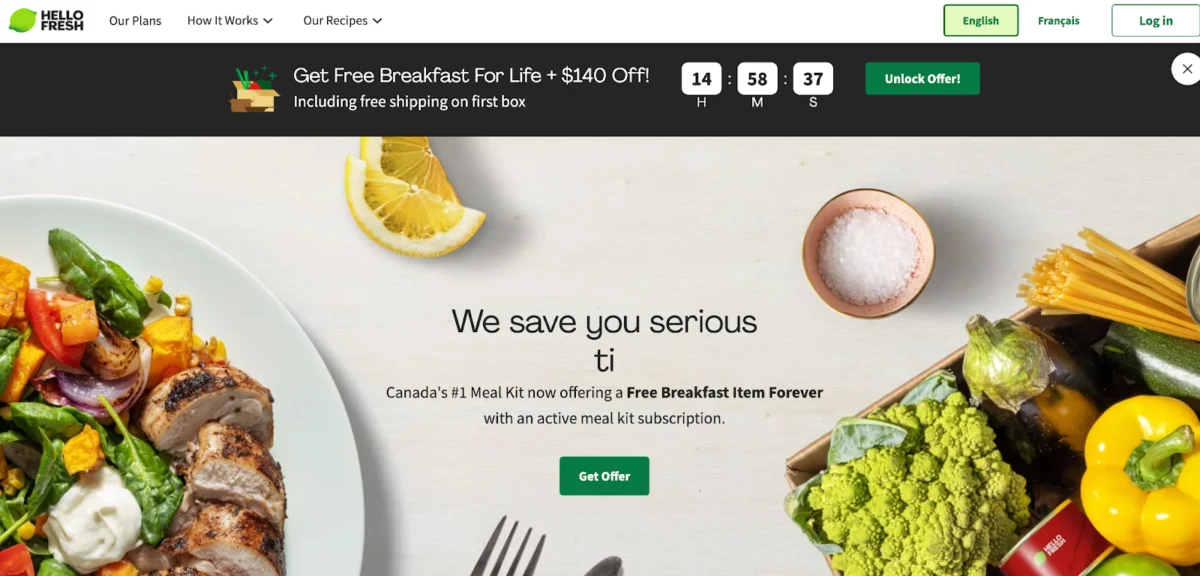
5. Deploy Non-Intrusive Popups and Sticky Bars
Utilizing dynamic website overlays, exit-intent popups, and persistent sticky bars allows marketers to present lead magnets or active promotions across any page of a website.
- Why it works: These tools ensure that high-value offers—such as discounted pricing or free resource templates—gain maximum visibility among all site visitors, rather than only those who navigate to specific conversion pages.
6. Leverage Social Media Marketing (Paid and Organic)
Connecting with massive existing audiences on platforms where they already spend their time through a balance of organic brand building and precision-targeted paid social ads.
- Why it works: Modern social platforms rely heavily on discovery algorithms rather than static follower counts, allowing brands to tap into niche communities rapidly through authentic, value-driven content.
7. Run Pay-Per-Click (PPC) Advertising Campaigns
PPC models on search engines and social networks allow businesses to bid on high-intent keywords and target specific demographic parameters for immediate visibility.

- Why it works: While SEO is a long-term play, PPC bridges the gap by placing offers directly in front of buyers with active purchase intent within hours of campaign launch.
8. Host Webinars and Live Interactive Events
Virtual workshops, masterclasses, and live Q&A sessions provide deep dives into granular industry problems, requiring registration details for attendance.
- Why it works: Although they may generate lower overall lead volume compared to simple checklists, webinars produce exceptionally high lead quality due to the significant time investment required from the participant.
9. Establish Customer Referral Programs
Leveraging the trust and satisfaction of existing clients by incentivizing them to recommend your products or services to their peers.
- Why it works: Consumer trust in peer recommendations vastly outweighs institutional marketing claims. Incentivized word-of-mouth transforms loyal customers into active brand advocates.
10. Partner with Niche Creators and Influencers
Collaborating with trusted content creators across YouTube, LinkedIn, TikTok, and newsletters to tap into their established, highly engaged follower bases.

- Why it works: Modern influencer marketing extends far beyond celebrity endorsements; partnering with micro-influencers allows brands to access targeted communities with built-in trust at highly scalable budgets.
11. Implement Retargeting Ad Campaigns
Deploying pixel-tracking to serve targeted ads to visitors who previously engaged with high-value website sections (such as pricing pages or abandoned shopping carts) without converting.
- Why it works: Retargeting acts as an effective digital reminder, re-engaging warm prospects who were on the fence and driving them back into the conversion funnel.
12. Offer Friction-Free Free Trials and Demos
Giving prospective buyers hands-on experience with a software platform, product sample, or service tier before requiring financial commitment.
- Why it works: This "try-before-you-buy" approach dramatically reduces perceived financial risk, builds buyer confidence, and allows sales teams to demonstrate tangible value firsthand.
13. Deploy Interactive Tools and Quizzes
Utilizing gamified diagnostic tools, calculators, and personality-style quizzes to deliver personalized insights in exchange for contact information.

- Why it works: Humans possess an innate curiosity for personalized results. Interactive assets capture attention effectively while simultaneously gathering valuable data regarding consumer preferences.
Supporting Data and Industry Implications
Recent digital marketing benchmarks highlight a profound structural shift in how budgets are allocated across these 13 pillars. Organizations that successfully integrate at least three distinct lead-generation channels—typically combining SEO, targeted PPC, and gated content assets—experience a 45% reduction in customer acquisition costs (CAC) compared to those relying on single-channel strategies.
Furthermore, industry analysts note critical implications for marketing teams heading into the remainder of the decade:
- Privacy Regulations and Cookie Deprecation: With third-party cookies phasing out, first-party data collection through interactive content, quizzes, and direct opt-ins has shifted from a best practice to an absolute operational necessity.
- AI Integration: Automation and artificial intelligence are increasingly utilized to personalize cold outreach at scale and optimize real-time landing page conversion rates without manual intervention.
Official Responses and Strategic Recommendations
Industry leaders emphasize that execution trumps variety. Attempting to deploy all 13 strategies simultaneously often results in fragmented resources and diluted messaging.

"Do not try to boil the ocean on day one," advises Josh Gallant, founder of Backstage SEO and prominent organic growth strategist. "Choose two or three strategies that align naturally with your business model and target audience. Master those fundamentals, track your data religiously, and expand your tactical footprint over time."
Summary and Actionable Takeaways
Building a resilient lead generation engine requires a structured, multi-phase approach:
- Define the Audience: Establish precise parameters for your target market and buyer persona.
- Select the Mix: Choose a balanced combination of inbound (SEO, content, landing pages) and outbound (PPC, targeted outreach) tactics.
- Optimize the Conversion Path: Ensure all traffic channels direct users toward high-converting, friction-free landing pages.
- Commit to Measurement: Consistently track performance metrics, eliminate underperforming tactics, and double down on proven acquisition channels.
By maintaining disciplined execution and adapting to emerging consumer behaviors, businesses can transform lead generation from an unpredictable chore into a reliable, predictable engine for continuous growth.