










In the rapidly shifting landscape of digital marketing, the line between "trying new tools" and "building a sustainable business" has never been thinner. As we move further into 2026, the industry is witnessing a pivot from the frantic adoption of generative AI toward the disciplined integration of these tools into high-ROI workflows. From leveraging LinkedIn for verifiable trust to evolving YouTube strategies for long-term retention, marketers are recalibrating their efforts toward quality, credibility, and conversion.
This report summarizes the essential updates, strategic shifts, and platform-level technical developments currently defining the marketing ecosystem.
1. Building the "Trust Loop": The LinkedIn Recommendation Strategy
In an era where AI can generate professional copy in seconds, the currency of the future is verified trust. Marketers are increasingly moving away from anonymous website testimonials, which are easily manufactured, toward the "LinkedIn Trust Loop."
The Strategy
The core of this strategy is the strategic use of your LinkedIn recommendations URL. Instead of burying your social proof on a company website, you should direct prospects—particularly those in the high-ticket B2B space—directly to your LinkedIn profile.

Why It Works
- Irrefutable Verification: Each recommendation is tethered to a real person, a confirmed job title, and an established professional history.
- The AI Barrier: Unlike text-based reviews, which can be scraped or hallucinated by bots, LinkedIn recommendations represent a "chain of custody" for professional reputation that AI cannot easily forge.
- Shortened Sales Cycles: By placing this link in your outreach emails or booking pages, you allow potential clients to perform their due diligence instantly, moving them from "skeptic" to "booked lead" without leaving the ecosystem of trust.
2. YouTube Strategy: Moving Beyond the "Distracted Scroller"
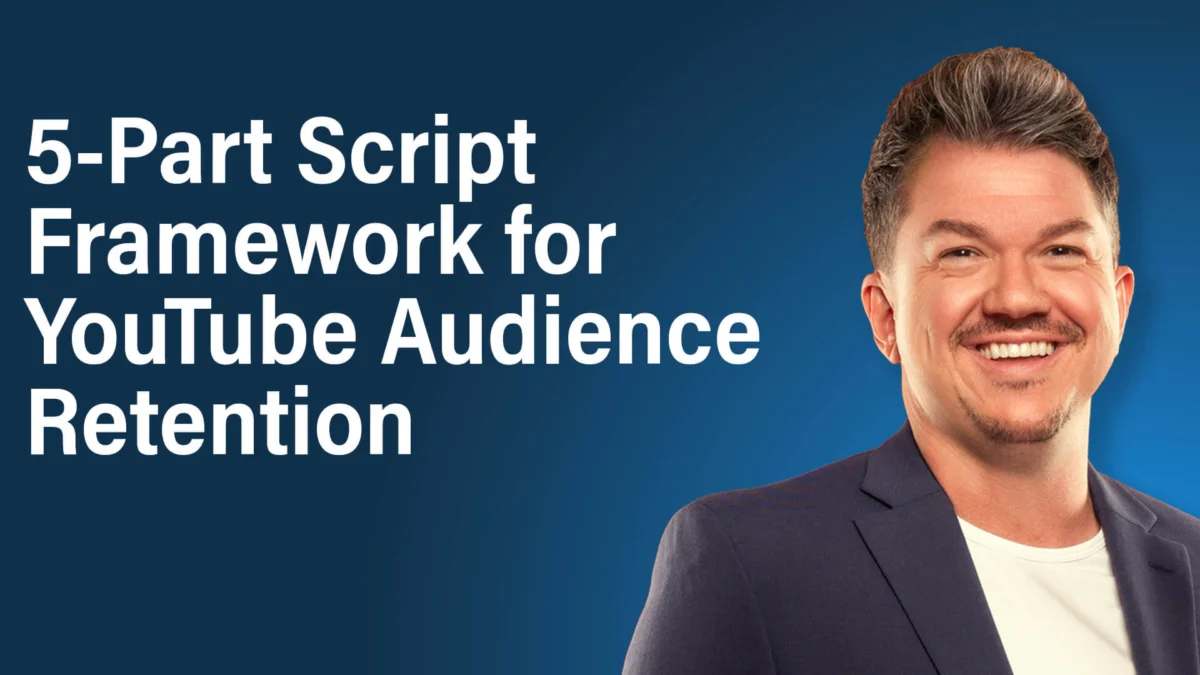
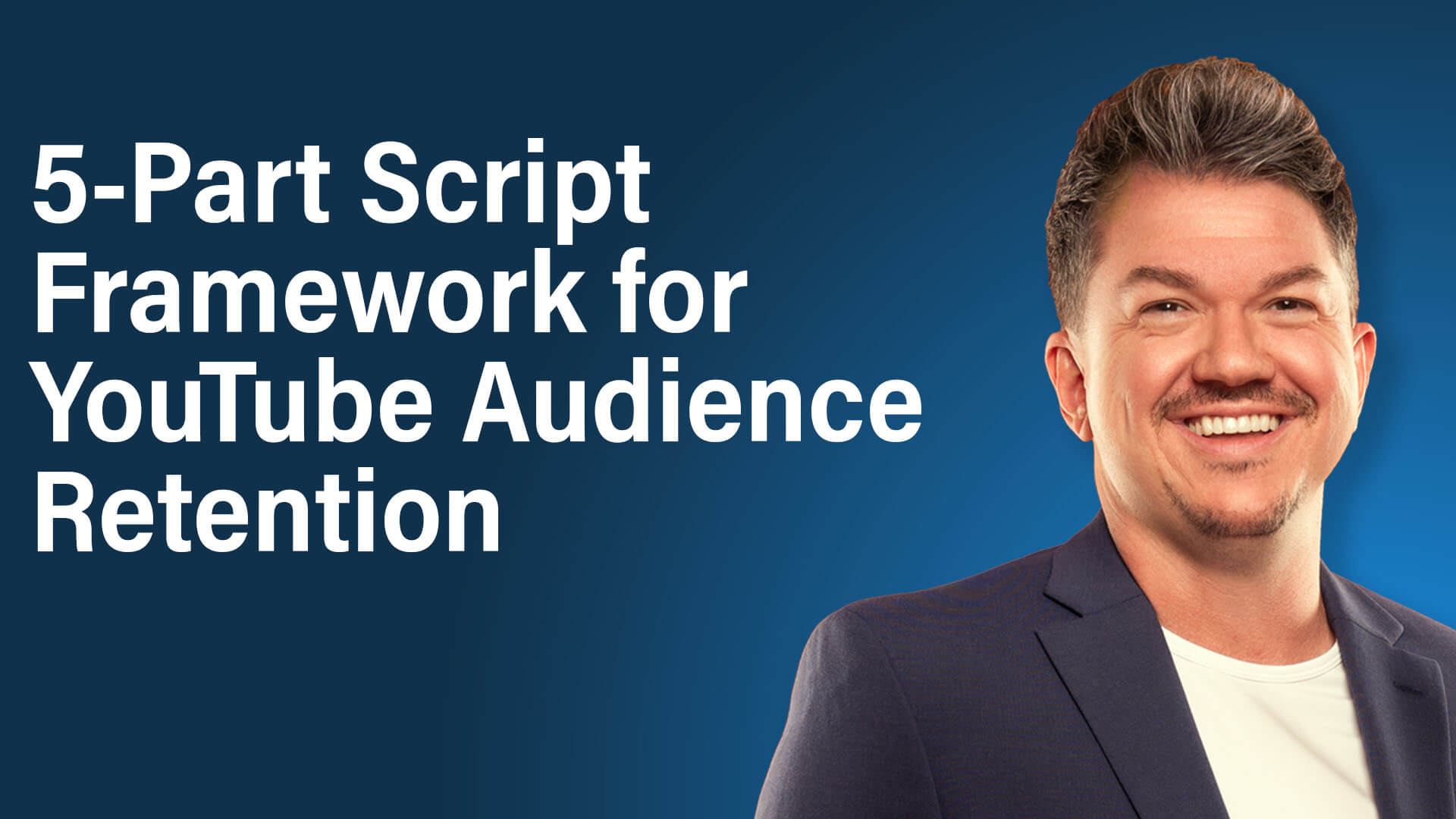
While short-form content is excellent for top-of-funnel awareness, YouTube strategist Adam Ivy warns that it is rarely the place where deep brand loyalty is forged. The current industry trend emphasizes a return to long-form content optimized for retention.
The Retention Framework
- The Emotional Hook: The first few seconds of a video must establish an emotional connection before the informational payoff. Viewers stay when they feel understood.
- Strategic Transitions: Creators are moving away from rigid, numbered lists, which can cause viewers to disengage once they hit a certain number. Instead, use thematic transitions that lead the viewer naturally from one point to the next, keeping the "momentum of discovery" alive.
- Organic Retargeting: Instead of aggressive sales pitches, leverage your "Thank You" pages and end-screens to provide low-friction, high-value lead magnets. By ending the video in a state of momentum—where the viewer is primed for the next piece of content—you reduce churn and increase the likelihood of conversion.
3. The AI Evolution: From "Prompting" to "Agentic Workflows"
The novelty of simple prompting is officially dead. The competitive advantage for marketers today lies in building "Agentic Workflows"—systems where AI tools are chained together to perform complex, multi-step tasks.
The "Chain of Tools" Approach
As demonstrated by recent industry experiments, the most efficient marketers are no longer using one tool for everything. They are creating ecosystems:
- Multi-Agent Coordination: If one AI lacks a specific capability (e.g., audio analysis), it is tasked with delegating that portion of the workflow to a specialized tool.
- The Feedback Loop: Marketers are teaching AI to self-correct. By providing feedback on initial outputs and asking the AI to update its own internal "skill set," users can move from manual scheduling to a state of "automated execution."
- Transparency as Content: A key insight from current industry docuseries is that audiences crave the process more than the result. Showing how you build these AI workflows—including the failures—builds a level of authenticity that finished, polished content cannot replicate.
4. Platform Updates: The Technical Ledger
The major social platforms have rolled out significant technical updates this week, signaling a continued push toward "in-app" ecosystems.
- Edits App Expansion: Instagram is shifting the Edits app from a purely video-centric tool to a comprehensive design suite. The new carousel workflow allows creators to blend photos and videos, utilize custom fonts, and create reusable cutout stickers, effectively turning Instagram into a standalone content creation studio.
- Tab Bar Architecture: Head of Instagram Adam Mosseri addressed the ongoing struggle with the iOS tab bar. While Apple has opened support for images in native bars, technical friction remains regarding video-color effects and swipe-gesture interference. Expect further optimization as iOS 27 rolls out.
- Threads Integration: The new Threads sticker for Stories is a direct play to increase the velocity of cross-platform engagement, allowing users to move conversations from the text-heavy Threads into the visual-heavy Stories environment.
Meta & TikTok: The Rise of Agentic Commerce
Both Meta and TikTok are aggressively shifting toward "Agentic AI"—systems that do more than just generate text; they act on the business’s behalf.
- Conversational Checkout: Meta is testing direct checkout within its AI assistants, effectively removing the "click-through" friction that often kills conversion rates.
- Lead Generation 2.0: Reddit and TikTok have both introduced advanced lead-gen tools that allow for deep CRM integration. These tools are designed to move beyond simple data collection to "qualified demand generation," routing lead data directly into automated nurturing workflows.
5. Implications for the Professional Marketer
What do these disparate trends mean for your business strategy in the coming year?
The Consolidation of the Sales Funnel
The days of the "leaky funnel"—where a user moves from an Instagram ad to a website to a landing page—are numbered. The platforms are aggressively building features that keep the user within the app from discovery to purchase. As a marketer, your strategy must pivot to accommodate these "in-platform" journeys.
The Death of the "Generalist" Marketer
The complexity of these new tools requires a higher level of technical literacy. To stay ahead, marketers must become "Workflow Architects." It is no longer enough to know how to use a tool; you must understand how to integrate it into a cohesive, automated, and scalable system.
Credibility as a Strategic Asset
As AI-generated content continues to flood the internet, the value of human-verified trust will skyrocket. The "Trust Loop" strategy on LinkedIn is not just a clever trick; it is a defensive moat. If your prospects cannot easily verify your reputation through human-centric social proof, they will increasingly default to the "safest" choice, which is often the brand with the most transparent and verified history.
Conclusion
The path forward is clear: success in 2026 will be defined by those who can successfully balance the efficiency of AI-driven automation with the undeniable power of human-verified credibility.

The industry is moving toward a future where the "process" is the product. Whether it is by documenting your AI workflow, refining your long-form YouTube retention, or optimizing your LinkedIn presence, the goal remains the same: shorten the distance between the customer’s interest and the moment of trust.
As we head into the upcoming industry conferences in Anaheim this April, the focus will undoubtedly be on these practical, hands-on applications of technology. The era of speculation is over; the era of implementation has begun.

For those looking to stay ahead of these developments, the Social Media Marketing Industry Report remains the definitive benchmark for understanding where budgets and attention are shifting in the coming fiscal year.



