











Morale at Flock Safety, once heralded as a darling of the "smart city" movement, has plummeted to an all-time low. As the company faces a wave of public backlash, internal discord, and a rapidly shifting political landscape, reports confirm that the firm is preparing to lay off 18 percent of its workforce. This reduction, affecting approximately 270 employees out of a 1,500-person staff, marks a significant turning point for a company that promised to solve crime through ubiquitous, AI-powered surveillance.
The layoffs, scheduled to take effect at the end of October, are not an isolated incident but the culmination of a broader institutional crisis. From the halls of state legislatures in Florida and Texas to the streets of Los Angeles, the cameras that were meant to be the backbone of modern public safety have instead become lightning rods for a fierce, bipartisan resistance movement.
The Facts: A Company in Retreat
The scale of the reduction underscores the severity of Flock Safety’s current position. By cutting nearly one-fifth of its staff, the company is signaling a major pivot in its operational strategy. This move follows a failed attempt to mitigate personnel issues through a voluntary buyout program, which WIRED reported on just three weeks ago. While the company attempted to frame the earlier buyouts as a path to "streamlining," the transition to mandatory layoffs suggests that the appetite for voluntary departure was insufficient to meet the company’s need for retrenchment.
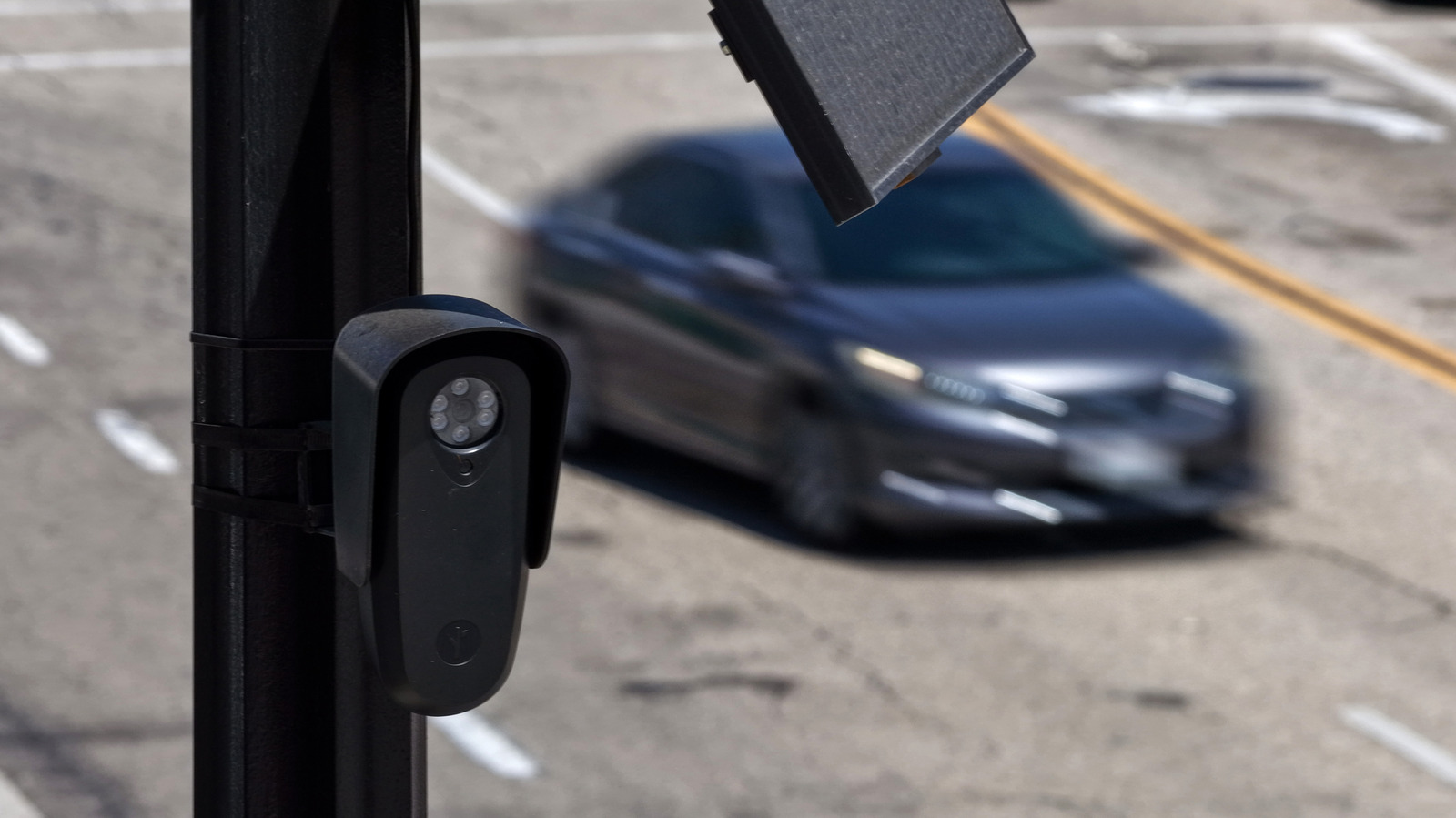
Flock Safety rose to prominence by offering an "all-seeing eye" to local police departments and homeowners’ associations. Their proprietary Automated License Plate Recognition (ALPR) technology, combined with AI-driven analytics, was marketed as a seamless solution to property crime and car theft. However, as the density of these cameras increased—creating, in many observers’ eyes, a "surveillance dragnet"—the company’s business model began to hit a wall of public and political scrutiny.
Chronology of a Backlash
The rapid decline of Flock’s reputation can be traced through a series of high-profile policy rejections and cultural shifts.
The Early Expansion (2018–2022)
Flock Safety initially enjoyed a period of rapid growth, successfully pitching its cameras as a non-partisan tool for "law and order." By framing surveillance as a proactive measure against crime, they secured contracts with thousands of municipalities. During this phase, the conversation was dominated by utility; crime rates in certain neighborhoods were indeed dropping, and the cameras were providing clear, actionable data to overworked police departments.
The Political Pivot (2023–2025)
As the cameras became more visible, the privacy implications began to outweigh the perceived safety benefits. The criticism, however, did not follow traditional ideological lines. Instead, it created a unique coalition:
- The Libertarian Right: Figures like Governor Ron DeSantis of Florida began to express skepticism, ultimately banning the cameras from state highways. DeSantis’s public remark, "I don’t want to have this become a surveillance state," echoed a growing conservative sentiment that government-sanctioned AI surveillance was an overreach.
- The Populist Right: Influential media personalities, including Tucker Carlson, began highlighting the cameras as evidence of an encroaching technocratic elite, framing the devices as tools for government overreach.
- The Progressive Left: Civil liberties advocates and politicians like Pennsylvania’s Josh Shapiro began characterizing the technology as a disproportionate tool for policing that exacerbated existing inequalities and chilled freedom of movement.
The Current Crisis (2026)
By the third quarter of 2026, the dam had begun to break. Los Angeles law enforcement, once a major client, refused to renew their contract. Simultaneously, state funding in Texas—a stronghold for the company—was severed. The culmination of this movement is not just political, but physical; a disturbing trend of "camera vigilantism" has emerged, where individuals have been recorded on social media dismantling or destroying the hardware, often to the applause of online audiences.
Supporting Data: Why the Business Model is Strained
The friction facing Flock Safety is not merely aesthetic or political; it is financial. When state and local governments pull funding, the company loses its most stable revenue streams.
- Contract Non-Renewals: The decision by major urban centers to walk away from contracts creates a domino effect. Smaller municipalities, which often follow the lead of larger, better-funded police departments, are now reconsidering their own investments in Flock technology.
- The Cost of Maintenance: Surveillance hardware requires constant upkeep. As public sentiment turns against the cameras, the cost of vandalism, legal challenges, and community relations becomes a significant drag on the bottom line.
- Human Capital Flight: The internal culture at Flock has suffered as the mission of the company has become increasingly controversial. High-performing employees, particularly those in engineering and product development, are reportedly reluctant to remain with a brand that has become synonymous with the "surveillance state."
Official Responses: A Wall of Silence
Despite the mounting evidence of a downward spiral, Flock Safety’s official communication has remained largely guarded. In statements following the reports of layoffs, the company has characterized the move as a "strategic realignment" rather than a reaction to political pressure.
However, industry analysts suggest that the company’s internal rhetoric contrasts sharply with its public posture. Sources close to the company indicate that leadership is struggling to balance the demands of investors—who are concerned about the long-term viability of the product—with the reality of a shrinking client base. While Flock continues to defend its product as an essential tool for public safety, they have been noticeably quiet regarding the specific ethical concerns raised by privacy advocates.
Implications: The Future of Urban Surveillance
The crisis at Flock Safety serves as a case study for the intersection of AI, privacy, and public policy. Several key implications arise from this situation:
1. The Death of the "Neutral Tech" Myth
Flock Safety operated under the assumption that its technology was inherently neutral—a tool that could be used for good by any jurisdiction. The backlash demonstrates that in the eyes of the public, surveillance technology is never neutral. It is an extension of the state’s power, and therefore, it is subject to the same political scrutiny as any other government policy.
2. The Rise of Localized Resistance
The destruction of cameras by private citizens represents a new frontier in the battle over public space. When citizens feel that their local government has failed to protect their privacy, they are increasingly willing to engage in direct action. This creates a volatile environment for companies in the surveillance space, where the physical hardware becomes a liability.
3. A Precedent for Future Tech Regulation
The bipartisan nature of the anti-Flock movement sets a powerful precedent. It suggests that if a technology is perceived as a threat to fundamental freedoms, it will not be protected by traditional partisan alliances. Legislators are realizing that "privacy" is a rare issue that can unite voters across the spectrum. This could lead to more stringent national standards for the use of AI in public spaces, potentially chilling the growth of the broader "smart city" industry.
4. The Sustainability of Surveillance-as-a-Service (SaaS)
Flock’s business model relied on long-term, multi-year contracts with municipal governments. If these contracts are now seen as "toxic" or politically risky, the SaaS model for public infrastructure may face a reckoning. Investors are likely to become more cautious about backing companies that rely on government cooperation, fearing the same volatility that has dismantled Flock’s market position.
Conclusion: A Cautionary Tale
As October approaches and the 270 employees prepare for their departure, the situation at Flock Safety remains fluid. The company faces a dual challenge: it must stabilize its internal operations while simultaneously rebranding itself in a market that has grown deeply skeptical of its primary product.
Whether Flock can pivot toward a less invasive or more transparent model remains to be seen. However, the current state of the company serves as a stark warning to the tech industry at large: in the modern digital age, technological efficiency is no substitute for public trust. When the tools of surveillance are turned toward the public, the public will eventually turn back—and the consequences for those companies that ignore this reality can be swift, severe, and potentially irreversible.



