







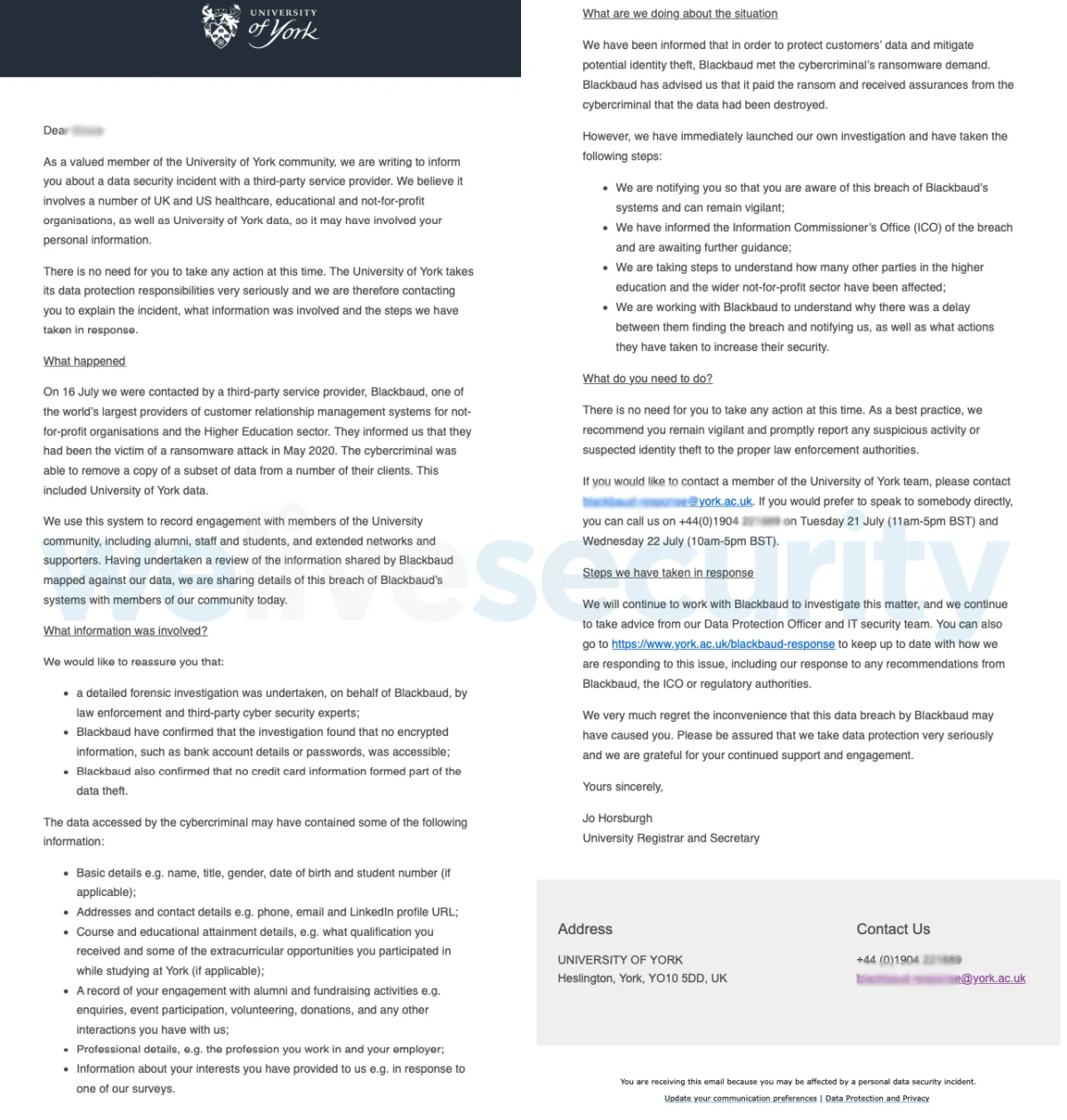
In an era defined by digital connectivity, the frequency of data breaches has reached an unprecedented scale. According to the Identity Theft Resource Center (ITRC), publicly reported data breaches hit an all-time high in the United States last year, with over 3,300 incidents recorded and nearly 280 million victim notices distributed. However, as the volume of these incidents swells, a disturbing trend has emerged: the notices meant to inform consumers are becoming increasingly vague, offering little more than generic reassurance while omitting the critical details necessary for protection.
For the average consumer, receiving a breach notification has become a routine, albeit stressful, occurrence. Yet, the data suggests that these notices are failing their primary purpose. In the first half of 2026 alone, over 471 million victim notices were mailed out. Alarmingly, only 24% of these communications contained details regarding the "attack vector"—the method by which hackers infiltrated the systems. This represents the lowest disclosure rate ever recorded by the ITRC, leaving millions of individuals in the dark about how their sensitive information was compromised and what they should do next.
The Chronology of a Digital Epidemic
The trajectory of data breaches over the past few years reveals a landscape in transition. While the early 2020s saw a surge in opportunistic attacks driven by the shift to remote work, the mid-2020s have been defined by sophisticated, high-volume data exfiltration.
- 2023–2024: Organizations began grappling with the sheer scale of supply-chain attacks, where a single breach at a third-party vendor exposed data for thousands of downstream clients.
- 2025: Recorded incidents hit record highs. The focus shifted toward massive, aggregated data dumps, where hackers targeted centralized databases containing historical records, making it difficult for users to track when their data was actually stolen.
- 2026 (First Half): The "Transparency Gap" widened significantly. As breach volume climbed, the percentage of detailed disclosures plummeted to 24%, signaling a shift in corporate crisis management strategies that prioritize legal risk mitigation over consumer clarity.
Supporting Data: The Shrinking Disclosure
The ITRC’s longitudinal research highlights a fundamental disconnect between what victims need and what companies provide. Three-quarters of breach victims express a desire for a plain-language, itemized list of exactly what data was compromised. Despite this, the trend is moving in the opposite direction.
The ambiguity is often found in the terminology. Terms like "accessed," "may have been affected," and "no evidence of misuse" act as legal shields for the notifying company, but they provide almost no actionable intelligence for the victim. When a notice states that data was "accessed," it is a far cry from admitting it was "exfiltrated" (stolen). Similarly, the claim that a company has seen "no evidence of misuse" is often a hollow reassurance; it merely means the company hasn’t detected the misuse yet, which does not account for the reality of the dark web, where stolen data can sit dormant for months or years before being weaponized.
The Corporate Calculus: Why Companies Stay Silent
To understand why companies are becoming more "cagey," one must look at the intersection of reputation management, legal liability, and cybersecurity strategy.
The Crisis Communication Dilemma
When an incident occurs, legal and PR teams face immense pressure to speak quickly. If they release information before a thorough forensic investigation—which can take months—they risk providing inaccurate data that could cause panic or legal blowback. Conversely, staying silent until the investigation is complete allows speculation to fester.
The Security-First Argument
In some instances, withholding details is a matter of operational security. If a company discloses the exact "path" of an attack—such as a specific unpatched vulnerability or a misconfigured API—it may inadvertently provide a roadmap for other threat actors to exploit the same weakness before the company has successfully remediated it.
The Financial Incentive
Finally, there is the undeniable financial factor. Full disclosure of a breach can trigger a cascade of negative effects: stock price volatility, loss of consumer trust, and increased scrutiny from regulators. While disclosures to regulatory bodies (such as the SEC or state Attorneys General) are often required to be granular and exhaustive, communications to the public are frequently sanitized to protect the brand’s market value.

Implications for Consumers and Policymakers
The lack of transparency is not merely a nuisance; it is a systemic failure that prevents consumers from taking meaningful action. Without knowing exactly what was stolen—be it a Social Security number, a password, or medical history—victims cannot prioritize their responses.
For policymakers, this trend suggests that current notification laws may be insufficient. If the standard for "notification" allows for vague, non-informative letters, the law is failing to protect the public. There is a growing call for standardized, mandatory disclosure formats that require companies to clearly state the "Who, What, and How" of a breach, ensuring that victims aren’t left grasping at straws.
Navigating the Breach: A Consumer’s Survival Guide
Given the current climate of ambiguity, it is imperative that consumers become their own best advocates. If you receive a notification, do not panic, but do not be complacent.
1. Verify Before You Act
Scammers are increasingly using fake breach notifications as a phishing vector. Before clicking any link, verify the claim. Go to the company’s official website through a browser—not through a link provided in the notice—and check for an official statement. If the company has no record of the breach on their site, contact their customer service department directly.
2. Understand the Difference: Monitoring vs. Freezing
Many companies offer a year of free credit monitoring. This is a useful alert service, but it does not stop fraud; it only notifies you after the fact. A credit freeze, however, is proactive. It prevents unauthorized parties from opening new lines of credit in your name by restricting access to your credit report. In the United States, credit freezes are free and are generally the most effective way to prevent identity theft following a breach.
3. Respond Based on the Data Type
- If passwords were exposed: Change the credentials immediately for that account. If you reused that password elsewhere, change those as well, and implement multi-factor authentication (MFA) across all your digital platforms.
- If financial data was exposed: Contact your bank immediately. You may need to cancel credit cards or put a fraud alert on your accounts.
- If personal identity info (SSN, DOB) was exposed: This is the highest risk level. A credit freeze is essential here, as is monitoring for "synthetic identity theft," where criminals use your details to create new, fraudulent personas.
Frequently Asked Questions (FAQs)
Why did I receive a breach notification from a company I’ve never heard of?
It is possible that a company you do business with uses a third-party service provider (like a payroll firm or a marketing agency) that suffered a breach. Always read the letter carefully to see if it mentions a "parent company" or a "data processor." If you remain skeptical, contact the organization independently.
Is a credit freeze enough to protect me?
A credit freeze is the strongest tool in your arsenal against identity theft, but it is not a silver bullet. It won’t prevent someone from using your existing credit cards or hacking your email. It is a foundational layer of security that should be combined with strong password hygiene and constant vigilance.
What is the most important thing to do when a breach happens?
The most important step is to "assume the worst, but act with caution." If you suspect a breach is legitimate, act as if your data is already for sale on the dark web. Secure your accounts, freeze your credit, and monitor your statements. The less you rely on the company’s "reassurances" and the more you rely on proactive self-protection, the safer you will be in an increasingly digital, and increasingly vulnerable, world.