










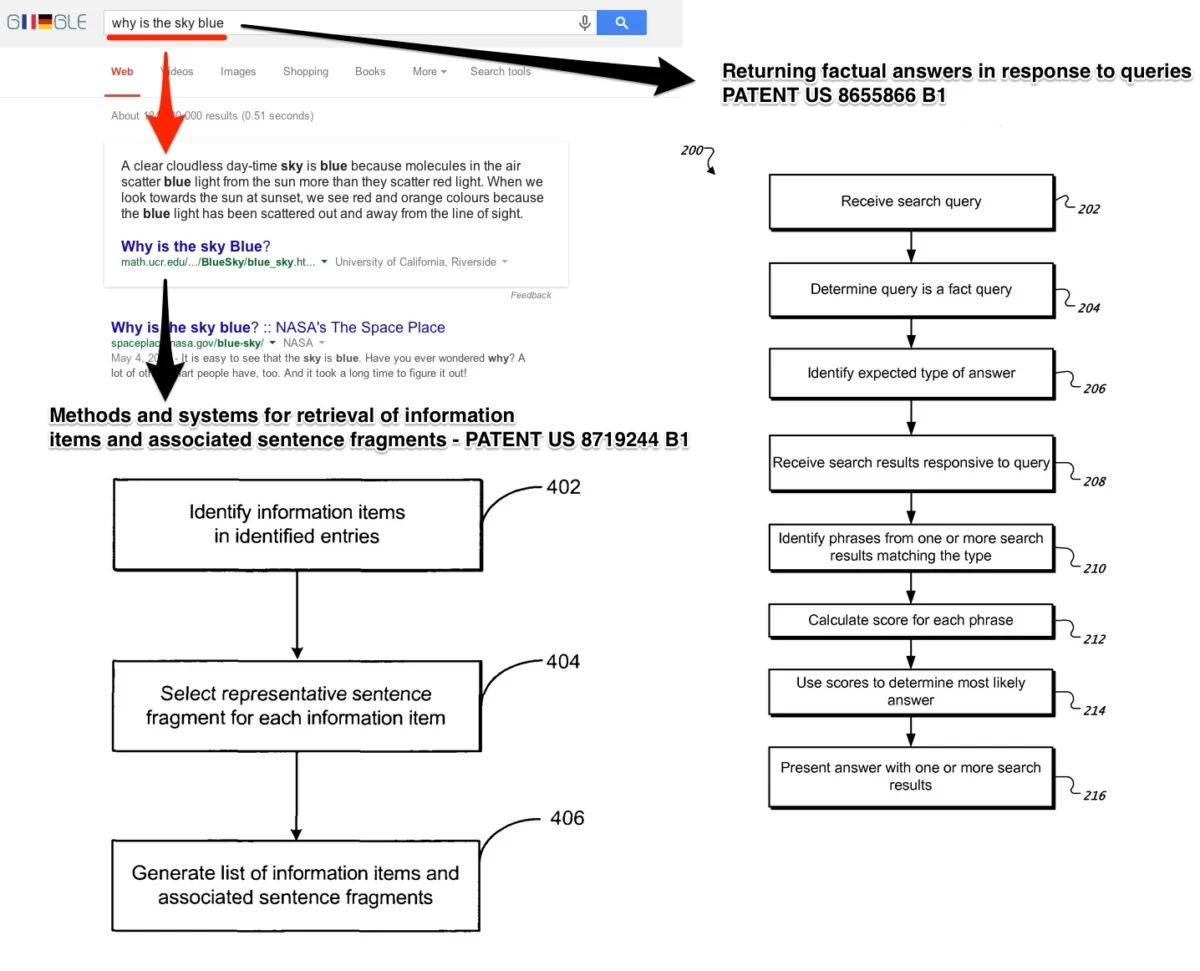
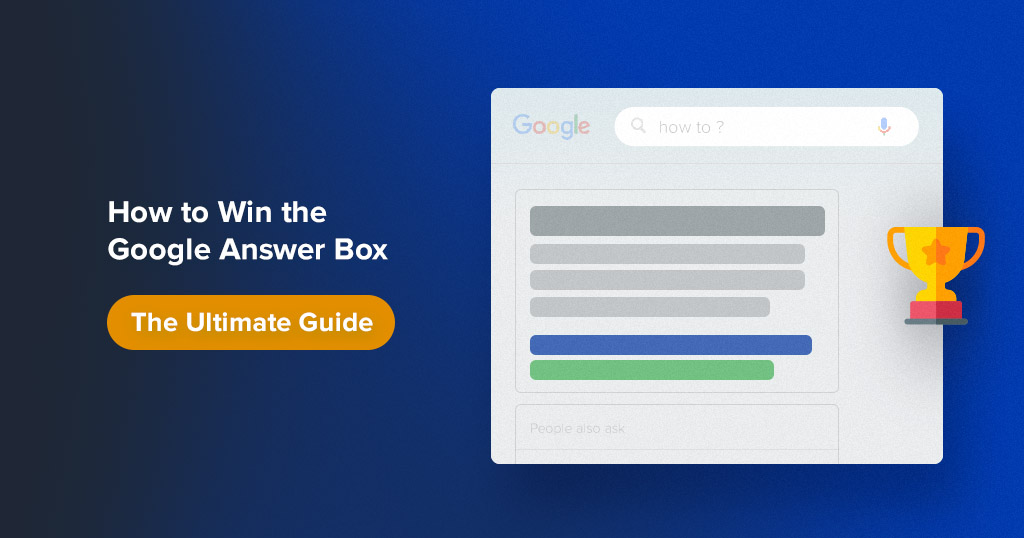
Ranking number one on Google has long been the primary objective for digital marketers and SEO professionals. However, in the modern search landscape, there is a prize even more coveted: the "Position Zero" Google Answer Box. These featured snippets, which appear above the traditional search results, offer an unparalleled opportunity to dominate the search engine results page (SERP) and capture high-intent traffic.
As search technology evolves, the challenge of securing this top spot has shifted from simple on-page optimization to a complex dance of technical precision, entity recognition, and brand authority.
What Is a Google Answer Box?
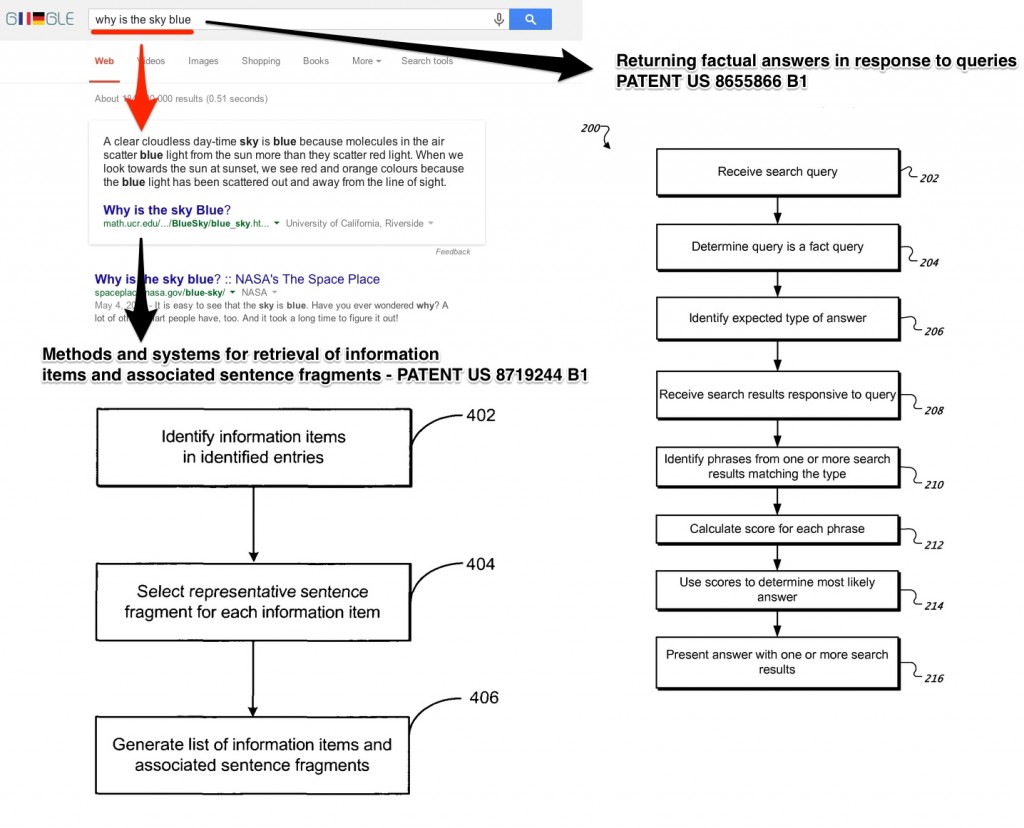
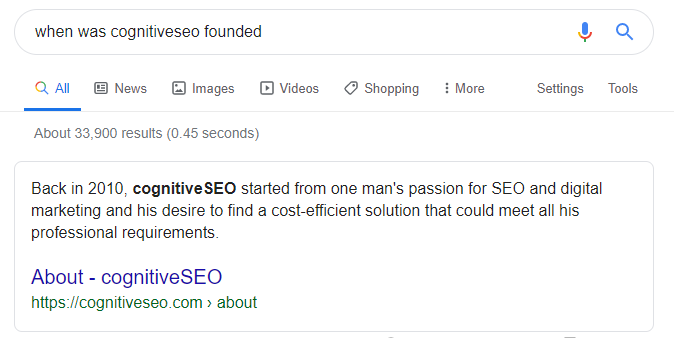
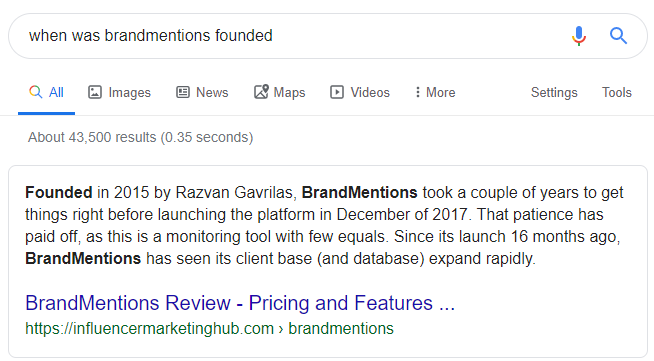
Google’s answer box, often referred to as a "featured snippet" or "instant answer," is a specialized search result displayed at the top of the SERP. Unlike a standard link, which requires a user to click through to a website to find information, an answer box extracts the most relevant content directly from a page, presenting it to the user in a concise, digestible format.
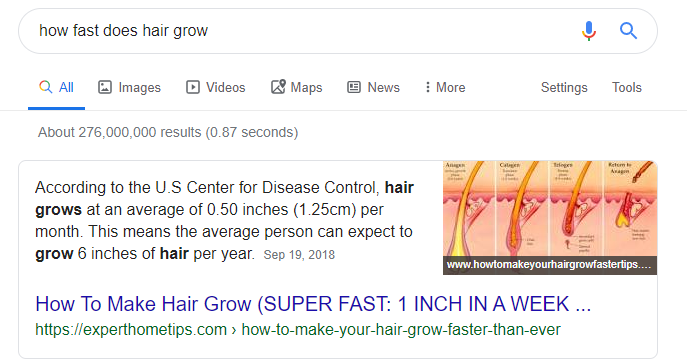
These features are powered by Google’s Knowledge Graph and sophisticated scraping algorithms. Whether it is a text-based definition, a step-by-step list, a data table, or a video, the goal remains the same: providing the user with an immediate, accurate resolution to their query. If you search for "how fast does hair grow," you are not looking for a list of blogs; you are looking for a fact. Google, acting as the ultimate oracle, curates that fact from the best-performing source.
The Evolution: From Static Snippets to AI Overviews
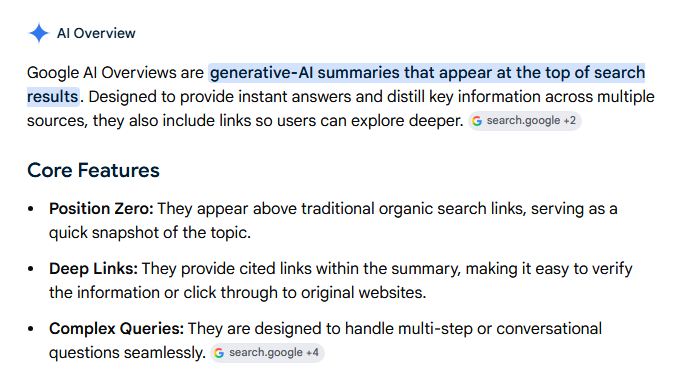
While traditional Answer Boxes and Featured Snippets remain, the search experience is undergoing a seismic shift in 2026. Search has evolved toward AI-generated answers. Users increasingly receive responses synthesized by AI Overviews and conversational assistants, which aggregate information from multiple sources rather than extracting it from a single webpage.

In the early days, securing Position Zero was a matter of clever formatting—using lists, tables, and concise definitions. Today, AI engines evaluate the broader digital footprint of a brand. They analyze authority, credibility, and sentiment across the web, from industry forums and social media discussions to reputable news outlets. Consequently, technical SEO is no longer sufficient; to win, a brand must be recognized as an authoritative entity across the entire digital ecosystem.
Why Answer Boxes Matter for Your SEO Strategy
From an SEO perspective, being featured in an answer box is a game-changer. It offers significant "SERP landscape" dominance, pushing competitors further down the page. Even in a world increasingly dominated by ads, owning the answer box ensures that your site is the first point of contact for a user.
Research consistently shows that while Position 1 is valuable, Position Zero acts as a trust signal. It tells the user that Google considers your content the most reliable, accurate, and concise source of information. This visibility often leads to higher click-through rates (CTR) and reinforces your brand’s status as a leader in your niche.
The Mechanics: How Google Selects Winners
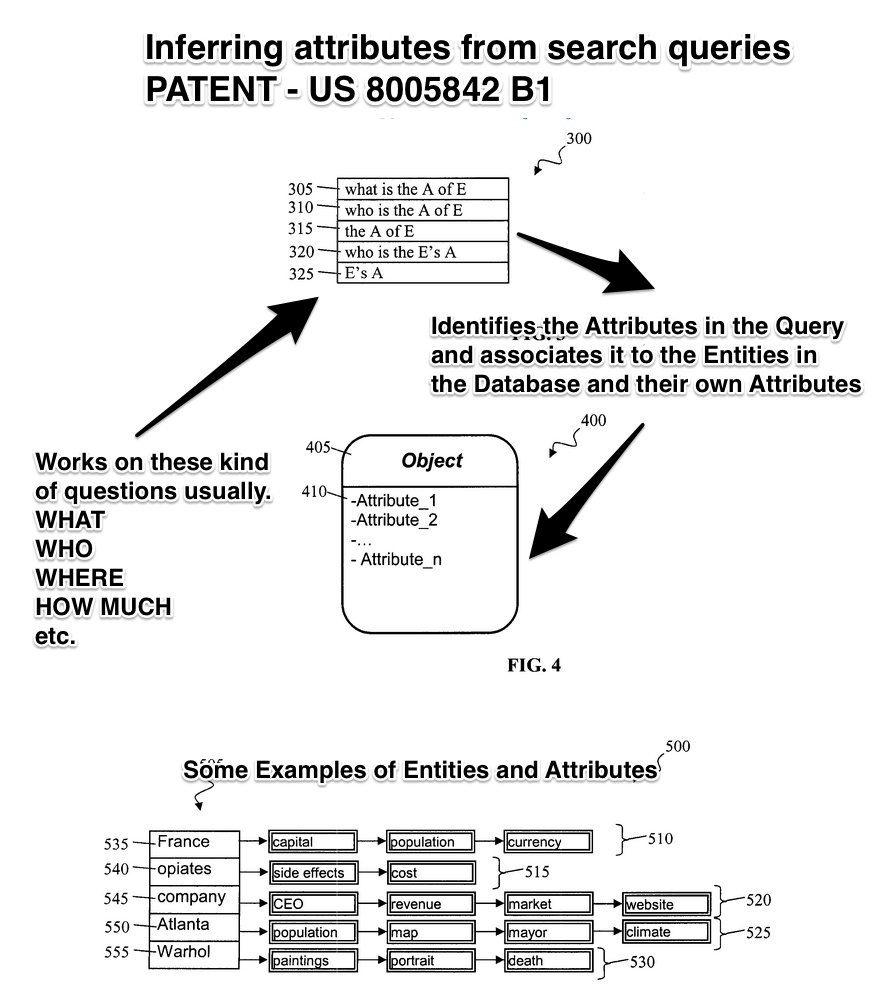
Google’s selection process relies on its ability to understand entities and attributes. According to various patents, the algorithm assumes that a search query is composed of an "Entity" (e.g., Ukraine) and an "Attribute" (e.g., GDP). When a user searches for "Ukraine’s GDP," Google scans its indexed databases for content that links these two concepts with high authority.
To earn this spot, you must make it easy for the machine to "get" you. Google prefers content that is:
- Clearly structured: Using H2 and H3 tags to frame questions and answers.
- Concise: Providing the direct answer within the first 40–60 words of an article.
- Formatted: Utilizing bulleted or numbered lists for procedural queries.
- Authoritative: Backed by a strong domain profile and consistent, high-quality mentions across the web.
Types of Google Answer Boxes
Google utilizes several formats to deliver information, and understanding which format fits your content is key to optimization:
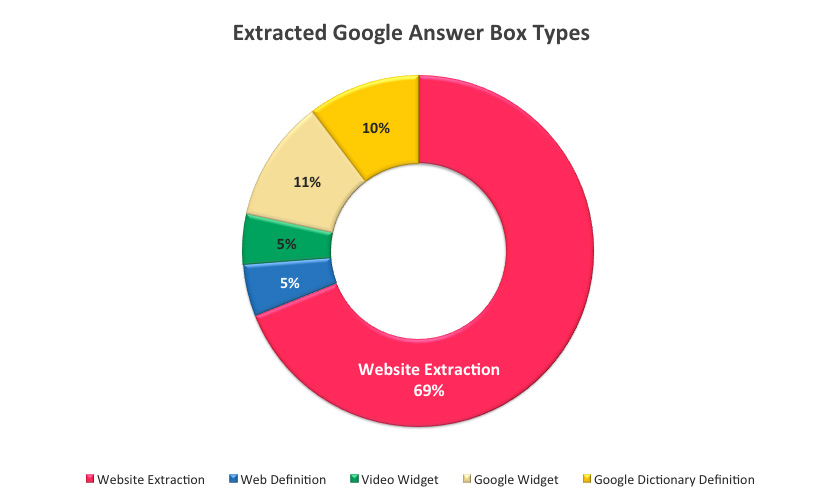
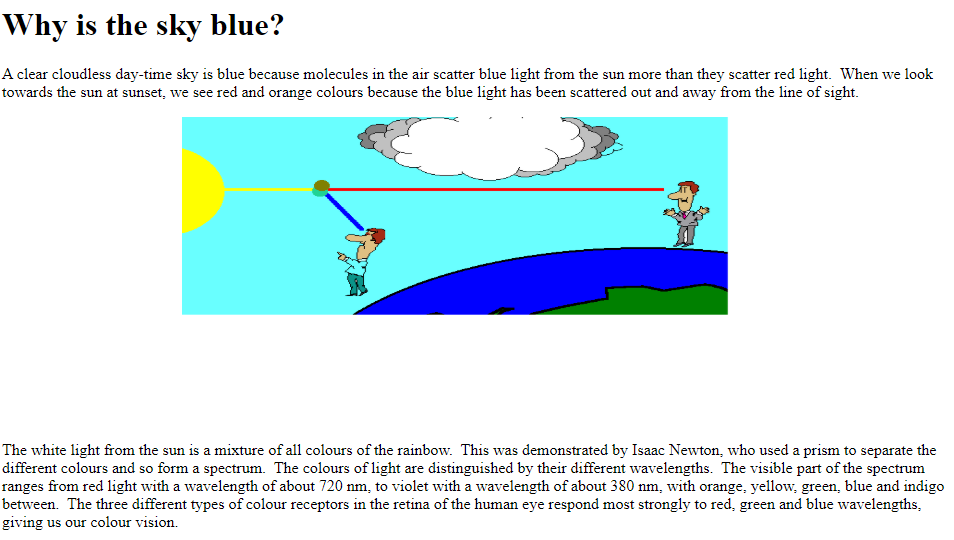
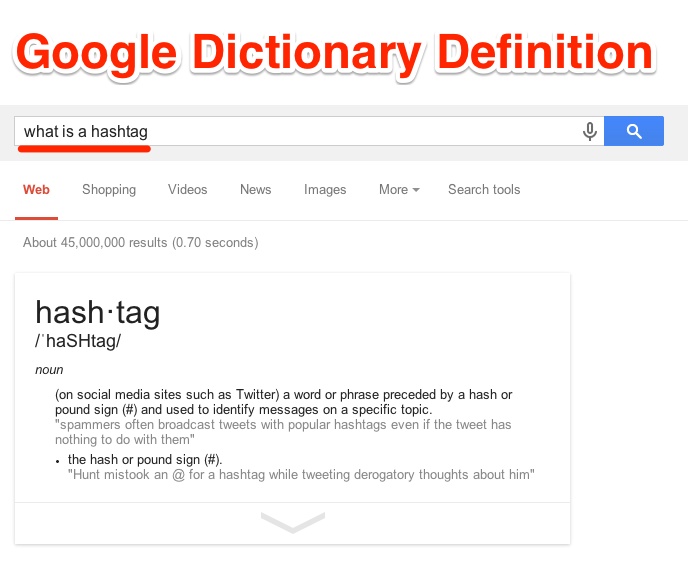
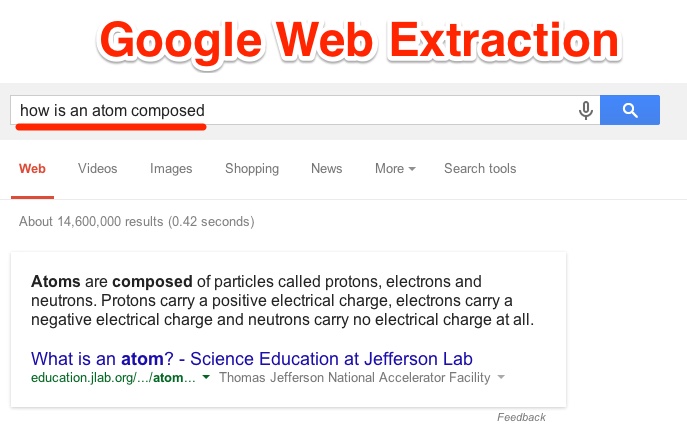
- Paragraph Snippets: The most common form, typically providing a definition or direct answer to "what is" or "why" questions.
- List Snippets: These appear for "how-to" queries or lists of items (e.g., "best digital marketing tools").
- Table Snippets: Google often scrapes tables for comparative data, such as pricing, statistics, or product specifications.
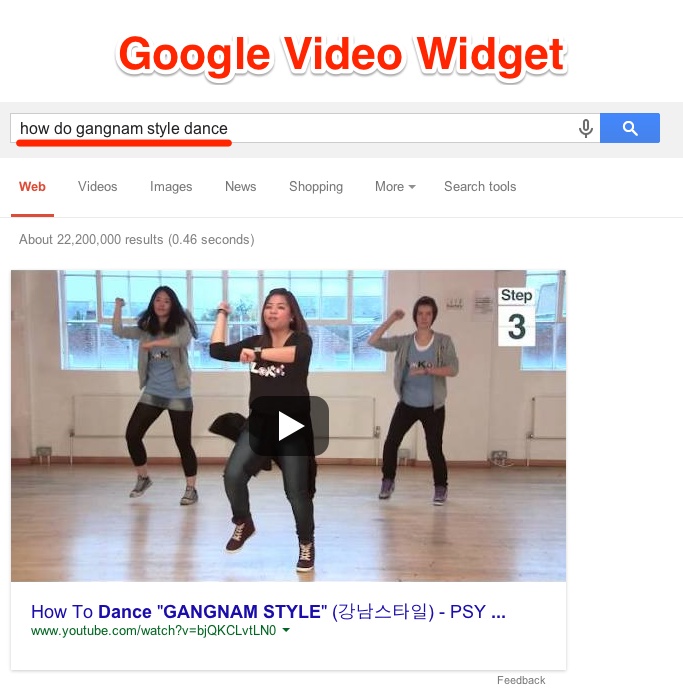
- Video Widgets: For instructional or visual content, Google frequently pulls from YouTube to provide a direct answer.
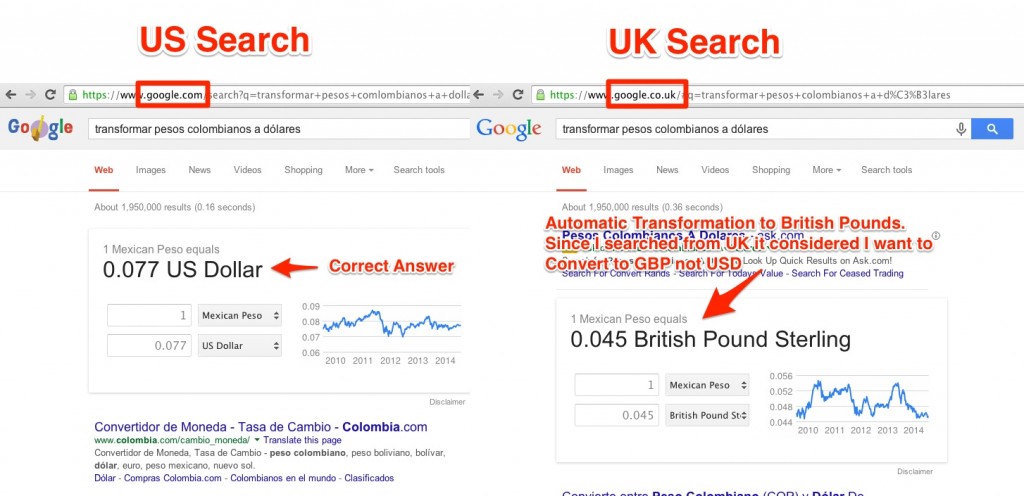
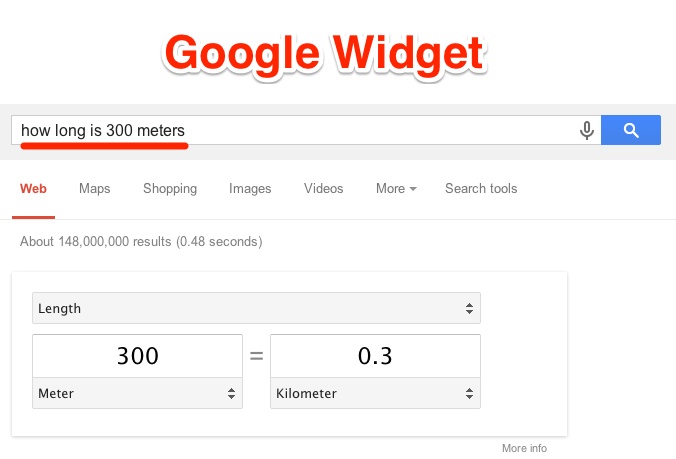
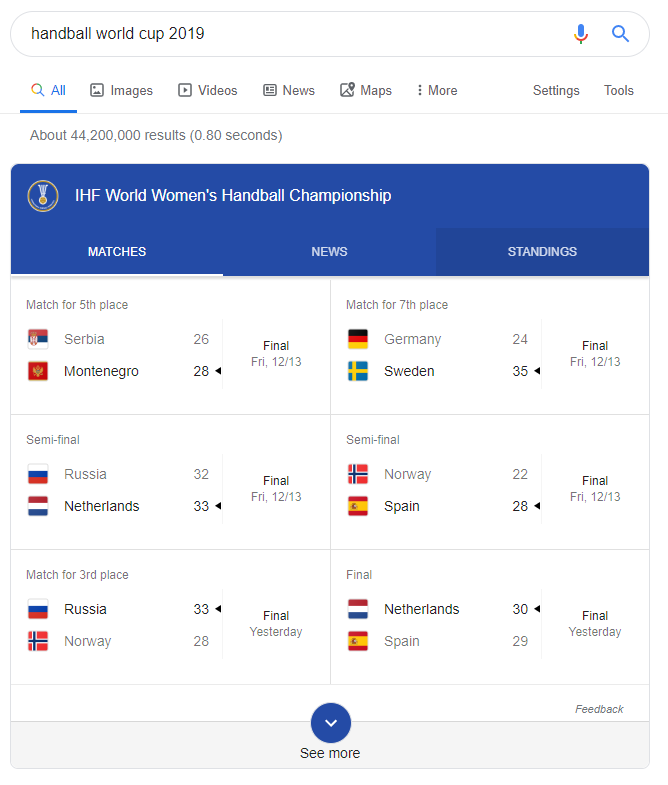
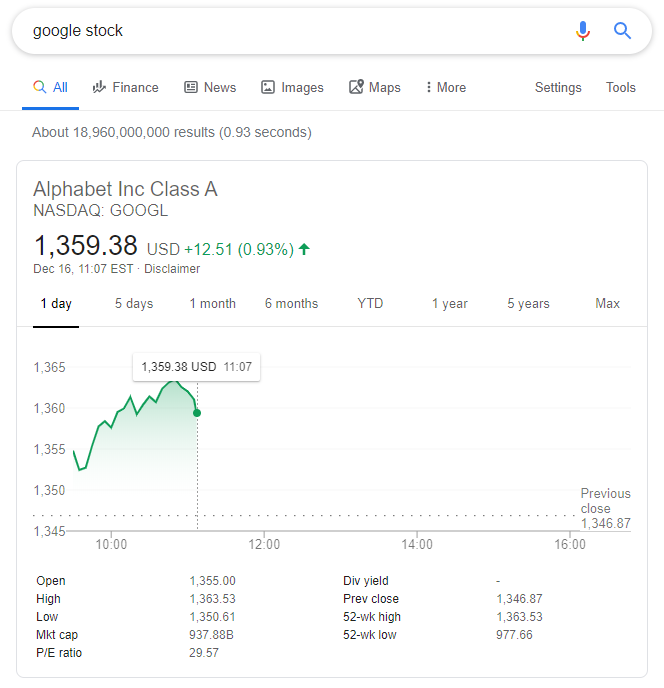
- Google Widgets: These are internal tools, such as currency converters, weather reports, or stock tickers, which often lack a source URL because the data is generated directly from Google’s internal databases.
Tactical Guide to Winning Position Zero
To build a winning strategy, you must approach your content from the user’s perspective. Follow these four essential steps:
1. Identify Answer-Ready Keywords
Focus on long-tail, question-based keywords. Use tools like a Keyword Explorer to find terms that trigger existing answer boxes. Look for "how-to," "why," and "what is" queries that have high search volume but currently display sub-par or incomplete answers.
2. Segment Based on Relevancy
Audit the current SERPs for your target keywords. If the existing answer box is inaccurate, outdated, or incomplete, you have a golden opportunity. By providing a more comprehensive, up-to-date, or better-structured answer, you can signal to Google that your content is a superior choice.
3. Write for the Algorithm (and the Human)
Structure your content so that the answer is at the top. If you are writing a guide on "how to figure out sales tax," ensure that the steps are listed clearly in a numbered format within the body of the text. Google loves "neat" content. Use descriptive subheadings and ensure your meta-tags and schema markup are perfectly aligned with the query.
4. Leverage Social Listening
In the age of AI-driven search, your off-page presence is vital. Use social listening and brand monitoring platforms to ensure your brand is being discussed in the right context. The more your brand is cited as a trusted source in third-party articles and social conversations, the more likely the AI will prioritize your domain when generating answers.
Checking Your Performance
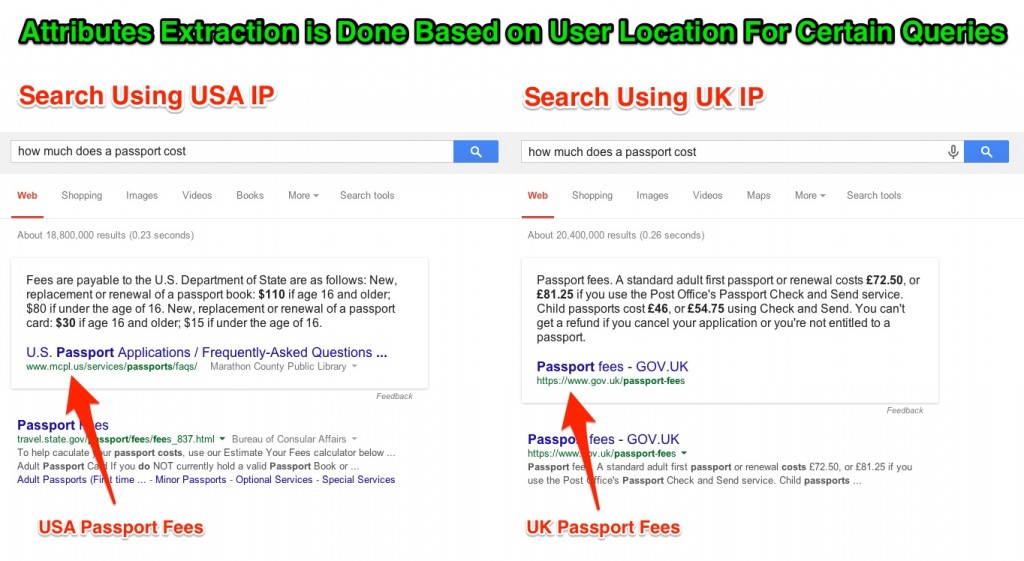
Manual checks are inefficient and often inaccurate due to localized search results. Instead, look at your Google Search Console data. Filter your performance reports by "Average Position" and "CTR." If you see a query where your average position is 1.0–3.0 and your CTR is exceptionally high (often 50% or more), you are likely winning an answer box.
The Reality of Answer Box Failures
Google is not infallible. There are instances where the answer box provides incorrect information, often due to "shady" sites gaming the system or algorithmic misinterpretations. If you encounter an incorrect snippet, use the "Feedback" button located at the bottom of the answer box. This is not just a polite gesture; it is a critical part of the feedback loop that helps Google refine its AI, and it is a community responsibility for SEO professionals to report inaccurate information.
Conclusion: A New Era of Search
The rise of Position Zero and AI-driven answers represents a fundamental change in how the world accesses information. While some fear the loss of organic traffic, the reality is that the "search engine" is becoming an "answer engine."
To thrive, businesses must move beyond traditional keyword stuffing and focus on becoming a trusted, authoritative entity. By providing high-quality, well-structured, and verified information, you can ensure that when Google looks for the best source to answer a user’s burning question, the answer it finds is yours.



