







Main Facts
Amazon Web Services (AWS) has officially announced the public preview of the AWS Well-Architected Agent, a groundbreaking, artificial intelligence-powered service designed to autonomously analyze cloud environments and deliver targeted, highly contextual recommendations. Moving far beyond traditional, rigid manual audits and generic static checklists, this new tool functions akin to an elite, seasoned cloud architect embedded directly within an organization’s operations.
The Well-Architected Agent evaluates complex cloud infrastructures by automatically correlating utilization metrics, resource configurations, and intricate application topologies. It benchmarks this data against established Well-Architected best practices spanning more than 65 AWS services. Crucially, the system does not offer one-size-fits-all suggestions; instead, it tailors its insights precisely to a company’s declared business goals, prioritizes findings, exposes cross-pillar trade-offs, and provides ready-to-implement remediation packages.
The public preview is currently accessible to customers holding an active AWS Support plan, with underlying agent infrastructure deployed across three initial AWS Regions: US East (N. Virginia), US East (Ohio), and US West (Oregon). Despite this localized control plane deployment, cloud teams can onboard and analyze workloads originating from any AWS commercial Region globally. Delivered directly by AWS Support, the Well-Architected Agent represents a paradigm shift toward intelligent, automated cloud optimization and continuous governance.
Chronology
The journey toward intelligent, automated architectural evaluations has evolved significantly over the past decade.

- The Manual Era of Cloud Governance: For years, AWS customers relied on the foundational AWS Well-Architected Tool, launched to help architects build secure, high-performing, resilient, and efficient infrastructure. While powerful, utilizing this framework often required extensive manual reviews, specialized internal expertise, and time-consuming workshops to identify misconfigurations or optimization opportunities.
- The Rise of IaC and Static Analysis: As cloud footprints expanded into multi-account environments and Infrastructure as Code (IaC) paradigms—such as Terraform, AWS CloudFormation, and the AWS Cloud Development Kit (CDK)—governance became increasingly complex. Security and cost postures fluctuated dynamically, outpacing the cadence of periodic human-led audits.
- The Advent of Generative AI and Automation: Recognizing the need for continuous, real-time optimization without heavy manual overhead, AWS engineering teams leveraged advanced machine learning and AI agent architectures. This development culminated in the conceptualization of an autonomous agent capable of reasoning across utilization metrics and code repositories alike.
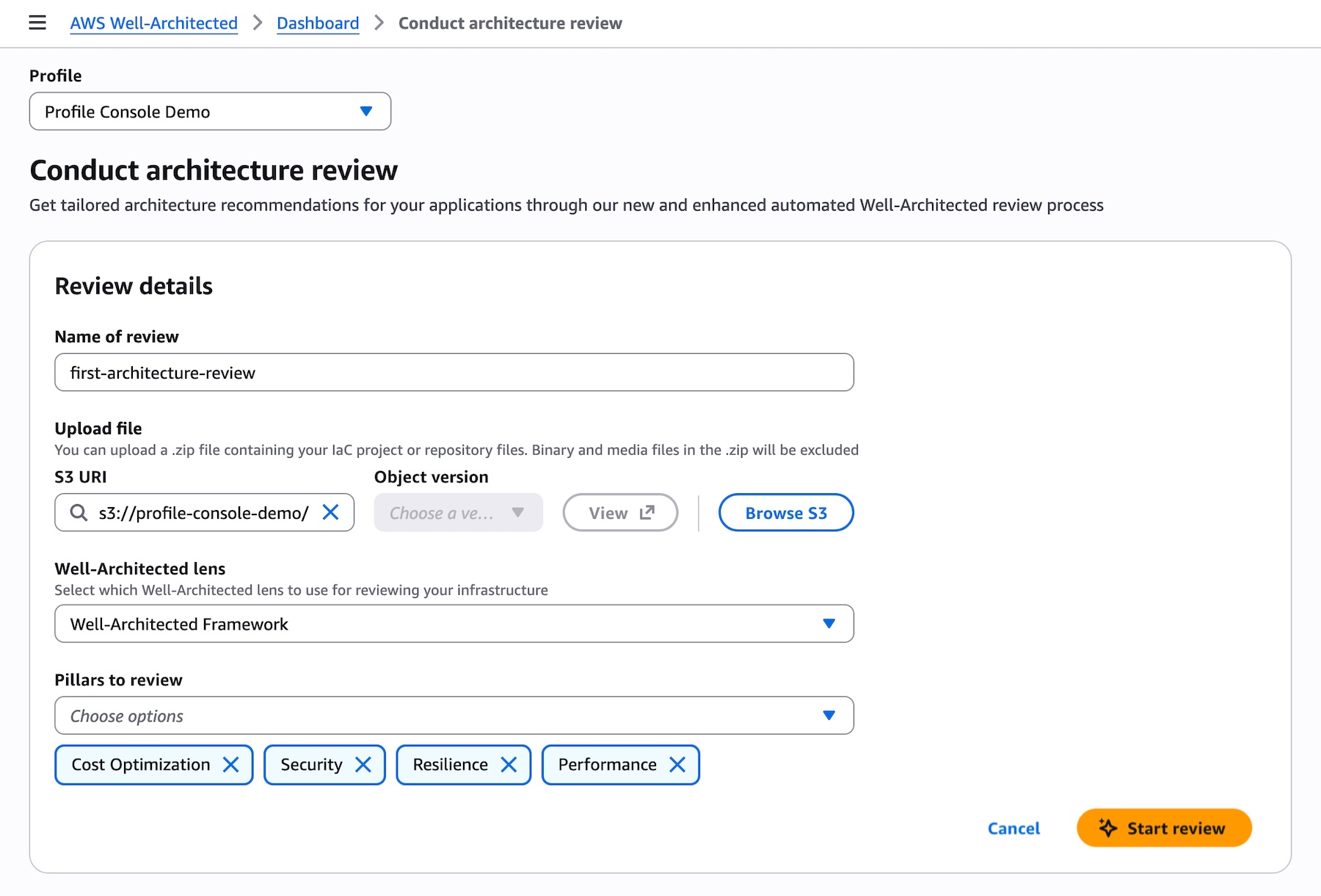
- Today — Public Preview Launch: AWS has formally released the public preview of the Well-Architected Agent. Enterprises can now configure agent profiles, define specific optimization pillars, upload pre-deployment IaC templates for safety reviews, and harness automated remediation pathways through the updated AWS Well-Architected console.
Supporting Data and Technical Architecture
To fully grasp the impact of the AWS Well-Architected Agent, it is essential to examine its core operational capabilities, integration vectors, and the mechanics driving its analytical engine.
Core Functional Capabilities
The service operates across several key dimensions designed to streamline cloud management:
- Intelligent Environment Evaluation: The agent automatically scans and correlates operational data—such as CPU utilization, memory metrics, network throughput, and storage configurations—with application dependencies across 65+ AWS services. It mimics human architectural reasoning to spot subtle inefficiencies or security gaps that static scripts typically miss.
- Goal-Driven Optimization: Cloud administrators can declare specific business objectives for different optimization pillars (Cost Optimization, Security, Reliability, Performance Efficiency, Operational Excellence, and Sustainability). The agent ranks its findings based on how severely they impact these custom targets.
- Pre-Deployment Infrastructure Analysis: Teams are no longer restricted to evaluating live environments. By uploading a
.ziparchive containing an IaC project—whether written in Terraform, AWS CloudFormation, or AWS CDK—engineers can conduct rigorous architecture reviews before a single resource is provisioned in production.
Operational Workflow: Step-by-Step Implementation
Getting started with the Well-Architected Agent involves a structured, straightforward configuration process within the AWS management console:
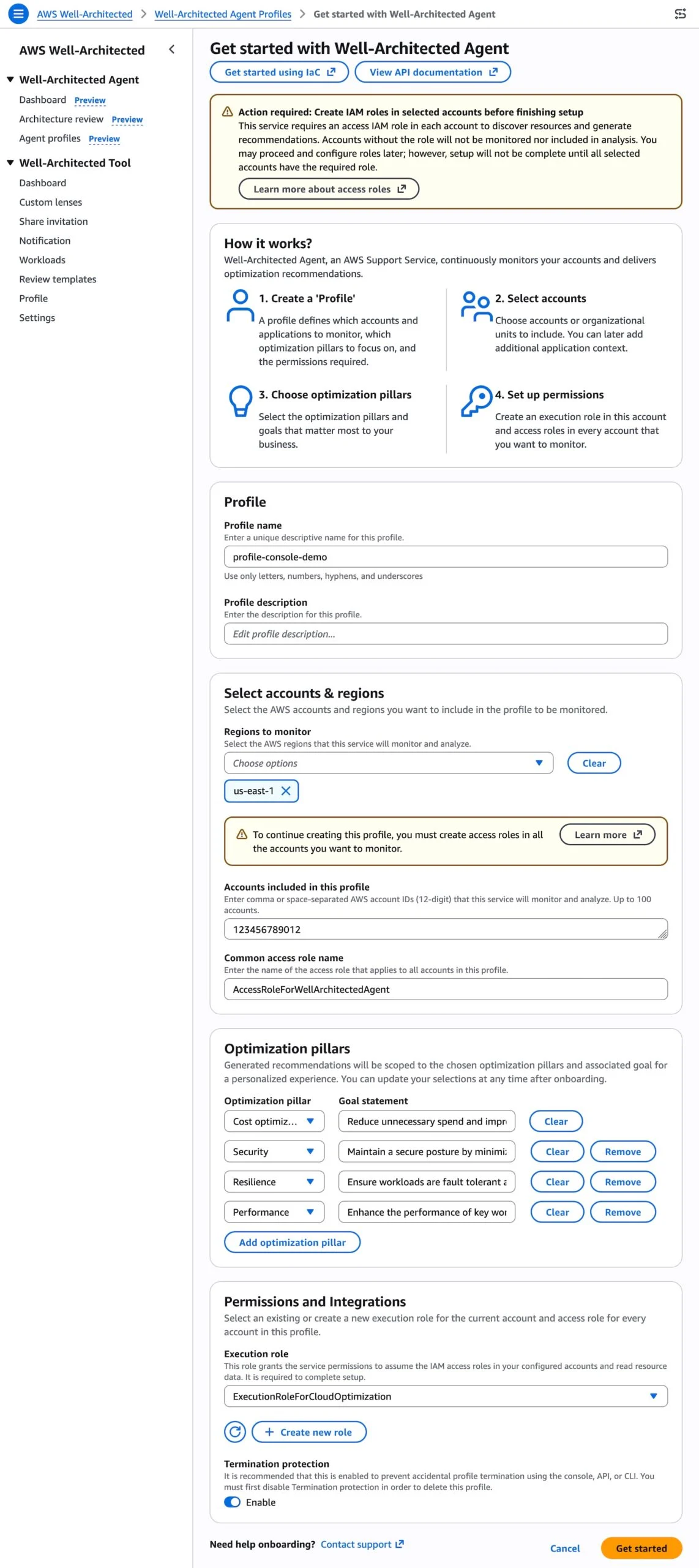
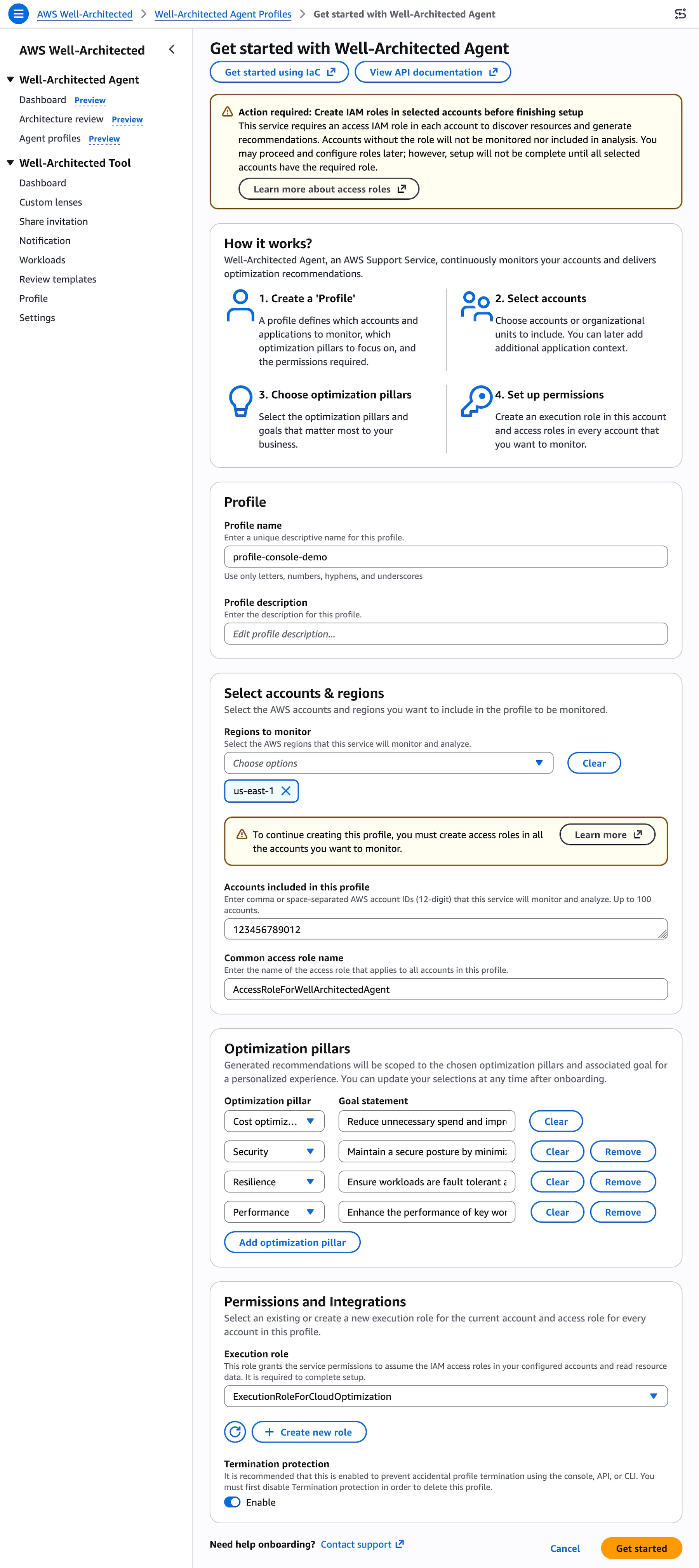
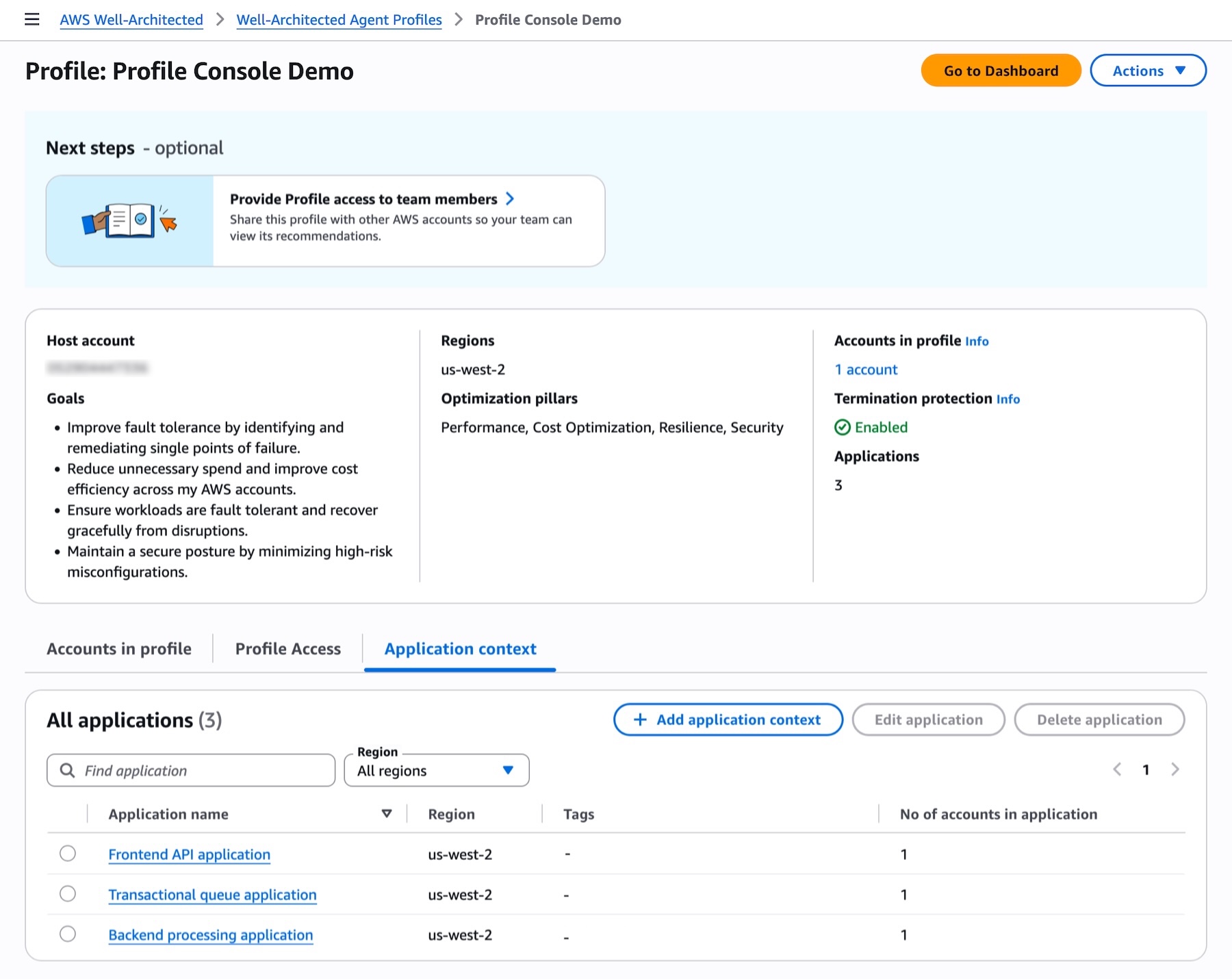
- Profile Creation: Administrators navigate to the AWS Well-Architected console, select Get started with Well-Architected Agent, and define an agent profile. This profile delineates the precise AWS accounts, Regions, and optimization pillars to monitor, alongside tailored business goals.
- IAM Role Provisioning: To ensure secure, least-privilege access, users must provision customer-managed AWS Identity and Access Management (IAM) roles. These roles grant the agent read-only permissions to inspect resource configurations, performance metrics, and application topologies.
- Application Context Enrichment: To maximize recommendation relevance, engineers can provide application context by mapping resources via tags, accounts, regions, and specific AWS services. Initial recommendations are generated within 24 hours of profile activation.
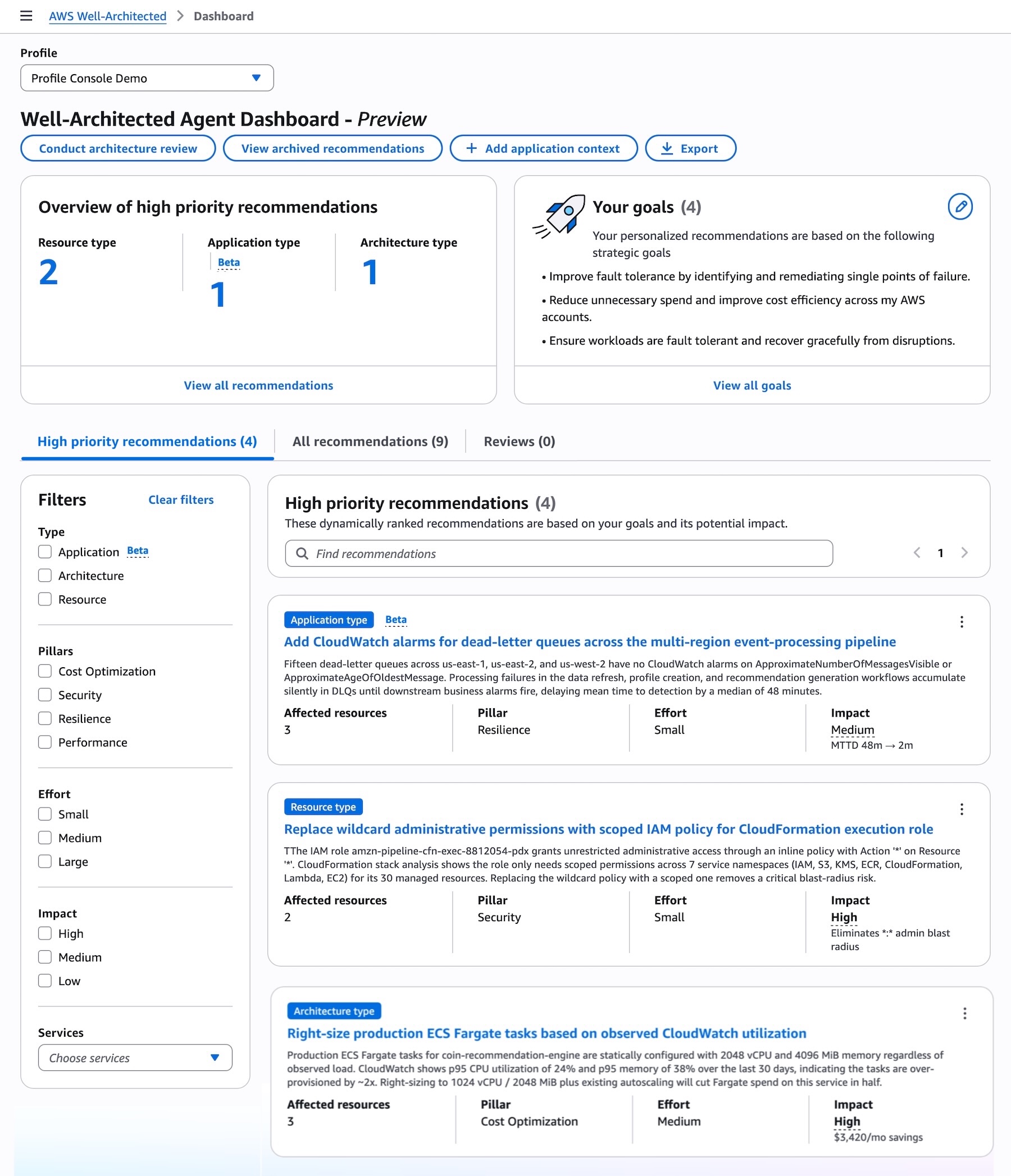
- Review and Prioritization: The dashboard surfaces ranked recommendations. Selecting a specific finding reveals deep insights into why the agent flagged the issue, the potential business impacts, cross-pillar trade-offs (e.g., how a cost-saving measure might affect system resilience), and targeted fixes.
- Remediation Execution: Users choose Start remediation to resolve findings. The system delivers resolution steps via the AWS Management Console, Command Line Interface (CLI) commands, or pre-configured code modifications designed to slide directly into existing IaC templates. Furthermore, developers can leverage the AWS MCP Server and associated plugins to integrate these recommendations directly into AI coding tools and CI/CD pipelines via API access.
Official Responses and Perspectives
While formal statements from AWS leadership highlight the strategic intent behind the launch, the industry reception underscores a broader movement toward autonomous cloud operations.
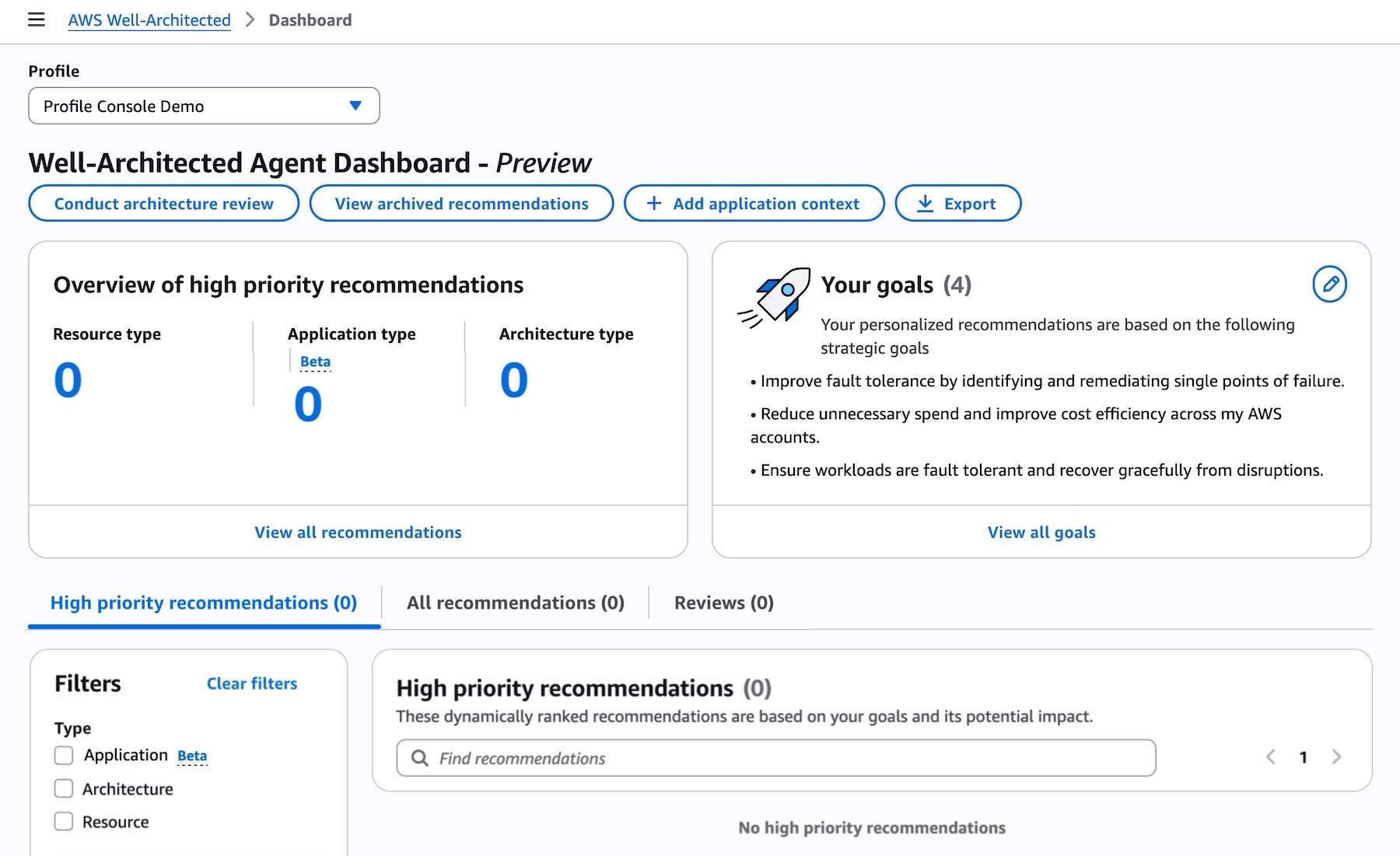
AWS architects and engineering leads emphasize that the Well-Architected Agent is not meant to replace human cloud engineers, but rather to liberate them from repetitive, tedious audits. By bridging the gap between high-level architectural best practices and line-by-line code fixes, the service democratizes elite-level cloud engineering. Organizations that previously lacked dedicated cloud optimization teams can now maintain enterprise-grade security and financial efficiency out of the box.
Industry analysts have noted that the integration of AI agents directly into IaC workflows marks a critical maturity milestone in cloud computing. Rather than treating security and cost governance as reactive, post-deployment chores, tools like the Well-Architected Agent bake continuous compliance and optimization directly into the developer workflow from inception.
Implications
The introduction of the AWS Well-Architected Agent carries profound implications for cloud financial management (FinOps), security posture management (CSPM), and overall operational workflows across enterprise environments.
1. Shift-Left Security and Cost Control
By enabling pre-deployment architecture reviews through IaC uploads, the agent enforces Well-Architected standards before infrastructure code is merged or deployed. Catching an over-provisioned database instance, a misconfigured S3 bucket, or a brittle network topology in a Terraform file drastically reduces the financial and security cost of remediation compared to fixing live production assets.
2. Bridging the Expertise Gap
Maintaining strict alignment with the AWS Well-Architected Framework traditionally demanded continuous training and specialized internal certifications. The agent lowers this barrier to entry. By explaining the rationale behind every recommendation and supplying ready-to-copy CDK or CloudFormation updates, it serves as an educational tool that upskills junior and mid-level developers in real-time.
3. Accelerated Remediation Cycles
Identification without simple remediation often leads to alert fatigue. Security and FinOps teams frequently drown in long lists of compliance violations that take weeks to parse and fix. The Well-Architected Agent combats this by packaging findings with exact CLI commands, console paths, and code snippets, shrinking the mean time to remediation (MTTR) significantly.
4. Ecosystem Integration and Developer Velocity
Through the AWS MCP Server and IDE plugins, developers can query recommendations and search documentation without ever leaving their preferred development environments. This seamless integration ensures that architectural governance flows naturally through existing development lifecycles rather than acting as a bureaucratic roadblock.
5. Availability and Onboarding Considerations
As the service rolls out in its public preview phase—supported in US East (N. Virginia), US East (Ohio), and US West (Oregon), with global workload onboarding capabilities—enterprises subscribed to eligible AWS Support plans have an immediate opportunity to pilot autonomous cloud governance. As this technology matures, it is poised to become an indispensable component of modern cloud infrastructure management, setting a new benchmark for how artificial intelligence interacts with enterprise-grade cloud environments.